

Supplement Quality Control: The Step-by-Step Process in a GMP Factory (2026 Guide)
In an industry projected to break new growth records in 2026, Supplement Quality Control is the cornerstone of consumer trust, brand longevity, and regulatory approval. Whether you are launching a new vitamin gummy or scaling up tablet production, understanding the stringent testing protocols within a certified facility is critical.
What is Supplement Quality Control?
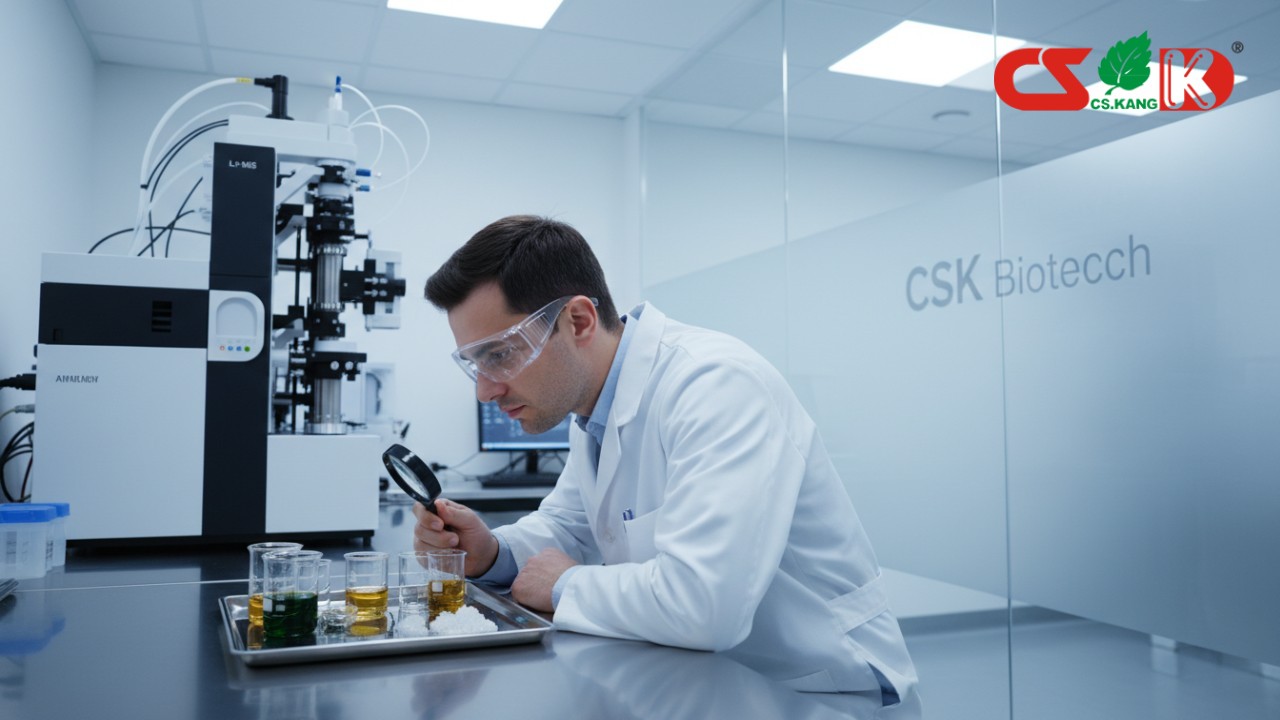
Dietary supplement quality control is the rigorous system of testing, inspection, and verification used by GMP-certified factories to ensure products are safe, pure, and potent.
This framework involves multiple stages of scrutiny, from initial ingredient intake to final packaging. How does a facility achieve this? By implementing standardized operational procedures that dictate exactly how an ingredient is handled, tested, and stored. Why is this necessary? To prevent adulteration and ensure compliance with FDA guidelines. As defined by the Dietary Supplement Health and Education Act of 1994, manufacturers bear the primary responsibility for ensuring the safety and correct labeling of their dietary products before they hit the market.
The core components of a quality control system include:
- Raw Material Testing: Verifying the botanical or chemical identity of incoming ingredients.
- In-Process Controls (IPC): Actively monitoring physical properties during production runs.
- Finished Product Verification: Conducting final assays to confirm the active ingredient potency matches the label claims.
Key Takeaways: The Anatomy of a Quality Supplement
A high-quality dietary supplement is built on rigorous supplier qualification, continuous in-process manufacturing oversight, and comprehensive third-party laboratory verification.
Every premium supplement goes through a highly calculated journey. The process emphasizes preemptive risk management over retroactive corrections. By testing materials at multiple intervals, CDMOs (Contract Development and Manufacturing Organizations) can isolate deviations immediately, minimizing wasted resources and avoiding potentially dangerous recalls.
The foundational elements of top-tier quality include:
- Quality starts before manufacturing: Rigorous supplier qualification and raw material testing are the foundation of product safety.
- In-process controls (IPC) guarantee consistency: Continuous monitoring during production prevents variations in weight, thickness, and potency.
- Form factor dictates the testing process: Tablets, softgels, powders, liquids, and gummies each require unique stability verification and dissolution protocols.
- Third-party verification matters: A valid Certificate of Analysis (COA) is the ultimate proof of a supplement's label accuracy.
The Step-by-Step GMP Factory Quality Control Process
The quality control process in a GMP factory follows a strict, step-by-step workflow from the moment raw ingredients arrive at the facility to the final packaging of the finished product.
Understanding how a premium facility operates behind closed doors provides brand owners with peace of mind and distinct marketing advantages. For a deeper dive into the exact foundational standards, check out our comprehensive overview on Supplement Quality Control: The Step-by-Step Process in a GMP Factory. The following sequential methodology reflects how industry-leading factories achieve total dietary supplement manufacturing precision in 2026, adhering to the principles outlined by the World Health Organization (WHO) on GMP.
- Step 1: Raw Material Sourcing & Identity Verification. Utilizing advanced chromatography (HPLC) and mass spectrometry to test for identity, purity, heavy metals, and microbial contamination. Nothing enters the production floor without absolute botanical or chemical confirmation.
- Step 2: Formulation Research & Pilot Testing. Conducting small-scale pilot runs to test for homogeneity, shelf-life stability, and proper excipient ratios before mass production.
- Step 3: In-Process Controls (IPC). Monitoring critical parameters directly on the production line, such as capsule seal integrity, tablet hardness, and blend uniformity.
- Step 4: Final Product Testing & COA Generation. Quarantining finished batches until laboratory analysis confirms the absence of pathogens and verifies that ingredient claims meet exact label specifications.
- Step 5: Packaging, Labeling, & Traceability. Ensuring accurate label application, tamper-evident sealing, and generating distinct batch records for complete supply chain traceability.
Data Comparison: Quality Control Metrics by Form Factor
Different supplement formats require highly specialized testing equipment and distinct quality parameters.
| Supplement Form | Critical QC Metric | Primary Testing Method |
|---|---|---|
| Softgels | Seal integrity & fill weight uniformity | Rupture test & visual inspection under magnification |
| Tablets | Hardness, friability, & disintegration time | Hardness tester & specialized dissolution bath |
| Powders | Blend uniformity & particle size | Sieve analysis & HPLC testing |
| Liquids | Viscosity, pH, & microbial load | Viscometer & advanced pathogen plating |
| Gummies | Moisture migration (Aw) & heat stability | Water activity meter & accelerated heat chambers |
Common Mistakes Brands Make in Supplement Manufacturing (Expert Tips)
The most common mistakes in supplement manufacturing occur when brands rush production, skip pilot testing, or fail to independently verify the purity of raw materials provided by suppliers.
Even experienced brand owners can fall victim to costly production errors if they do not thoroughly vet their manufacturing partners. Quality control cannot be outsourced entirely to trust; it must be backed by verifiable data. Failing to adhere to Good Manufacturing Practice (GMP) guidelines puts the final consumer at significant health risk and leaves the brand vulnerable to FDA enforcement actions.
Avoid these critical manufacturing pitfalls:
- Skipping comprehensive pilot testing: Rushing straight to large-scale runs often leads to formulation separation or unstable active ingredients.
- Relying solely on supplier COAs: Accepting raw material documentation without conducting secondary, in-house identity testing opens the door to adulteration.
- Overlooking form-specific stability issues: Failing to account for moisture migration in gummies or oxidation in liquid supplements during the R&D phase.
- Choosing non-certified partners: Working with manufacturers that lack verifiable GMP, FDA, HACCP, or ISO certifications.
Advanced QC Technologies: 2026 Trends and Beyond
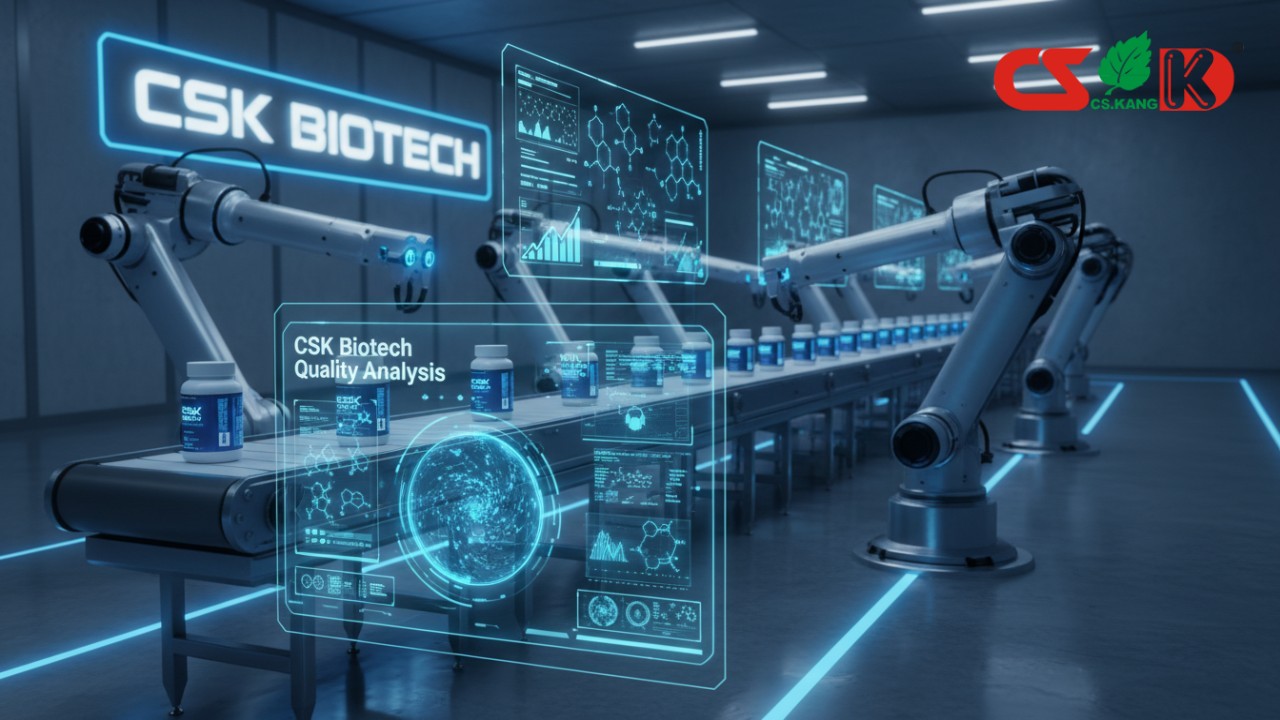
By 2026, supplement quality control will increasingly rely on automated microbial testing, AI-driven formulation models, and blockchain technology to guarantee unparalleled precision and supply chain transparency.
As the industry evolves, the tools used to test and verify supplement purity become exponentially more sophisticated. Today, outdated manual testing methods are being replaced by high-speed digital analysis. This technological shift drastically reduces human error, speeds up time-to-market, and allows for continuous stability verification across dynamic environmental conditions.
The most impactful technological advancements include:
- Automated Microbial Testing: Leveraging rapid, automated pathogen detection systems to significantly reduce quarantine times and sample processing costs.
- AI-Driven Formulation Development: Using artificial intelligence in ODM and CDM models to predict ingredient interactions and optimize bioavailability.
- Blockchain Traceability: Implementing immutable ledger technology to give brands and consumers 100% transparent tracking from raw botanical sourcing to the retail shelf.
How CSK Biotech Ensures Uncompromising Quality in Contract Manufacturing
CSK Biotech ensures uncompromising quality by integrating strict cGMP compliance across its 2,000㎡ factory, utilizing seven advanced production lines to deliver billions of safe, verified supplements annually.
Founded in 2008, CSK Biotech has established itself as a premier high-tech enterprise dedicated to the R&D and large-scale manufacturing of health foods and cosmetics. We understand that a successful dietary supplement brand relies entirely on the consistency and safety of its product. That is why our internal systems are built around total transparency, robust analytical testing, and seamless scalability.
Our commitment to excellence is demonstrated through our operational capabilities:
- Operating out of a GMP-certified 2,000㎡ facility, CSK Biotech strictly adheres to FDA, HACCP, ISO, and GMPC standards to guarantee the highest level of international safety and purity.
- We implement an end-to-end CDMO solution that covers the entire lifecycle—from concept development, formulation research, and pilot testing to regulatory registration and final marketing support.
- Our seven advanced production lines are equipped with rigorous In-Process Controls (IPC), allowing us to seamlessly manage massive scale—over 4.5 billion softgels and 1.5 billion tablets annually—without sacrificing precision.
- Offering flexible ODM, CDM, and OEM cooperation models, we ensure tailor-made, precise, and formula-based production across tablets, capsules, liquids, powders, and gummies.
Conclusion
Supplement quality control is a multifaceted process that requires unwavering dedication to GMP standards, advanced laboratory testing, and strict in-process manufacturing oversight. From identity testing at the receiving dock to continuous IPC on the factory floor, every step is carefully designed to produce a flawless end product. Partnering with an experienced, fully certified CDMO eliminates production guesswork, protects your brand reputation, and guarantees that consumers receive pure and potent dietary supplements.
Contact us today at steve@cskbiotech.com to optimize your Supplement Quality Control strategy.
FAQs About Supplement Quality Control
What is GMP in dietary supplements?
GMP stands for Good Manufacturing Practices. It is a set of regulations enforced by the FDA and international bodies. GMP ensures products are consistently produced and controlled according to strict quality standards.
How do you test the quality of a supplement?
Quality is tested through laboratory analysis of raw materials and finished products. Methods include HPLC and mass spectrometry for identity and potency. Microbiological testing ensures there are no harmful bacteria or heavy metals.
What does a Certificate of Analysis (COA) show?
A COA is a document issued by Quality Assurance confirming a product meets its specification. It details the test results for potency, active ingredients, and purity. It confirms the absence of contaminants like heavy metals, pesticides, and microbes.
Why is raw material testing important in supplement manufacturing?
It prevents adulterated or counterfeit ingredients from entering the supply chain. It ensures the botanical or chemical identity matches what was ordered. It sets the baseline for the safety and efficacy of the final manufactured product.
Does the FDA approve dietary supplements before they are sold?
No, the FDA does not approve dietary supplements before they hit the market. However, the FDA strictly regulates them under DSHEA. Manufacturers are responsible for ensuring safety, and the FDA conducts facility inspections to enforce cGMP compliance.
What is the difference between OEM, ODM, and CDM in supplement manufacturing?
OEM (Original Equipment Manufacturing) is precise production based on a brand's existing formula. ODM (Original Design Manufacturing) involves the manufacturer designing market-oriented product innovations. CDM (Contract Development and Manufacturing) involves tailor-made product design and end-to-end lifecycle solutions.
How are softgel capsules tested for quality?
Softgels undergo specific physical tests like shell hardness and seal integrity. They are tested for fill weight uniformity to ensure consistent dosing. Dissolution and rupture tests are performed to guarantee they break down properly in the digestive tract.
How can I verify if my supplement manufacturer is reputable?
Check for valid, up-to-date certifications like GMP, FDA registration, ISO, and HACCP. Ask about their in-house testing capabilities and standard operating procedures (SOPs). Request sample COAs and inquire about their processes for raw material sourcing and pilot testing.
Latest Popular Articles


FAQ
文章
Are your manufacturing facilities GMP certified?
Yes. CSK Biotech operates under GMP (Good Manufacturing Practices) standards. Our production facilities follow strict quality · · · management systems to ensure:
-
· Product safety
-
· Batch consistency
-
· Full traceability of raw materials and finished products
Why choose CSK Biotech as your manufacturing partner?
Clients choose CSK Biotech because we offer:
-
· Comprehensive dosage form capabilities
-
· Strong customization and R&D support
-
· GMP-compliant manufacturing
-
· Reliable quality and stable supply
-
· One-stop OEM/ODM solutions
What types of dosage forms does CSK Biotech manufacture?
We offer a full range of supplement dosage forms, including:
-
· Softgel capsules
-
· Hard capsules
-
· Tablets
-
· Powder supplements
-
· Gummy supplements
-
· Liquid supplements (drops, syrups, oral liquids)
This allows our clients to build a complete and diversified product line with one reliable manufacturing partner.
Do you accept international orders?
Yes. CSK Biotech works with global clients and has experience supporting brands in:
-
· North America
-
· Europe
-
· Asia-Pacific
-
· Middle East and other regions
We are familiar with international cooperation processes and export requirements.
How does the cooperation process work?
Our standard cooperation process includes:
-
1.Product consultation and requirement confirmation
-
2.Formula development or review
-
3.Sample production (if required)
-
4.Order confirmation and mass production
-
5.Quality inspection and packaging
-
6.Delivery
This structured process ensures efficiency and transparency.
What is your minimum order quantity (MOQ)?
MOQ depends on the dosage form, formula complexity, and packaging requirements. CSK Biotech offers flexible MOQs to support:
-
· Start-up brands
-
· New product launches
-
· Large-scale production orders
Please contact us for specific MOQ details.
Related Products
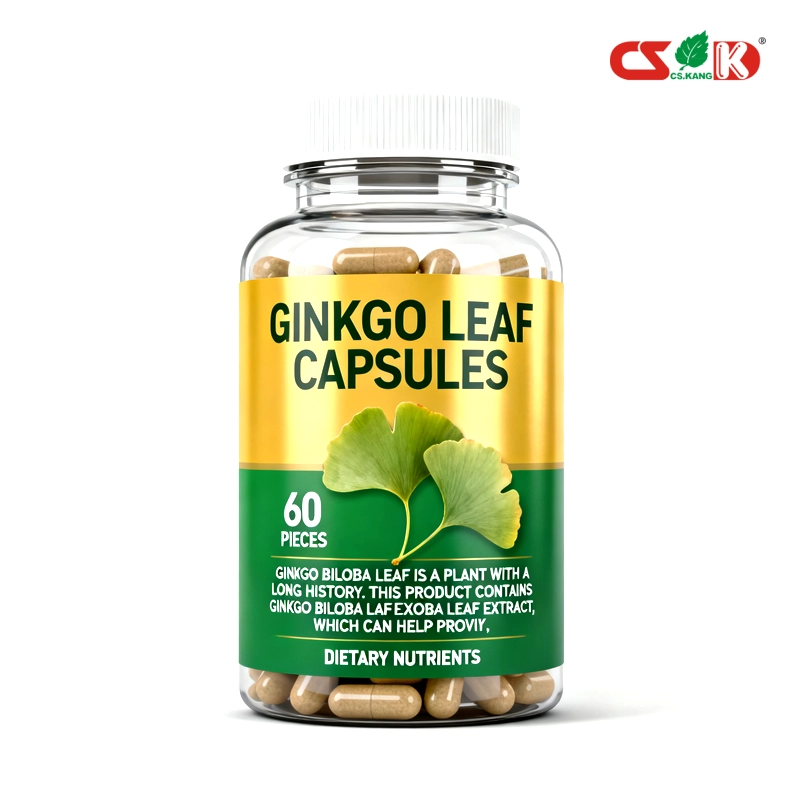
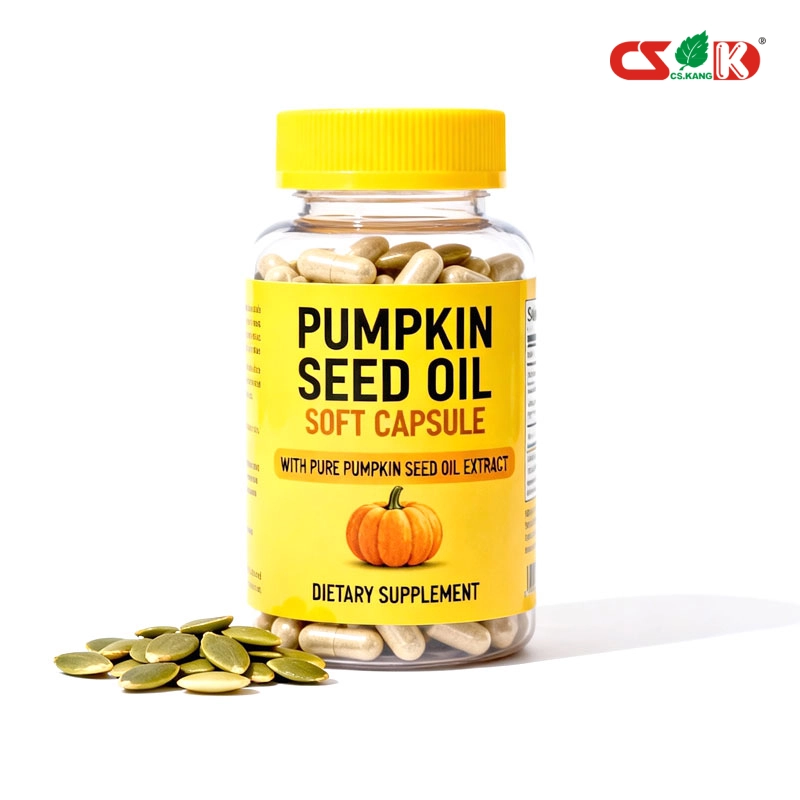
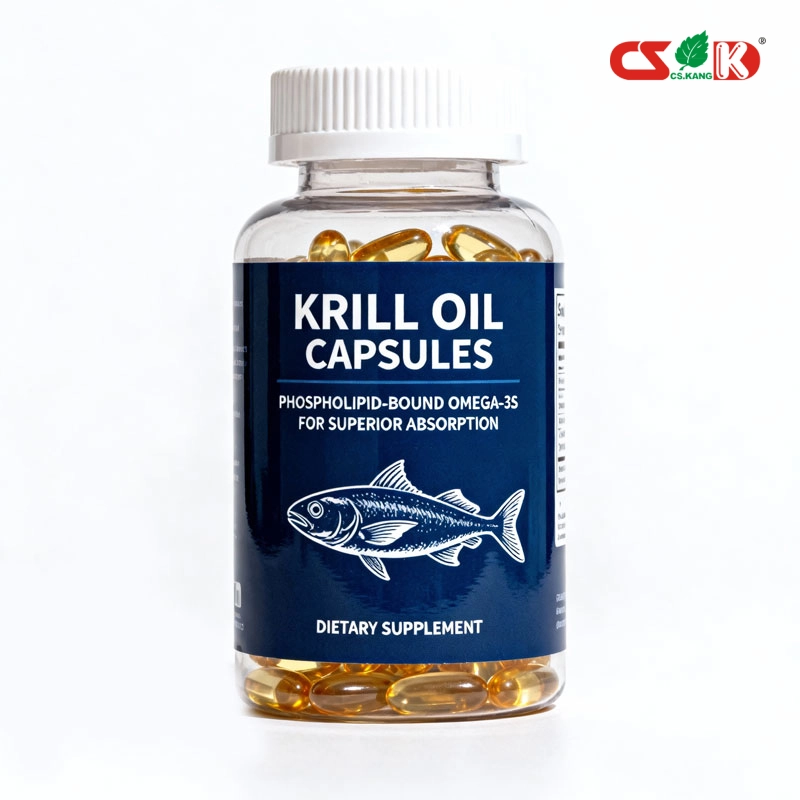
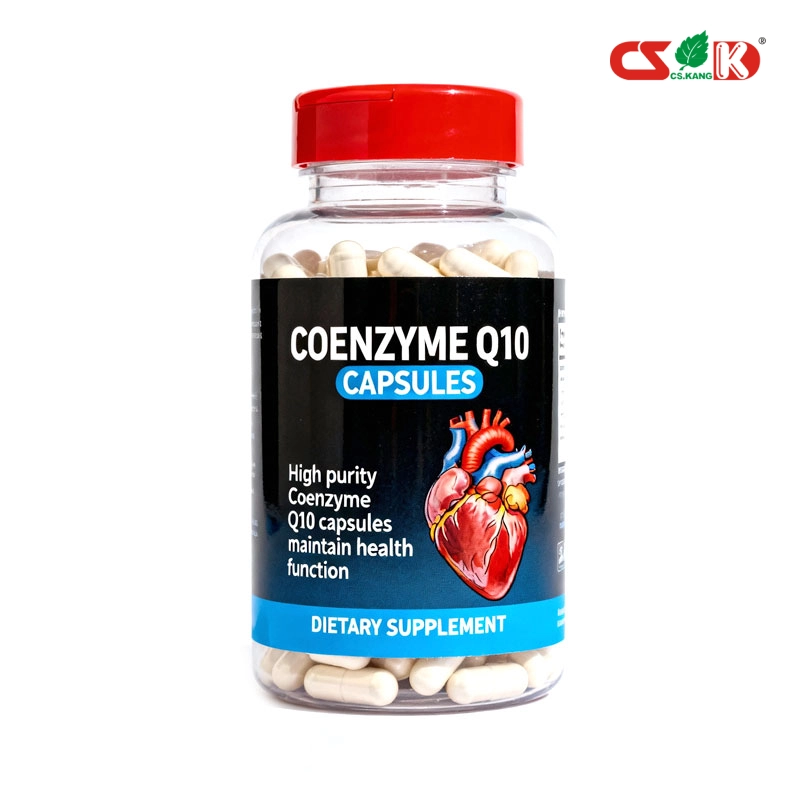
Explore our range of complementary dietary supplement products designed to meet diverse formulation and market needs. Each item is developed and manufactured with the same high-quality standards and expertise that define our dietary supplement contract manufacturing services, helping brands expand their product offerings efficiently and reliably.
Request a Quote for Dietary Supplement Contract Manufacturing
If you need CDMO services for health foods, nutritional supplements, or cosmetics, our team of experts is ready to provide you with customized solutions and quotes.


manufactoryinchina
CSK Biotech Dietary Supplements