
The Ultimate Guide to Supplement Manufacturing Quality Standards & Compliance (2026): Audits, QC, and Certifications
In 2026, the global wellness market is expanding rapidly, bringing intense scrutiny to Supplement Manufacturing Quality Standards & Compliance. Today's consumers demand full transparency, and regulatory bodies are strictly enforcing production protocols to ensure safety and efficacy. For brands, navigating these complex rules—from FDA requirements to global ISO frameworks—is no longer optional; it is the foundation of long-term success.
Whether you are launching a new gummy line or scaling up capsule production, understanding these standards is critical to avoiding costly recalls and legal penalties. This comprehensive guide breaks down everything you need to know about regulatory compliance, third-party certifications, laboratory testing, and how to select a reliable manufacturing partner.
What Are Supplement Manufacturing Quality Standards and Compliance?

Supplement manufacturing quality standards are a strict set of regulatory and industry guidelines designed to ensure dietary supplements are produced safely, purely, and accurately. Compliance guarantees that products meet legal requirements and label claims without contamination, safeguarding consumer health.
These standards operate as a massive safety net for the public. They encompass everything from how a facility is cleaned to how raw materials are verified before entering the production line. By strictly controlling the manufacturing environment, brands can guarantee that every single dose is consistent.
To achieve this, manufacturers implement comprehensive Quality Management Systems (QMS). These systems provide a framework for tracking ingredients, training personnel, and conducting rigorous scientific testing.
Core Components of Quality Compliance:
- Documentation: Maintaining flawless records of every batch produced.
- Facility Hygiene: Operating cleanroom environments to prevent cross-contamination.
- Raw Material Verification: Testing incoming ingredients for purity and identity.
- Accurate Labeling: Ensuring the consumer knows exactly what is inside the bottle.
Key Takeaways: 2026 Supplement Compliance Quick Summary
The regulatory focus in 2026 centers on total transparency, tightening around raw material traceability, comprehensive allergen controls, and rigorous dietary supplement third-party lab testing. Modern compliance demands proactive hazard prevention rather than just reactive end-product testing.
As the industry matures, regulators are no longer satisfied with baseline adherence. They expect brands to demonstrate a continuous commitment to quality through advanced technological tracking and rigorous independent verification. Partnering with a globally certified CDMO drastically reduces regulatory risk and accelerates speed-to-market.
2026 Compliance Highlights:
- Traceability: Complete seed-to-shelf tracking for all botanical ingredients.
- Mandatory Minimums: FDA cGMPs dictate baseline rules, but top brands rely on ISO and HACCP for global reach.
- Comprehensive Testing: Identity, purity, strength, and composition must be verified before product release.
- Global Expansion: Certifications are becoming the universal language for international market entry.
The Regulatory Framework: FDA 21 CFR Part 111 and DSHEA
FDA 21 CFR Part 111 cGMP is the foundational federal regulation outlining the Current Good Manufacturing Practices required for the manufacturing, packaging, labeling, or holding of dietary supplements in the United States. It mandates strict process controls to ensure product consistency and safety.
The legal foundation for these rules was established by the Dietary Supplement Health and Education Act (DSHEA) of 1994. Under this act, as defined by Wikipedia, a dietary supplement is a manufactured product intended to supplement the diet, and it falls under specific FDA oversight. Unlike pharmaceuticals, supplements do not require pre-market approval, making post-market compliance via 21 CFR Part 111 absolutely essential.
Manufacturers must establish written procedures for every step of their operation. This ensures that any deviation from the standard recipe is immediately caught and corrected.
Key Regulatory Pillars:
- DSHEA 1994: The foundational law outlining how the FDA regulates dietary supplements as a special category of food.
- Master Manufacturing Records (MMR): The critical, detailed recipe required to prove batch-to-batch consistency.
- Batch Production Records (BPR): The actual paper trail documenting the execution of the MMR.
- Adverse Event Reporting (AER): Mandatory processes for documenting and handling consumer health complaints.
Major Third-Party Certifications: USP, NSF, and ISO Explained
Third-party certifications like NSF/ANSI 173 and USP verification are independent endorsements proving a manufacturer exceeds baseline government regulations. They provide unbiased, scientific validation that a product is pure, potent, and accurately labeled.
While FDA registration is mandatory, third-party certifications are voluntary marks of excellence. They signal to consumers, retailers, and medical professionals that a brand is committed to the highest safety standards. For instance, achieving certification requires passing unannounced facility audits and rigorous independent laboratory tests. According to NSF, the NSF/ANSI 173 standard is the only American National Standard exclusively dedicated to verifying dietary supplement contents and screening for contaminants.
Comparison of Top Certifications:
| Certification | Primary Focus | Key Benefit | Best For |
|---|---|---|---|
| USP Verification | Bioavailability & Purity | Ensures product dissolves properly and matches label. | Premium consumer retail brands. |
| NSF/ANSI 173 | Contaminant Screening | Verifies absence of heavy metals, microbes, and pesticides. | Brands seeking peak safety trust. |
| ISO 9001 / 22000 | Quality Management Systems | Streamlines global distribution and operational consistency. | International export and scale. |
| HACCP | Hazard Prevention | Systematically eliminates biological and chemical hazards. | Facilities handling complex raw ingredients. |
Quality Control (QC) and Laboratory Testing Protocols
Quality control (QC) encompasses the systematic laboratory procedures and in-process checks used to evaluate a supplement's safety and efficacy. Dietary supplement third-party lab testing and robust internal protocols ensure that finished products match their exact specifications.
A compliant facility does not wait until a batch is finished to test it. Quality control is woven into the entire production lifecycle. This begins the moment raw materials arrive at the loading dock and continues through blending, encapsulation, and final bottling. Advanced analytical equipment, such as High-Performance Liquid Chromatography (HPLC) and Mass Spectrometry, are utilized to detect even microscopic impurities.
Essential Testing Protocols:
- Identity Testing: Verifying the precise botanical or chemical identity of incoming raw materials before they enter the production line.
- Purity and Contaminant Screening: Testing for dangerous heavy metals, pesticides, residual solvents, and microbiological contaminants.
- Potency and Strength Validation: Ensuring active ingredients match label claims through the end of their shelf life via rigorous stability testing.
- In-Process QC: Continuous real-time monitoring of weight, hardness, friability, and dissolution during tablet and capsule manufacturing.
Common Mistakes in Supplement Manufacturing Compliance (And Expert Tips)
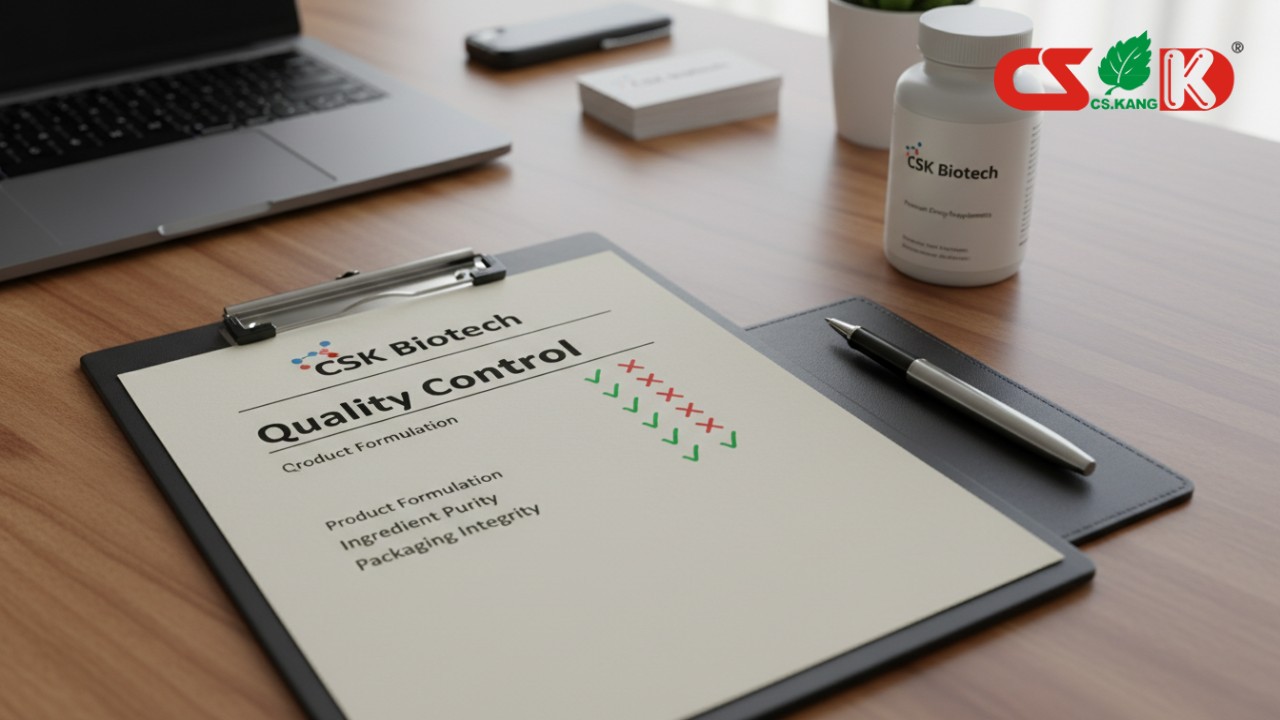
Manufacturing compliance failures usually stem from inadequate documentation, poor supplier vetting, or skipping mandatory identity testing. These mistakes lead to misbranded products, FDA warning letters, and severe damage to a brand's reputation.
Even well-intentioned brands can fall into compliance traps if they lack a deep understanding of the regulatory landscape. The most common pitfall is assuming that a supplier's paperwork is perfectly accurate without conducting independent verification.
Top Mistakes and Expert Solutions:
- Mistake 1: Skipping 100% identity testing on raw materials.
- Expert Tip: Always demand comprehensive Certificates of Analysis (COA) and verify them using independent or trusted in-house labs.
- Mistake 2: Poor Change Control.
- Expert Tip: Never change an ingredient supplier or adjust a formula without officially updating the Master Manufacturing Record (MMR).
- Mistake 3: Over-relying on the manufacturer without an audit.
- Expert Tip: Implement routine facility audits and proactively ask for your partner's latest GMP and ISO audit reports.
- Mistake 4: Vague specifications.
- Expert Tip: Establish clear, scientifically valid test methods for every single product claim on your label.
How to Vet a Compliant CDMO Partner (2026 Standards)
Vetting a compliant CDMO supplement manufacturing compliance partner involves auditing their facility certifications, evaluating their production capacity, and ensuring their quality control systems can scale without compromising defect rates.
Beyond simply meeting standard regulations, modern wellness brands need manufacturing partners who act as an extension of their own business. An elite partner provides comprehensive support, bridging the gap between innovative formulation and strict global compliance. To learn more about this partnership dynamic, read The Ultimate Guide to Nutrition Supplement Contract Manufacturing.
When evaluating a potential partner, you must look past the sales pitch and examine their infrastructure. Ask to see their cleanrooms, review their standard operating procedures (SOPs), and assess their testing capabilities.
Checklist for Vetting a CDMO:
- End-to-End Solutions: Look for partners offering comprehensive services, including R&D, pilot testing, formulation stability, and regulatory marketing support.
- Diverse Production Capabilities: Ensure the facility maintains separate, tightly controlled environments for different formats like softgels, tablets, powders, liquids, and gummies.
- Global Standard Integration: An HACCP and ISO certified supplement manufacturer combined with FDA registration is the gold standard for seamless international market access.
- Transparency: A trustworthy CDMO will willingly share their testing data, COAs, and production logs.
Case Study in Excellence: How CSK Biotech Exceeds Global Quality Standards
CSK Biotech demonstrates elite compliance by integrating advanced GMPC, FDA, HACCP, and ISO certifications into a high-capacity manufacturing framework. Their stringent quality control protocols ensure zero-defect production across billions of units annually.
Founded in 2008, Guangzhou Changshengkang Biotechnology Co., Ltd. (CSK Biotech) serves as a prime example of how to scale operations while maintaining uncompromising quality. Operating a world-class, GMP-certified 2,000㎡ factory, CSK Biotech acts as a true Contract Development and Manufacturing Organization (CDMO). They manage the entire product lifecycle—from initial concept and formulation research to final production and global regulatory registration.
By leveraging seven advanced production lines, they successfully balance massive scale with microscopic precision. Whether managing ODM, CDM, or precise OEM formulas, their integration of global safety standards makes them a trusted asset for international brands.
The CSK Biotech Advantage:
- Unmatched Production Capacity: Capable of manufacturing over 4.5 billion softgels and 1.5 billion tablets annually without compromising strict QC protocols.
- Comprehensive CDMO Solutions: Offering highly flexible cooperation models that handle formulation research, pilot testing, packaging, and regulatory support.
- Globally Certified Quality: Validated by extensive GMPC, FDA, HACCP, and ISO certifications, ensuring the highest international standards of safety.
- Format Versatility: Masterful production of capsules, tablets, powders, gummies, and liquid supplements.
Conclusion
Supplement manufacturing quality standards are not just legal obligations; they are the absolute foundation of consumer trust and brand longevity. From strict FDA cGMP compliance and robust laboratory testing protocols to achieving elite third-party certifications like ISO, NSF, and HACCP, rigorous quality control is non-negotiable. To succeed in the highly regulated and competitive 2026 market, partnering with a proven, globally certified CDMO capable of scaling operations seamlessly is your strongest competitive advantage.
Contact us today at steve@cskbiotech.com or visit our website to partner with a globally certified manufacturer.
FAQs About Supplement Manufacturing Quality Standards & Compliance
What is cGMP in supplement manufacturing?
cGMP stands for Current Good Manufacturing Practice. Regulated by FDA 21 CFR Part 111, it sets the mandatory standards for the safe preparation, packaging, and storage of dietary supplements. It ensures consistent quality, identity, purity, and strength across all product batches.
Is FDA approval required to manufacture supplements?
No, the FDA does not approve dietary supplements before they go to market. However, as mandated by the FDA, manufacturers must register their facilities with the FDA. They must strictly adhere to FDA cGMP regulations and face periodic, rigorous FDA facility inspections to verify compliance.
What does a Certificate of Analysis (COA) mean?
A COA is a highly detailed document issued by Quality Assurance that confirms a regulated product meets its exact product specifications. It contains verified results from laboratory testing regarding identity, purity, heavy metals, and microbials. Brands must carefully review COAs for both raw materials and finished products.
What is the difference between NSF and USP certification?
Both are highly respected third-party testing organizations that provide voluntary certification. USP verifies that a supplement contains listed ingredients, is bioavailable, and is free from contaminants. NSF checks similar metrics but has a specialized Certified for Sport program focusing heavily on banned substance screening for athletes.
What are Master Manufacturing Records (MMR)?
An MMR is a comprehensive recipe or master blueprint for creating a specific supplement batch. It details the exact formulation, equipment required, sequential processing steps, and strict quality control checkpoints. It is legally required to ensure batch-to-batch consistency and regulatory compliance.
Why is HACCP important in supplement manufacturing?
HACCP (Hazard Analysis Critical Control Point) identifies and systematically prevents potential biological, chemical, or physical hazards during the production process. It is a proactive approach rather than relying solely on end-product testing. HACCP certification indicates a manufacturer has sophisticated, world-class risk-management systems in place.
How often should a supplement manufacturer be audited?
Supplement brands should ideally audit their CMO or CDMO partners annually to ensure continuous compliance. Initial vendor qualification audits must happen before signing any contracts or beginning production. Additionally, third-party certifiers (like ISO or NSF) conduct their own independent audits annually or biannually.
What is the role of a CDMO in supplement compliance?
A Contract Development and Manufacturing Organization (CDMO) handles end-to-end formulation, pilot testing, full-scale production, and exhaustive QC. A compliant CDMO assumes responsibility for holding ISO, HACCP, and FDA registrations. They provide all necessary documentation, such as Batch Production Records (BPRs) and COAs, to brand owners to definitively prove the products meet all legal specifications.
Latest Popular Articles


FAQ
文章
Does CSK Biotech provide OEM and ODM services?
Yes. CSK Biotech provides both OEM (Original Equipment Manufacturing) and ODM (Original Design Manufacturing) services.
-
OEM: Manufacturing based on your existing formula and specifications
-
ODM: Full product development including formulation, dosage form design, and production
Our R&D team works closely with clients to turn concepts into market-ready products.
What is your minimum order quantity (MOQ)?
MOQ depends on the dosage form, formula complexity, and packaging requirements. CSK Biotech offers flexible MOQs to support:
-
· Start-up brands
-
· New product launches
-
· Large-scale production orders
Please contact us for specific MOQ details.
What ingredients can be used in your products?
We support a wide range of ingredients, such as:
-
· Vitamins and minerals
-
· Herbal extracts
-
· Amino acids
-
· Probiotics and prebiotics
-
· Functional ingredients for immunity, beauty, sleep, energy, and metabolism
All raw materials are carefully selected and quality-tested before use.
Can you help with gummy supplement customization?
Yes. Custom gummy supplements are one of our core strengths. We offer:
-
· Gelatin or pectin-based gummies
-
· Sugar-free or low-sugar options
-
· Customized flavors, colors, shapes, and textures
Our gummies are developed with a focus on taste, stability, and consumer appeal.
How does the cooperation process work?
Our standard cooperation process includes:
-
1.Product consultation and requirement confirmation
-
2.Formula development or review
-
3.Sample production (if required)
-
4.Order confirmation and mass production
-
5.Quality inspection and packaging
-
6.Delivery
This structured process ensures efficiency and transparency.
What types of dosage forms does CSK Biotech manufacture?
We offer a full range of supplement dosage forms, including:
-
· Softgel capsules
-
· Hard capsules
-
· Tablets
-
· Powder supplements
-
· Gummy supplements
-
· Liquid supplements (drops, syrups, oral liquids)
This allows our clients to build a complete and diversified product line with one reliable manufacturing partner.
Related Products
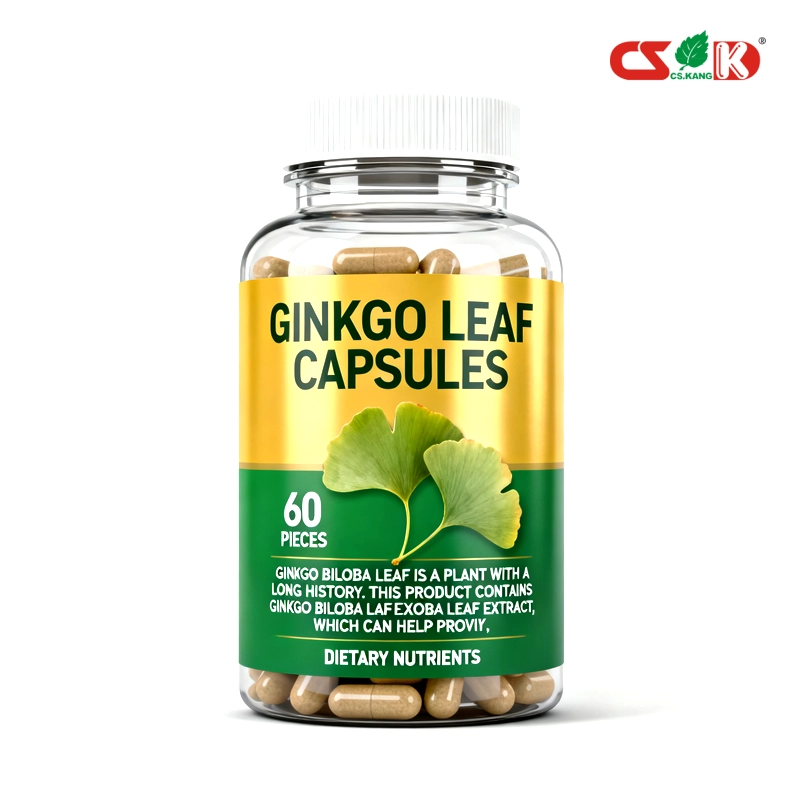
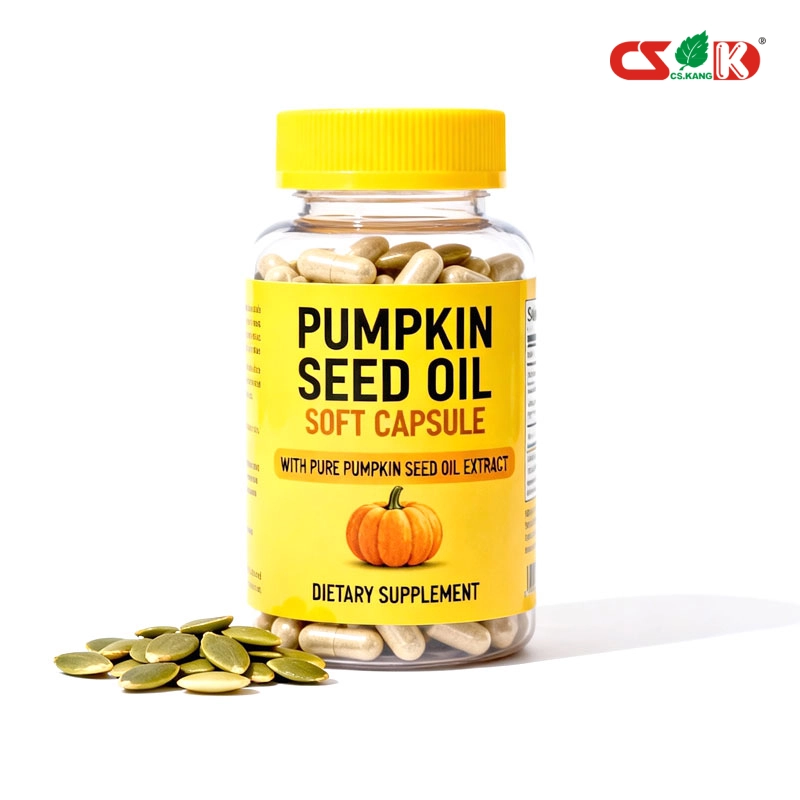
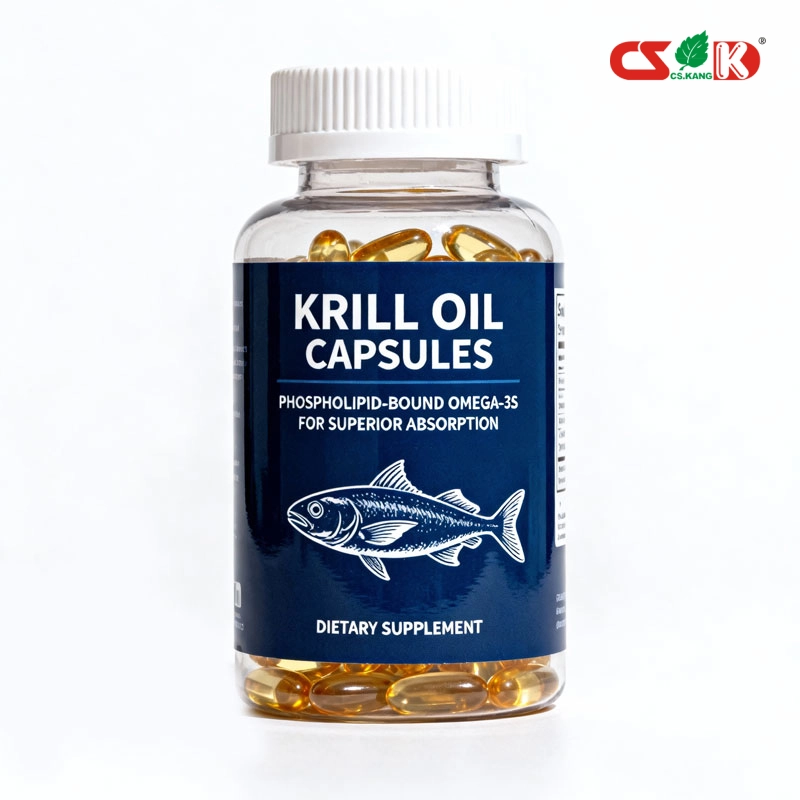
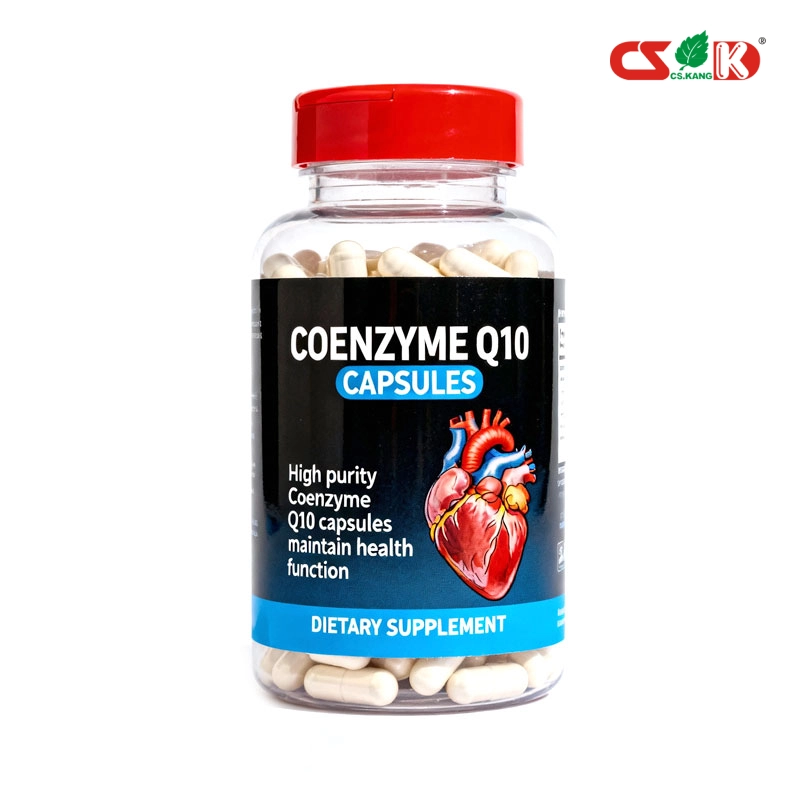
Explore our range of complementary dietary supplement products designed to meet diverse formulation and market needs. Each item is developed and manufactured with the same high-quality standards and expertise that define our dietary supplement contract manufacturing services, helping brands expand their product offerings efficiently and reliably.
Request a Quote for Dietary Supplement Contract Manufacturing
If you need CDMO services for health foods, nutritional supplements, or cosmetics, our team of experts is ready to provide you with customized solutions and quotes.


manufactoryinchina
CSK Biotech Dietary Supplements