
Supplement Import Certifications: Navigating Essential Compliance in 2026
What Are Supplement Import Certifications?
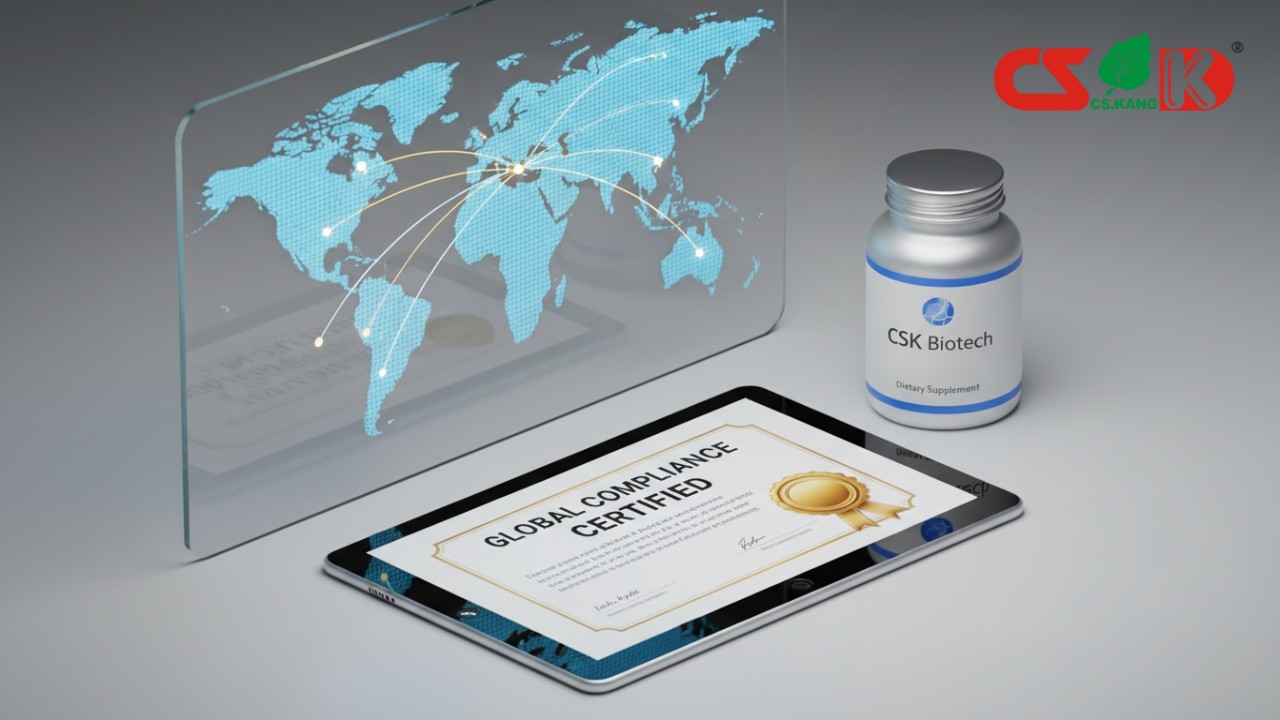
Supplement Import Certifications are mandatory regulatory approvals and documentation required by international customs authorities to verify that nutritional products entering a country meet stringent domestic safety, efficacy, and quality standards before they are cleared for commercial distribution.
Without proper oversight, a globalized supply chain presents massive risks of product adulteration, mislabeling, and chemical contamination. To combat this, agencies worldwide mandate that any foreign facility manufacturing dietary goods serves as a verifiable extension of domestic public health laws. When you attempt to move bulk supplements or finished products across borders, border control agents look for immediate, verifiable proof that your facility adheres to robust frameworks, such as Current Good Manufacturing Practices (cGMP). Failing to provide these active certifications results in immediate customs seizure, extensive supply chain delays, and the potential destruction of non-compliant goods.
Key benefits of maintaining proper documentation include:
- Faster Customs Clearance: Pre-certified shipments bypass standard red-tape delays and intensive border holds.
- Legal Protection: Proper paperwork insulates your brand from regulatory fines and civil liabilities.
- Consumer Trust: Verifiable safety records enhance brand reputation, market positioning, and direct sales velocity.
Quick Summary: Key Takeaways for Importers
The key takeaways for importing supplements require maintaining active foreign facility registrations, adjusting to the 2026 elimination of low-value shipping exemptions, and partnering with pre-certified global manufacturers to drastically reduce legal risks, border delays, and operational costs.
Sourcing nutritional products globally is a highly lucrative business model, but only if the underlying logistics are managed with precision. Understanding the rapidly shifting dynamics of global trade is no longer optional for brands hoping to scale. Authorities are shifting from random border checks to sophisticated electronic document auditing.
Crucial steps for modern importers include:
- Securing a U.S. Agent: Designating a domestic representative is a strict, non-negotiable prerequisite for US market entry.
- Tracking 2026 Trade Policies: Importers must immediately adapt to increased scrutiny on international shipments as historic tariff loopholes officially close this year.
- Vetting Manufacturing Partners: Choosing a cGMP certified supplement manufacturer eliminates the friction of proving production safety from scratch.
For a comprehensive look at how manufacturing standards directly influence your ability to import smoothly, review The Ultimate Guide to Supplement Manufacturing Quality Standards & Compliance.
US FDA Requirements: Mastering the Foreign Supplier Verification Program (FSVP)
The Foreign Supplier Verification Program (FSVP) is a strict US mandate requiring importers to verify that their foreign dietary supplement suppliers operate under safety protocols that provide the identical level of public health protection as domestic manufacturing requirements.
To achieve full FDA FSVP compliance, an importer must actively perform rigorous, risk-based verification activities. This means you cannot simply trust a supplier's word or marketing material; you must conduct hazard analyses and review their safety records thoroughly, as reported by the FAD.
Importers are also legally responsible for managing electronic customs prior notice dietary supplements filings. Before a shipment arrives at the port of entry, the FDA must be notified electronically with exact product details. Recent Import Alerts (such as Alert 99-49) prove that the FDA is cracking down heavily on chemical contaminants and unlabeled allergens, making flawless documentation more critical than ever.
Steps to ensure seamless FDA compliance:
- Register the Foreign Facility: Ensure your manufacturer is actively listed in the FDA database with a valid unique facility identifier.
- File Prior Notice: Submit detailed shipment data, including ingredient profiles, to the FDA before the cargo's arrival.
- Conduct Third-Party Testing: Provide independent laboratory results verifying the absolute absence of heavy metals, pesticides, and microbial growth.
Navigating the EU and UK Regulatory Labyrinth
Entering the European and UK markets requires passing rigorous safety evaluations, including EU novel food registration for ingredients without a history of consumption prior to 1997, alongside specific health certificates for products containing any animal-derived components.
The European Food Safety Authority (EFSA) maintains some of the strictest dietary and health regulations globally. If your supplement contains an innovative ingredient, or an exotic plant extract not consumed significantly in the EU before May 1997, it is legally classified as a "novel food," as reported by the European Commission.
Post-Brexit, the UK's Food Standards Agency (FSA) has split from the EU framework, creating a distinct, secondary set of standards. This divergence means brands must effectively prepare two separate regulatory dossiers if they plan to target both regions.
Key considerations for European and UK importation:
- Formula Reviews: EFSA dictates strict maximum tolerable limits for vitamins and minerals, which often differ significantly from US daily values.
- Health Claims: Any marketing claim on the product label must be pre-approved and listed on the EU Register of nutrition and health claims.
- Animal-Origin Products: Supplements utilizing whey protein, bovine gelatin, or marine collagen require authorized veterinary health certificates and rigorous border checks.
Regional Compliance Comparison Data
| Regulatory Body | Region | Key Pre-Market Requirement | Ingredient Focus |
|---|---|---|---|
| FDA | United States | Facility Registration & FSVP | Hazard Analysis & Process GMPs |
| EFSA | European Union | Novel Food Registration | Pre-1997 Consumption History |
| FSA | United Kingdom | UK Specific Labeling & Approvals | Strict Tolerable Upper Intake Levels |
Common Mistakes and Expert Tips for Importers
The most common importing mistake is assuming a freight broker handles legal compliance; ultimately, the importer bears full legal responsibility for product safety, making it critical to actively audit a manufacturer’s cGMP, HACCP, and ISO credentials.
Many emerging wellness brands mistakenly believe that hiring a large logistics company shields them from operational liability. This is legally incorrect. Customs and Border Protection (CBP) and equivalent international agencies will financially penalize the designated "Importer of Record" for any infractions, regardless of who packed the boxes.
To avoid costly shipment detentions and legal penalties:
- Tip 1: Demand Documentation Upfront. Never place a bulk order or sign a contract without seeing verified, current certificates from your manufacturing partner.
- Tip 2: Verify Labeling Rules. Labeling errors—such as missing mandatory dietary supplement disclaimers or improper font sizing—are the leading cause of seized shipments globally.
- Tip 3: Partner with Experts. Utilizing professional CDMO supplement manufacturing solutions guarantees that the formulation itself is thoroughly vetted and legally compliant before it ever reaches a shipping container.
The Hidden Costs of Certifications and Compliance
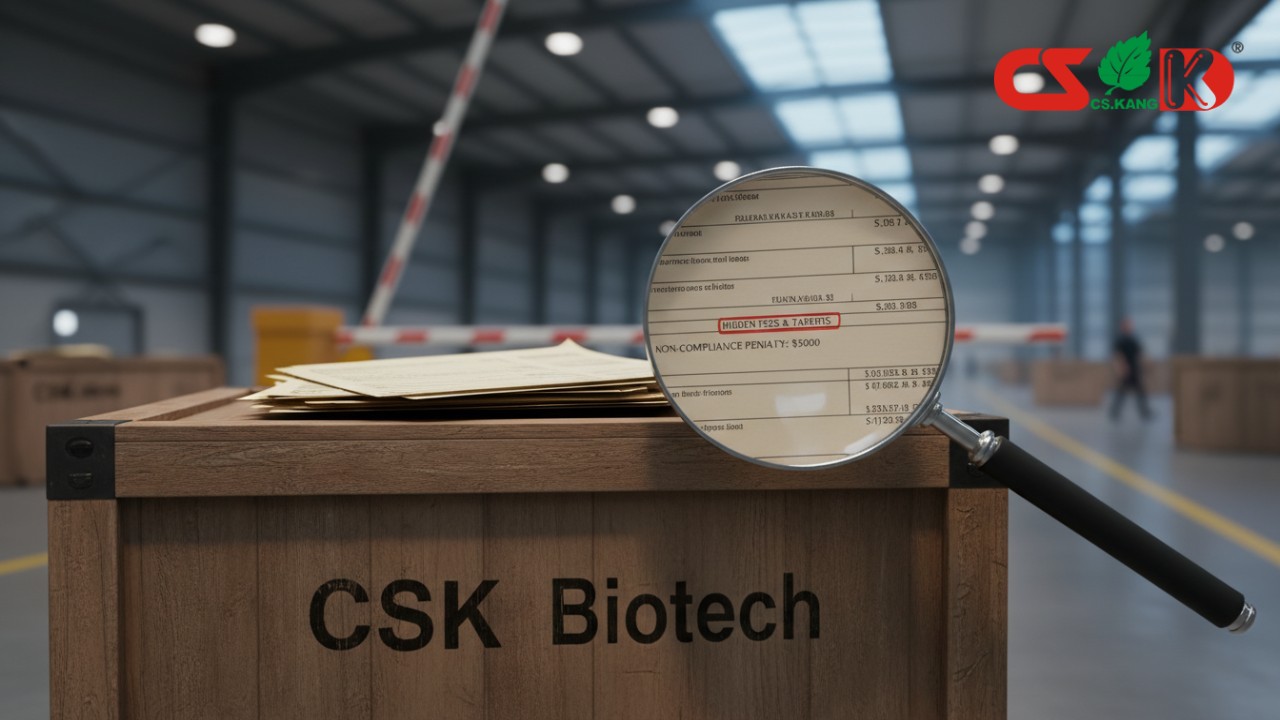
The hidden costs of supplement compliance extend far beyond basic shipping fees, heavily impacting brand budgets through mandatory third-party laboratory testing, continuous facility audits, specialized legal consulting, and extended capital lock-ups during routine customs holds.
Brands often calculate their profit margins based solely on raw material costs, packaging, and standard freight. However, the regulatory landscape introduces severe secondary financial burdens that can cripple cash flow if left unanticipated. If an unverified manufacturer is flagged, the brand absorbs all subsequent financial damage.
Hidden cost factors include:
- Audit Fees: Independent facility audits to prove GMP compliance can cost tens of thousands of dollars annually if your partner is not already certified.
- Consulting Retainers: Specialized FDA or EFSA legal consultants charge exceptionally high hourly rates simply to review formulas and labels.
- Storage Fees: If a shipment is flagged for inspection, daily port storage fees accrue rapidly while your capital is tied up in a bureaucratic limbo.
Brands can effectively neutralize these expenses by strategically partnering with a pre-certified global manufacturing partner whose baseline operations already absorb these expensive compliance costs.
Future-Proofing for 2026: The End of De Minimis and Stricter Oversight
The 2026 suspension of the de minimis exemption means that direct-to-consumer supplement shipments, regardless of low dollar value, are now fully subject to formal customs entry declarations, import duties, and rigorous ingredient-level regulatory scrutiny.
Historically, the de minimis rule allowed low-value packages (typically under $800) to bypass formal customs procedures and tariffs. As of 2026, this loophole has been fundamentally suspended, sending shockwaves through the direct-to-consumer e-commerce sector, as reported by the Ordoro Blog.
Border inspectors have shifted from random physical sampling to highly targeted, electronic ingredient-level oversight. Algorithms now actively scan manifests for non-compliant materials, and repeat offenders face immediate placement on customs red lists. To survive these modern logistical challenges, brands must abandon fragmented supply chains in favor of consolidated, highly documented import strategies backed by flawless manufacturing credentials.
Industry Leading Solution: Guaranteeing Compliance with CSK Biotech
Partnering with a globally certified CDMO like CSK Biotech eliminates import friction because our manufacturing facilities hold active GMPC, FDA, HACCP, and ISO certifications, automatically satisfying the baseline regulatory requirements of major international customs agencies.
Since our founding in 2008, CSK Biotech has dedicated itself to setting the absolute global standard for supplement quality. Overcoming cross-border hurdles is effortless when your products originate from a world-class environment. Our 2,000㎡ GMP-certified factory features seven advanced production lines capable of an annual capacity exceeding 4.5 billion softgels and 1.5 billion tablets.
Why global brands confidently choose CSK Biotech:
- End-to-End Solutions: We offer CDMO supplement manufacturing solutions that cover the entire product lifecycle—from formulation research and pilot testing to stability verification, regulatory registration, and marketing support.
- Flexible Cooperation: We provide ODM for market-oriented innovation, CDM for tailor-made designs, and OEM for precise, formula-based production.
- Diverse Formats: Our manufacturing expertise spans tablet supplements, softgels, capsules, powders, gummies, and liquid formulas, ensuring your catalog is diverse and globally compliant.
By anchoring your supply chain to CSK Biotech, you completely bypass the immense financial and operational burden of independent compliance validation. We do the heavy lifting so you can focus on scaling your brand.
Conclusion
Navigating the complexities of international supplement compliance is a demanding yet essential operational process that legally protects consumers and permanently secures your brand’s long-term commercial viability in heavily regulated global markets.
Securing the proper Supplement Import Certifications is not merely a bureaucratic hurdle; it is a foundational pillar of modern brand equity and risk management. As we move deeper into 2026, the tightening of global tariffs and the strict enforcement of safety protocols demand that brands operate with unprecedented transparency. Attempting to bypass these requirements will lead to inevitable supply chain collapse, costly fines, and reputational damage. However, by aligning with a fully certified, high-capacity manufacturing partner like CSK Biotech, brands can confidently scale their operations across borders, knowing every product is safe, thoroughly documented, and ready for market.
Contact us today to optimize your Supplement Import Certifications strategy.
FAQs About Supplement Import Certifications
These frequently asked questions address the most critical aspects of global compliance, from understanding FDA facility rules and navigating European safety frameworks to minimizing the financial impacts of the newly enforced 2026 international tariff and shipping regulations.
Do I need FDA approval to import dietary supplements?
Dietary supplements do not require pre-market approval by the FDA. However, the manufacturing facility must be registered with the FDA, and the importer must file Prior Notice before the shipment arrives at the port.
What is an FSVP importer?
An FSVP importer is the US owner or consignee of an imported food or supplement product. They are legally responsible for verifying that their foreign suppliers produce food in a manner that provides the same level of public health protection as US requirements.
How much does supplement certification cost?
Costs vary widely based on the specific certification (e.g., NSF, ISO, cGMP audits) and the size of the operation. Using a pre-certified CDMO like CSK Biotech can save brands tens of thousands of dollars in independent audit fees.
What happens if my imported supplements lack prior notice?
Failure to submit Prior Notice to the FDA will result in the shipment being detained or refused entry at the port. Repeated violations can lead to severe fines and your company being placed on an FDA Import Alert red list.
Can I import supplements containing animal ingredients into the EU?
Yes, but it is heavily regulated and requires specific EU model health certificates. Products of animal origin (POAO), like marine collagen or whey, must come from approved establishments and pass stringent veterinary checks.
How will the 2026 de minimis rule changes affect supplement imports?
The proposed elimination of the de minimis exemption means low-value shipments will no longer bypass customs scrutiny and tariffs. E-commerce brands will need to prepare formal entry documentation for virtually all international supplement shipments.
Why is cGMP certification critical for international manufacturers?
cGMP (Current Good Manufacturing Practice) ensures that products are consistently produced and controlled according to quality standards. It minimizes risks involved in production that cannot be eliminated through testing the final product, which is a core requirement for US and EU entry.
How does CSK Biotech help with import regulatory compliance?
CSK Biotech manufactures products in a GMPC, FDA, HACCP, and ISO-certified facility, inherently satisfying major baseline import standards. They also provide comprehensive documentation, formulation compliance reviews, and regulatory registration support to streamline customs clearance.
Latest Popular Articles


FAQ
文章
Do you accept international orders?
Yes. CSK Biotech works with global clients and has experience supporting brands in:
-
· North America
-
· Europe
-
· Asia-Pacific
-
· Middle East and other regions
We are familiar with international cooperation processes and export requirements.
What is your minimum order quantity (MOQ)?
MOQ depends on the dosage form, formula complexity, and packaging requirements. CSK Biotech offers flexible MOQs to support:
-
· Start-up brands
-
· New product launches
-
· Large-scale production orders
Please contact us for specific MOQ details.
How does the cooperation process work?
Our standard cooperation process includes:
-
1.Product consultation and requirement confirmation
-
2.Formula development or review
-
3.Sample production (if required)
-
4.Order confirmation and mass production
-
5.Quality inspection and packaging
-
6.Delivery
This structured process ensures efficiency and transparency.
Can CSK Biotech customize formulations?
Absolutely. We offer full formulation customization, including:
-
· Active ingredients selection
-
· Dosage optimization
-
· Flavor and taste adjustment
-
· Stability and bioavailability improvement
Our technical team ensures that each formula is safe, effective, and suitable for the target market.
What quality control measures do you have?
Our quality control system includes:
-
· Raw material inspection and verification
-
· In-process quality monitoring
-
· Finished product testing
-
· Batch record management and traceability
Quality and compliance are integrated into every stage of our manufacturing process.
Who is CSK Biotech?
CSK Biotech is a professional biotechnology company specializing in OEM/ODM contract manufacturing of dietary supplements. We provide customized production services for softgel capsules, hard capsules, tablets, powders, gummies, and liquid supplements, supporting global brands from formulation to finished products.
Related Products
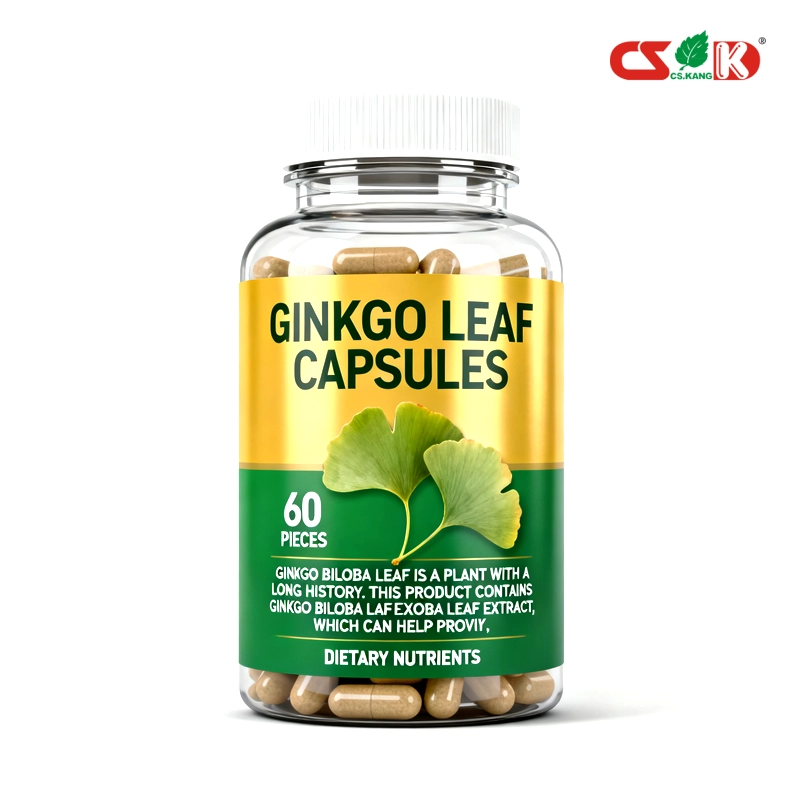
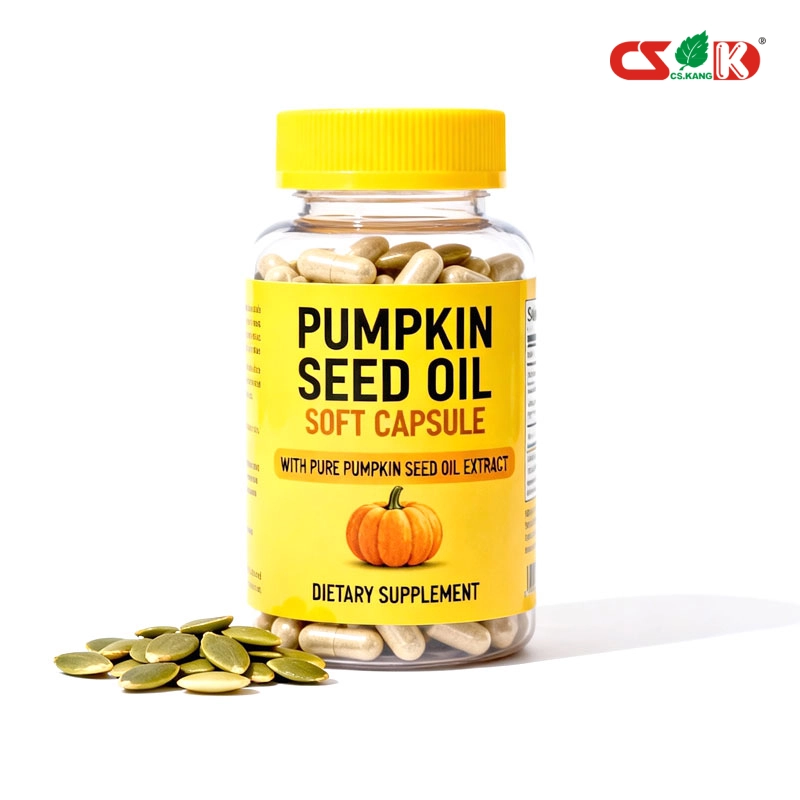
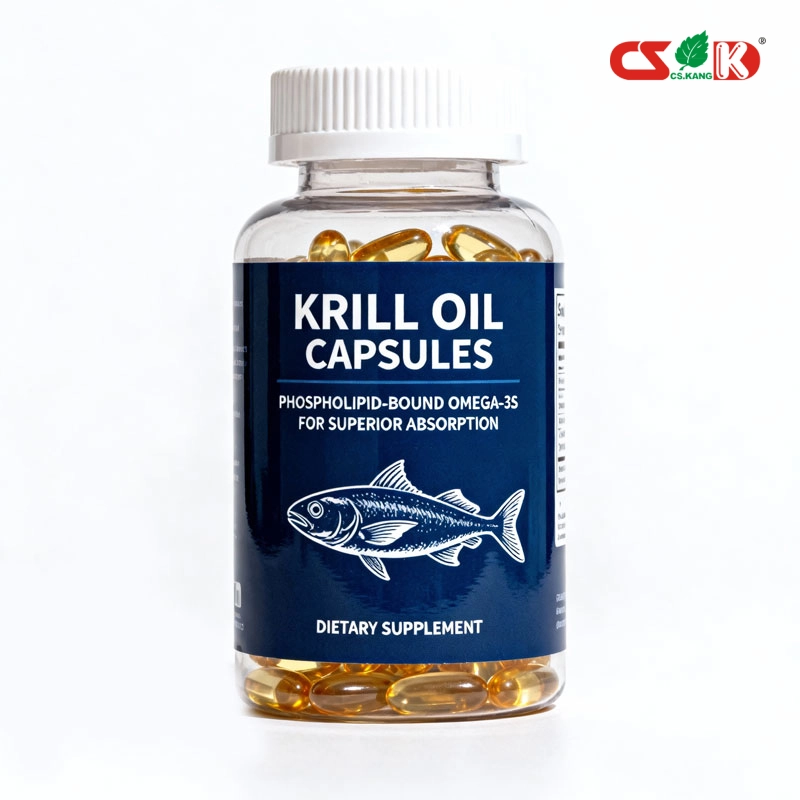
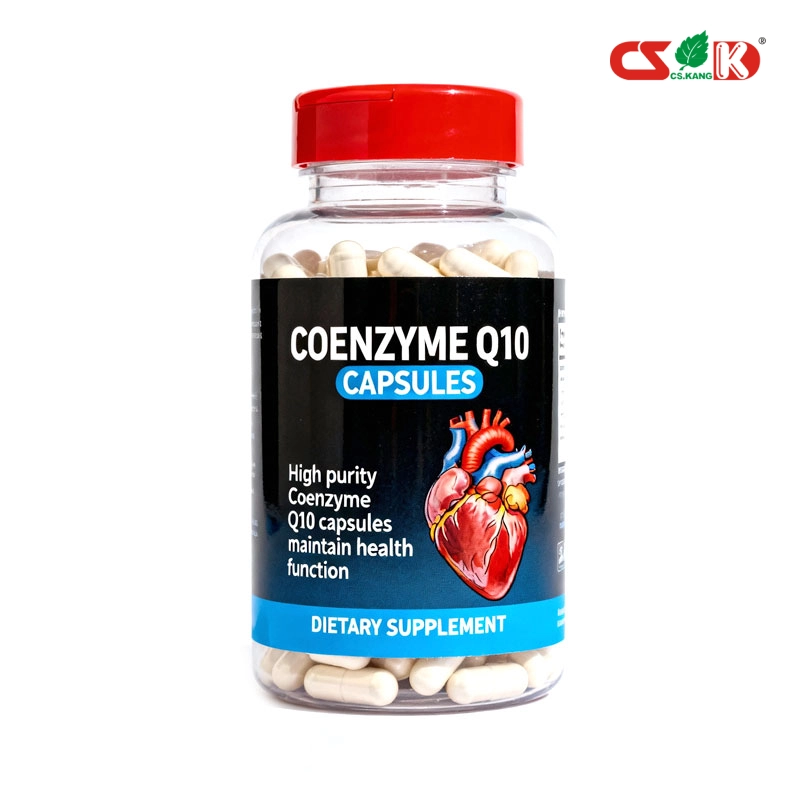
Explore our range of complementary dietary supplement products designed to meet diverse formulation and market needs. Each item is developed and manufactured with the same high-quality standards and expertise that define our dietary supplement contract manufacturing services, helping brands expand their product offerings efficiently and reliably.
Request a Quote for Dietary Supplement Contract Manufacturing
If you need CDMO services for health foods, nutritional supplements, or cosmetics, our team of experts is ready to provide you with customized solutions and quotes.


manufactoryinchina
CSK Biotech Dietary Supplements