
Supplement COA: Ensuring Purity in Every Manufacturing Batch (2026 Guide)
The dietary supplement industry is evolving rapidly, and the margin for error in product quality is practically zero. At the core of this quality assurance is the Supplement COA. As regulatory bodies and major marketplaces tighten their rules, obtaining a Supplement COA: Ensuring Purity in Every Manufacturing Batch is no longer just a best practice—it is an absolute legal requirement. Whether you are launching a new vitamin gummy or scaling up your softgel production, understanding the nuances of batch testing is the key to safeguarding your brand.
What is a Supplement COA?
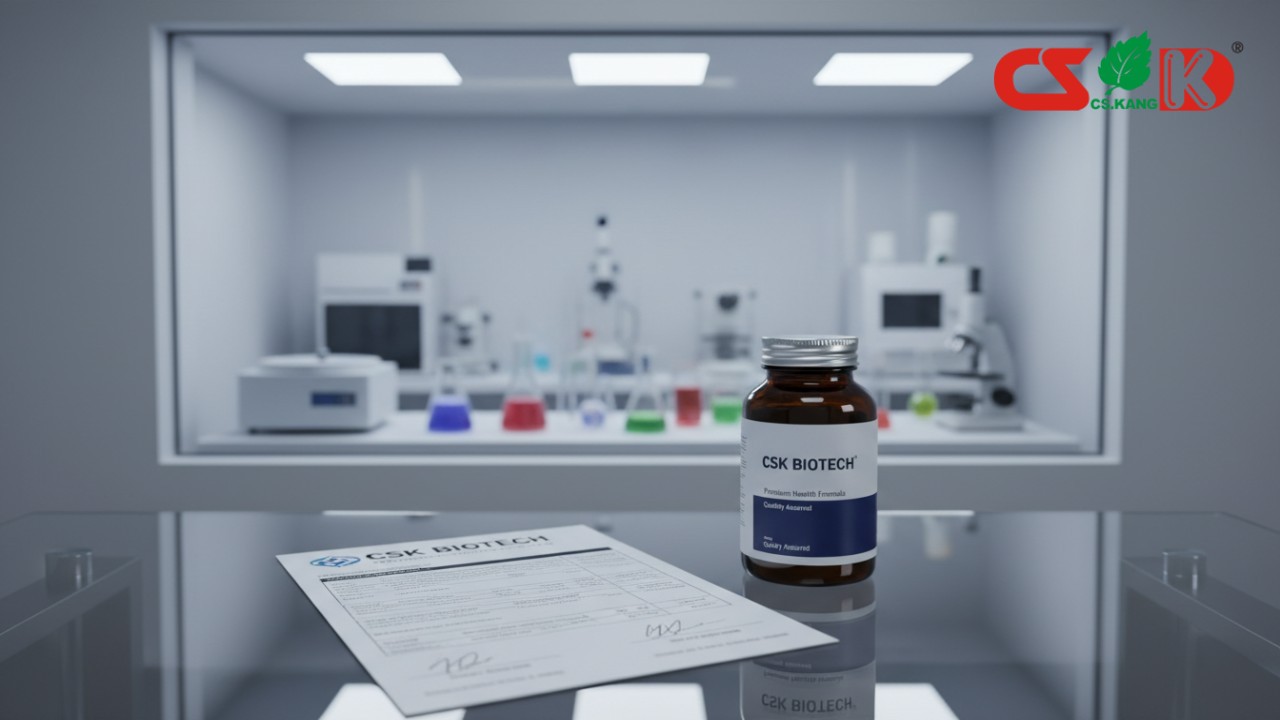
A Supplement Certificate of Analysis (COA) is an official laboratory document verifying that a specific batch of dietary supplements meets its established specifications. It confirms the identity, purity, potency, and safety of the ingredients before they reach the consumer.
This document acts as the ultimate safety net for both brands and consumers. By explicitly detailing the analytical results of a finished batch, the COA ensures absolute alignment with regulatory standards like the FDA's Current Good Manufacturing Practices (cGMP).
Key functions of a Supplement COA include:
- Legal Compliance: Proves adherence to strict federal regulations and marketplace policies.
- Verification of Label Claims: Assures consumers that the active ingredients listed on the bottle are present in the exact quantities stated.
- Safety Assurance: Confirms the complete absence of harmful contaminants, protecting the end-user from potential health risks.
Key Takeaways: Quick Summary of Supplement COAs
Understanding dietary supplement COA requirements means recognizing that these documents are mandatory for market entry, provide vital proof of label claims, protect brand reputation, and require expert manufacturing to execute correctly.
Brands must proactively integrate these requirements into their supply chain to avoid costly delays. If you are entering the market in 2026, here are the rapid-fire facts you need to know:
- Mandatory for Market Entry: You cannot sell supplements on major platforms like Amazon or in national retail chains without a verified, lab-issued Certificate of Analysis.
- Proves Label Claims: The document quantitatively measures active ingredients to ensure batch-to-batch consistency, proving product efficacy.
- Protects Brand Reputation: By screening for harmful contaminants such as heavy metals, pesticides, and microbiological pathogens, the COA shields your brand from disastrous product recalls.
- Requires Expert Manufacturing: Only partner with a highly vetted manufacturer who prioritizes rigorous Quality Assurance (QA) and Quality Control (QC) protocols throughout the production lifecycle.
Core Components: How to Read a Certificate of Analysis
Learning how to read a supplement certificate of analysis involves reviewing four main sections: header information, identity and potency testing, contaminant screening, and the comparison of established specifications versus actual test results.
For many brand owners, reading a lab document can feel like deciphering a foreign language. However, breaking it down into its core structural components simplifies the process:
- Header Information: This section establishes the basic traceability of the document. It must include the exact product name, the specific lot or batch number, the date of manufacture, and the credentials of the issuing analytical laboratory.
- Identity and Potency Testing: This details the precise scientific methods used (such as HPLC or ICP-MS) to verify the active ingredients against the label claims. It proves the product contains exactly what it promises.
- Contaminant Screening: Safety is paramount. This section outlines the acceptable safety limits and the actual testing results for dangerous heavy metals (lead, arsenic, cadmium, mercury) as well as microbial limits (E. coli, Salmonella, yeast, and mold).
- Specifications vs. Results: This is the most critical column of the entire document. It explicitly compares the acceptable analytical range (Specification) with the precise amount found in the tested sample (Result). If the result falls outside the specification, the batch fails.
Data Comparison: In-House vs. Third-Party COA
To further clarify testing dynamics, here is a breakdown of the two primary types of COAs in the industry:
| Feature | In-House Laboratory COA | Third-Party ISO-Accredited COA |
|---|---|---|
| Issuer | The manufacturer's internal QC department. | An independent, external testing laboratory. |
| Primary Use Case | Mid-production QA, preliminary release testing. | Final market release, marketplace compliance. |
| Bias Level | Potential for internal bias. | Completely objective and unbiased. |
| Marketplace Acceptance | Rarely accepted by strict platforms (e.g., Amazon). | Universally accepted, highly trusted by retailers. |
| Cost | Generally included in the manufacturing contract. | Requires additional fees per tested batch. |
The 2026 Regulatory Landscape: Amazon and FDA Compliance
Navigating Amazon supplement compliance 2026 requires sellers to obtain third-party verification from an ISO 17025 accredited laboratory, proving their products meet the stringent cGMP guidelines mandated by the FDA.
As we transition deeper into 2026, regulatory bodies are significantly tightening their oversight. The days of relying on "by input" claims—where a brand simply trusts the raw ingredient supplier's paperwork—are entirely over. Modern regulations demand comprehensive, quantitative analytical testing of the completely finished product.
- Amazon's Stricter Policies: As reported by authoritative industry testing bodies, Amazon now enforces a strict dietary supplement policy requiring all sellers to submit testing documentation from a third-party Testing, Inspection, and Certification (TIC) organization. Failure to provide this leads to immediate listing suppression.
- FDA Enforcement: Compliance with the FDA's Current Good Manufacturing Practice (cGMP), specifically outlined in 21 CFR Part 111, is being heavily audited. The FDA requires product specifications to be explicitly established and verified for every single finished batch.
- ISO 17025 Accreditation: According to standard bodies like the ANSI National Accreditation Board, testing results are only globally recognized if the analyzing laboratory holds current ISO/IEC 17025 accreditation.
Common Mistakes and Red Flags in Supplement COAs (Expert Tips)
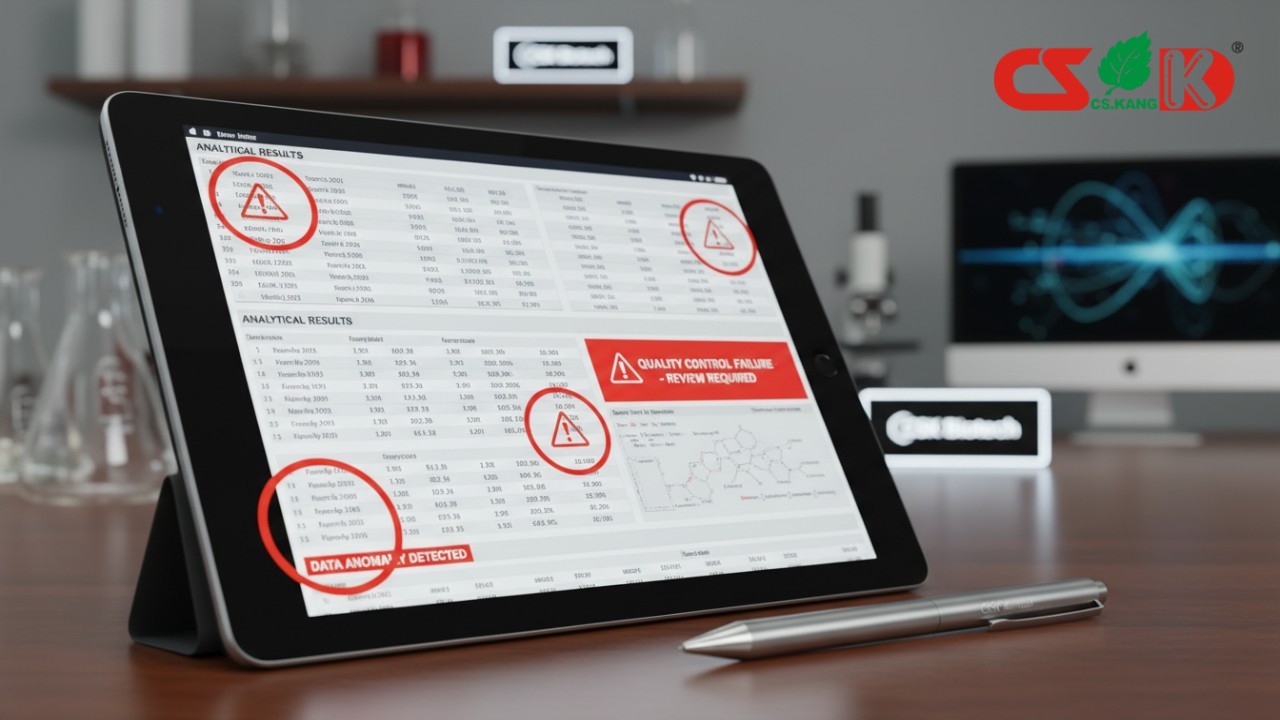
Identifying red flags in a COA is critical; common mistakes include missing testing methodologies, outdated lot numbers, over-reliance on uncertified in-house labs, and completely ignoring long-term stability testing.
Even minor documentation errors can lead to rejected inventory and blocked retail listings. Brand owners must meticulously review their laboratory documents for the following red flags:
- Missing or Vague Testing Methods: A valid COA cannot simply state "Pass." It must explicitly specify the exact scientific methodology used for the analytical testing (e.g., "Tested via USP <2021>").
- Outdated or Mismatched Lot Numbers: Traceability is the foundation of quality. You must ensure the COA perfectly matches the specific production batch number printed on the bottles you are selling.
- Over-reliance on In-House Uncertified Labs: While in-house testing is fantastic for mid-production quality assurance, final release COAs for platforms like Amazon require absolute validation from external, accredited environments.
- Ignoring Stability Testing: A COA represents a snapshot in time. Failing to account for ingredient degradation over the product's entire shelf life is a massive regulatory oversight.
The CDMO Perspective: Ensuring Purity Across Different Dosage Forms
Proper CDMO supplement quality control requires adapting analytical testing methods to fit complex delivery systems, ensuring that active ingredients in gummies, softgels, or powders are uniformly dispersed and accurately measured.
From a high-capacity manufacturing perspective, securing a passing COA is an incredibly complex engineering feat. It requires bridging the gap between initial R&D and the final packaging line.
- Matrix Complexities: Testing methodologies vary wildly depending on the delivery system. Isolating active vitamins within a sticky pectin gummy matrix is chemically vastly different—and much harder—than extracting them from a dry capsule powder.
- Proactive Pilot Testing: A high-quality Contract Development and Manufacturing Organization (CDMO) integrates COA validation directly into the formulation development stages, running pilot batches to ensure the recipe will pass third-party testing at scale.
- Preventing "Hot Spots": Robust mixing protocols and advanced, calibrated production lines are mandatory to ensure uniform dispersion of ingredients. This prevents disastrous COA failures caused by inconsistent "hot spots" of active ingredients in large liquid or tablet batches.
How CSK Biotech Guarantees Quality with Every Batch
Partnering with a GMP certified supplement manufacturing facility like Guangzhou Changshengkang Biotechnology Co., Ltd. (CSK Biotech) ensures that every product undergoes rigorous testing to meet the highest global COA standards.
When your brand's reputation is on the line, you need a manufacturing partner who engineers quality into every step of the process. Founded in 2008, CSK Biotech operates as a premier high-tech enterprise dedicated to the flawless manufacturing of dietary supplements.
- Unmatched Capacity: Operating out of a massive, GMP-certified 2,000㎡ factory equipped with seven highly advanced production lines, we confidently deliver an annual capacity exceeding 4.5 billion softgels and 1.5 billion tablets.
- Global Certifications: Our facility is strictly certified by GMPC, FDA, HACCP, and ISO, meaning our quality management systems are designed to effortlessly pass the most rigorous global audits.
- End-to-End Solutions: As a professional CDMO, we provide seamless ODM, CDM, and OEM cooperation models. Whether you are developing complex gummies, precise tablets, or liquid formulations, our dedicated R&D team ensures your custom formulation is perfectly optimized to pass strict third-party COA testing.
Conclusion
Understanding and securing an accurate Supplement COA is the absolute foundation of building a safe, compliant, and highly successful dietary supplement brand. As regulatory bodies and marketplace standards—especially Amazon's 2026 updates—continue to evolve and demand stricter analytical proof, the margin for error is shrinking rapidly. The most effective defense against compliance failures, rejected inventory, and brand damage is to proactively partner with an experienced, highly-certified manufacturer who understands the deep technicalities of batch testing. Contact us today at steve@cskbiotech.com to optimize your Supplement COA strategy and guarantee absolute purity in every batch.
FAQs About Supplement COA
What does COA stand for in supplements?
COA stands for Certificate of Analysis. It is a formal laboratory document that verifies the quality, purity, and potency of a dietary supplement batch before it is released to the consumer market.
Does Amazon require a COA for dietary supplements?
Yes, Amazon has exceptionally strict dietary supplement policies requiring sellers to submit a valid COA. As of the latest 2026 policy updates, the COA must typically be issued by an ISO 17025 accredited third-party laboratory to scientifically verify label claims and meticulously check for dangerous contaminants.
How long is a supplement COA valid?
A COA is tied directly to a specific batch or lot number, not an indefinite time period. Therefore, it remains valid only for the defined shelf-life or expiration date of that exact manufactured batch.
What is the difference between an in-house COA and a third-party COA?
An in-house COA is generated internally by the manufacturer's own quality control laboratory, which is great for production monitoring. A third-party COA is issued by an independent, accredited external laboratory, providing a completely unbiased, universally accepted verification of the product's quality.
What contaminants should a supplement COA test for?
A comprehensive COA screens for harmful heavy metals such as lead, mercury, cadmium, and arsenic. Furthermore, it tests for dangerous microbiological contaminants like E. coli, Salmonella, mold, and yeast to ensure complete consumer safety.
Can a manufacturer fake a Certificate of Analysis?
While it is technically possible for unscrupulous entities to forge documents, stringent marketplace audits and regulatory reviews usually catch these discrepancies quickly. Brands should thoroughly verify the lab's credentials and directly contact the issuing laboratory to confirm the COA's authenticity.
Do different dosage forms like gummies and tablets require different COA testing?
Yes, the analytical testing methods vary heavily based on the matrix of the supplement. For example, extracting and analyzing delicate vitamins from a sticky, complex gummy matrix requires entirely different chemical preparation techniques than testing a dry powder or pressed tablet.
How do I get a COA for my dietary supplement brand?
You must partner with a highly reputable CDMO, like CSK Biotech, that integrates comprehensive testing into their manufacturing process. Alternatively, you can send finished product samples of your specific batch directly to an independent, ISO 17025 accredited testing laboratory for formal analysis.
Latest Popular Articles


FAQ
文章
Who is CSK Biotech?
CSK Biotech is a professional biotechnology company specializing in OEM/ODM contract manufacturing of dietary supplements. We provide customized production services for softgel capsules, hard capsules, tablets, powders, gummies, and liquid supplements, supporting global brands from formulation to finished products.
Why choose CSK Biotech as your manufacturing partner?
Clients choose CSK Biotech because we offer:
-
· Comprehensive dosage form capabilities
-
· Strong customization and R&D support
-
· GMP-compliant manufacturing
-
· Reliable quality and stable supply
-
· One-stop OEM/ODM solutions
Can CSK Biotech customize formulations?
Absolutely. We offer full formulation customization, including:
-
· Active ingredients selection
-
· Dosage optimization
-
· Flavor and taste adjustment
-
· Stability and bioavailability improvement
Our technical team ensures that each formula is safe, effective, and suitable for the target market.
Can CSK Biotech assist with labeling and documentation?
Yes. We provide support for:
-
· Product labeling requirements
-
· Ingredient lists and specifications
-
· Basic regulatory documentation
This helps ensure smoother market entry and compliance with customer requirements.
Can you help with gummy supplement customization?
Yes. Custom gummy supplements are one of our core strengths. We offer:
-
· Gelatin or pectin-based gummies
-
· Sugar-free or low-sugar options
-
· Customized flavors, colors, shapes, and textures
Our gummies are developed with a focus on taste, stability, and consumer appeal.
How does the cooperation process work?
Our standard cooperation process includes:
-
1.Product consultation and requirement confirmation
-
2.Formula development or review
-
3.Sample production (if required)
-
4.Order confirmation and mass production
-
5.Quality inspection and packaging
-
6.Delivery
This structured process ensures efficiency and transparency.
Related Products
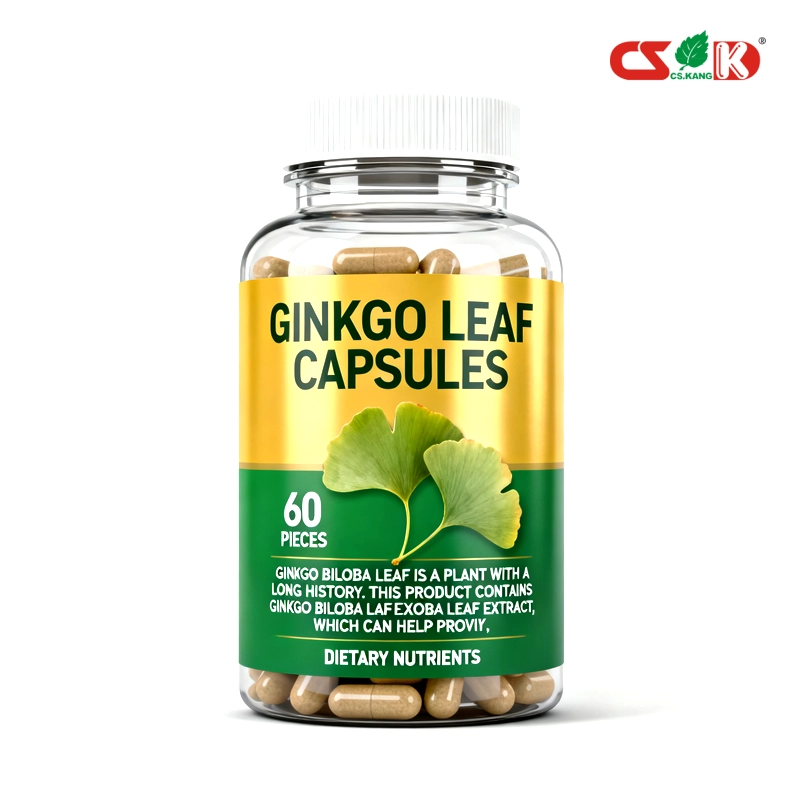
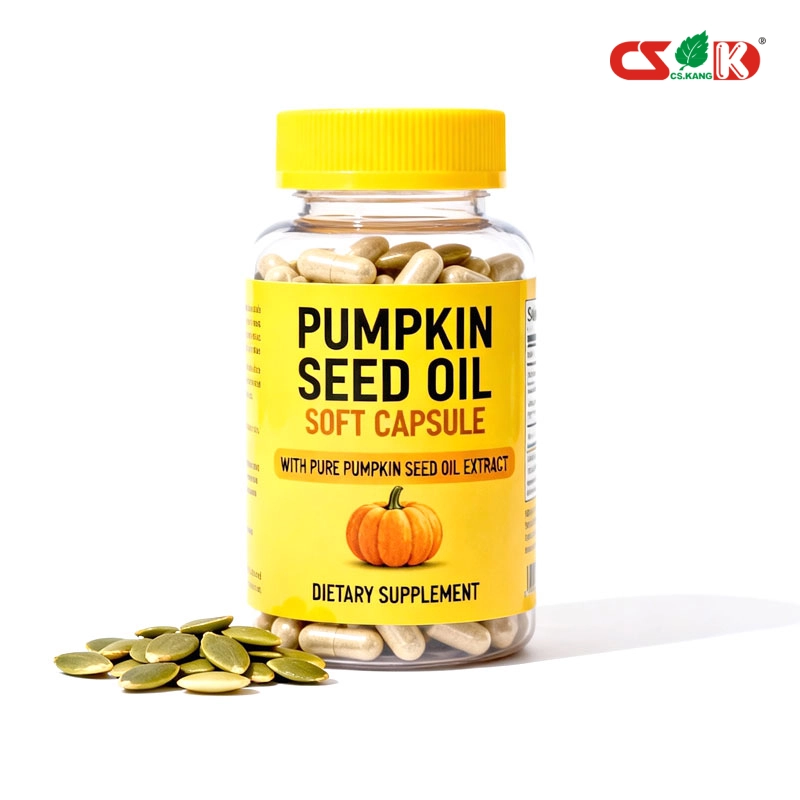
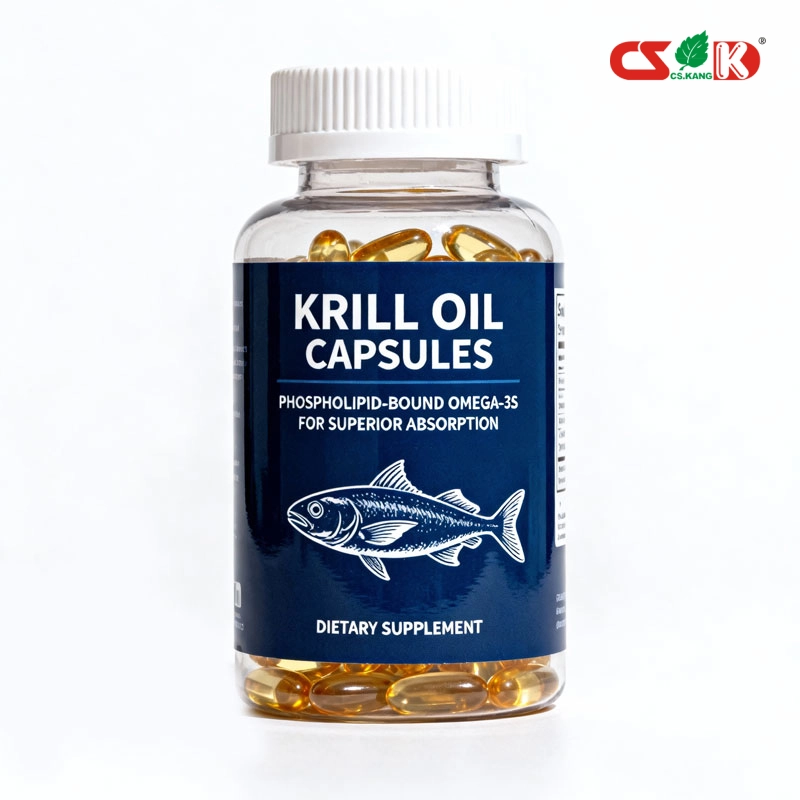
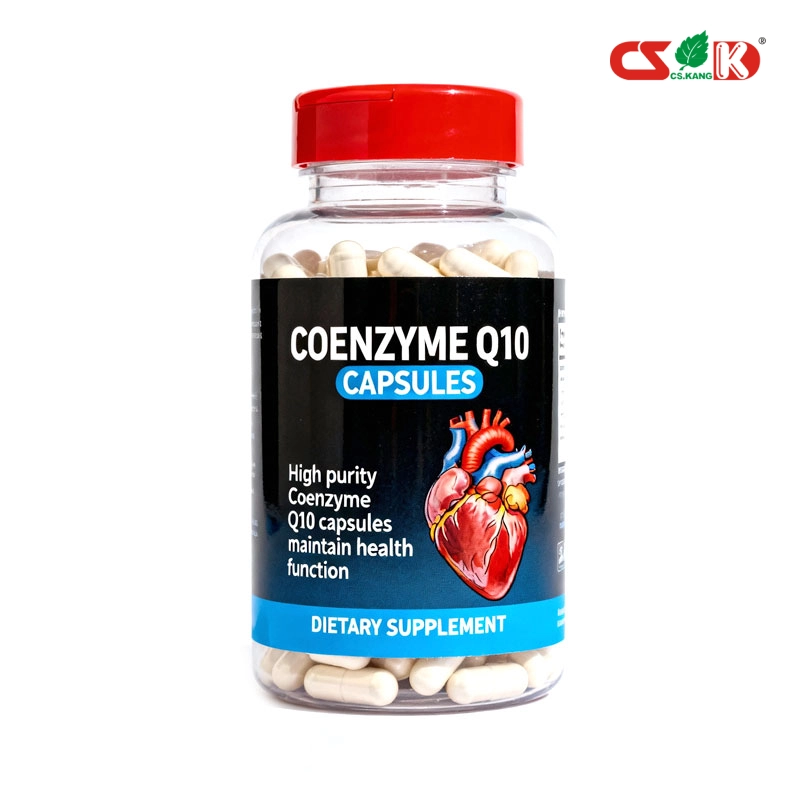
Explore our range of complementary dietary supplement products designed to meet diverse formulation and market needs. Each item is developed and manufactured with the same high-quality standards and expertise that define our dietary supplement contract manufacturing services, helping brands expand their product offerings efficiently and reliably.
Request a Quote for Dietary Supplement Contract Manufacturing
If you need CDMO services for health foods, nutritional supplements, or cosmetics, our team of experts is ready to provide you with customized solutions and quotes.


manufactoryinchina
CSK Biotech Dietary Supplements