
How to Reduce Risk in OEM Dietary Supplement Projects contract dietary supplement manufacturing
Introduction
OEM dietary supplement manufacturing allows brands to enter the market efficiently, but it also involves multiple risks related to compliance, quality control, supply chain stability, and project management. Without a structured approach, these risks can lead to delays, additional costs, or long-term brand challenges.
At CSK Biotech, we work with global partners on OEM and ODM dietary supplement projects, including softgel capsules, hard capsules, tablets, powders, gummies, and liquid supplements. Based on our experience supporting brands in the United States, European Union, Germany, and China, this article outlines key strategies to reduce risk throughout the OEM project lifecycle.
1. Prioritize Regulatory Compliance from the Start
Regulatory misalignment is one of the most common and costly risks in OEM dietary supplement projects.
Different markets apply different regulatory standards:
-
United States: FDA dietary supplement regulations and cGMP requirements
-
European Union / Germany: EFSA food supplement rules, ingredient eligibility, labeling structure
-
China: Export and import requirements for dietary supplements and health foods
Risk Reduction Strategy
-
Clearly define the target market(s) before formulation begins
-
Confirm ingredient regulatory status early
-
Align dosage form and labeling format with local regulations
Early regulatory planning prevents reformulation, relabeling, or market access delays later in the project.
2. Select an OEM Manufacturer with Multi-Dosage Capabilities
Relying on a manufacturer with limited dosage form capabilities can increase risk if technical or regulatory adjustments are required.
CSK Biotech supports:
-
Softgel capsules
-
Hard capsules
-
Tablets
-
Powders
-
Gummies
-
Liquid supplements
Risk Reduction Strategy
-
Choose a partner that can offer alternative dosage form solutions
-
Maintain flexibility in product format without restarting the entire development process
This approach helps brands adapt efficiently to market or compliance changes.
3. Establish Clear Quality Standards and Documentation Requirements
Quality risk extends beyond the finished product. Inadequate documentation can create issues during audits, customs clearance, or distributor onboarding.
Risk Reduction Strategy
Ensure your OEM partner provides:
-
GMP-compliant manufacturing records
-
Raw material traceability
-
Batch documentation
-
Shelf-life and stability evaluation support
Clear quality documentation supports long-term compliance and market credibility.
4. Reduce Supply Chain and Raw Material Risks
OEM dietary supplement projects depend heavily on raw material availability and consistency. Supply disruptions or quality variations can affect production schedules.
Risk Reduction Strategy
-
Work with manufacturers that use approved raw material supplier systems
-
Confirm raw material testing and qualification processes
-
Plan alternative sourcing or safety stock for key ingredients
A stable supply chain reduces production interruptions and cost fluctuations.
5. Align MOQ, Lead Time, and Scale-Up Planning
Unrealistic expectations around minimum order quantity (MOQ) or production timelines can increase financial and operational risk.
Risk Reduction Strategy
-
Align MOQ with market testing and inventory strategy
-
Confirm realistic lead times for each dosage form
-
Plan phased scale-up rather than one-time large-volume production
This controlled approach supports sustainable brand growth.
6. Define Roles, Responsibilities, and Communication Processes
Miscommunication is a frequent source of OEM project risk.
Risk Reduction Strategy
-
Clearly define responsibilities for formulation approval, packaging design, and labeling content
-
Establish milestone-based project management
-
Work with manufacturers that provide dedicated project coordination
Clear communication helps prevent misunderstandings and rework.
7. Evaluate Long-Term Partnership Stability
OEM manufacturing is rarely a one-time transaction. Long-term stability reduces risk over multiple production cycles.
Risk Reduction Strategy
-
Choose a manufacturer with proven export experience
-
Evaluate consistency in quality systems and production capacity
-
Prioritize partners focused on long-term collaboration rather than short-term output
Stable partnerships support consistent product supply and brand development.
Why CSK Biotech Helps Reduce OEM Project Risk
CSK Biotech provides integrated OEM and ODM dietary supplement manufacturing solutions designed to minimize operational and compliance risk:
-
Multiple dosage forms under one manufacturing system
-
GMP-compliant production facilities
-
Market-oriented formulation and packaging support
-
Experience serving the U.S., EU, Germany, and other global markets
-
Flexible MOQ and scalable production planning
Our approach focuses on risk control, transparency, and long-term reliability.
Start Your OEM Project with Confidence
Reducucing risk in OEM dietary supplement projects begins with informed planning and the right manufacturing partner.
If you are developing a private label or custom dietary supplement product, CSK Biotech is ready to support your project with compliant and reliable manufacturing solutions.
📩 Contact CSK Biotech to discuss your OEM or ODM requirements:
Email: steve@cskbiotech.com
Latest Popular Articles


FAQ
文章
What is your minimum order quantity (MOQ)?
MOQ depends on the dosage form, formula complexity, and packaging requirements. CSK Biotech offers flexible MOQs to support:
-
· Start-up brands
-
· New product launches
-
· Large-scale production orders
Please contact us for specific MOQ details.
Can CSK Biotech assist with labeling and documentation?
Yes. We provide support for:
-
· Product labeling requirements
-
· Ingredient lists and specifications
-
· Basic regulatory documentation
This helps ensure smoother market entry and compliance with customer requirements.
Who is CSK Biotech?
CSK Biotech is a professional biotechnology company specializing in OEM/ODM contract manufacturing of dietary supplements. We provide customized production services for softgel capsules, hard capsules, tablets, powders, gummies, and liquid supplements, supporting global brands from formulation to finished products.
What types of dosage forms does CSK Biotech manufacture?
We offer a full range of supplement dosage forms, including:
-
· Softgel capsules
-
· Hard capsules
-
· Tablets
-
· Powder supplements
-
· Gummy supplements
-
· Liquid supplements (drops, syrups, oral liquids)
This allows our clients to build a complete and diversified product line with one reliable manufacturing partner.
Does CSK Biotech provide OEM and ODM services?
Yes. CSK Biotech provides both OEM (Original Equipment Manufacturing) and ODM (Original Design Manufacturing) services.
-
OEM: Manufacturing based on your existing formula and specifications
-
ODM: Full product development including formulation, dosage form design, and production
Our R&D team works closely with clients to turn concepts into market-ready products.
How does the cooperation process work?
Our standard cooperation process includes:
-
1.Product consultation and requirement confirmation
-
2.Formula development or review
-
3.Sample production (if required)
-
4.Order confirmation and mass production
-
5.Quality inspection and packaging
-
6.Delivery
This structured process ensures efficiency and transparency.
Related Products
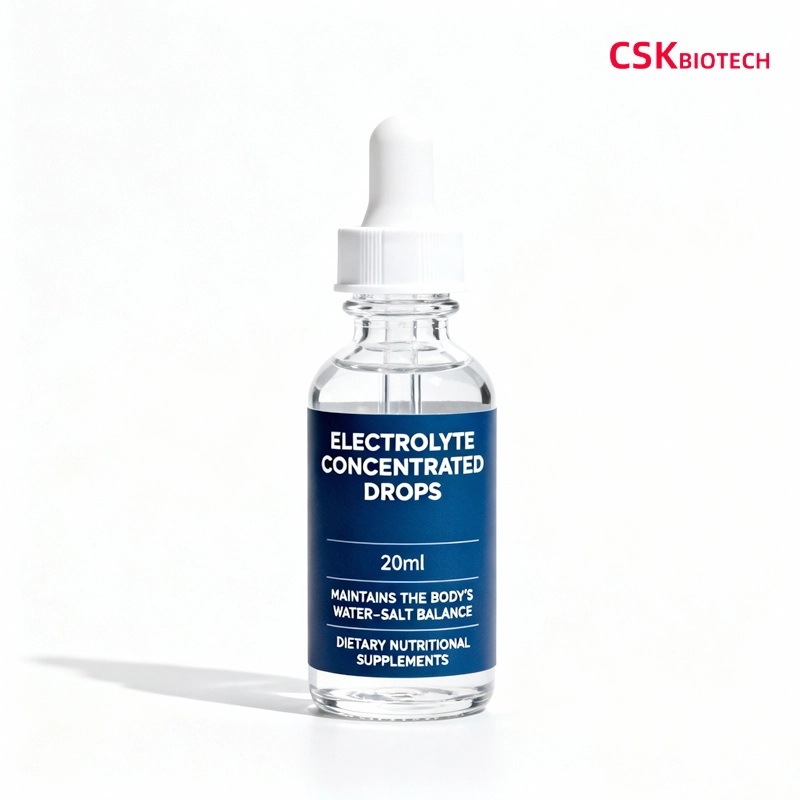
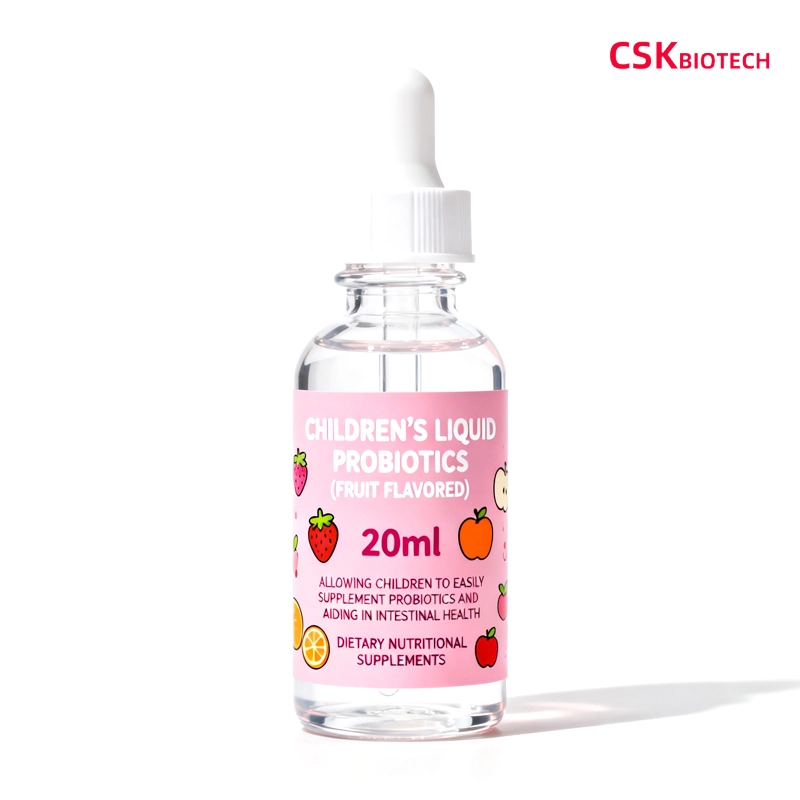
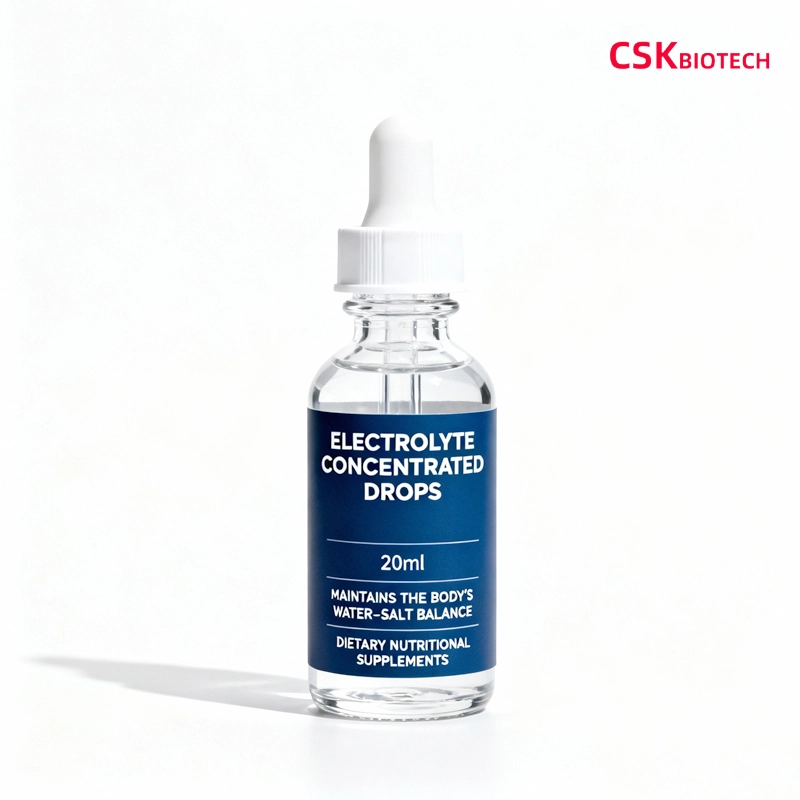
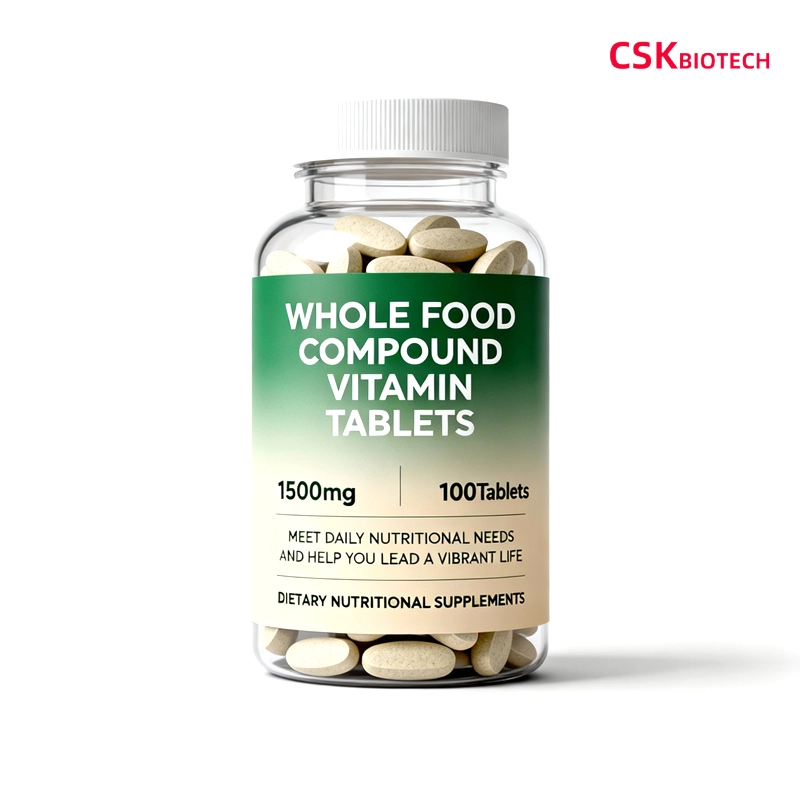
Explore our range of complementary dietary supplement products designed to meet diverse formulation and market needs. Each item is developed and manufactured with the same high-quality standards and expertise that define our dietary supplement contract manufacturing services, helping brands expand their product offerings efficiently and reliably.
Request a Quote for Dietary Supplement Contract Manufacturing
If you need CDMO services for health foods, nutritional supplements, or cosmetics, our team of experts is ready to provide you with customized solutions and quotes.

Contact


manufactoryinchina
CSK Biotech Dietary Supplements