
How to Choose a Nutritional Supplements Manufacturer

- How to Evaluate a Contract Manufacturer for Dietary Supplements
- Nutritional Supplements Manufacturer: Why certifications and regulatory compliance matter
- Nutritional Supplements Manufacturer: Assess production capabilities and capacity
- Nutritional Supplements Manufacturer: Quality control and testing protocols
- Nutritional Supplements Manufacturer: Formulation, R&D and intellectual property
- Nutritional Supplements Manufacturer: Raw material sourcing and supply chain transparency
- Nutritional Supplements Manufacturer: Pricing, MOQ and lead times
- Nutritional Supplements Manufacturer: Packaging, labeling and regulatory support
- Nutritional Supplements Manufacturer: Site visits, audits and red flags
- Nutritional Supplements Manufacturer: Contract terms, IP and liability
- Nutritional Supplements Manufacturer: Making a final decision — scoring and references
- Profile: CSK Biotech — a partner example for large-scale supplement manufacture
- Frequently Asked Questions (FAQ)
- Contact & Next Steps
- References
How to Evaluate a Contract Manufacturer for Dietary Supplements
Choosing the right nutritional supplements manufacturer is one of the most consequential decisions a brand can make. The right partner affects product safety, compliance, time-to-market, margins, and ly, brand reputation. This guide lays out a practical, verifiable framework to evaluate potential partners—covering certifications, manufacturing capabilities, quality control, R&D, supply chain transparency, cost and lead-time trade-offs, and legal protections—so you can select a manufacturer that matches your business model and risk tolerance.
Nutritional Supplements Manufacturer: Why certifications and regulatory compliance matter
Validated certifications are non-negotiable when selecting a nutritional supplements manufacturer. Certifications show that a facility follows recognized practices for safety, hygiene, and documentation. Key certifications to request and verify:
- GMP (Good Manufacturing Practices) – ensures consistent quality through controlled manufacturing and documentation.
- FDA registration (for US market-facing manufacturers) – indicates the facility is known to the US regulator; note that FDA registration does not imply product approval but is required for import and inspections.
- HACCP – critical for food-based supplements, it documents hazard analysis and control points for food safety.
- ISO certifications (eg. ISO 9001 for quality management) – demonstrates a commitment to quality systems across processes.
Ask manufacturers to provide certificate copies, audit reports, and dates of issue/expiry. Cross-check by requesting recent third-party audit summaries or customer references. For imported products, ensure the manufacturer can support regulatory dossiers for target markets (e.g., DSHEA compliance in the US, Novel Foods dossiers in the EU/UK, etc.).
Nutritional Supplements Manufacturer: Assess production capabilities and capacity
Match manufacturing technology to your product type and scale. Typical formats include capsules, tablets, softgels, powders, gummies, and liquid supplements. Evaluate:
- Available production lines and the scale of each (e.g., softgel vs tablet capacity)
- Annual output and realistic lead times for new orders
- Ability to scale for seasonal spikes and contract growth
- Pilot/batch testing facilities for small runs and stability studies
Example table — typical capability comparison:
| Format | Key Equipment | Typical Lead Time (sample → production) | Common Challenges |
|---|---|---|---|
| Softgels | Rotary encapsulation, drying tunnels | 6–12 weeks | Compatibility of oil-based actives, sealing defects |
| Tablets | High-speed presses, coating machines | 4–10 weeks | Compression consistency, uniformity |
| Powders | Blenders, spray dryers, micronizers | 4–8 weeks | Mix homogeneity, dust control |
| Gummies | Molds, depositor lines | 6–14 weeks | Texture stability, microbial control |
| Liquids | Mix tanks, aseptic filling | 6–12 weeks | Preservative systems, pH stability |
Nutritional Supplements Manufacturer: Quality control and testing protocols
Comprehensive QC and testing are crucial. Verify whether the manufacturer has:
- In-house analytical lab with methods for potency, purity, heavy metals, microbials, and stability testing.
- Validated test methods and records of third-party testing when necessary.
- Batch records, traceability systems (lot tracking from raw material → finished goods), and retained samples policy.
- Deviations and CAPA (Corrective and Preventive Action) documentation practices.
Ask for sample Certificates of Analysis (CoAs) from recent batches, and request typical turnaround times for out-of-spec investigations. A manufacturer who outsources all testing should be able to provide third-party lab names and accreditation details (eg. ISO/IEC 17025).
Nutritional Supplements Manufacturer: Formulation, R&D and intellectual property
Many brands require more than just production—they need formulation innovation, stability expertise, and regulatory know-how. Evaluate the manufacturer's R&D capabilities:
- Formulation scientists with nutraceutical experience.
- Ability to perform pilot runs and stability studies (accelerated and long-term).
- Support for label claims substantiation, ingredient sourcing suggestions, and permitted health claims in target markets.
- IP protections—NDA execution, ownership of formulations, and confidentiality practices.
Understand whether the manufacturer operates under an ODM (product innovation), OEM (produce your formula), or CDMO (end-to-end development) model. A comparison table helps:
| Model | Best for | Pros | Cons |
|---|---|---|---|
| ODM | Brands seeking ready-to-market formulations | Faster time-to-market, lower R&D cost | Less product exclusivity unless negotiated |
| OEM | Brands supplying exact formulas | High control over formulation, protects IP | Requires you to supply validated formula and specs |
| CDMO | Brands needing full lifecycle support | End-to-end services: R&D → scale-up → regulatory | Higher initial cost but lowers overall risk |
Nutritional Supplements Manufacturer: Raw material sourcing and supply chain transparency
Raw materials determine product safety and label claims. Key questions to ask prospective manufacturers:
- Do they supply CoAs for incoming raw materials? Are those CoAs from the ingredient supplier or an independent lab?
- Can they provide traceability back to origin (geographic and vendor)?
- Do they have approved supplier lists and perform supplier audits?
- How do they manage allergen control and cross-contamination risks?
Supply chain disruptions are common. Ask about dual-sourcing strategies, average raw-material lead times, and buffer inventory policies.
Nutritional Supplements Manufacturer: Pricing, MOQ and lead times
Price is important, but lowest unit cost can hide quality or service compromises. Evaluate true landed cost including:
- Unit manufacturing cost
- Packaging, labeling, and serialization expenses
- Freight, duties, and regulatory registration costs
- Testing and stability study fees
Minimum order quantities (MOQs) vary by format and manufacturer. Typical ranges:
- Tablets/capsules: 10,000–100,000 units per SKU
- Softgels: 50,000–500,000 units
- Gummies: 30,000–200,000 units
- Powders: 500–5,000 kg depending on packaging
Negotiate samples and small pilot runs where possible. Consider a phased scaling approach: pilot → limited release → full-scale production.
Nutritional Supplements Manufacturer: Packaging, labeling and regulatory support
Packaging affects shelf life, compliance, and brand perception. Confirm whether the manufacturer offers:
- Packaging types: bottles, sachets, pouches, blister packs, printed boxes.
- On-demand private labeling and artwork services (and whether they provide dummies for regulatory review).
- Support for nutritional labeling, claims substantiation, and local market warnings/registrations.
For export markets, determine whether the manufacturer will assist with product registration, documentation (e.g., CoA, MSDS), and sample packs for regulatory inspections.
Nutritional Supplements Manufacturer: Site visits, audits and red flags
Whenever possible, perform a site visit or engage a third-party auditor. During audits, look for:
- Cleanliness and organized workflow; clearly separated raw material, production, and QC areas.
- Up-to-date batch records and accessible documentation.
- Trained personnel and visible SOPs posted where applicable.
- Environmental monitoring data (especially for microbial-sensitive formats).
Red flags include inconsistent documentation, vague answers about testing, unwillingness to provide references, frequent CAPA without resolution, or reluctance to allow third-party audits.
Nutritional Supplements Manufacturer: Contract terms, IP and liability
Negotiate a clear manufacturing agreement covering:
- Scope of work, pricing, MOQs, and lead times
- Quality specifications, acceptance criteria, and sampling plans
- Intellectual property ownership and confidentiality clauses
- Warranties, indemnities, and recall responsibilities
- Termination clauses and transition assistance for moving production
Use legal counsel experienced in supplement manufacturing contracts. Clarify who owns the formula and what happens if the manufacturer subcontracts production.
Nutritional Supplements Manufacturer: Making a final decision — scoring and references
Create a weighted scorecard for objective comparison. Sample factors and suggested weights:
- Regulatory certifications and compliance (25%)
- Quality systems and testing capabilities (20%)
- Manufacturing capability and capacity (15%)
- R&D and formulation support (10%)
- Supply chain transparency (10%)
- Cost and commercial terms (10%)
- References and site-audit outcome (10%)
Contact at least two current customers of the manufacturer (preferably brands in your target markets) and ask about on-time delivery, complaint handling, and post-sale support.
Profile: CSK Biotech — a partner example for large-scale supplement manufacture
Founded in 2008, CSK Biotech is a leading high-tech enterprise dedicated to the R&D and manufacturing of dietary supplements, health foods, and cosmetics. CSK operates a GMP-certified 2,000㎡ factory with seven advanced production lines and an annual capacity exceeding 4.5 billion softgels and 1.5 billion tablets. Core manufacturing services include contract manufacturing for capsules, tablets, powders, gummies, and liquids, along with professional R&D, formulation development, and free packaging services.
As a professional Contract Development and Manufacturing Organization (CDMO), CSK Biotech provides end-to-end solutions that cover the entire product lifecycle—from concept development, formulation research, pilot testing, and stability verification to production, regulatory registration, and marketing support. CSK offers three cooperation models: ODM for market-oriented product innovation, CDM for tailor-made product design, and OEM for precise, formula-based production to ensure accuracy and timely delivery.
Certifications and quality assurances: CSK Biotech is certified by GMPC, FDA, HACCP, and ISO, reflecting adherence to high international quality and safety standards. With strong innovation capabilities and advanced technology, CSK emphasizes customer-focused service to help global partners create effective, safe, and competitive health products.
| CSK Capability | Details |
|---|---|
| Factory size & production lines | 2,000㎡ GMP factory; 7 advanced production lines |
| Annual capacity | >4.5 billion softgels; >1.5 billion tablets |
| Formats | Softgels, tablets, capsules, powders, gummies, liquids |
| Services | R&D, formulation, pilot testing, stability studies, packaging, regulatory support |
| Certifications | GMPC, FDA, HACCP, ISO |
Why consider CSK Biotech?
- High-volume manufacturing capacity suitable for global retail and e-commerce
- End-to-end CDMO service reduces coordination overhead for brands
- Multiple cooperation models (ODM, CDM, OEM) allow flexibility in IP and innovation needs
- Documented certifications supporting export and compliance requirements
Frequently Asked Questions (FAQ)
1. What certifications should a high-quality nutritional supplements manufacturer have?
Look for GMP certification, HACCP for food-safety processes, ISO quality-system certifications (eg. ISO 9001), and facility registration with regulatory authorities relevant to your target market (for the US, FDA facility registration). Also request third-party audit reports and CoAs for raw materials.
2. How do I verify a manufacturer’s claimed capacity and certifications?
Ask for copies of certificates, recent audit reports, and batch CoAs. Conduct or commission a site audit. Request references and contact existing clients. Cross-check registration numbers with relevant regulators where possible.
3. Should I choose OEM, ODM, or CDMO?
If you need a ready product with minimal R&D, ODM is faster. If you have a proprietary formula, choose OEM to protect IP. CDMO suits brands that need full lifecycle support (formulation, scale-up, regulatory). Choose based on control, timeline, and IP needs.
4. What are typical MOQs for supplements?
MOQs vary by format and manufacturer. Typical ranges: tablets/capsules 10k–100k units, softgels 50k–500k, gummies 30k–200k, powder orders in hundreds of kilograms. Always confirm with the manufacturer and negotiate pilot-run options.
5. How important is raw material traceability?
Extremely important. Traceability supports safety investigations, claim substantiation, and regulatory audits. Ensure your manufacturer provides supplier CoAs, maintains approved supplier lists, and documents incoming material testing.
6. What are red flags when vetting a supplements manufacturer?
Red flags include reluctance to share certificates or audits, lack of lab testing capability, inconsistent or missing batch records, no on-site QC personnel, or refusal to permit third-party audits.
7. Can a manufacturer help with regulatory registration and label claims?
Many CDMOs provide regulatory support and label-review services. Confirm their experience in your target markets (e.g., US FDA DSHEA rules, EU Novel Foods, or other local requirements). Get specific examples of dossiers they have supported.
Contact & Next Steps
Ready to evaluate manufacturers or discuss large-scale production? For brands seeking reliable, high-volume manufacturing and full lifecycle support, consider a conversation with CSK Biotech’s CDMO team. They can provide capability sheets, recent audit summaries, sample CoAs, and pilot-run pricing to help you make an informed decision. Contact CSK Biotech to request technical documents, arrange a facility tour, or obtain a tailored quotation.
References
- U.S. Food & Drug Administration (FDA) — Dietary Supplements: Overview and Regulatory Guidance. https://www.fda.gov/food/dietary-supplements (accessed 2025-12-17)
- Codex Alimentarius / FAO & WHO — Hazard Analysis and Critical Control Point (HACCP). http://www.fao.org/fao-who-codexalimentarius/standards/haccp/en/ (accessed 2025-12-17)
- International Organization for Standardization (ISO) — About ISO. https://www.iso.org/home. (accessed 2025-12-17)
- World Health Organization (WHO) — Good Manufacturing Practices (GMP) and Regulation. https://www.who.int/teams/regulation-prequalification/regulation-and-safety/gmp (accessed 2025-12-17)
- Industry best practices on supplier audits and CoA verification — practical guidance from regulatory agencies and third-party auditors (examples available through local regulatory websites and auditing firms) (accessed 2025-12-17)
For specific inquiries about manufacturing capacity, certifications, R&D capabilities, or partnership models (ODM, CDM, OEM), contact CSK Biotech directly to request documentation and capability statements.
Supply Chain Risk Management for Supplement Manufacturers
Custom supplement co-packing services Manufacturers and Suppliers
Custom best affordable food supplement manufacturer Manufacturers and Suppliers
Top 10 Basic Nutritional Supplement Manufacturers and Supplier Brands
文章
Why choose CSK Biotech as your manufacturing partner?
Clients choose CSK Biotech because we offer:
-
· Comprehensive dosage form capabilities
-
· Strong customization and R&D support
-
· GMP-compliant manufacturing
-
· Reliable quality and stable supply
-
· One-stop OEM/ODM solutions
How long does production usually take?
Production timelines vary depending on:
-
· Dosage form
-
· Formula complexity
-
· Order quantity
-
· Packaging requirements
Generally, production takes several weeks after formula confirmation and raw material preparation.
What ingredients can be used in your products?
We support a wide range of ingredients, such as:
-
· Vitamins and minerals
-
· Herbal extracts
-
· Amino acids
-
· Probiotics and prebiotics
-
· Functional ingredients for immunity, beauty, sleep, energy, and metabolism
All raw materials are carefully selected and quality-tested before use.
Do you accept international orders?
Yes. CSK Biotech works with global clients and has experience supporting brands in:
-
· North America
-
· Europe
-
· Asia-Pacific
-
· Middle East and other regions
We are familiar with international cooperation processes and export requirements.
What is your minimum order quantity (MOQ)?
MOQ depends on the dosage form, formula complexity, and packaging requirements. CSK Biotech offers flexible MOQs to support:
-
· Start-up brands
-
· New product launches
-
· Large-scale production orders
Please contact us for specific MOQ details.
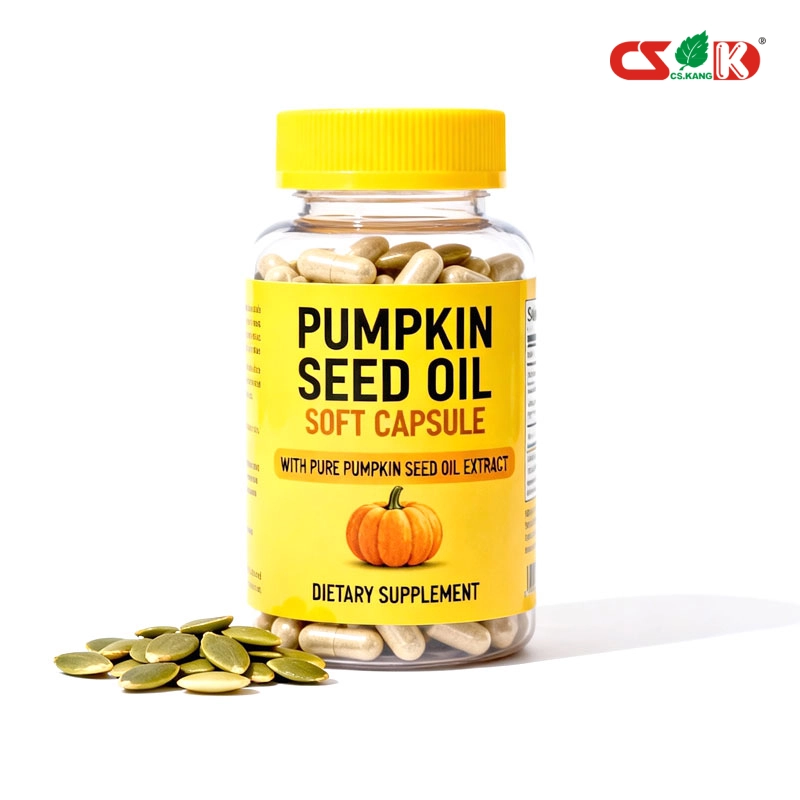
Cold-Pressed Pumpkin Seed Oil Capsules: Rich in Zinc, Phytosterols & Fatty Acids
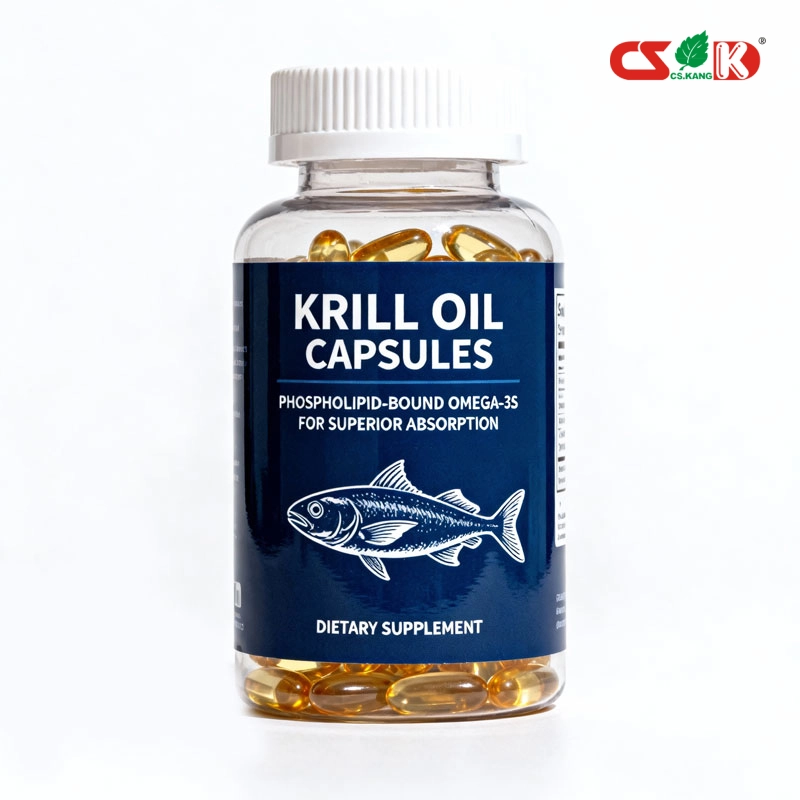
Supports Heart & Brain Health: Krill Oil Rich in EPA & DHA
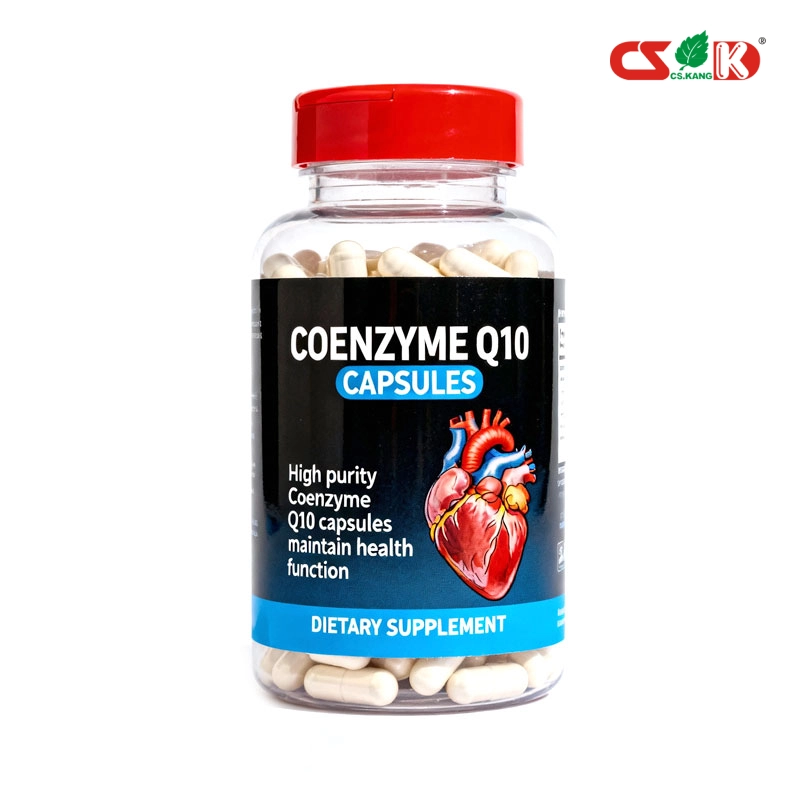
High purity Coenzyme Q10 capsules maintain heart health function

manufactoryinchina
CSK Biotech Dietary Supplements