
Supply Chain Risk Management for Supplement Manufacturers

- Mitigating Disruption: Practical Supply Chain Strategies for Supplement Makers
- Why supply chain risk management matters for a Nutritional Supplements Manufacturer
- Common supply chain risks facing a Nutritional Supplements Manufacturer
- Risk identification and prioritization for supplement manufacturers
- Supplier qualification and ongoing oversight: best practices for a Nutritional Supplements Manufacturer
- Inventory, capacity and sourcing strategies to reduce interruption risk
- Quality controls, traceability and regulatory alignment
- Logistics resilience and distribution planning for supplement manufacturers
- Financial and contract mechanisms that de-risk supply relationships
- Technology and data—how a Nutritional Supplements Manufacturer gains visibility
- Scenario planning and tabletop exercises
- KPIs and metrics: what to measure for effective SCRM
- Comparison table: mitigation options by risk type
- How contract manufacturing partnerships mitigate supply chain risk (role of a CDMO)
- CSK Biotech — a practical example of a partner that addresses supply chain and manufacturing needs
- CSK Biotech capabilities summary and competitive advantages
- Practical implementation roadmap for a Nutritional Supplements Manufacturer
- Cost vs. benefit: how to justify SCRM investments to senior management
- FAQ — Supply Chain Risk Management for Supplement Manufacturers
- 1. What are the first three actions a Nutritional Supplements Manufacturer should take to reduce supply chain risk?
- 2. How often should suppliers be audited or requalified?
- 3. Can a CDMO fully replace supply chain risk for a manufacturer?
- 4. What quality certifications should I require from suppliers and contract manufacturers?
- 5. How do I calculate safety stock for critical ingredients?
- 6. What role does traceability play in SCRM for supplements?
- Contact and next steps
- References
Mitigating Disruption: Practical Supply Chain Strategies for Supplement Makers
Why supply chain risk management matters for a Nutritional Supplements Manufacturer
For any Nutritional Supplements Manufacturer, supply chain risks translate quickly into product shortages, regulatory exposure, and damaged brand trust. Unlike many other consumer goods, dietary supplements are highly dependent on consistent ingredient quality, validated manufacturing processes, and traceable documentation to meet regulatory and market expectations. Supply chain risk management (SCRM) is therefore not a back-office exercise—it is central to product safety, commercial continuity, and regulatory compliance.
Common supply chain risks facing a Nutritional Supplements Manufacturer
Understanding the typical threat vectors is the first step. Key risks include:
- Raw-material quality variability or adulteration (contaminants, substitution)
- Single-source suppliers or geographic concentration causing disruption
- Logistics constraints (port congestion, freight rate spikes, lead-time variability)
- Regulatory changes across export/import markets
- Manufacturing capacity shortfalls during demand surges
- Data gaps causing poor traceability and slow recall response
Each risk requires different controls—technical, contractual, operational, or financial. The rest of the article explains how to build a layered SCRM approach tailored to a Nutritional Supplements Manufacturer.
Risk identification and prioritization for supplement manufacturers
Begin with a structured risk assessment. Use ISO 31000 principles to map likelihood vs. impact for each node: suppliers, inbound logistics, production, packaging, and distribution. Prioritize by (1) food safety/regulatory impact, (2) revenue impact, and (3) remediation cost.
- High priority example: active botanical extract sourced from a single overseas supplier with weak testing data.
- Medium priority example: packaging component with multiple suppliers but long lead times.
- Low priority example: non-critical office supplies.
Document findings in a risk register and update quarterly or after any disruption.
Supplier qualification and ongoing oversight: best practices for a Nutritional Supplements Manufacturer
Supplier qualification is the most effective way to reduce raw-material and compliance risk. A robust program includes:
- Technical dossier requirements (COA, traceability chain, allergen statements, heavy-metals testing)
- On-site audits or remote-audit alternatives depending on material risk
- Quality agreements specifying testing, change notification, and recall roles
- Periodic requalification and sample testing (identity, potency, microbiology)
Use tiering: Tier 1 suppliers (active ingredients) require the most stringent controls; Tier 3 suppliers (non-contact packaging) may have simplified checks.
Inventory, capacity and sourcing strategies to reduce interruption risk
Effective inventory policy balances working capital against stockout risk. Common strategies include:
- Safety stock based on supplier lead-time variability and forecast uncertainty
- Dual/multi-sourcing for critical ingredients to avoid single points of failure
- Strategic near-sourcing to shorten lead times for sensitive botanicals or perishable intermediates
- Capacity agreements with contract manufacturers to reserve production windows during peak seasons
Scenario analysis helps quantify the trade-offs. For example, a one-month increase in lead time might justify a three-month safety stock if the cost of lost sales exceeds carrying cost.
Quality controls, traceability and regulatory alignment
Quality systems for a Nutritional Supplements Manufacturer must support product safety and regulatory documentation. Key elements:
- Adhere to Current Good Manufacturing Practices for dietary supplements (e.g., US FDA cGMP for dietary supplements, 21 CFR Part 111)
- Implement batch-level traceability from raw-material lot to finished product
- Routine stability testing and retained sample policies
- Change-control and supplier-change notification procedures
These controls shorten investigation time after an adverse event and reduce regulatory risk.
Logistics resilience and distribution planning for supplement manufacturers
Transportation and customs delays often cause the most visible disruptions. Practical controls include:
- Use multiple freight lanes and alternate routings
- Maintain relationships with multiple 3PLs (temperature-controlled where required)
- Pre-clearance and documentation standardization to accelerate customs processing
- Monitor macro indicators—port dwell times, freight indices—to trigger contingency plans
Financial and contract mechanisms that de-risk supply relationships
Beyond operations, contracts and financial hedges stabilize supply. Consider:
- Longer-term supply agreements with volume commitments and price-review clauses
- Supplier performance KPIs and service-level credits for missed delivery targets
- Currency hedges or indexed pricing in volatile markets
- Insurance policies for contingent business interruption
Technology and data—how a Nutritional Supplements Manufacturer gains visibility
Real-time data is the engine of proactive SCRM. Useful systems and practices:
- ERP integrations with supplier portals and 3PLs for ETA and inventory sync
- Serialized lot numbers and QR codes for consumer-facing traceability
- Analytics for lead-time variability, on-time-in-full (OTIF), and supplier quality trends
- Digital document repositories for COAs, audits, and regulatory filings
Scenario planning and tabletop exercises
Operational readiness improves with practice. Run quarterly tabletop exercises simulating risks such as ingredient contamination, port closures, or sudden demand spikes. Include cross-functional stakeholders: procurement, quality, regulatory, production, sales, and legal. Exercises help refine playbooks for recalls, production reallocation, and customer communications.
KPIs and metrics: what to measure for effective SCRM
Track a balanced set of KPIs to monitor risk exposure and program effectiveness. Examples for a Nutritional Supplements Manufacturer include:
- Supplier quality rate (rejected lots per supplier)
- On-time-in-full (OTIF) for raw material deliveries
- Average supplier lead time and lead time variability
- Days of coverage (inventory) for critical ingredients
- Time-to-recall (from detection to consumer notice)
Comparison table: mitigation options by risk type
| Risk Type | Primary Controls | Operational Cost | Impact Reduction |
|---|---|---|---|
| Ingredient contamination | Supplier audits, COA testing, retained samples | Moderate | High |
| Supplier failure (capacity) | Dual-sourcing, capacity contracts | Moderate–High | High |
| Logistics delays | Multiple carriers, buffer inventory | Moderate | Medium |
| Regulatory change | Regulatory monitoring, flexible formulations | Low–Moderate | Medium |
How contract manufacturing partnerships mitigate supply chain risk (role of a CDMO)
Partnering with an experienced Contract Development and Manufacturing Organization (CDMO) helps many Nutritional Supplements Manufacturer teams shift fixed investments and operational risk. A CDMO can provide:
- Back-up manufacturing capacity without capital investment
- Regulatory and formulation expertise to accelerate market entry
- Established supplier networks and audited raw-material pipelines
- Packaging and logistic solutions integrated with production
When selecting a CDMO, verify manufacturing certifications, capacity claims, and service models (ODM, CDM, OEM) to ensure alignment with your business needs.
CSK Biotech — a practical example of a partner that addresses supply chain and manufacturing needs
Founded in 2008, CSK Biotech is a leading high-tech enterprise dedicated to the R&D and manufacturing of dietary supplements, health foods, and cosmetics. With a GMP-certified 2,000㎡ factory, seven advanced production lines, and an annual capacity exceeding 4.5 billion softgels and 1.5 billion tablets, CSK Biotech delivers high-quality, large-scale manufacturing solutions for global brands. Our core manufacturing services include contract manufacturing of capsules, tablets, powders, gummies, and liquids, and we also provide professional R&D, formulation development, and free packaging services.
As a professional Contract Development and Manufacturing Organization (CDMO), CSK Biotech provides end-to-end solutions that cover the entire product lifecycle—from concept development, formulation research, pilot testing, and stability verification to production, regulatory registration, and marketing support. We offer three cooperation models: ODM for market-oriented product innovation, CDM for tailor-made product design, and OEM for precise, formula-based production to ensure accuracy and timely delivery.
Certified by GMPC, FDA, HACCP, and ISO, CSK Biotech adheres to the highest international standards of quality and safety. With strong innovation capabilities, advanced technology, and a customer-focused approach, we are committed to helping global partners create effective, safe, and competitive health products that meet the growing demands of consumers worldwide.
CSK Biotech capabilities summary and competitive advantages
CSK Biotech’s main manufacturing strengths relevant to supply chain resilience include:
- Tablet supplements manufacture — validated tablet lines and stability testing
- Supplement manufacturing softgels — high-volume softgel capacity and encapsulation expertise
- Capsule supplement manufacturing — both hard-shell and soft capsules with stringent QC
- Liquid supplement contract manufacturing — aseptic processes and filling lines
- Powder supplement manufacturing — blending, micronization, and filling systems
- Gummy supplement manufacture — formulation and coating capabilities for consumer appeal
CSK’s differentiators are: audited supplier networks, transparent quality systems (COAs and retained samples), flexible cooperation models (ODM/CDM/OEM), and the scale to handle both niche and large-volume programs—features that materially reduce supply-side risk for partnering brands.
Practical implementation roadmap for a Nutritional Supplements Manufacturer
- Month 0–1: Conduct a supply-chain risk assessment and map critical suppliers.
- Month 1–3: Implement supplier tiering, update contracts, and define KPIs.
- Month 3–6: Build data integrations (ERP + supplier portals) and start preventive testing regimes.
- Month 6–12: Negotiate capacity arrangements or CDMO support; run tabletop scenarios.
- Ongoing: Quarterly review of risk register, KPI dashboard, and supplier requalification.
Cost vs. benefit: how to justify SCRM investments to senior management
Frame SCRM investments as insurance against revenue loss, regulatory fines, and reputational damage. Use scenario modeling to estimate expected annual loss (probability x impact) and show how controls reduce that loss. For most Nutritional Supplements Manufacturer businesses, modest investments in supplier qualification and inventory buffers have a rapid payback when they prevent even a single product shortage or recall.
FAQ — Supply Chain Risk Management for Supplement Manufacturers
1. What are the first three actions a Nutritional Supplements Manufacturer should take to reduce supply chain risk?
1) Conduct a risk mapping of suppliers and materials; 2) Implement supplier qualification with documented COAs and audit requirements for critical ingredients; 3) Establish safety-stock policies for critical materials and consider dual-sourcing.
2. How often should suppliers be audited or requalified?
High-risk suppliers should be audited annually where feasible; medium-risk suppliers every 18–24 months. If on-site audits are not possible, use remote audits, enhanced testing, and third-party lab verification.
3. Can a CDMO fully replace supply chain risk for a manufacturer?
A CDMO can significantly reduce manufacturing and regulatory risk by providing capacity, validated processes, and audited supply networks. However, strategic oversight remains with the brand owner—especially for ingredient selection, claims, and market-specific regulatory compliance.
4. What quality certifications should I require from suppliers and contract manufacturers?
Require relevant certifications such as GMP (or GMPC as applicable), HACCP, ISO 9001 (quality management), and registration records with local regulatory authorities (e.g., FDA facility registration for US market). For export markets, verify additional market-specific standards.
5. How do I calculate safety stock for critical ingredients?
Safety stock = z * σLT * average daily usage, where σLT is the standard deviation of lead time and z is the service-level factor. For practical purposes, use scenario-based buffers (e.g., 2–3x average lead time) for highly variable suppliers.
6. What role does traceability play in SCRM for supplements?
Traceability enables rapid root-cause analysis and targeted recalls, minimizing consumer risk and regulatory exposure. It also improves supplier accountability and speeds up customs clearance when documentation is complete and consistent.
Contact and next steps
If you are evaluating partners or need a tailored SCRM implementation plan, CSK Biotech can provide end-to-end support—from formulation development to scalable, compliant manufacturing. Contact CSK Biotech to discuss capacity, quality certifications, and cooperation models (ODM, CDM, OEM) that match your risk profile and go-to-market timeline.
References
- U.S. Food & Drug Administration — Dietary Supplements: https://www.fda.gov/food/dietary-supplements (Accessed 2025-12-20)
- U.S. FDA — Current Good Manufacturing Practices (cGMP) for Dietary Supplements: https://www.fda.gov/food/dietary-supplements/current-good-manufacturing-practices-cgmps-dietary-supplements (Accessed 2025-12-20)
- International Organization for Standardization — ISO 31000 Risk Management: https://www.iso.org/iso-31000-risk-management. (Accessed 2025-12-20)
- Codex Alimentarius — HACCP Principles: http://www.fao.org/fao-who-codexalimentarius/standards/haccp/en/ (Accessed 2025-12-20)
- World Trade Organization — COVID-19 and trade: https://www.wto.org/english/tratop_e/covid19_e/covid19_e.htm (Accessed 2025-12-20)
- ISO — ISO 9001 Quality Management: https://www.iso.org/iso-9001-quality-management. (Accessed 2025-12-20)
For further consultation or to request CSK Biotech’s capability brochure, contact our commercial team or visit our website.
How to Choose a GMP-Certified Food Supplement Manufacturer
Quality Certifications: GMP, FDA, and ISO for Softgel Makers
Custom best sports supplement manufacturer Manufacturers and Suppliers
Private Label Capsule Supplements: Turnkey Manufacturing Guide
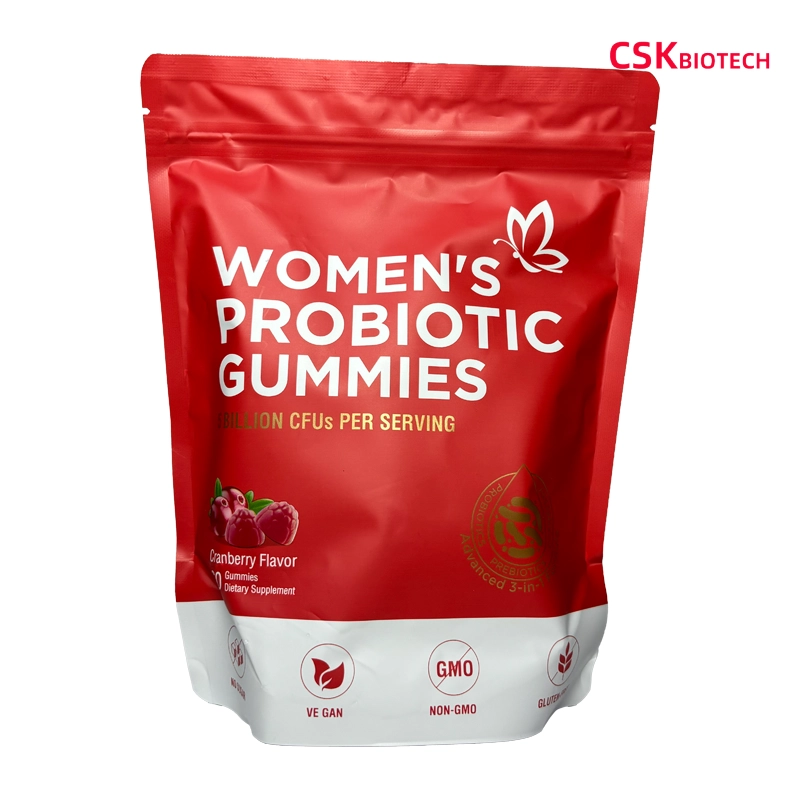
Women's Probiotic Gummies for Intimate & Digestive Wellness | Custom Gummy Manufacturing
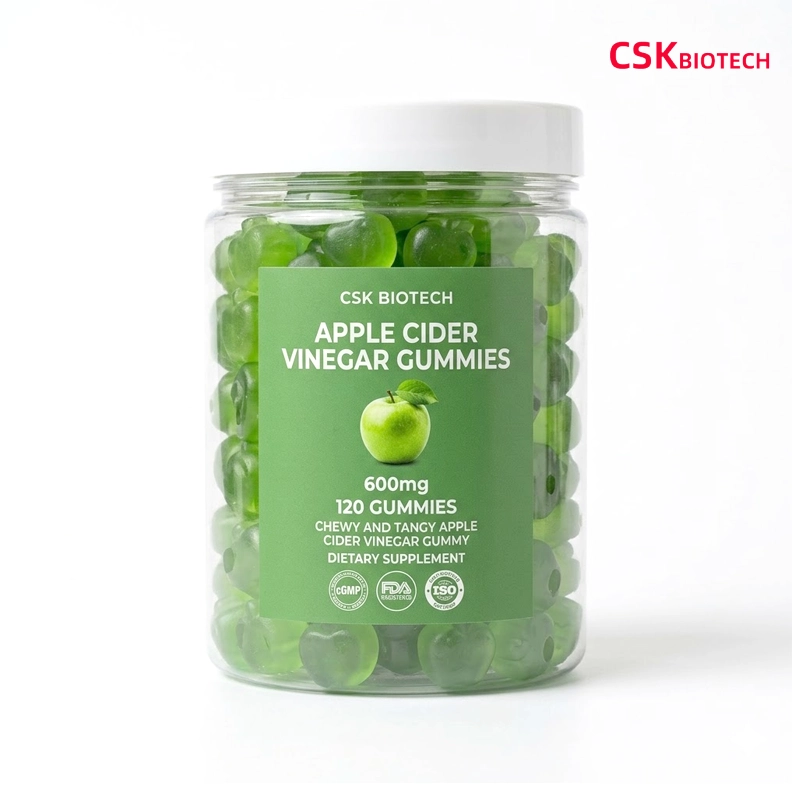
Apple Cider Vinegar Gummies with "The Mother" - Daily Wellness & Digestive Health Support, Apple Flavor - 120 Count
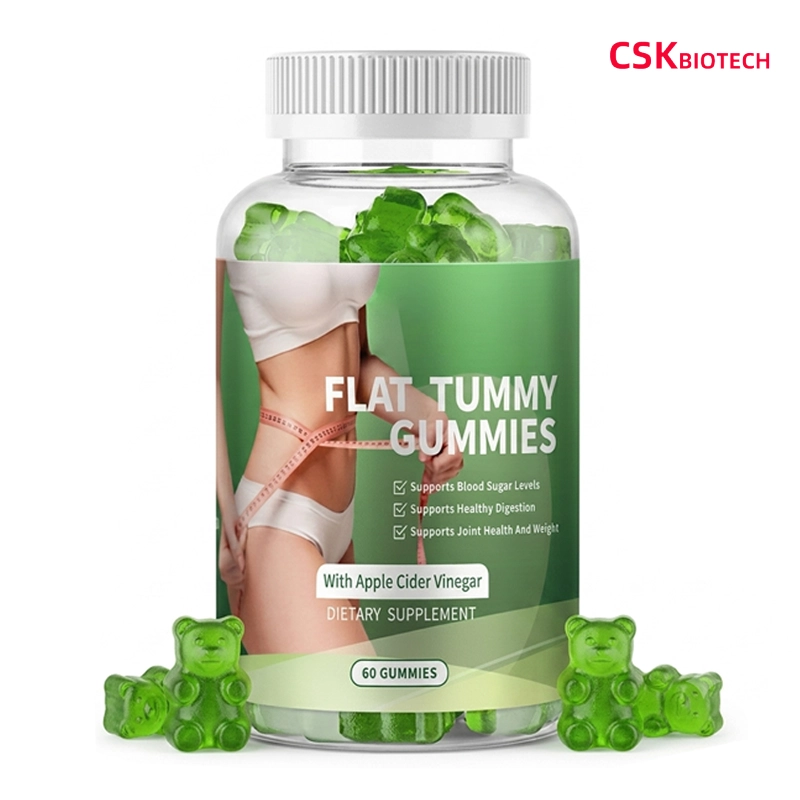
Apple Cider Vinegar Gummies for Digestive and Blood Sugar Support | Custom Gummy Manufacturing
Apple Cider Vinegar Gummies from CSK Biotech offer targeted digestive and blood sugar support in a convenient gummy form. Designed for custom gummy manufacturing, they ensure consistent quality and precise formulation to meet your product development needs.
Creatine Gummies Manufacturer for Custom Sports Nutrition Supplements
CSK Biotech manufactures creatine gummies with customizable creatine monohydrate dosage, flavors, textures, colors, bottle packaging, pouch packaging, and private label solutions. Designed for sports nutrition, fitness, and active lifestyle brands, our OEM/ODM service helps you develop market-ready creatine gummy supplements with reliable production and quality control.
Request a Quote for Dietary Supplement Contract Manufacturing
If you need CDMO services for health foods, nutritional supplements, or cosmetics, our team of experts is ready to provide you with customized solutions and quotes.


Contact


cskmanufacture
CSK Biotech Dietary Supplements
Guangzhou Changshengkang Biotechnology Co.,Ltd