

How do manufacturers scale production for growing orders?
Essential Insights for Liquid Dietary Supplement Manufacturers: Navigating Growth and Quality
The global market for liquid dietary supplements is experiencing robust growth, driven by consumer preferences for convenient, easy-to-absorb formulations. Valued at USD 45.1 billion in 2023, it is projected to expand at a compound annual growth rate (CAGR) of 8.9% from 2024 to 2030. This 'liquid gold rush' underscores the critical need for manufacturers to not only deliver high-quality products but also to scale production efficiently and sustainably to meet soaring demand. For procurement professionals and brand owners, understanding the nuances of liquid supplement manufacturing is paramount for successful partnerships and market leadership.
What are the Critical Factors in Choosing a Liquid Dietary Supplement Manufacturer?
Selecting the right manufacturing partner is fundamental to CSK Biotech's success. Key considerations go beyond mere cost:
- Formulation Expertise: Liquid supplements often require specialized knowledge in areas like ingredient solubility, stability, taste masking, and preservative systems. An experienced manufacturer can help optimize your formula for efficacy, palatability, and shelf-life.
- Robust Quality Management System (QMS): Non-negotiable is adherence to current Good Manufacturing Practices (cGMP), specifically FDA 21 CFR Part 111 for dietary supplements. Look for facilities with ISO certifications (e.g., ISO 22000), stringent testing protocols (raw material, in-process, finished product), and third-party certifications (e.g., NSF, USP).
- Production Capacity and Flexibility: Assess their current production capabilities and their readiness to scale. Do they utilize advanced automation? Can they handle various batch sizes and packaging formats?
- Reliable Supply Chain Management: A strong manufacturer will have established relationships with qualified raw material suppliers, ensuring consistent quality and availability, even amidst global supply chain fluctuations.
- Regulatory Compliance Expertise: The manufacturer should demonstrate a deep understanding of not only domestic (FDA) but also relevant international regulations if you plan to expand globally.
How Do Liquid Dietary Supplement Manufacturers Ensure Product Quality, Safety, and Compliance?
Maintaining the highest standards of quality and safety is paramount, particularly for ingestible products. Manufacturers achieve this through a multi-faceted approach:
- Strict cGMP Adherence: This forms the bedrock of operations, encompassing detailed Standard Operating Procedures (SOPs), thorough documentation, and rigorous training for all personnel.
- Comprehensive Raw Material Qualification: All incoming raw materials undergo identity, purity, strength, and composition testing. Supplier audits and qualification programs ensure consistent quality from the source.
- In-Process Controls: Throughout the blending and filling process, critical parameters like pH, specific gravity, viscosity, and organoleptic properties are monitored and adjusted to maintain batch consistency.
- Finished Product Testing: Every batch of finished product is subjected to extensive testing for potency of active ingredients, absence of microbial contaminants (bacteria, yeast, mold), heavy metals (lead, mercury, cadmium, arsenic), allergens, and residual solvents.
- Stability Testing: Both accelerated and real-time stability studies are conducted to determine and validate the product's shelf-life under various environmental conditions, ensuring efficacy and safety through to the expiration date.
- Third-Party Certifications: Voluntary certifications from organizations like NSF International or USP (U.S. Pharmacopeia) provide an extra layer of assurance regarding product quality and label claims.
What Specific Challenges Does Liquid Supplement Manufacturing Present, and How Are They Addressed?
Liquid formulations, while popular, come with unique manufacturing complexities that require specialized solutions:
- Ingredient Stability: Active ingredients in a liquid matrix are more susceptible to degradation from oxidation, hydrolysis, light, or temperature fluctuations. Manufacturers mitigate this through careful formulation (e.g., pH control, use of antioxidants, chelating agents), specialized packaging (e.g., amber glass, opaque plastic), and controlled storage environments.
- Microbial Contamination: The water activity in liquid products makes them prone to microbial growth. This is addressed by maintaining highly sterile manufacturing environments (often ISO-classified cleanrooms), employing effective preservative systems (while ensuring consumer safety), and rigorous sanitation protocols for equipment.
- Dose Accuracy & Uniformity: Ensuring that each dose contains the precise amount of active ingredients throughout a large batch requires advanced blending technology and highly accurate, calibrated filling machines. In-process analytical testing verifies uniformity.
- Taste Masking & Palatability: Many beneficial ingredients have strong or unpleasant tastes. Expert formulators use sophisticated flavoring agents, sweeteners, and encapsulation technologies to create palatable products without compromising efficacy.
- Packaging Integrity: Liquid products demand specific packaging solutions to prevent leaks, oxidation, and ingredient degradation. This includes selecting appropriate bottle materials, induction sealing, child-resistant closures, and ensuring tamper-evident features.
How Do Manufacturers Effectively Scale Production to Meet Growing Demand for Liquid Supplements?
Scaling production while maintaining quality is a critical differentiator. Successful strategies include:
- Automation and Advanced Technology Investment: High-speed automated filling, capping, and labeling lines significantly increase throughput and reduce labor costs, allowing for consistent output at higher volumes. Modern Programmable Logic Controllers (PLCs) and Supervisory Control and Data Acquisition (SCADA) systems improve process control and data collection.
- Modular Facility Design: Designing manufacturing facilities with modular equipment and flexible layouts allows for easier expansion and adaptation to new product lines or increased demand without requiring complete overhauls. This enables efficient utilization of space and resources.
- Optimized Supply Chain Management: Establishing redundant supply chains, diversifying raw material suppliers, and implementing robust inventory management systems (e.g., demand forecasting software) ensures a consistent flow of materials, preventing costly production delays.
- Process Optimization (Lean Manufacturing Principles): Continuously evaluating and refining manufacturing processes to eliminate waste, reduce bottlenecks, and improve efficiency. This includes optimizing batch sizes, reducing changeover times, and implementing continuous improvement methodologies.
- Strategic Workforce Planning & Training: Developing a skilled workforce capable of operating advanced machinery and adhering to complex SOPs. This includes cross-training and the implementation of multi-shift operations to maximize equipment utilization.
What Are the Key Trends and Innovations Shaping the Liquid Dietary Supplement Market?
The liquid supplement market is dynamic, influenced by evolving consumer preferences and scientific advancements:
- Personalization: There's a growing demand for custom formulations tailored to individual health needs, often driven by genetic testing or lifestyle assessments. This requires flexible manufacturing capabilities.
- Sustainable Packaging Solutions: Consumers are increasingly seeking eco-friendly options. Manufacturers are responding with recyclable, biodegradable, or refillable packaging, and minimizing plastic usage to reduce environmental impact.
- Functional Ingredients & Targeted Benefits: Beyond basic vitamins, there's a surge in demand for liquid supplements containing adaptogens (e.g., ashwagandha), nootropics (e.g., lion's mane), postbiotics, and specialized botanical extracts for targeted benefits like stress relief, cognitive function, and immune support.
- Alternative Delivery Formats: While traditional bottles remain popular, innovations include convenient sprays, concentrated drops, single-serve sachets, and even ready-to-drink functional beverages.
- Clean Label & Transparency: Consumers demand products with minimal artificial ingredients, clear sourcing information, and transparent manufacturing processes. Manufacturers are focusing on natural flavors, colors, and preservatives.
The liquid dietary supplement market offers significant opportunities for brands ready to innovate and scale. Partnering with a manufacturer that combines advanced technology, stringent quality control, and strategic scaling capabilities is key to navigating this growth successfully.
The CSK Biotech Advantage: Your Partner in Liquid Supplement Excellence and Scalability
At CSK Biotech, we understand the intricate demands of the liquid dietary supplement market. Our state-of-the-art cGMP certified facility is purpose-built to deliver superior quality and unmatched scalability. We leverage advanced automation and modular production lines, enabling us to efficiently handle diverse batch sizes from pilot runs to high-volume commercial production, ensuring consistent quality at every scale. Our expert R&D team excels in tackling complex formulations, ensuring optimal ingredient stability, palatability, and efficacy, while our robust quality control system, including comprehensive in-house and third-party testing, guarantees product safety and compliance. With a focus on sustainable practices and a resilient global supply chain, CSK Biotech is your trusted partner, equipped to transform your innovative liquid supplement concepts into market-leading products and scale them to meet the demands of a rapidly growing market.
References
- Grand View Research. (2024, February). Liquid Dietary Supplements Market Size, Share & Trends Analysis Report By Product, By Distribution Channel, By Region, And Segment Forecasts, 2024 - 2030. Retrieved from https://www.grandviewresearch.com/industry-analysis/liquid-dietary-supplements-market (Accessed: June 15, 2024).
- U.S. Food & Drug Administration. (2017, July 26). 21 CFR Part 111 - Current Good Manufacturing Practice in Manufacturing, Packaging, Labeling, or Holding Operations for Dietary Supplements. Retrieved from https://www.accessdata.fda.gov/scripts/cdrh/cfdocs/cfcfr/CFRSearch.cfm?CFRPart=111 (Accessed: June 15, 2024).
- Food Navigator-USA. (2023, March 29). Liquid supplements: 'Better absorption' and convenience drive growth. Retrieved from https://www.foodnavigator-usa.com/Article/2023/03/29/Liquid-supplements-Better-absorption-and-convenience-drive-growth (Accessed: June 15, 2024).
- NutraIngredients-USA. (2024, May 14). Industry experts weigh in on the future of personalized nutrition. Retrieved from https://www.nutraingredients-usa.com/Article/2024/05/14/Industry-experts-weigh-in-on-the-future-of-personalized-nutrition (Accessed: June 15, 2024).
Latest Popular Articles


Discover expert tips from CSK Biotech, one of the top dietary supplements manufacturers, on handling international shipping and compliance for supplements. Ensure smooth global distribution with our comprehensive guide to regulations, packaging, and documentation. Stay compliant and competitive worldwide.
FAQ
文章
How does the cooperation process work?
Our standard cooperation process includes:
-
1.Product consultation and requirement confirmation
-
2.Formula development or review
-
3.Sample production (if required)
-
4.Order confirmation and mass production
-
5.Quality inspection and packaging
-
6.Delivery
This structured process ensures efficiency and transparency.
What ingredients can be used in your products?
We support a wide range of ingredients, such as:
-
· Vitamins and minerals
-
· Herbal extracts
-
· Amino acids
-
· Probiotics and prebiotics
-
· Functional ingredients for immunity, beauty, sleep, energy, and metabolism
All raw materials are carefully selected and quality-tested before use.
What is your minimum order quantity (MOQ)?
MOQ depends on the dosage form, formula complexity, and packaging requirements. CSK Biotech offers flexible MOQs to support:
-
· Start-up brands
-
· New product launches
-
· Large-scale production orders
Please contact us for specific MOQ details.
Are your manufacturing facilities GMP certified?
Yes. CSK Biotech operates under GMP (Good Manufacturing Practices) standards. Our production facilities follow strict quality · · · management systems to ensure:
-
· Product safety
-
· Batch consistency
-
· Full traceability of raw materials and finished products
Can CSK Biotech assist with labeling and documentation?
Yes. We provide support for:
-
· Product labeling requirements
-
· Ingredient lists and specifications
-
· Basic regulatory documentation
This helps ensure smoother market entry and compliance with customer requirements.
What quality control measures do you have?
Our quality control system includes:
-
· Raw material inspection and verification
-
· In-process quality monitoring
-
· Finished product testing
-
· Batch record management and traceability
Quality and compliance are integrated into every stage of our manufacturing process.
Related Products
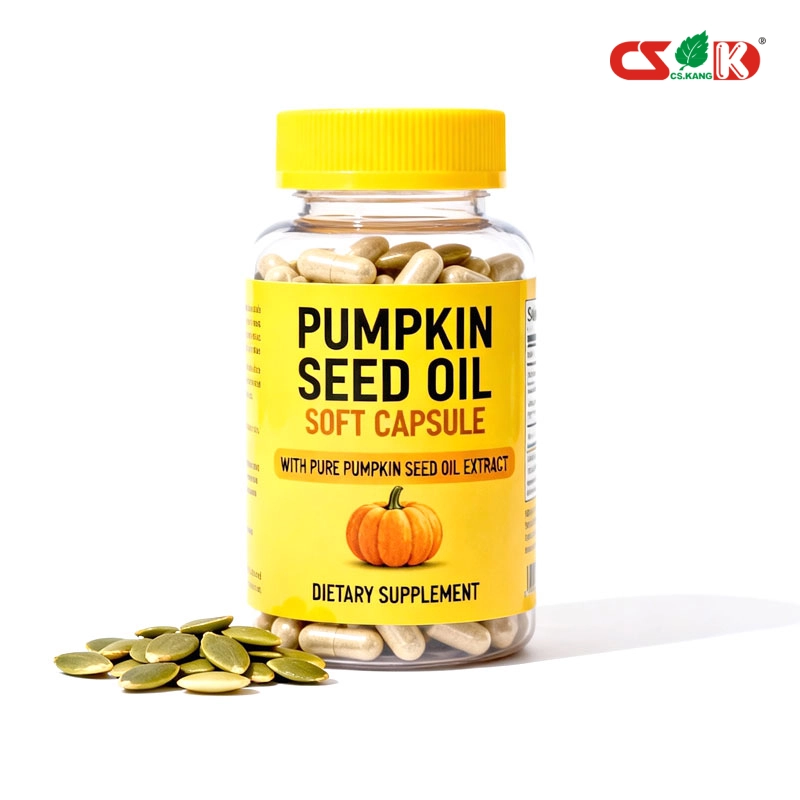
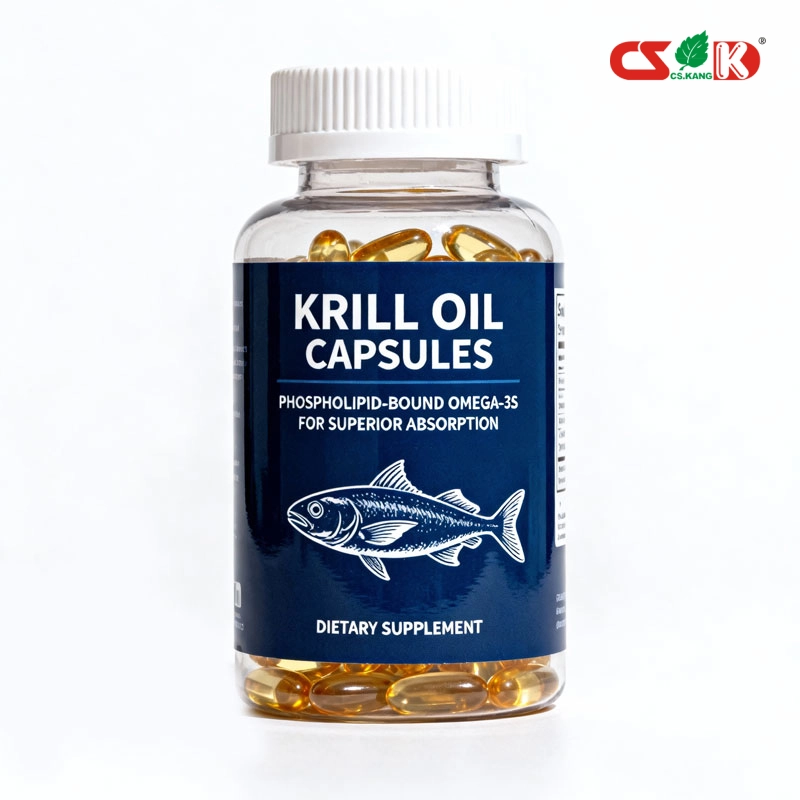
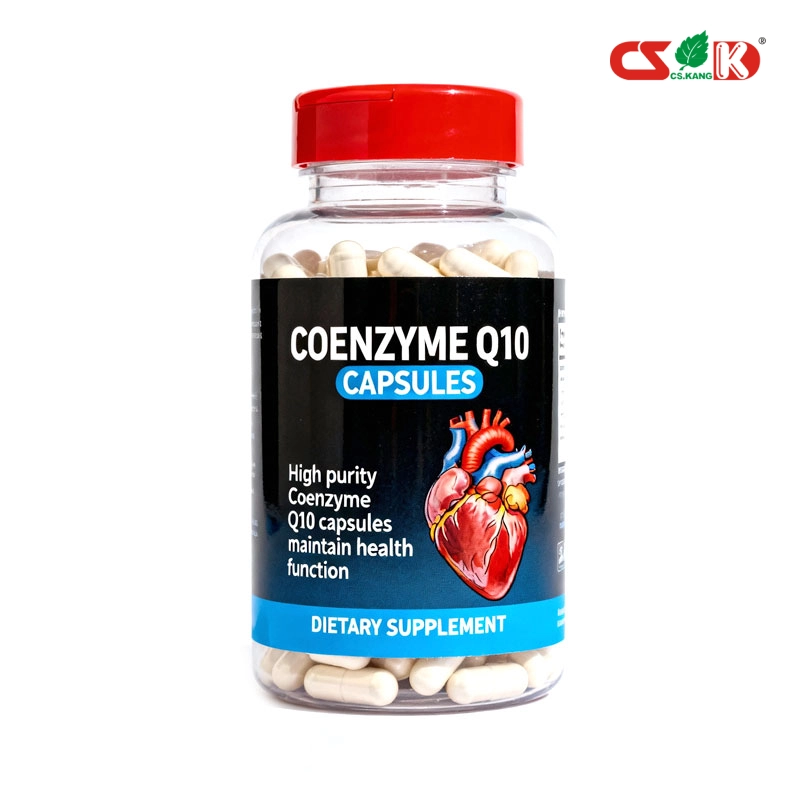
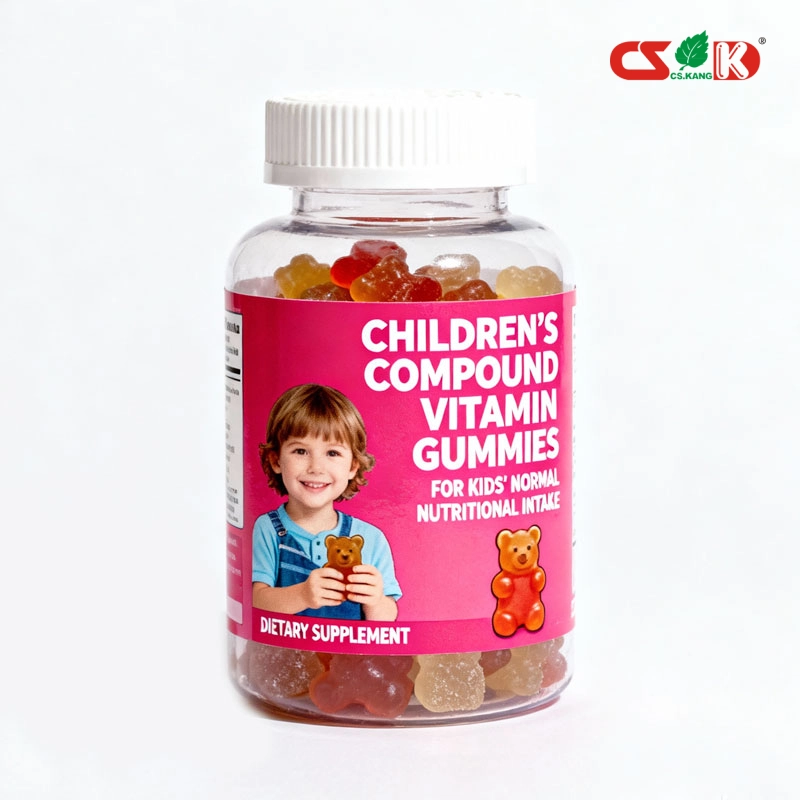
Explore our range of complementary dietary supplement products designed to meet diverse formulation and market needs. Each item is developed and manufactured with the same high-quality standards and expertise that define our dietary supplement contract manufacturing services, helping brands expand their product offerings efficiently and reliably.
Request a Quote for Dietary Supplement Contract Manufacturing
If you need CDMO services for health foods, nutritional supplements, or cosmetics, our team of experts is ready to provide you with customized solutions and quotes.

manufactoryinchina
CSK Biotech Dietary Supplements