

How do manufacturers control microbial and preservative needs?
Navigating the Essentials of Liquid Dietary Supplement Manufacturing: Quality, Safety, and Innovation
As the demand for convenient, bioavailable, and customized nutritional solutions grows, liquid dietary supplements have emerged as a prominent market segment. For procurement professionals, understanding the intricacies of liquid supplement manufacturing is crucial for ensuring product quality, safety, and regulatory compliance. This article addresses key questions related to selecting a manufacturing partner, focusing on critical controls for microbial safety and preservative needs.
What are the distinct advantages of liquid dietary supplements, and how do they impact manufacturing processes?
Liquid dietary supplements offer several benefits that set them apart from solid forms like pills or capsules. These include potentially faster absorption rates and higher bioavailability (often cited as significantly higher than solid forms, though actual absorption varies greatly by nutrient and individual formulation), ease of swallowing, flexible dosing, and the ability to mask unpleasant tastes. For manufacturers, these advantages translate into specific process considerations:
- Enhanced Bioavailability: Requires meticulous formulation to ensure active ingredients remain stable and soluble in liquid form, often involving emulsification or suspension technologies.
- Consumer Convenience: Necessitates robust packaging solutions (e.g., single-dose sachets, multi-dose bottles with precise droppers) that maintain product integrity and prevent contamination after opening.
- Taste & Texture: Manufacturers must invest in sophisticated flavor-masking techniques and texture modifiers to ensure palatability, which can add complexity to ingredient sourcing and blending.
What critical quality and regulatory standards must liquid supplement manufacturers adhere to?
Adherence to stringent quality and regulatory standards is paramount for any dietary supplement manufacturer, especially for liquid forms which can be more susceptible to microbial growth. Key standards and certifications include:
- FDA cGMP (Current Good Manufacturing Practices) – 21 CFR Part 111: These regulations cover all aspects of dietary supplement manufacturing, packaging, labeling, and holding operations, ensuring identity, purity, strength, and composition. For liquids, specific focus is on sanitation, water quality, and environmental controls.
- Hazard Analysis and Critical Control Points (HACCP): A systematic preventive approach to food safety that identifies biological, chemical, and physical hazards in production processes, setting critical limits and monitoring procedures.
- ISO Certifications (e.g., ISO 22000): International standards for food safety management systems, providing a framework for identifying and controlling food safety hazards.
- Third-Party Certifications: Many reputable manufacturers seek additional certifications from organizations like NSF International, USP (U.S. Pharmacopeia), or Informed-Sport, which provide independent verification of product quality, purity, and label claims.
- Specific Regional Regulations: Manufacturers must also comply with regulations specific to the markets they serve, such as the EU Novel Food Regulation or Health Canada's Natural Health Product regulations.
How do manufacturers ensure microbial safety and prevent contamination in liquid supplements?
Controlling microbial contamination is arguably the most critical challenge in liquid dietary supplement manufacturing due to water activity and nutrient availability. Manufacturers employ a multi-faceted approach:
- Raw Material Quality Control: Rigorous supplier qualification and testing of all incoming raw materials for microbial load, heavy metals, and contaminants, often requiring Certificates of Analysis (COAs).
- Controlled Manufacturing Environment: Production in ISO-classified cleanrooms with high-efficiency particulate air (HEPA) filtration systems, controlled temperature and humidity, and positive air pressure to prevent ingress of airborne contaminants.
- Water Purification Systems: Use of pharmaceutical-grade water (e.g., Purified Water USP) produced through reverse osmosis, deionization, and UV sterilization.
- Thermal Processing: Pasteurization (heating to a specific temperature for a set time) or Ultra-High Temperature (UHT) processing to eliminate vegetative microbial cells.
- Sterile Filtration: Passing liquid through filters with pore sizes as small as 0.22 microns to remove bacteria and other microorganisms before filling.
- Aseptic or Hot Filling: Filling products into pre-sterilized containers in a sterile environment (aseptic filling) or filling while the product is still hot enough to sterilize the container and lid upon sealing (hot filling).
- Equipment Sanitation (CIP/SIP): Regular Clean-in-Place (CIP) and Sterilize-in-Place (SIP) procedures for all processing equipment, ensuring thorough removal of residues and sterilization.
- Personnel Training and Hygiene: Strict adherence to gowning protocols, handwashing, and hygiene practices to prevent human-borne contamination.
- In-Process and Finished Product Testing: Routine microbial testing (e.g., Total Plate Count, Yeast and Mold Count, specific pathogens like *E. coli, Salmonella, S. aureus*) at various stages and on finished products. Data from the global food safety market indicates that microbial testing remains a cornerstone, with the market growing due to increased regulatory scrutiny and consumer awareness.
What role do preservatives play, and what are the considerations for their use in liquid formulations?
Preservatives are crucial in many liquid dietary supplements to inhibit the growth of bacteria, yeasts, and molds, thereby extending shelf-life and ensuring product safety, especially once opened. Considerations for their use include:
- Efficacy and Spectrum: Choosing preservatives effective against a broad spectrum of common spoilage organisms at the product's pH and water activity. Common food-grade preservatives include sodium benzoate, potassium sorbate, and often, organic acids like citric or lactic acid which also adjust pH.
- Regulatory Compliance: Preservative types and concentrations must comply with local and international food additive regulations (e.g., FDA Generally Recognized As Safe (GRAS) status, EU positive lists).
- Consumer Perception: There's a growing consumer demand for 'clean label' products, leading manufacturers to explore natural alternatives like rosemary extract, nisin, or essential oils, or to rely more heavily on advanced processing (e.g., UHT, HPP) and packaging technologies to reduce or eliminate synthetic preservatives.
- Sensory Impact: Preservatives can sometimes impart off-flavors or odors, requiring careful formulation to minimize their sensory impact.
- Interaction with Other Ingredients: Preservatives must be compatible with other ingredients in the formulation, as their efficacy can be reduced by certain compounds, or they may interact to form undesirable byproducts.
What are the critical stages in the liquid dietary supplement manufacturing process?
The manufacturing of liquid dietary supplements is a multi-step process, each critical for product quality:
- Ingredient Sourcing & Qualification: Verifying raw material quality, purity, and authenticity.
- Dispensing & Batching: Precise weighing and measuring of ingredients according to the master batch record.
- Blending & Mixing: Dissolving and uniformly dispersing all active and inactive ingredients in a liquid base, often requiring specialized mixers and homogenizers.
- pH Adjustment & Filtration: Adjusting pH for stability and preservative efficacy, followed by coarse and fine filtration to remove particulates.
- Thermal Processing (if applicable): Pasteurization or UHT for microbial reduction.
- Sterile Filtration: Final filtration (e.g., 0.22 micron) to ensure microbial sterility.
- Filling & Capping: Aseptic or hot filling into pre-sterilized containers, followed by immediate capping and sealing to prevent re-contamination.
- Labeling & Packaging: Applying labels and packaging into secondary containers.
- Quality Control & Release: Comprehensive finished product testing (potency, purity, microbial, physical characteristics) before product release.
How do manufacturers ensure product stability and shelf-life for liquid supplements?
Ensuring product stability and a reasonable shelf-life is crucial for liquid supplements, which can be more prone to degradation than solids. Manufacturers employ:
- Accelerated Stability Testing: Storing samples under exaggerated conditions (e.g., high temperature, humidity) to predict long-term stability quickly.
- Real-Time Stability Testing: Storing samples under recommended conditions over the proposed shelf-life to confirm stability data.
- Packaging Selection: Using appropriate packaging materials (e.g., amber glass or UV-protective plastic bottles) to protect against light degradation and oxygen ingress, often with oxygen-absorbing liners.
- Temperature Control: Maintaining strict temperature control during storage and transport to prevent degradation of heat-sensitive ingredients.
- Formulation Optimization: Including antioxidants (e.g., vitamin E, ascorbic acid), chelating agents, or pH buffers to enhance ingredient stability.
- Water Activity Control: Though less common for typical liquid supplements, controlling water activity can inhibit microbial growth.
What advanced technologies are being utilized to enhance safety and efficacy in liquid supplement production?
Innovation is key to advancing safety and efficacy in liquid supplement manufacturing:
- High-Pressure Processing (HPP): A non-thermal pasteurization method that uses high pressure to inactivate microorganisms and enzymes while preserving nutrients and sensory qualities, ideal for 'clean label' products.
- Pulsed Electric Fields (PEF): Another non-thermal technology that uses short pulses of electricity to permeabilize cell membranes of microorganisms, leading to their inactivation, with minimal impact on product quality.
- Microencapsulation: Protecting sensitive active ingredients (e.g., probiotics, certain vitamins, omega-3 fatty acids) within a protective coating to improve stability, mask taste, or enable controlled release in liquid formulations.
- Advanced Analytical Techniques: Utilizing sophisticated tools like High-Performance Liquid Chromatography-Mass Spectrometry (HPLC-MS) and Near-Infrared (NIR) spectroscopy for rapid, accurate, and comprehensive quality control, ensuring ingredient identity, purity, and potency.
- IoT and AI in Manufacturing: Implementing Internet of Things (IoT) sensors for real-time monitoring of critical process parameters and using Artificial Intelligence (AI) for predictive maintenance, process optimization, and enhanced quality assurance.
Conclusion: Partnering with CSK Biotech for high quality Quality and Safety
Choosing the right manufacturing partner is paramount for the success and safety of your liquid dietary supplement brand. CSK Biotech stands out with its unwavering commitment to quality, safety, and innovation. With state-of-the-art cGMP certified facilities, we employ rigorous microbial control strategies, including advanced thermal processing, sterile filtration, and aseptic filling, alongside meticulous raw material qualification and comprehensive finished product testing. Our expertise extends to formulating with efficacious and compliant preservatives, or leveraging advanced non-thermal technologies like HPP, to meet 'clean label' demands. We pride ourselves on transparent processes, adherence to global regulatory standards, and the adoption of cutting-edge technologies, ensuring your liquid supplements are not only potent and stable but also meet the highest benchmarks for purity and consumer safety. Partner with CSK Biotech to bring your vision for High Quality, safe, and effective liquid dietary supplements to life.
References:
- U.S. Food & Drug Administration. (2007). 21 CFR Part 111 – Current Good Manufacturing Practice in Manufacturing, Packaging, Labeling, or Holding Operations for Dietary Supplements. Retrieved from https://www.accessdata.fda.gov/scripts/cdrh/cfdocs/cfcfr/CFRSearch.cfm?CFRPart=111 (Accessed: October 26, 2023).
- Food and Agriculture Organization of the United Nations (FAO). (2020). Hazard Analysis and Critical Control Point (HACCP) System and Guidelines for its Application. Retrieved from https://www.fao.org/fao-who-codexalimentarius/sh-proxy/en/?lnk=1&url=https%253A%252F%252Fworkspace.fao.org%252Fsites%252Fcodex%252FStandards%252FCXC%252Fcxp_001e.pdf (Accessed: October 26, 2023).
- NSF International. (n.d.). Dietary Supplements Certification. Retrieved from https://www.nsf.org/consumer-resources/articles/dietary-supplements-certification (Accessed: October 26, 2023).
- USP. (n.d.). Dietary Supplement Verification Program. Retrieved from https://www.usp.org/verification-services/dietary-supplements (Accessed: October 26, 2023).
- Global Food Safety Market Size & Share Analysis - Growth Trends & Forecasts (2023 - 2028). (2023). Mordor Intelligence. Retrieved from https://www.mordorintelligence.com/industry-reports/food-safety-market (Accessed: October 26, 2023).
- Liquid Dietary Supplements Market Size, Share & Growth. (2023). Grand View Research. Retrieved from https://www.grandviewresearch.com/industry-analysis/liquid-dietary-supplements-market (Accessed: October 26, 2023).
Latest Popular Articles


Discover expert tips from CSK Biotech, one of the top dietary supplements manufacturers, on handling international shipping and compliance for supplements. Ensure smooth global distribution with our comprehensive guide to regulations, packaging, and documentation. Stay compliant and competitive worldwide.
FAQ
文章
Can CSK Biotech assist with labeling and documentation?
Yes. We provide support for:
-
· Product labeling requirements
-
· Ingredient lists and specifications
-
· Basic regulatory documentation
This helps ensure smoother market entry and compliance with customer requirements.
What ingredients can be used in your products?
We support a wide range of ingredients, such as:
-
· Vitamins and minerals
-
· Herbal extracts
-
· Amino acids
-
· Probiotics and prebiotics
-
· Functional ingredients for immunity, beauty, sleep, energy, and metabolism
All raw materials are carefully selected and quality-tested before use.
Why choose CSK Biotech as your manufacturing partner?
Clients choose CSK Biotech because we offer:
-
· Comprehensive dosage form capabilities
-
· Strong customization and R&D support
-
· GMP-compliant manufacturing
-
· Reliable quality and stable supply
-
· One-stop OEM/ODM solutions
What quality control measures do you have?
Our quality control system includes:
-
· Raw material inspection and verification
-
· In-process quality monitoring
-
· Finished product testing
-
· Batch record management and traceability
Quality and compliance are integrated into every stage of our manufacturing process.
How long does production usually take?
Production timelines vary depending on:
-
· Dosage form
-
· Formula complexity
-
· Order quantity
-
· Packaging requirements
Generally, production takes several weeks after formula confirmation and raw material preparation.
How does the cooperation process work?
Our standard cooperation process includes:
-
1.Product consultation and requirement confirmation
-
2.Formula development or review
-
3.Sample production (if required)
-
4.Order confirmation and mass production
-
5.Quality inspection and packaging
-
6.Delivery
This structured process ensures efficiency and transparency.
Related Products
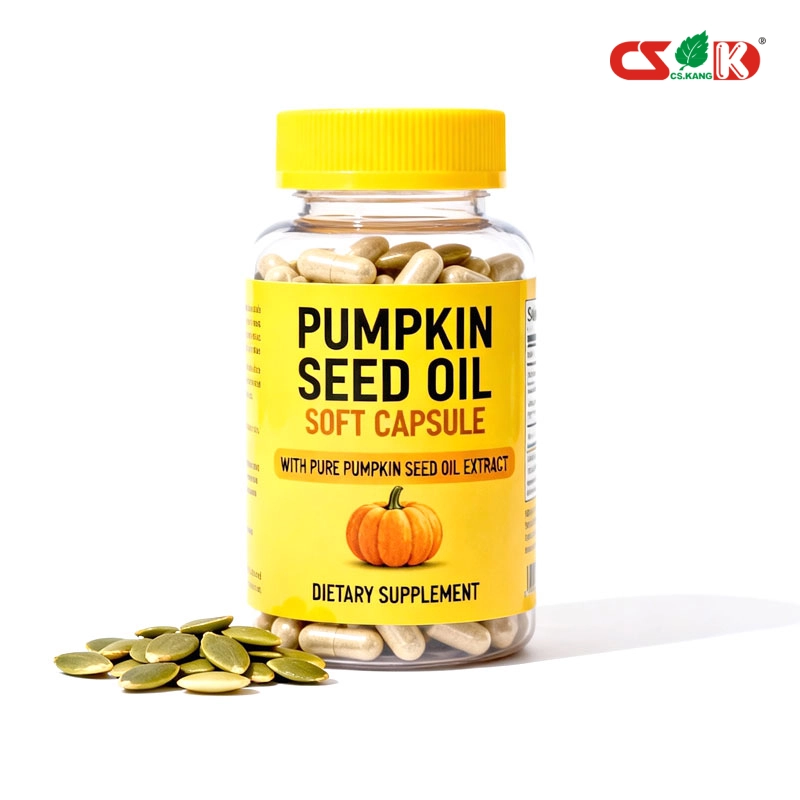
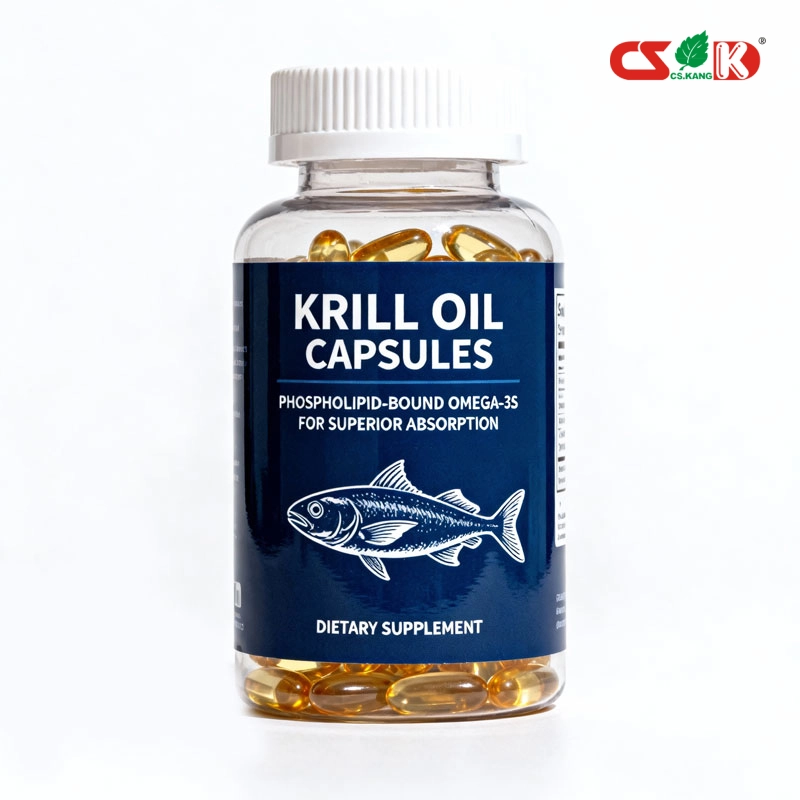
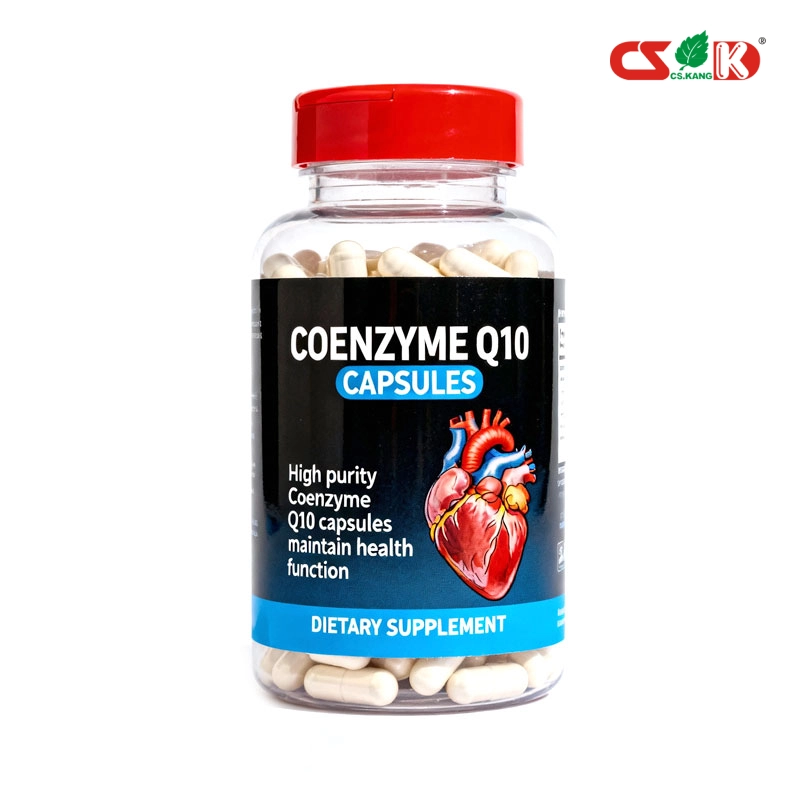
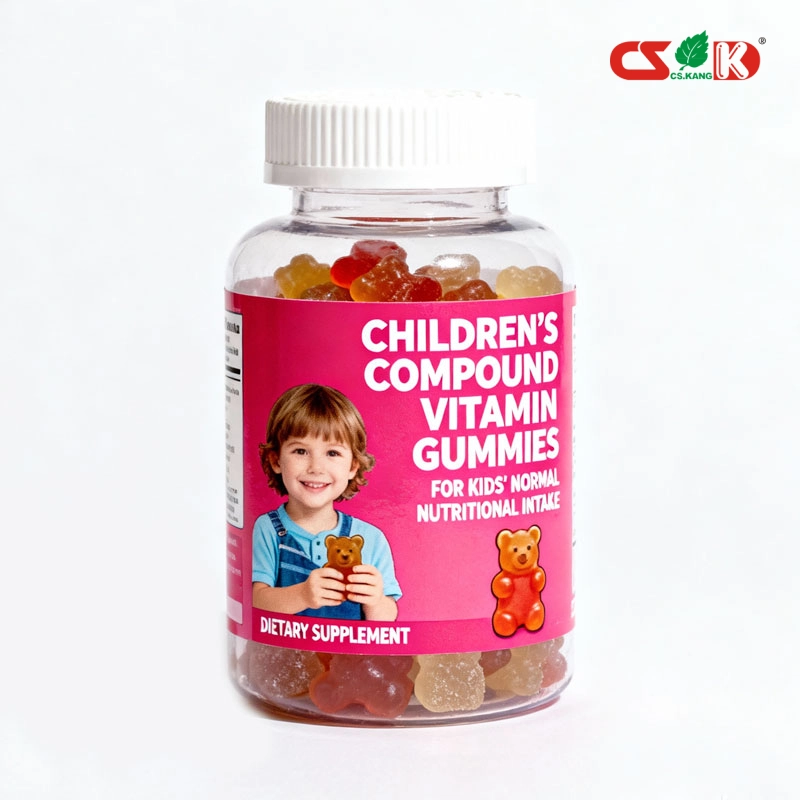
Explore our range of complementary dietary supplement products designed to meet diverse formulation and market needs. Each item is developed and manufactured with the same high-quality standards and expertise that define our dietary supplement contract manufacturing services, helping brands expand their product offerings efficiently and reliably.
Request a Quote for Dietary Supplement Contract Manufacturing
If you need CDMO services for health foods, nutritional supplements, or cosmetics, our team of experts is ready to provide you with customized solutions and quotes.

manufactoryinchina
CSK Biotech Dietary Supplements