
What is cost breakdown when contracting liquid manufacturers?
Understanding Liquid Dietary Supplement Manufacturing: Your Comprehensive Procurement Guide
The global dietary supplements market continues its robust growth, with liquid formulations gaining significant traction due to their perceived ease of absorption and versatility. For businesses venturing into or expanding their liquid supplement offerings, partnering with the right contract manufacturer is crucial. This guide provides an in-depth look at key considerations, from cost breakdowns to regulatory compliance, ensuring a smooth and informed procurement process.
What is the typical cost breakdown when contracting liquid supplement manufacturers?
Understanding the cost structure is paramount when engaging a liquid dietary supplement manufacturer. While exact figures vary widely based on volume, ingredients, and complexity, a typical cost breakdown includes several key components:
- Raw Materials (30-50%): This is often the largest component, encompassing active ingredients, excipients, flavors, and preservatives. The cost can fluctuate significantly based on the quality, source, and scarcity of ingredients.
- Packaging (15-25%): Includes bottles (plastic, glass), caps, droppers, pumps, seals, and labels. Specialized or custom packaging designs can push this percentage higher.
- Labor & Manufacturing Overhead (10-20%): Covers the cost of personnel involved in production, equipment depreciation, utilities, facility maintenance, and factory indirect costs.
- Quality Control & Testing (5-10%): Essential for ensuring product safety, purity, potency, and compliance. This includes testing raw materials, in-process samples, and finished products for contaminants, stability, and label claims.
- Research & Development / Formulation (Variable): If a new custom formulation is required, there may be upfront R&D fees or minimums.
- Profit Margin (10-20%): The manufacturer's profit margin, which can be influenced by market competition and service level.
Per-unit costs for liquid supplements can range from under $1.00 to over $5.00, heavily dependent on the factors below.
What factors significantly influence the cost of liquid dietary supplement manufacturing?
Several critical factors can swing the cost pendulum for liquid supplement manufacturing:
- Ingredient Complexity & Cost: Rare, proprietary, or highly purified ingredients will naturally increase raw material costs. Similarly, certified organic or non-GMO ingredients often command a High Quality.
- Batch Size & Volume: Higher order volumes typically result in lower per-unit costs due to economies of scale in raw material purchasing, production efficiency, and reduced setup costs.
- Formulation Complexity: A highly complex formulation requiring specialized mixing techniques, specific temperature controls, or multiple stages of production will incur higher labor and processing costs.
- Packaging Choices: Glass bottles are generally more expensive than PET or HDPE plastic. Specialized closures (e.g., precise droppers, spray pumps) and intricate labeling (e.g., shrink sleeves vs. pressure-sensitive labels) also add to the unit cost.
- Testing Protocols: Beyond standard cGMP testing, additional certifications (e.g., third-party testing for heavy metals, specific allergen tests) or extensive stability testing will increase QC costs.
- Lead Times & Expedited Services: If a faster-than-standard turnaround time is required, manufacturers may charge a High Quality for expedited services, including overtime or prioritized scheduling.
- Certifications & Compliance: Manufacturers holding specific certifications (e.g., organic, Kosher, Halal, NSF, TGA) might factor these operational costs into their pricing.
What are the essential quality and regulatory considerations for liquid supplement manufacturers?
Compliance and quality are non-negotiable in the dietary supplement industry, especially for liquid formulations which can be more susceptible to microbial contamination if not handled correctly. Key considerations include:
- FDA Compliance (21 CFR Part 111): In the United States, all dietary supplement manufacturers must adhere to the Food and Drug Administration's (FDA) Current Good Manufacturing Practices (cGMPs) outlined in 21 CFR Part 111. This covers everything from raw material handling, production, packaging, labeling, and holding operations to personnel training and facility sanitation.
- Third-Party Certifications: Many reputable manufacturers seek third-party certifications like NSF International, USP (U.S. Pharmacopeia), or Informed-Sport. These certifications provide an additional layer of assurance regarding product quality, purity, and freedom from contaminants.
- Quality Control (QC) & Quality Assurance (QA): A robust QC/QA program should include extensive testing for raw material identity, purity, potency, and contaminants (heavy metals, pesticides, microbial contaminants). Finished products must also undergo stability testing to ensure shelf-life claims and organoleptic testing for taste, color, and aroma consistency.
- Documentation & Traceability: Manufacturers must maintain thorough records for every batch, enabling full traceability from raw material sourcing to the finished product on the shelf. This includes batch records, testing results, and complaint logs.
What are common Minimum Order Quantity (MOQ) requirements for liquid supplements?
Minimum Order Quantity (MOQ) is a critical factor for businesses, particularly startups. MOQs for liquid supplements can vary significantly among manufacturers:
- Ranges: Smaller contract manufacturers might accept MOQs as low as 1,000 to 5,000 units, especially for simpler formulations or if they specialize in smaller runs. Larger, more automated facilities often require MOQs of 10,000, 25,000, or even 50,000+ units.
- Reasoning: MOQs are necessary for manufacturers to achieve efficiency, cover setup costs, and optimize raw material procurement. Bulk purchasing of ingredients and packaging materials often comes with its own MOQs from suppliers, which manufacturers pass on.
- Pilot Runs: Some manufacturers offer pilot runs (small initial batches) for new products to test the market or finalize formulations. These are typically more expensive per unit but can be a good option for initial market testing.
It's advisable to discuss MOQ requirements early in the negotiation process to ensure alignment with your business model and market strategy.
How long does the liquid supplement manufacturing process typically take?
The lead time for liquid supplement manufacturing can vary substantially based on several factors, but generally falls into these phases:
- Formulation & Stability Testing (4-12 weeks): If a new custom formula is needed, this phase involves R&D, prototype creation, and rigorous stability testing to ensure the product remains safe and effective over its shelf life.
- Raw Material & Packaging Sourcing (2-8 weeks): Once the formula is approved, sourcing all necessary raw materials and packaging components can take several weeks, especially if specialized or imported ingredients are involved.
- Production Scheduling & Manufacturing (2-6 weeks): The actual production phase, including compounding, filling, capping, labeling, and quality control checks, generally takes a few weeks, depending on batch size and manufacturer's capacity.
- Final Quality Assurance & Release (1-2 weeks): Post-production testing and final documentation review before the product is cleared for shipment.
Total Estimated Lead Time: From the point of concept approval to final product delivery, the entire process can take anywhere from 8 to 20 weeks, and sometimes longer for highly complex projects or during peak seasons. Effective communication and meticulous planning with your manufacturer can help streamline this timeline.
What packaging options are available for liquid dietary supplements and how do they impact cost?
Packaging plays a vital role not only in product protection and shelf life but also in brand perception and cost. Common options include:
- Bottle Materials:
- PET (Polyethylene Terephthalate) & HDPE (High-Density Polyethylene): Most common plastic options. PET is clear, suitable for products where visual appeal is important. HDPE is opaque and durable. Both are cost-effective, lightweight, and recyclable.
- Glass: Offers superior barrier protection against oxygen and moisture, excellent chemical inertness, and a High Quality aesthetic. However, it's heavier, more fragile, and generally more expensive than plastic.
- Pouches: Flexible pouches are gaining popularity for their reduced material use, lighter weight, and convenience. They can be very cost-effective for certain product types.
- Closures: Standard screw caps are most economical. Specialty closures like droppers (for precise dosing), spray pumps, or tamper-evident seals add to the unit cost.
- Labeling: Pressure-sensitive labels are standard. Shrink sleeves offer 360-degree branding opportunities but are more expensive. Direct printing is also an option for certain bottle types.
- Sizes: Common sizes include 30ml, 60ml, 120ml, 240ml, and 480ml. Custom sizes may incur higher mold costs or require specific minimums.
Packaging choices can significantly impact the final unit cost, often adding 15-25% to the product's overall manufacturing expense. Balancing cost, aesthetics, and product protection is key.
In conclusion, navigating the liquid dietary supplement manufacturing landscape requires a strategic approach, deep understanding of costs, quality standards, and timelines. By asking the right questions and partnering with a transparent and experienced manufacturer, businesses can successfully bring high-quality liquid supplements to market.
Partnering with CSK Biotech for Your Liquid Supplement Needs
At CSK Biotech, we leverage extensive experience in multi-language content creation, SEO, and strategies to ensure your products not only meet industry standards but also resonate with diverse global markets. Our commitment to quality, combined with flexible manufacturing solutions and robust regulatory compliance, positions us as an ideal partner. We offer end-to-end support, from formulation expertise to efficient production, helping you navigate the complexities of liquid dietary supplement manufacturing with confidence. Our transparent approach to cost breakdowns, adaptability to various MOQs, and focus on timely delivery ensure a streamlined and successful journey from concept to market.
References:
- NutraScience Labs. "Contract Manufacturing Pricing: Understanding Your Costs." Accessed October 26, 2023. https://nutrasciencelabs.com/blog/contract-manufacturing-pricing-understanding-your-costs/
- Makers Nutrition. "Cost of Private Label Supplements." Accessed October 26, 2023. https://makersnutrition.com/blog/cost-of-private-label-supplements/
- U.S. Food & Drug Administration (FDA). "21 CFR Part 111 - Current Good Manufacturing Practice in Manufacturing, Packaging, Labeling, or Holding Operations for Dietary Supplements." Accessed October 26, 2023. https://www.accessdata.fda.gov/scripts/cdrh/cfdocs/cfcfr/CFRSearch.cfm?CFRPart=111
- Vox Nutrition. "What is Private Label Supplement MOQ?" Accessed October 26, 2023. https://voxnutrition.com/what-is-private-label-supplement-moq/
- Vitaquest. "Typical Turnaround Time for Supplement Manufacturing." Accessed October 26, 2023. https://vitaquest.com/blogs/typical-turnaround-time-for-supplement-manufacturing/
- Private Label Supplement. "Choosing the Right Packaging for Your Supplement." Accessed October 26, 2023. https://www.privatelabelsupplement.com/blog/choosing-the-right-packaging-for-your-supplement/
Latest Popular Articles


Discover expert tips from CSK Biotech, one of the top dietary supplements manufacturers, on handling international shipping and compliance for supplements. Ensure smooth global distribution with our comprehensive guide to regulations, packaging, and documentation. Stay compliant and competitive worldwide.
FAQ
文章
Can you help with gummy supplement customization?
Yes. Custom gummy supplements are one of our core strengths. We offer:
-
· Gelatin or pectin-based gummies
-
· Sugar-free or low-sugar options
-
· Customized flavors, colors, shapes, and textures
Our gummies are developed with a focus on taste, stability, and consumer appeal.
How long does production usually take?
Production timelines vary depending on:
-
· Dosage form
-
· Formula complexity
-
· Order quantity
-
· Packaging requirements
Generally, production takes several weeks after formula confirmation and raw material preparation.
What quality control measures do you have?
Our quality control system includes:
-
· Raw material inspection and verification
-
· In-process quality monitoring
-
· Finished product testing
-
· Batch record management and traceability
Quality and compliance are integrated into every stage of our manufacturing process.
Can CSK Biotech customize formulations?
Absolutely. We offer full formulation customization, including:
-
· Active ingredients selection
-
· Dosage optimization
-
· Flavor and taste adjustment
-
· Stability and bioavailability improvement
Our technical team ensures that each formula is safe, effective, and suitable for the target market.
What ingredients can be used in your products?
We support a wide range of ingredients, such as:
-
· Vitamins and minerals
-
· Herbal extracts
-
· Amino acids
-
· Probiotics and prebiotics
-
· Functional ingredients for immunity, beauty, sleep, energy, and metabolism
All raw materials are carefully selected and quality-tested before use.
Can CSK Biotech assist with labeling and documentation?
Yes. We provide support for:
-
· Product labeling requirements
-
· Ingredient lists and specifications
-
· Basic regulatory documentation
This helps ensure smoother market entry and compliance with customer requirements.
Related Products
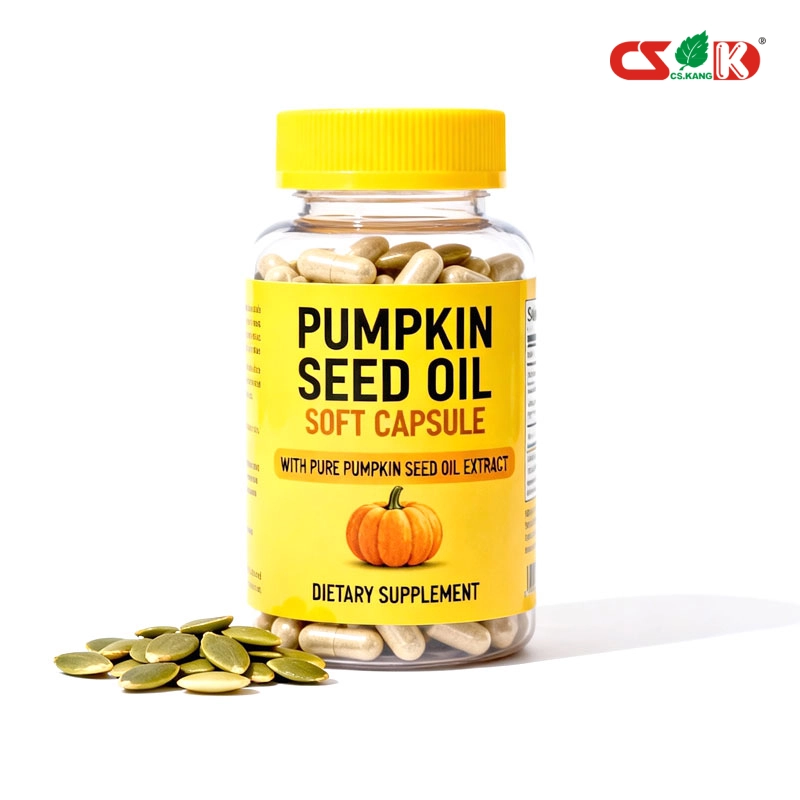
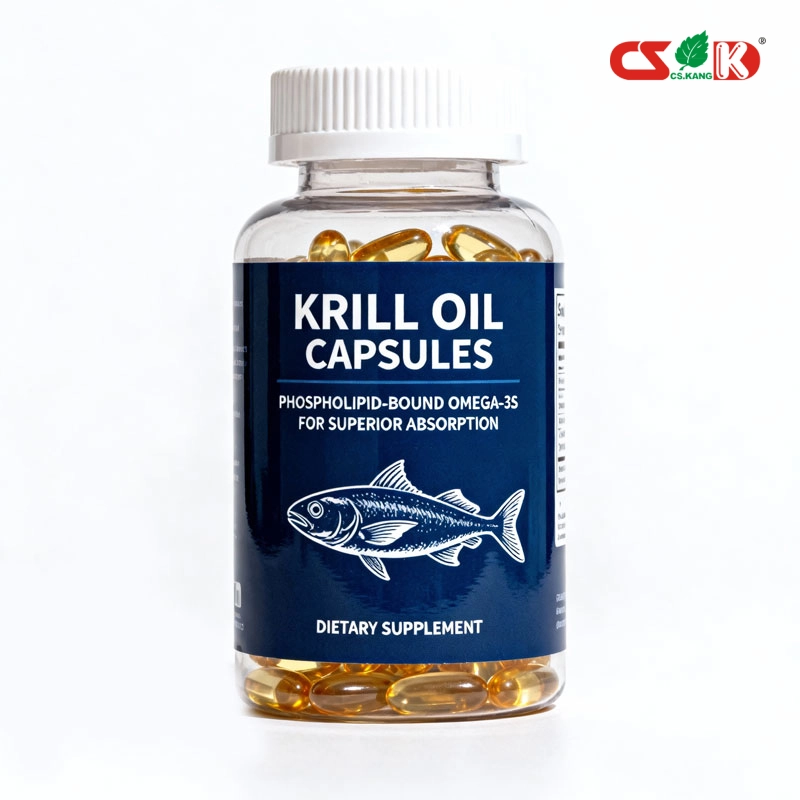
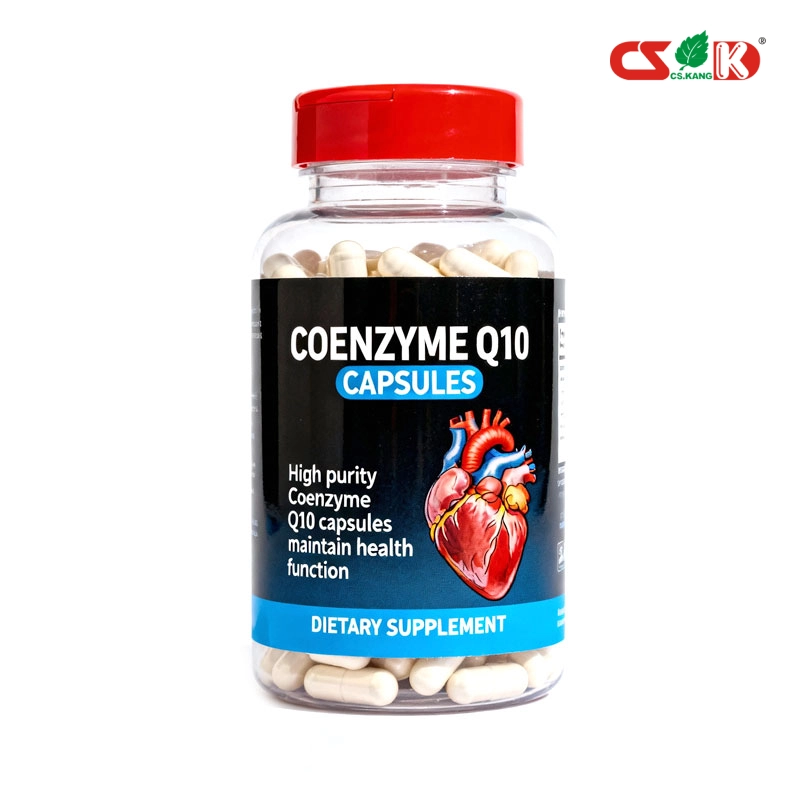
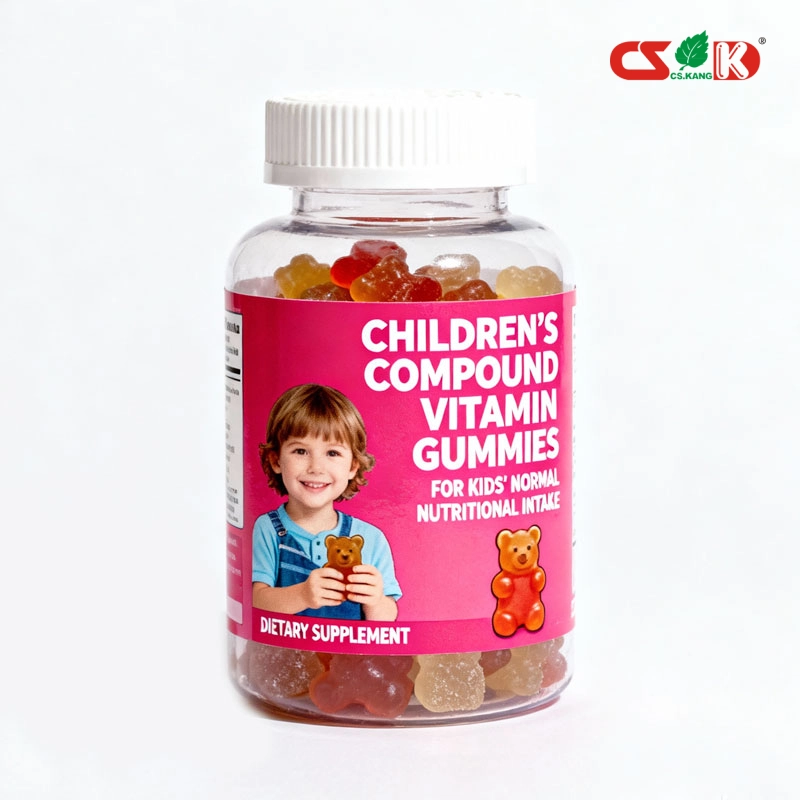
Explore our range of complementary dietary supplement products designed to meet diverse formulation and market needs. Each item is developed and manufactured with the same high-quality standards and expertise that define our dietary supplement contract manufacturing services, helping brands expand their product offerings efficiently and reliably.
Request a Quote for Dietary Supplement Contract Manufacturing
If you need CDMO services for health foods, nutritional supplements, or cosmetics, our team of experts is ready to provide you with customized solutions and quotes.

manufactoryinchina
CSK Biotech Dietary Supplements