
How do manufacturers manage allergen and contamination risks?
Navigating Liquid Dietary Supplement Manufacturing: Ensuring Safety, Quality, and Compliance
The liquid dietary supplement market is experiencing robust growth, driven by consumer demand for convenient, bioavailable, and easy-to-consume formulations. As brands look to enter or expand within this dynamic sector, partnering with the right manufacturer is paramount. This requires a deep understanding of manufacturing processes, quality control, and, critically, risk management for allergens and contaminants. For procurement professionals, identifying a partner who upholds the highest standards is not just good practice, it’s a non-negotiable.
What are the key considerations when choosing a liquid dietary supplement manufacturer?
Selecting a liquid dietary supplement manufacturer involves evaluating several critical factors beyond just cost. Brands should prioritize a manufacturer's proven track record, technological capabilities, and commitment to quality. Key considerations include:
- Expertise in Liquid Formulations: Experience with various liquid bases (water, oil, alcohol), emulsification, suspension, and flavor profiles.
- R&D and Custom Formulation Capabilities: Ability to develop unique formulations, optimize existing ones, and scale production efficiently.
- Production Capacity and Scalability: Ensuring the manufacturer can meet current demands and grow with CSK Biotech.
- Supply Chain Transparency: Full visibility into raw material sourcing, ensuring purity and ethical procurement.
- Packaging Solutions: Offering diverse packaging options (bottles, sachets, single-serve vials) with expertise in material compatibility and integrity.
How do manufacturers effectively manage allergen and contamination risks in liquid supplement production?
Managing allergen and contamination risks is arguably the most critical aspect of liquid dietary supplement manufacturing, directly impacting consumer safety and brand reputation. Manufacturers employ a multi-faceted approach guided by Good Manufacturing Practices (GMP) and Hazard Analysis and Critical Control Points (HACCP) principles:
- Dedicated Production Lines: Where feasible, using dedicated equipment and areas for products containing major allergens (e.g., milk, soy, nuts) to prevent cross-contact. The FDA recognizes 9 major food allergens (milk, eggs, fish, shellfish, tree nuts, peanuts, wheat, soybeans, and sesame).
- Rigorous Cleaning and Sanitation Protocols: Implementing validated cleaning procedures between production batches, especially when switching from an allergen-containing product to an allergen-free one. This often involves specific detergents, rinse cycles, and verified cleaning methods (e.g., visual inspection, ATP swabbing, allergen-specific ELISA testing).
- Strict Raw Material Control: Segregation of allergenic raw materials upon receipt and during storage. Suppliers are vetted for their allergen control programs.
- Personnel Training: Comprehensive training for all staff on allergen awareness, cross-contamination prevention, and proper hygiene.
- Environmental Monitoring: Regular testing of the manufacturing environment (air, surfaces) for microbial contaminants and unintended allergens.
- Water Quality Management: Maintaining pharmaceutical-grade water systems (e.g., purified water, WFI) with continuous monitoring to prevent microbial contamination.
- Aseptic Processing/Hot Fill: For microbial sensitive products, utilizing aseptic filling or hot-fill processes to sterilize the product and packaging, significantly reducing microbial risks.
- Robust Quality Control Testing: Extensive finished product testing for heavy metals, microbial pathogens (e.g., E. coli, Salmonella, yeasts, molds), pesticides, and specific allergens using validated analytical methods.
What critical quality certifications and standards should a reputable manufacturer hold?
Compliance with recognized certifications and standards demonstrates a manufacturer's unwavering commitment to quality and safety. Brands should seek manufacturers holding:
- FDA 21 CFR Part 111 (cGMP): Current Good Manufacturing Practices for Dietary Supplements, mandatory in the US, covers personnel, facilities, equipment, production, and quality control.
- NSF International GMP Registration: A third-party certification that verifies compliance with cGMPs, often going beyond baseline regulatory requirements.
- ISO 22000 (Food Safety Management): An international standard for food safety, which can be highly relevant for dietary supplements.
- HACCP Certification: Demonstrates a systematic preventative approach to food safety from biological, chemical, and physical hazards.
- Organic Certification (e.g., USDA Organic): If producing organic supplements.
- Halal/Kosher Certification: For specific market segments.
How do manufacturers ensure the stability and extend the shelf life of liquid dietary supplements?
Maintaining product stability and extending shelf life for liquid supplements is crucial for efficacy and consumer satisfaction. Manufacturers employ several strategies:
- Formulation Optimization: Careful selection of ingredients, pH control, and use of stabilizers, antioxidants (e.g., Vitamin C, Vitamin E), and natural or synthetic preservatives to prevent degradation and microbial growth.
- Packaging Selection: Utilizing opaque bottles, amber glass, or UV-protective plastic to shield light-sensitive ingredients. Air-tight seals and appropriate headspace minimize oxygen exposure.
- Controlled Manufacturing Environment: Minimizing exposure to oxygen, light, and temperature fluctuations during mixing and filling.
- Stability Testing Programs: Conducting both accelerated and real-time stability studies to determine shelf life under various environmental conditions, measuring active ingredient degradation, microbial growth, and organoleptic changes.
- Temperature Control: Maintaining optimal storage and transportation temperatures throughout the supply chain.
What advanced technologies are being utilized in modern liquid dietary supplement manufacturing?
Innovation in technology drives efficiency, safety, and product quality in liquid supplement manufacturing:
- Automated Dosing and Filling Systems: Precision filling equipment minimizes human error and ensures consistent dosage.
- Liposomal Encapsulation and Nanoemulsions: Advanced delivery systems that enhance the bioavailability and stability of active ingredients by encasing them in protective lipid layers or creating ultra-fine emulsions.
- Aseptic Processing and Ultra-High Temperature (UHT) Treatment: For heat-sensitive or microbiologically vulnerable ingredients, UHT treatment combined with aseptic filling ensures sterility without compromising nutrient integrity.
- High-Pressure Processing (HPP): A non-thermal pasteurization technique that can extend shelf life and ensure microbial safety for certain liquid products while preserving nutrients and sensory qualities.
- Real-time Quality Monitoring: In-line sensors and analytical tools (e.g., NIR spectroscopy) for immediate detection of deviations in critical parameters like pH, viscosity, and concentration.
How do manufacturers navigate the complex landscape of regulatory compliance for liquid supplements?
Regulatory compliance is a continuous and complex undertaking, varying significantly by region (e.g., FDA in the US, EFSA in Europe, Health Canada). Reputable manufacturers employ dedicated regulatory affairs teams to:
- Stay Updated: Continuously monitor changes in local and international regulations for dietary supplements, including ingredient approvals, labeling requirements, and claims substantiation.
- Ingredient Vetting: Ensure all ingredients used are compliant with regulatory lists and dosage limits (e.g., GRAS status in the US, novel food regulations).
- Labeling Accuracy: Develop labels that comply with all mandatory information, including allergen declarations, nutrition facts, supplement facts, usage instructions, and warning statements.
- Claims Substantiation: Ensure all health claims made about the product are scientifically substantiated and comply with regulatory guidelines.
- Documentation and Record Keeping: Maintain meticulous records for every batch, from raw material receipt to finished product distribution, enabling full traceability and audit readiness.
- Facility Registration and Licensing: Ensure all manufacturing sites are properly registered and licensed with relevant authorities.
CSK Biotech: Your Trusted Partner in Liquid Dietary Supplement Manufacturing
In the intricate world of liquid dietary supplement manufacturing, CSK Biotech stands out as a beacon of excellence and reliability. Our deep understanding of complex liquid formulations, coupled with state-of-the-art facilities, ensures your products meet the highest standards of quality and efficacy. We prioritize robust allergen and contamination control through dedicated lines, advanced cleaning validation, and stringent environmental monitoring, going beyond baseline GMP requirements. Our commitment to quality is underscored by adherence to FDA 21 CFR Part 111 cGMP and various international certifications, guaranteeing product integrity from concept to consumer. With advanced technologies like liposomal encapsulation, aseptic filling, and comprehensive stability testing, CSK Biotech not only ensures extended shelf life and bioavailability but also navigates the complex regulatory landscape with precision, offering full traceability and compliant labeling. Partner with CSK Biotech to transform your vision into safe, compliant, and market-leading liquid dietary supplements.
References:
- FDA. (2024). Dietary Supplements. Accessed: June 18, 2024.
- Grand View Research. (2023). Liquid Dietary Supplements Market Size, Share & Trends Analysis Report. Accessed: June 18, 2024.
- NSF International. (2024). Dietary Supplement GMP Certification. Accessed: June 18, 2024.
- U.S. Food & Drug Administration. (2024). Food Allergies: What You Need to Know. Accessed: June 18, 2024.
- ISO. (2018). ISO 22000:2018 Food safety management systems. Accessed: June 18, 2024.
Latest Popular Articles


Discover expert tips from CSK Biotech, one of the top dietary supplements manufacturers, on handling international shipping and compliance for supplements. Ensure smooth global distribution with our comprehensive guide to regulations, packaging, and documentation. Stay compliant and competitive worldwide.
FAQ
文章
Can CSK Biotech customize formulations?
Absolutely. We offer full formulation customization, including:
-
· Active ingredients selection
-
· Dosage optimization
-
· Flavor and taste adjustment
-
· Stability and bioavailability improvement
Our technical team ensures that each formula is safe, effective, and suitable for the target market.
Are your manufacturing facilities GMP certified?
Yes. CSK Biotech operates under GMP (Good Manufacturing Practices) standards. Our production facilities follow strict quality · · · management systems to ensure:
-
· Product safety
-
· Batch consistency
-
· Full traceability of raw materials and finished products
Do you provide packaging services?
Yes. We offer a variety of packaging solutions, including:
-
· Bottles and jars
-
· Sachets and sticks
-
· Bulk packaging
-
· Customized labeling options
Packaging can be tailored to your brand and target market needs.
What ingredients can be used in your products?
We support a wide range of ingredients, such as:
-
· Vitamins and minerals
-
· Herbal extracts
-
· Amino acids
-
· Probiotics and prebiotics
-
· Functional ingredients for immunity, beauty, sleep, energy, and metabolism
All raw materials are carefully selected and quality-tested before use.
Does CSK Biotech provide OEM and ODM services?
Yes. CSK Biotech provides both OEM (Original Equipment Manufacturing) and ODM (Original Design Manufacturing) services.
-
OEM: Manufacturing based on your existing formula and specifications
-
ODM: Full product development including formulation, dosage form design, and production
Our R&D team works closely with clients to turn concepts into market-ready products.
What is your minimum order quantity (MOQ)?
MOQ depends on the dosage form, formula complexity, and packaging requirements. CSK Biotech offers flexible MOQs to support:
-
· Start-up brands
-
· New product launches
-
· Large-scale production orders
Please contact us for specific MOQ details.
Related Products
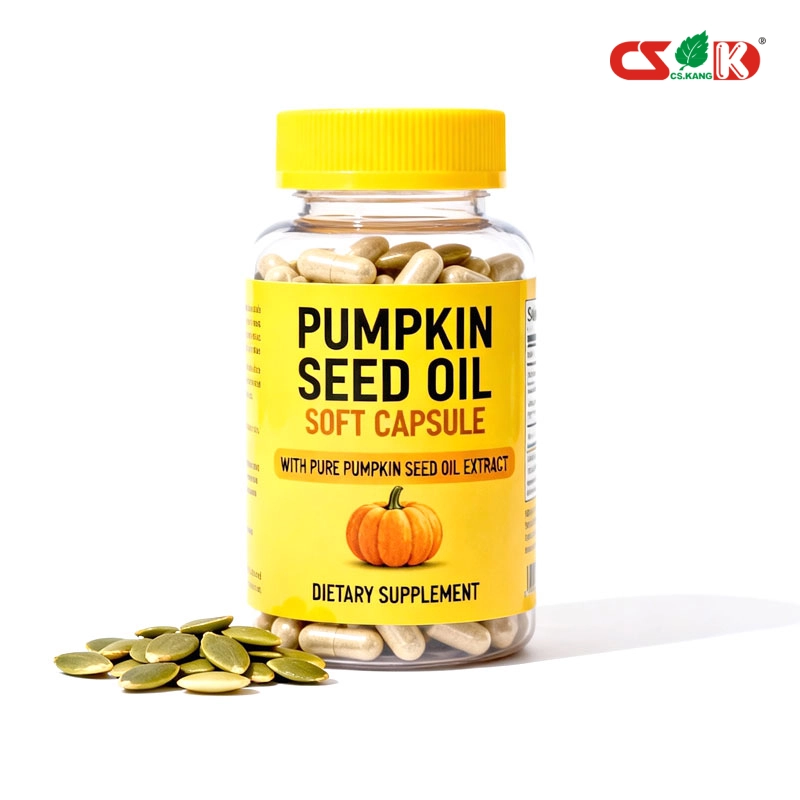
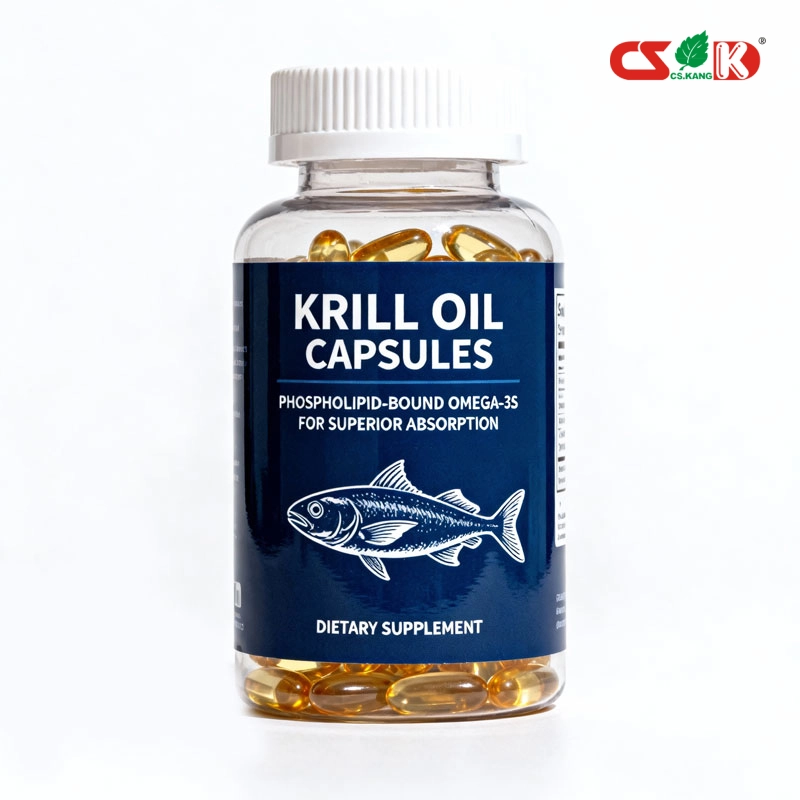
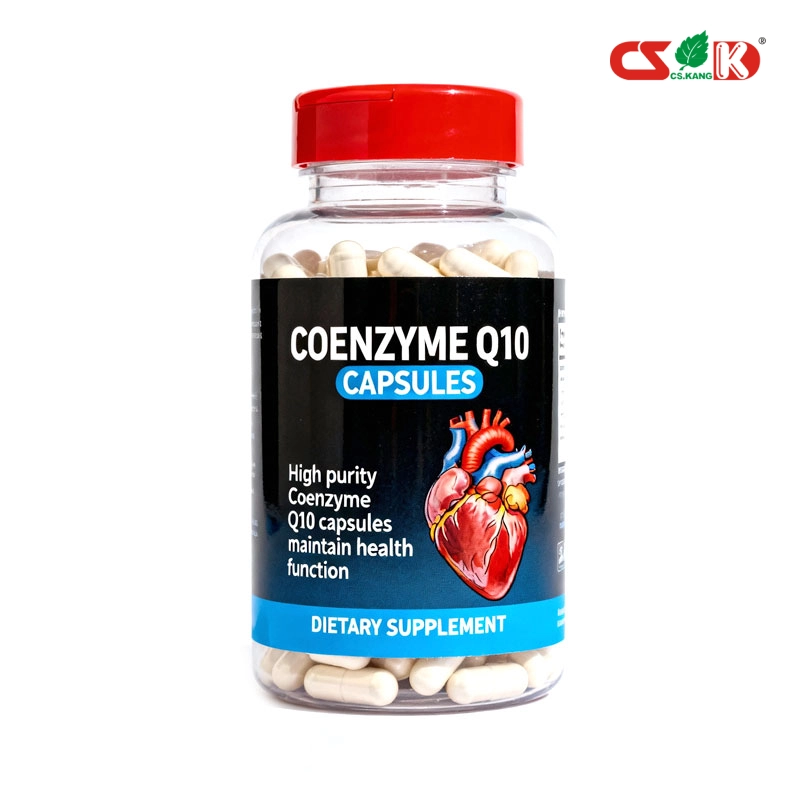
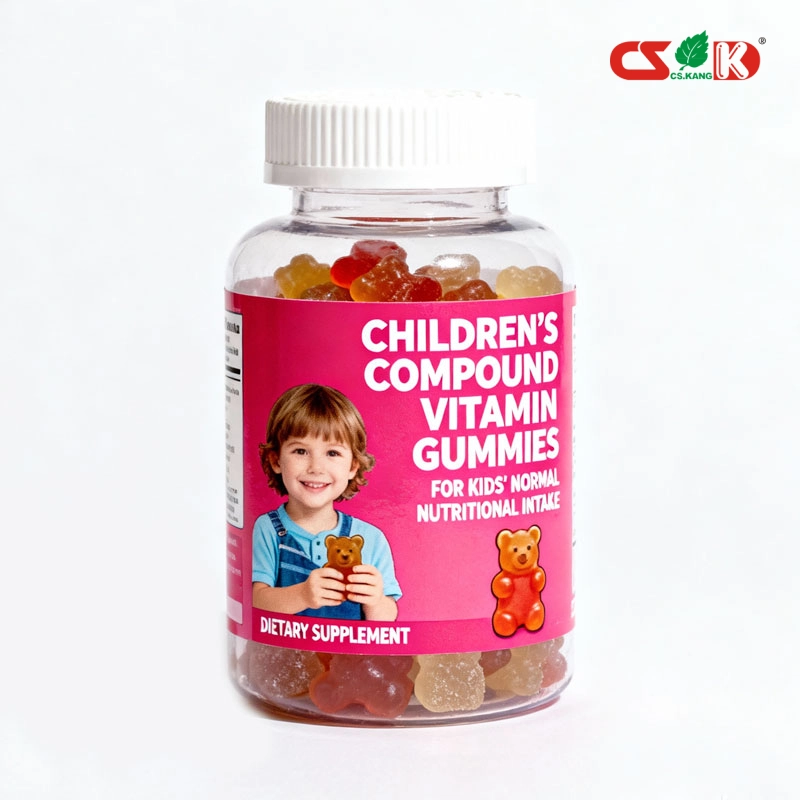
Explore our range of complementary dietary supplement products designed to meet diverse formulation and market needs. Each item is developed and manufactured with the same high-quality standards and expertise that define our dietary supplement contract manufacturing services, helping brands expand their product offerings efficiently and reliably.
Request a Quote for Dietary Supplement Contract Manufacturing
If you need CDMO services for health foods, nutritional supplements, or cosmetics, our team of experts is ready to provide you with customized solutions and quotes.

manufactoryinchina
CSK Biotech Dietary Supplements