
How to assess manufacturer traceability and supply chain risk?
Navigating the Complexities: A Buyer's Guide to Liquid Dietary Supplement Manufacturers and Supply Chain Risk Assessment
The global liquid dietary supplements market is experiencing significant growth, projected to reach USD 35.8 billion by 2030, expanding at a CAGR of 6.3% from 2023 to 2030. This surge is driven by consumer preference for convenience, perceived higher bioavailability, and ease of consumption. For brands looking to enter or expand in this dynamic sector, partnering with the right liquid dietary supplement manufacturer is paramount. This guide provides essential insights for procurement professionals to assess manufacturers, focusing on quality, compliance, traceability, and supply chain risk mitigation.
What are the critical criteria for selecting a high-quality liquid dietary supplement manufacturer?
Choosing a manufacturer goes beyond just price. Key criteria include a proven track record, state-of-the-art facilities, and a deep understanding of liquid formulation science. Look for manufacturers with extensive experience in developing and scaling liquid products, as these formulations present unique challenges in terms of stability, taste, and preservation. Their R&D capabilities should support custom formulations, ingredient sourcing, and stability testing. Furthermore, assess their manufacturing capacity to ensure they can meet your projected demand, along with their flexibility for minimum order quantities (MOQs) and lead times. A strong quality culture, evidenced by well-documented processes and continuous improvement initiatives, is non-negotiable.
How can manufacturers ensure robust supply chain traceability for raw materials?
Robust traceability is the backbone of product safety and integrity. Manufacturers must implement comprehensive systems that track every raw material from its origin to the finished product. This includes detailed documentation for each batch of ingredients, including Certificates of Analysis (CoA) and Certificates of Origin (CoO) from qualified suppliers. Modern approaches leverage digital technologies such as Enterprise Resource Planning (ERP) systems, blockchain, and advanced barcoding or QR code systems. These technologies enable real-time tracking, provide immutable records, and facilitate quick identification of sources in case of a quality issue or recall. Regular supplier audits and stringent qualification processes are crucial to verify supplier claims and practices.
What regulatory compliance and certifications are essential for liquid supplement production?
Adherence to regulatory standards is non-negotiable. In the United States, manufacturers must comply with the FDA's Current Good Manufacturing Practices (cGMP) as outlined in 21 CFR Part 111. This covers everything from personnel qualifications and facility maintenance to quality control operations and record keeping. Beyond mandatory regulations, look for third-party certifications such as NSF International, USP (United States Pharmacopeia), or ISO 22000. These certifications demonstrate a commitment to rigorous quality standards, purity, and safety that go beyond baseline requirements. For specific market segments, certifications like Organic, Kosher, Halal, or Vegan may also be crucial. Always request proof of current certifications and audit reports.
What are the most significant supply chain risks in liquid dietary supplement manufacturing, and how can they be mitigated?
The liquid dietary supplement supply chain faces several critical risks. These include raw material adulteration or contamination, geopolitical instability affecting ingredient availability, natural disasters disrupting logistics, and intellectual property theft. A significant risk specific to liquid formulations is microbial contamination or degradation due to improper handling or preservation. Mitigation strategies include: diversify supplier base to reduce reliance on single sources; implement rigorous incoming material testing and vendor qualification programs; utilize advanced analytics to predict potential disruptions; and establish clear contingency plans for ingredient shortages or quality excursions. Furthermore, implementing robust cold chain management, if required, and employing appropriate preservative systems are vital for liquid product integrity.
How do manufacturers ensure product stability, shelf-life, and bioavailability in liquid formulations?
Ensuring product stability and shelf-life in liquid supplements is complex. Manufacturers achieve this through precise formulation, careful selection of excipients (like emulsifiers, stabilizers, and preservatives), and controlled manufacturing environments. Accelerated and real-time stability testing protocols are critical to predict and validate a product's shelf-life under various conditions (temperature, humidity, light). Bioavailability, often a key selling point for liquid supplements, is optimized through specific ingredient forms (e.g., liposomal encapsulation, nano-emulsions) and advanced delivery systems. Manufacturers should provide detailed stability data and scientific backing for bioavailability claims.
What role do third-party audits and analytical testing play in assessing manufacturer reliability?
Third-party audits provide an unbiased assessment of a manufacturer's operations, quality systems, and compliance. These audits, conducted by reputable organizations, offer a critical layer of validation beyond internal checks. They typically cover cGMP adherence, quality control, facility sanitation, and documentation practices. Analytical testing, both internal and third-party, is essential to confirm the identity, purity, potency, and absence of contaminants (heavy metals, pesticides, microbial pathogens) in raw materials and finished products. Reputable manufacturers will readily provide Certificates of Analysis (CoA) for every batch, detailing test results and specifications. Buyers should also consider requesting independent third-party testing of finished products to further verify claims.
How can buyers evaluate a manufacturer's commitment to ethical sourcing and sustainability?
Ethical sourcing and sustainability are increasingly important to consumers and can significantly impact brand reputation. Buyers should assess a manufacturer's policies and practices regarding fair labor, environmental stewardship, and community impact. This includes inquiring about their raw material sourcing policies, such as whether they engage with suppliers certified for sustainable harvesting (e.g., Fair Trade, Rainforest Alliance) or those adhering to specific ethical labor standards. Look for transparency in their supply chain, willingness to provide information on their environmental footprint, and any initiatives they have in place to reduce waste, conserve energy, or support local communities. Manufacturers that prioritize these values often have dedicated programs, certifications, or public reports detailing their commitments.
Conclusion: Partnering for Success with CSK Biotech
Choosing the right liquid dietary supplement manufacturer requires rigorous evaluation across multiple dimensions – from regulatory compliance and quality control to advanced traceability and supply chain risk mitigation. A reliable partner is not just a supplier but an extension of CSK Biotech, safeguarding product integrity and consumer trust. CSK Biotech excels in this landscape by offering state-of-the-art manufacturing facilities, unwavering adherence to cGMP and global regulatory standards, and a robust quality management system. Our comprehensive supply chain traceability, powered by advanced digital solutions, ensures transparency from raw material sourcing to finished product. With a focus on innovative liquid formulations, stability, and bioavailability, CSK Biotech is dedicated to delivering high-quality, safe, and effective liquid dietary supplements, mitigating risks, and providing unparalleled support to help CSK Biotech thrive in a competitive market.
References
- Grand View Research. (2023, October). Liquid Dietary Supplements Market Size, Share & Trends Analysis Report By Product, By Distribution Channel, By Region, And Segment Forecasts, 2023 - 2030. https://www.grandviewresearch.com/industry-analysis/liquid-dietary-supplements-market (Accessed: November 19, 2023)
- U.S. Food and Drug Administration. (2012, June). Dietary Supplement Current Good Manufacturing Practices (CGMPs) and Labeling Information. https://www.fda.gov/food/dietary-supplements-guidance-documents-regulatory-information/dietary-supplement-current-good-manufacturing-practices-cgmps-and-labeling-information (Accessed: November 19, 2023)
- NSF International. (n.d.). Dietary Supplements Certification. https://www.nsf.org/consumer-resources/articles/dietary-supplement-certification (Accessed: November 19, 2023)
- USP. (n.d.). Dietary Supplements. https://www.usp.org/dietary-supplements (Accessed: November 19, 2023)
Latest Popular Articles


Discover expert tips from CSK Biotech, one of the top dietary supplements manufacturers, on handling international shipping and compliance for supplements. Ensure smooth global distribution with our comprehensive guide to regulations, packaging, and documentation. Stay compliant and competitive worldwide.
FAQ
文章
What ingredients can be used in your products?
We support a wide range of ingredients, such as:
-
· Vitamins and minerals
-
· Herbal extracts
-
· Amino acids
-
· Probiotics and prebiotics
-
· Functional ingredients for immunity, beauty, sleep, energy, and metabolism
All raw materials are carefully selected and quality-tested before use.
Why choose CSK Biotech as your manufacturing partner?
Clients choose CSK Biotech because we offer:
-
· Comprehensive dosage form capabilities
-
· Strong customization and R&D support
-
· GMP-compliant manufacturing
-
· Reliable quality and stable supply
-
· One-stop OEM/ODM solutions
Can you help with gummy supplement customization?
Yes. Custom gummy supplements are one of our core strengths. We offer:
-
· Gelatin or pectin-based gummies
-
· Sugar-free or low-sugar options
-
· Customized flavors, colors, shapes, and textures
Our gummies are developed with a focus on taste, stability, and consumer appeal.
Does CSK Biotech provide OEM and ODM services?
Yes. CSK Biotech provides both OEM (Original Equipment Manufacturing) and ODM (Original Design Manufacturing) services.
-
OEM: Manufacturing based on your existing formula and specifications
-
ODM: Full product development including formulation, dosage form design, and production
Our R&D team works closely with clients to turn concepts into market-ready products.
How long does production usually take?
Production timelines vary depending on:
-
· Dosage form
-
· Formula complexity
-
· Order quantity
-
· Packaging requirements
Generally, production takes several weeks after formula confirmation and raw material preparation.
Are your manufacturing facilities GMP certified?
Yes. CSK Biotech operates under GMP (Good Manufacturing Practices) standards. Our production facilities follow strict quality · · · management systems to ensure:
-
· Product safety
-
· Batch consistency
-
· Full traceability of raw materials and finished products
Related Products
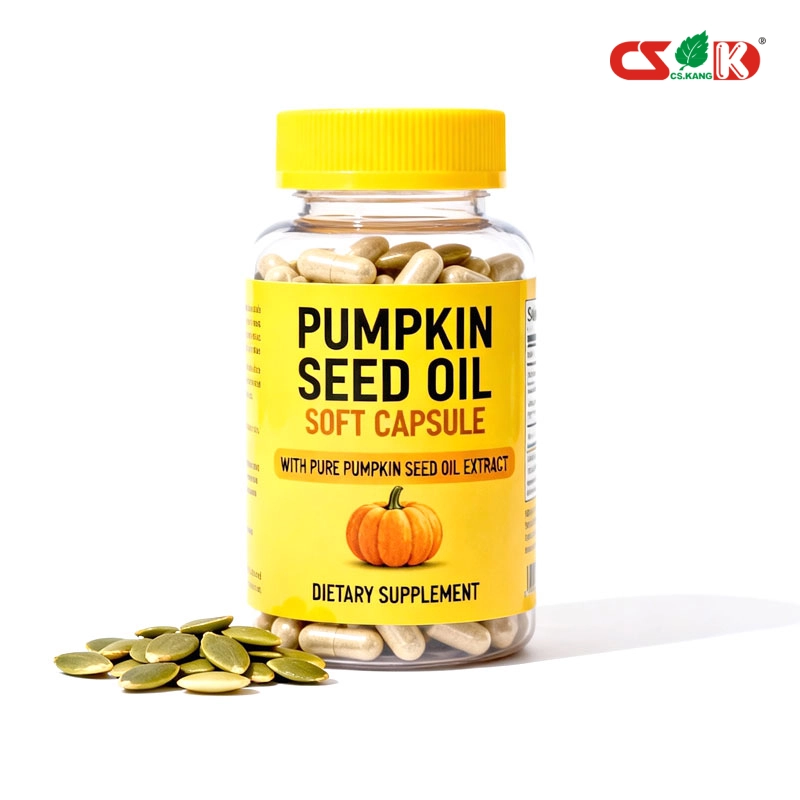
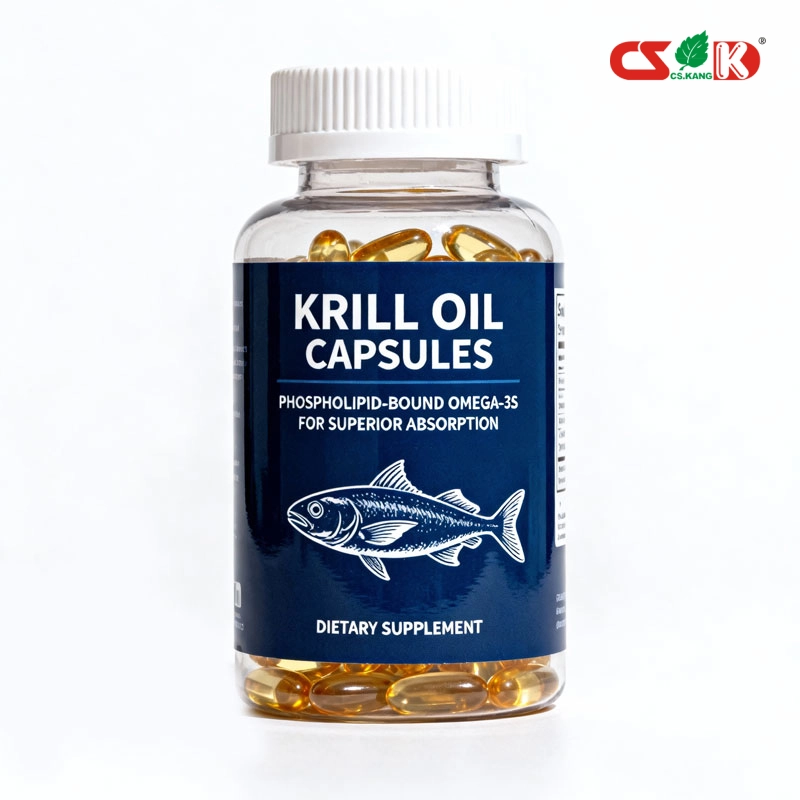
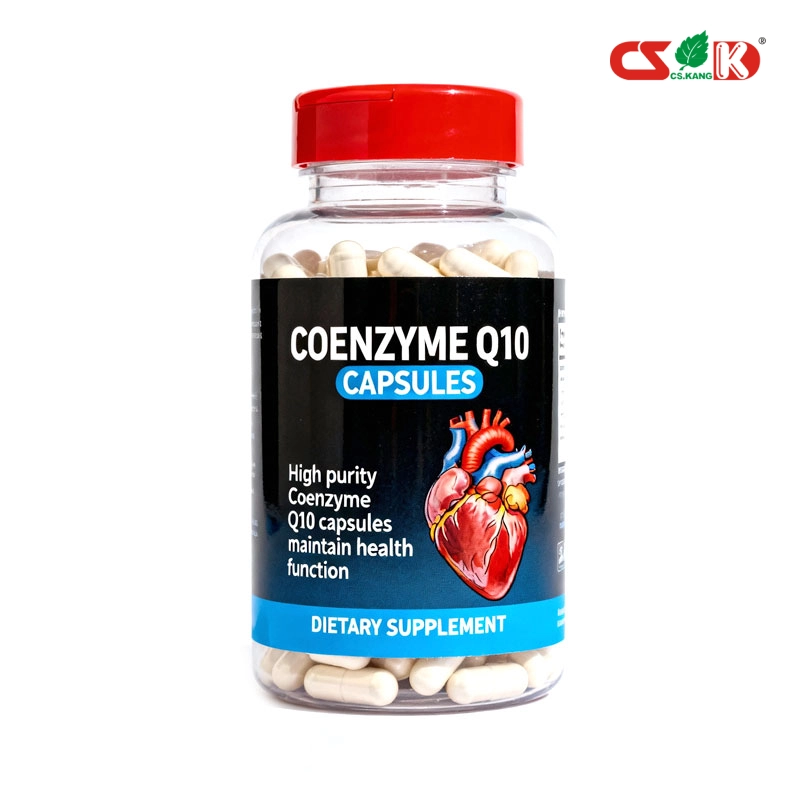
Explore our range of complementary dietary supplement products designed to meet diverse formulation and market needs. Each item is developed and manufactured with the same high-quality standards and expertise that define our dietary supplement contract manufacturing services, helping brands expand their product offerings efficiently and reliably.
Request a Quote for Dietary Supplement Contract Manufacturing
If you need CDMO services for health foods, nutritional supplements, or cosmetics, our team of experts is ready to provide you with customized solutions and quotes.

manufactoryinchina
CSK Biotech Dietary Supplements