

How to compare unit costs across supplement manufacturers?
1. What are the key factors influencing the unit cost of dietary supplements?
Understanding the unit cost of dietary supplements involves considering several critical factors:
Formulation Complexity: Custom blends with rare ingredients or proprietary delivery systems command higher prices.
Production Volume: Larger order quantities typically reduce per-unit costs. For instance, a batch size of 10,000 units can lower the cost per unit compared to smaller batches.
Ingredient Quality: The grade and origin of raw materials significantly impact costs. Premium ingredients, such as organic or non-GMO components, are more expensive.
Packaging and Branding: High-quality packaging and custom labeling enhance product appeal but also increase costs.
Regulatory Compliance and Testing: Ensuring products meet industry standards through third-party testing and certifications adds to the overall expense.
Manufacturing Location: The geographical location of the manufacturer affects labor and shipping costs.
2. How do minimum order quantities (MOQs) impact the cost per unit in supplement manufacturing?
Minimum Order Quantities (MOQs) play a significant role in determining the cost per unit:
Economies of Scale: Higher MOQs often lead to lower per-unit costs due to bulk purchasing and streamlined production processes.
Initial Investment: Smaller MOQs require a higher per-unit cost to cover setup and production expenses, which can be a barrier for startups.
Inventory Management: Larger orders necessitate more storage space and can tie up capital, affecting cash flow.
3. What are the hidden costs associated with supplement manufacturing that can affect unit pricing?
Several hidden costs can influence the final unit price:
Research and Development (R&D): Developing a new supplement formula involves significant R&D expenses, which can range from $5,000 to $50,000 per product.
Quality Control and Testing: Third-party testing for potency, purity, and safety adds to the cost.
Regulatory Compliance: Obtaining necessary certifications and ensuring compliance with industry standards incur additional fees.
Packaging and Labeling: Custom packaging and labeling, especially for premium designs, increase production costs.
Storage and Shipping: Warehousing and distribution expenses, including taxes and distribution fees, can add up.
4. How can I effectively compare unit costs across different supplement manufacturers?
To compare unit costs effectively:
Request Detailed Quotes: Obtain itemized cost breakdowns from manufacturers to understand pricing structures.
Use Cost Comparison Tools: Utilize online calculators to compare prices per unit across different brands.
Evaluate Total Value: Consider the overall value, including product quality, compliance, and additional services, rather than focusing solely on the lowest price.
5. What are the typical per-unit costs for various supplement forms, and how do they compare?
Per-unit costs vary by supplement form:
Capsules/Tablets: Approximately $0.05–$0.30 per bottle.
Gummy Vitamins: Around $0.18–$0.80 per bottle.
Powders & Drink Mixes: Between $0.20–$1.50 per pouch/tub.
Liquid Drops: Approximately $0.25–$1.25 per bottle.
These variations are influenced by factors such as ingredient complexity, production processes, and packaging requirements.
6. How do packaging and labeling choices affect the overall cost per unit in supplement manufacturing?
Packaging and labeling significantly impact unit costs:
Standard Packaging: Basic packaging options are cost-effective but may not enhance product appeal.
Custom Packaging: Unique designs, eco-friendly materials, and premium finishes increase costs but can boost brand perception and consumer trust.
Labeling: High-quality, multi-panel labels with detailed information and compliance markings add to the expense.
Investing in quality packaging and labeling can lead to higher initial costs but may result in better market positioning and higher sales.
In conclusion, selecting the right food supplement manufacturer and effectively comparing unit costs require a comprehensive understanding of various factors, including formulation complexity, production volume, ingredient quality, and packaging choices. By considering these elements, industry professionals can make informed decisions that align with their business objectives and ensure product quality.
For personalized assistance and a detailed quote, please contact us at steve@cskbiotech.com or visit our website at www.cskbiotech.com.
Latest Popular Articles


Discover expert tips from CSK Biotech, one of the top dietary supplements manufacturers, on handling international shipping and compliance for supplements. Ensure smooth global distribution with our comprehensive guide to regulations, packaging, and documentation. Stay compliant and competitive worldwide.
FAQ
文章
Can you help with gummy supplement customization?
Yes. Custom gummy supplements are one of our core strengths. We offer:
-
· Gelatin or pectin-based gummies
-
· Sugar-free or low-sugar options
-
· Customized flavors, colors, shapes, and textures
Our gummies are developed with a focus on taste, stability, and consumer appeal.
What types of dosage forms does CSK Biotech manufacture?
We offer a full range of supplement dosage forms, including:
-
· Softgel capsules
-
· Hard capsules
-
· Tablets
-
· Powder supplements
-
· Gummy supplements
-
· Liquid supplements (drops, syrups, oral liquids)
This allows our clients to build a complete and diversified product line with one reliable manufacturing partner.
Do you accept international orders?
Yes. CSK Biotech works with global clients and has experience supporting brands in:
-
· North America
-
· Europe
-
· Asia-Pacific
-
· Middle East and other regions
We are familiar with international cooperation processes and export requirements.
Do you provide packaging services?
Yes. We offer a variety of packaging solutions, including:
-
· Bottles and jars
-
· Sachets and sticks
-
· Bulk packaging
-
· Customized labeling options
Packaging can be tailored to your brand and target market needs.
How does the cooperation process work?
Our standard cooperation process includes:
-
1.Product consultation and requirement confirmation
-
2.Formula development or review
-
3.Sample production (if required)
-
4.Order confirmation and mass production
-
5.Quality inspection and packaging
-
6.Delivery
This structured process ensures efficiency and transparency.
Can CSK Biotech customize formulations?
Absolutely. We offer full formulation customization, including:
-
· Active ingredients selection
-
· Dosage optimization
-
· Flavor and taste adjustment
-
· Stability and bioavailability improvement
Our technical team ensures that each formula is safe, effective, and suitable for the target market.
Related Products
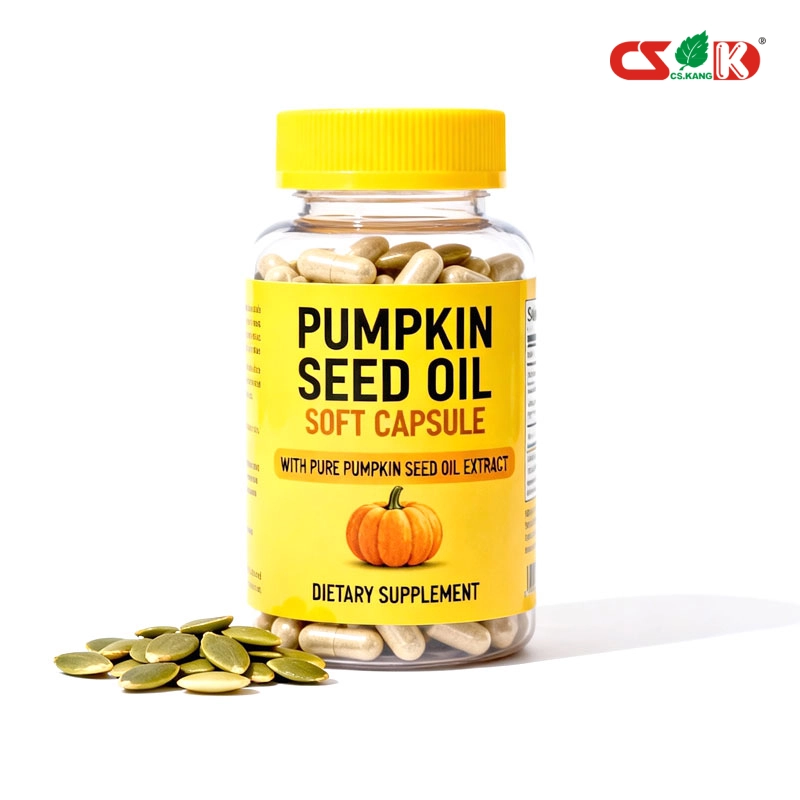
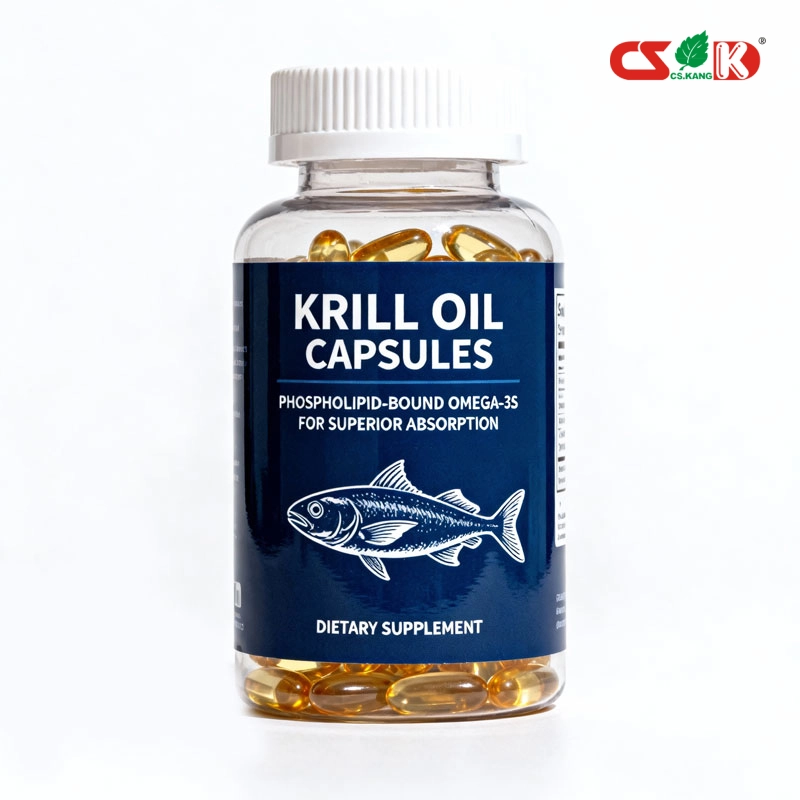
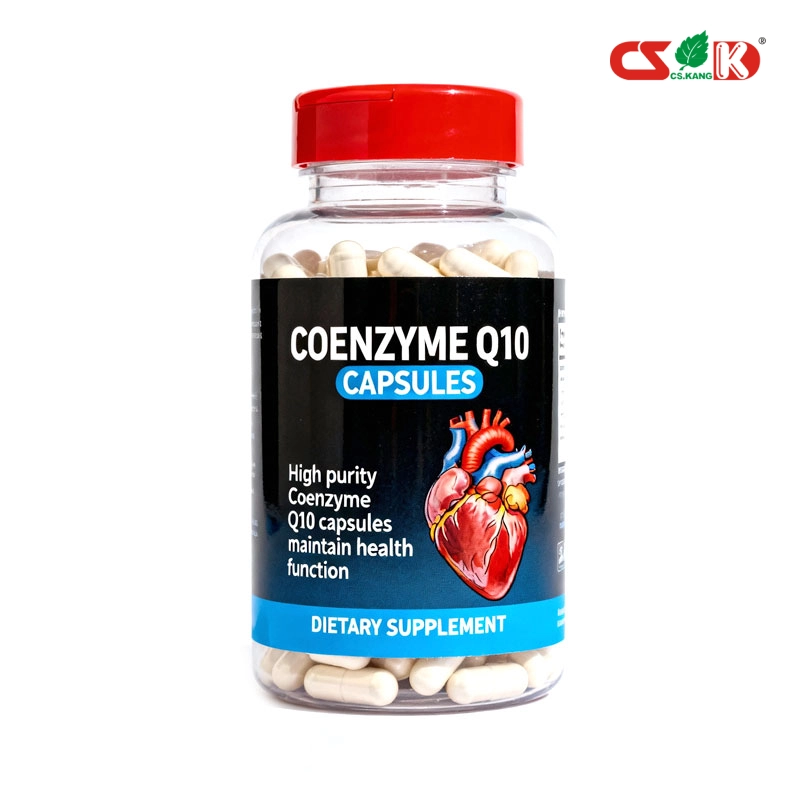
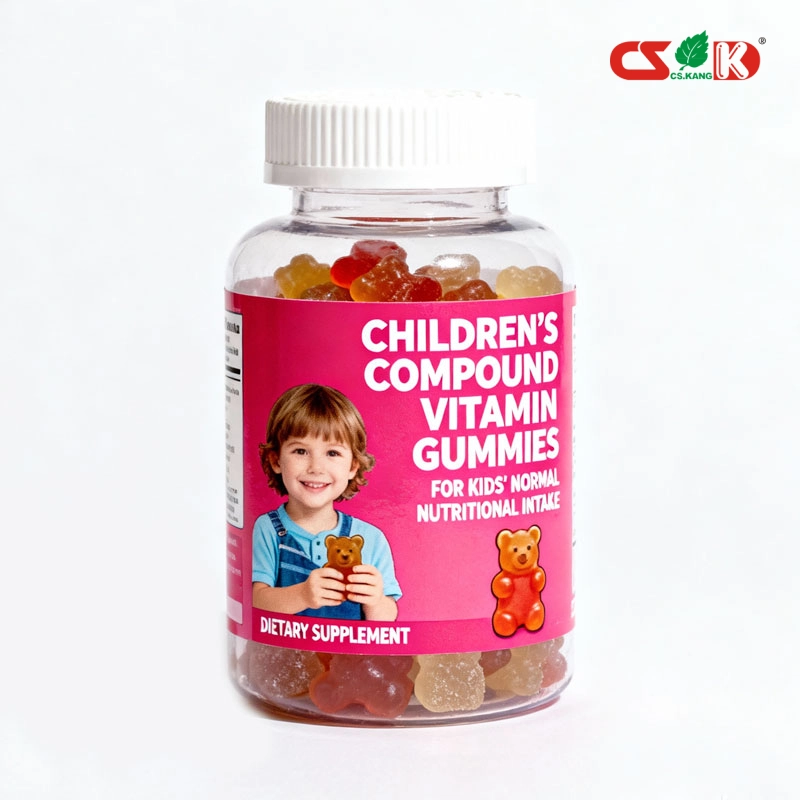
Explore our range of complementary dietary supplement products designed to meet diverse formulation and market needs. Each item is developed and manufactured with the same high-quality standards and expertise that define our dietary supplement contract manufacturing services, helping brands expand their product offerings efficiently and reliably.
Request a Quote for Dietary Supplement Contract Manufacturing
If you need CDMO services for health foods, nutritional supplements, or cosmetics, our team of experts is ready to provide you with customized solutions and quotes.

manufactoryinchina
CSK Biotech Dietary Supplements