

The Ultimate Guide to Nutritional Supplements Manufacturing: From Concept to Consumer
This comprehensive guide explores the end-to-end process of nutritional supplement manufacturing. It covers critical market trends, regulatory compliance (GMP/FDA), technical production steps, and strategic advice for choosing a manufacturing partner to maximize ROI and brand trust.
Introduction
The global nutritional supplement industry is undergoing a seismic shift, driven by a proactive consumer base and rapid technological advancements. With the market projected to reach approximately $414.5 billion by 2033, growing at a CAGR of 8.9% (Source), the opportunity for brands to scale is immense. However, the path from a unique concept to a consumer-ready product is paved with complex regulatory hurdles, intricate supply chain logistics, and rigorous quality standards.
For established brands and emerging startups alike, understanding the manufacturing ecosystem is not just about production—it's about risk management and brand equity. In an era where transparency is currency, partnering with a manufacturer who embodies Experience, Expertise, Authority, and Trustworthiness is the defining factor between market leadership and costly recalls.
This guide provides an authoritative look into the mechanics of nutritional supplement manufacturing, leveraging deep industry insights to help you navigate 21 CFR Part 111 compliance, optimize costs, and future-proof your supply chain.
Understanding the Nutritional Supplements Industry Landscape
Before diving into the machinery, it is crucial to understand the market forces at play. The contract manufacturing sector itself is booming, estimated at $167.64 billion in 2024 and expected to grow at a CAGR of 12.1% (Source). This growth is fueled by several key drivers:
· Preventative Wellness: Consumers are shifting from reactive treatment to proactive health management, driving demand for immunity, gut health, and cognitive support products.
· Personalized Nutrition: The "one-size-fits-all" multivitamin is being replaced by tailored formulations based on biomarkers and lifestyle data.
· Format Innovation: While tablets remain dominant, there is a surge in demand for gummies, softgels, and functional beverages, particularly among younger demographics.
The Core Process of Nutritional Supplement Manufacturing
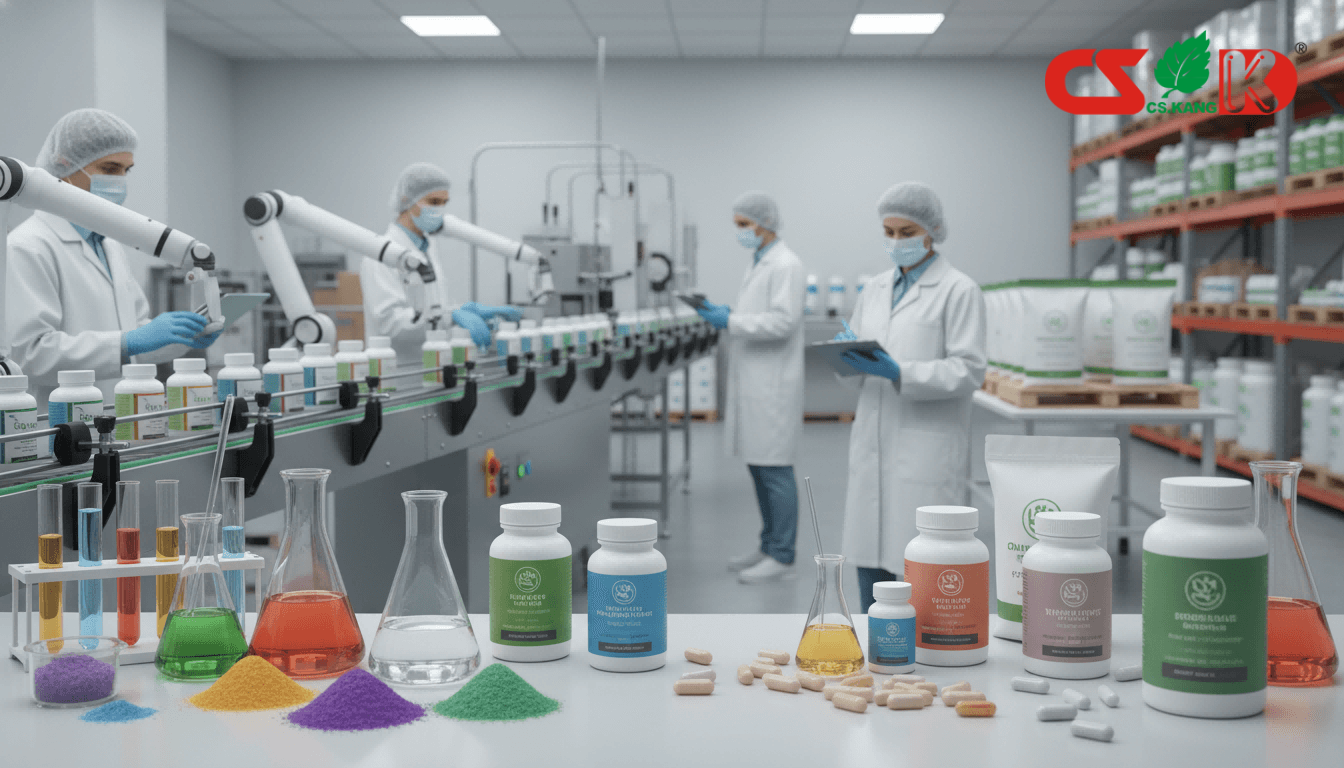
High-quality manufacturing is a blend of scientific precision and operational excellence. At top-tier facilities, the process involves several critical stages, each governed by strict protocols.
1. Raw Material Sourcing and Qualification
Great products start with great ingredients. Manufacturers must validate the identity, purity, and potency of every raw material. This involves more than just checking a Certificate of Analysis (CoA); it requires rigorous identity testing (e.g., FTIR spectroscopy) to prevent economic adulteration.
2. Formulation Development (R&D)
This is where science meets marketability. Expert formulators work to ensure:
· Bioavailability: Ensuring the nutrients are absorbed effectively (e.g., using liposomal delivery systems).
· Stability: Verifying that ingredients do not degrade when blended.
· Dosage Accuracy: Calculating the precise overages needed to meet label claims at the end of shelf life.
3. Mixing and Blending
Uniformity is non-negotiable. Whether using V-blenders for gentle tumbling or ribbon blenders for more cohesive powders, the goal is a homogenous mix. Inadequate blending can lead to "hot spots" where one capsule has too much active ingredient and another has none.
4. Manufacturing Technologies
· Tablets: Involves granulation (wet or dry) followed by high-speed compression. Advanced coating pans are used to apply enteric or aesthetic coatings.
· Capsules: Hard shell encapsulation (gelatin or HPMC vegetarian) allows for clean labels and the inclusion of complex blends without binders.
· Softgels: Ideal for oil-based formulas like Omega-3s, requiring precise gelatin preparation and encapsulation in a controlled humidity environment.
· Gummies: A rapidly growing segment requiring specialized cooking and mogul lines to ensure consistent texture and active ingredient stability.
5. Packaging and Labeling
The final step involves bottling, blistering, or pouching. This stage must strictly adhere to labeling laws, including accurate Supplement Facts panels and allergen warnings. Automated lines ensure correct counts, induction sealing, and lot coding for traceability.
Unwavering Commitment to Quality and Regulatory Compliance
In the supplement industry, quality is a legal mandate. The FDA regulates dietary supplements under 21 CFR Part 111, the Current Good Manufacturing Practices (cGMP).
FDA Regulations and GMP Standards
Adherence to 21 CFR Part 111 is not optional. It dictates requirements for:
· Personnel: Training and hygiene.
· Physical Plant: Cleanliness and zoning to prevent cross-contamination.
· Production Controls: Master Manufacturing Records (MMR) and Batch Production Records (BPR) must be meticulously maintained.
Recent FDA data indicates that failure to establish specifications is a top citation (Source). A robust quality system prevents this by establishing specifications for every component, in-process step, and finished product.
Quality Control (QC) and Testing
A comprehensive testing regime includes:
· Identity Testing: Verifying the ingredient is what it claims to be.
· Potency Testing: Ensuring the active ingredient matches the label claim (often using HPLC or ICP-MS).
· Contaminant Testing: Screening for heavy metals (lead, mercury, arsenic, cadmium), pesticides, and microbial pathogens.
· Stability Testing: Real-time and accelerated studies to determine expiration dates.
Third-Party Certifications
To build consumer trust, look for manufacturers with certifications from reputable bodies like NSF International, USP, or SGS. These independent audits verify that the facility meets or exceeds GMP standards.
Choosing the Right Nutritional Supplement Manufacturer: A Strategic Partnership
Selecting a manufacturer is a strategic decision that impacts your brand's reputation and bottom line.
· Assess Expertise: Does the manufacturer specialize in your delivery format? A facility excellent at making protein powders may lack the specialized equipment for softgels.
· Audit Capability: Conduct an on-site audit or hire a third-party consultant. Verify their SOPs, pest control records, and water purification systems.
· Transparency: A trustworthy partner will provide full transparency into their supply chain and testing results. If they hesitate to show you a raw material CoA, walk away.
· Capacity and Scalability: Ensure they can handle your current MOQs (Minimum Order Quantities) but also have the capacity to scale as you grow.
Cost Structures and Maximizing ROI in Supplement Production
Understanding the cost drivers helps in budgeting and pricing strategies.
· MOQs and Pricing: Higher volumes typically lower the per-unit cost due to economies of scale in blending and setup times.
· Raw Materials: Premium, branded ingredients cost more but offer marketing advantages and clinical backing.
· Testing Costs: rigorous testing is expensive but cheaper than a recall. Budget for full-panel testing on every lot.
· Hidden Costs: Factor in warehousing, shipping, and potential tariffs on imported ingredients.
Strategy: Work with your manufacturer to optimize batch sizes. Producing a 6-month supply often yields a better ROI than monthly small runs, provided you have the cash flow and storage.
Navigating Supply Chain Complexity and Resilience
The post-pandemic era has highlighted the fragility of global supply chains. With significant reliance on Asia for raw materials, geopolitical factors can disrupt production.
· Diversification: Smart manufacturers maintain relationships with suppliers in multiple regions (e.g., sourcing Vitamin C from both China and Europe) to mitigate tariff risks and shortages (Source).
· Inventory Management: Implementing safety stock policies for long-lead-time ingredients ensures production continuity.
· Traceability: Blockchain and advanced ERP systems are increasingly used to track ingredients from "farm to shelf," satisfying consumer demand for transparency.
Innovation and Future Trends in Supplement Manufacturing
To stay ahead, brands must leverage emerging trends:
· Sustainability: Consumers are willing to pay more for eco-friendly packaging. The shift toward Post-Consumer Recycled (PCR) plastics and biodegradable pouches is accelerating (Source).
· Advanced Delivery Systems: Technologies like liposomal encapsulation and beadlets in capsules allow for better absorption and sustained release.
· AI and Data: Artificial Intelligence is being used to analyze consumer data for trend prediction and to optimize formulations for efficacy and taste.
Beyond Production: Post-Manufacturing Support
The job isn't done when the bottles are filled. A full-service partner often offers:
· Warehousing and Fulfillment: Climate-controlled storage is vital for probiotics and softgels.
· Regulatory Support: Assistance with label compliance reviews to avoid FTC warning letters regarding health claims.
· Market Intelligence: Sharing insights on emerging ingredients to help you plan your next product launch.
Frequently Asked Questions
What is a nutritional supplements manufacturer?
A nutritional supplements manufacturer is a specialized facility that produces dietary health products (vitamins, minerals, botanicals) for brands. They handle raw material sourcing, blending, encapsulation, testing, and packaging, ensuring compliance with FDA cGMP regulations.
What are GMPs and why are they important?
GMP stands for Good Manufacturing Practices. These are regulations enforced by the FDA (21 CFR Part 111) to ensure supplements are consistently produced and controlled according to quality standards. They cover everything from equipment cleanliness to record-keeping, ensuring product safety and purity.
What is the typical lead time for production?
Lead times vary based on ingredient availability and format. Standard lead times range from 8 to 12 weeks, while custom formulations or complex supply chains can extend this to 16+ weeks. Planning inventory 4-6 months in advance is recommended.
Can manufacturers help with R&D?
Yes, top-tier manufacturers have in-house R&D teams consisting of food scientists and chemists. They assist with ingredient selection, dosage optimization, flavoring systems (for gummies/powders), and stability testing to create a shelf-stable product.
What types of testing are done?
Mandatory testing includes identity testing (raw materials), in-process testing (blend uniformity), and finished product testing for potency, purity (heavy metals, microbes), and disintegration/dissolution.
What are private label supplements?
Private label refers to pre-formulated, "off-the-shelf" products that a manufacturer has already developed and tested. Brands can apply their own label to these products, allowing for a faster and lower-cost market entry compared to custom formulations.
How important is sustainability in manufacturing?
It is critical. A growing segment of consumers prioritizes eco-friendly brands. Sustainable manufacturing involves using energy-efficient equipment, minimizing waste, sourcing ethically produced ingredients, and utilizing recyclable packaging materials like PCR plastic.
References
· Grand View Research. (2025). Dietary Supplements Market Size & Outlook.
· Precedence Research. (2024). Nutraceutical Contract Manufacturing Services Market Size.
· Certified Laboratories. (2025). Detailing the Top Five 21 CFR 111 Compliance Issues.
· NIE Magazine. (2025). Navigating Nutritional Supplement Industry Supply Chain Management.
· Unette. (2024). Trends in Liquid Supplement Packaging for 2024.
Latest Popular Articles


Discover expert tips from CSK Biotech, one of the top dietary supplements manufacturers, on handling international shipping and compliance for supplements. Ensure smooth global distribution with our comprehensive guide to regulations, packaging, and documentation. Stay compliant and competitive worldwide.
FAQ
文章
Why choose CSK Biotech as your manufacturing partner?
Clients choose CSK Biotech because we offer:
-
· Comprehensive dosage form capabilities
-
· Strong customization and R&D support
-
· GMP-compliant manufacturing
-
· Reliable quality and stable supply
-
· One-stop OEM/ODM solutions
Do you accept international orders?
Yes. CSK Biotech works with global clients and has experience supporting brands in:
-
· North America
-
· Europe
-
· Asia-Pacific
-
· Middle East and other regions
We are familiar with international cooperation processes and export requirements.
Who is CSK Biotech?
CSK Biotech is a professional biotechnology company specializing in OEM/ODM contract manufacturing of dietary supplements. We provide customized production services for softgel capsules, hard capsules, tablets, powders, gummies, and liquid supplements, supporting global brands from formulation to finished products.
How long does production usually take?
Production timelines vary depending on:
-
· Dosage form
-
· Formula complexity
-
· Order quantity
-
· Packaging requirements
Generally, production takes several weeks after formula confirmation and raw material preparation.
Can CSK Biotech assist with labeling and documentation?
Yes. We provide support for:
-
· Product labeling requirements
-
· Ingredient lists and specifications
-
· Basic regulatory documentation
This helps ensure smoother market entry and compliance with customer requirements.
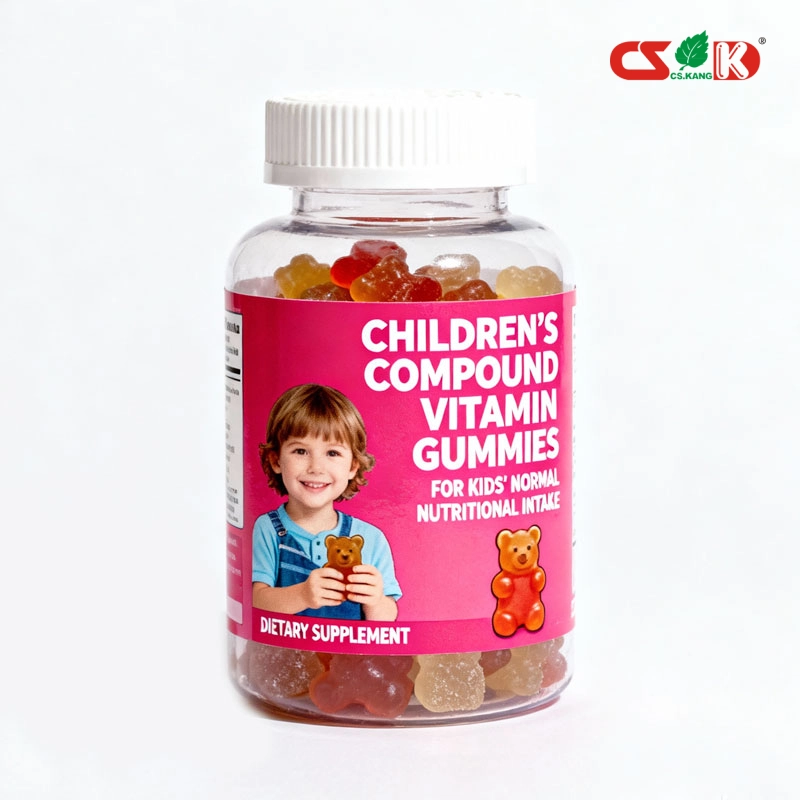
Can you help with gummy supplement customization?
Yes. Custom gummy supplements are one of our core strengths. We offer:
-
· Gelatin or pectin-based gummies
-
· Sugar-free or low-sugar options
-
· Customized flavors, colors, shapes, and textures
Our gummies are developed with a focus on taste, stability, and consumer appeal.
Related Products
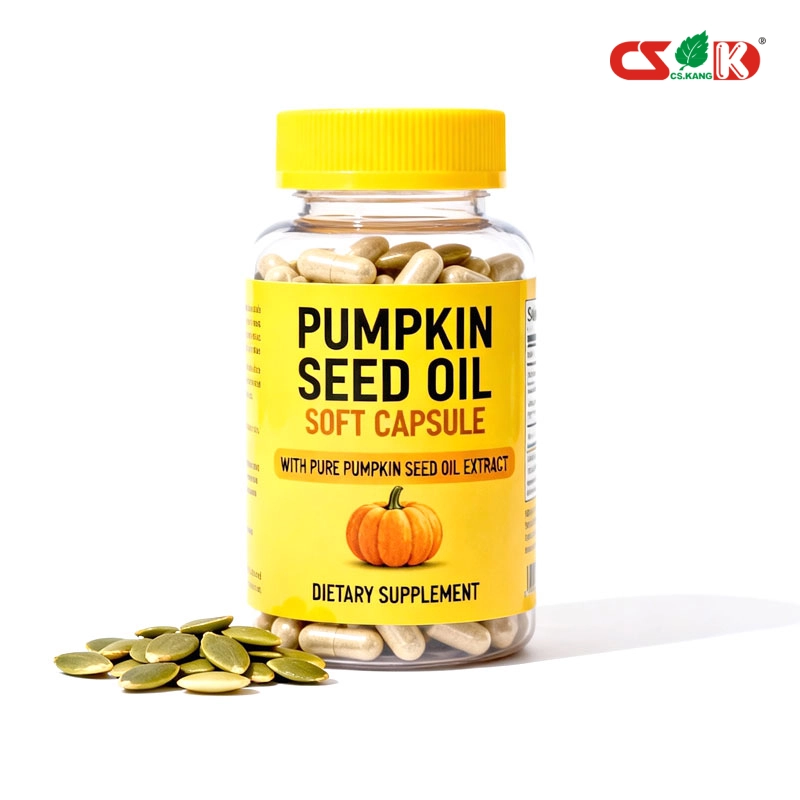
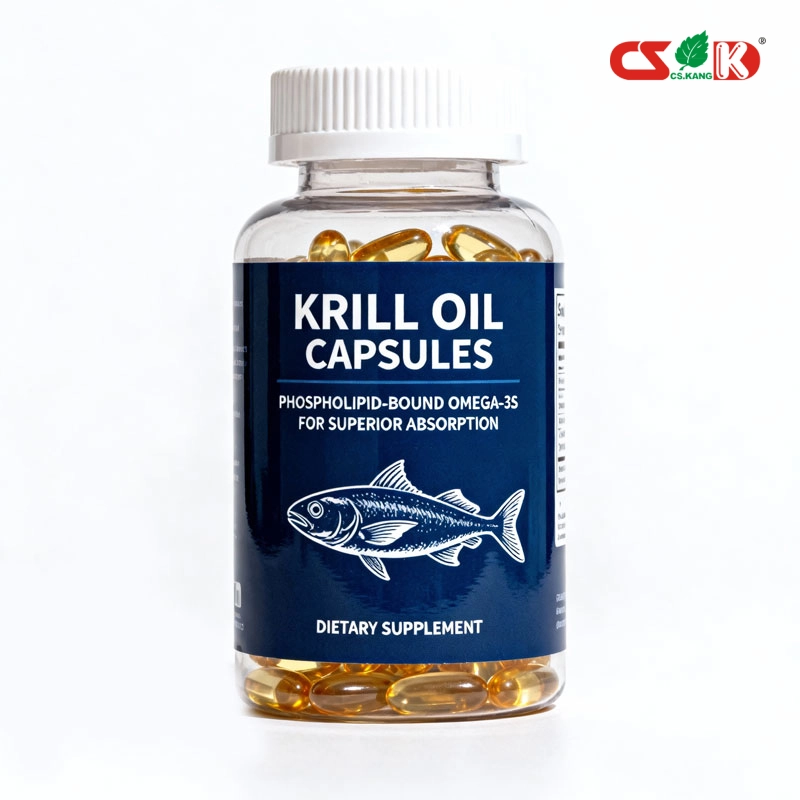
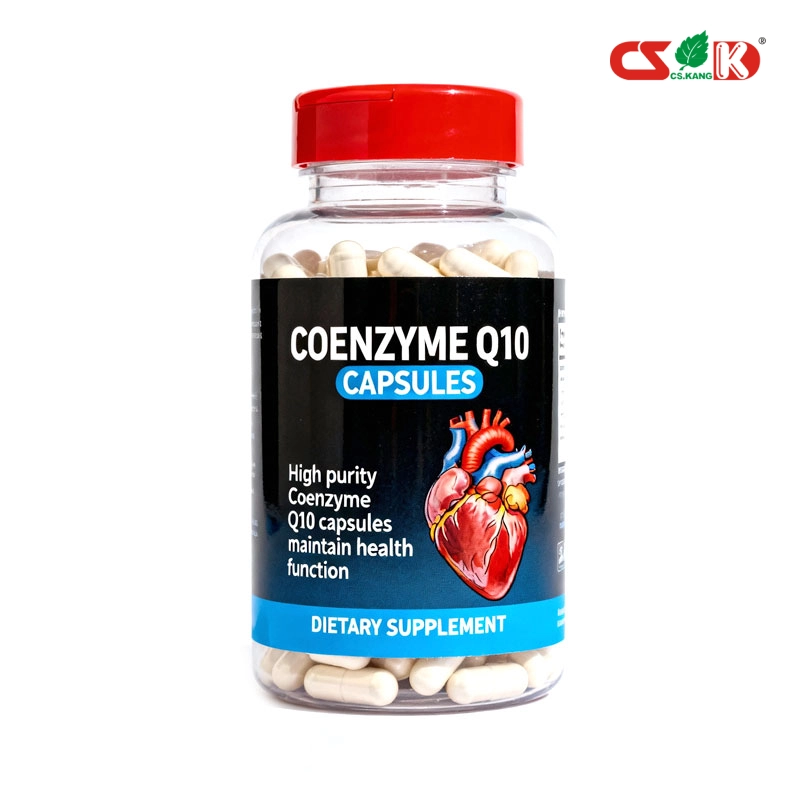
Explore our range of complementary dietary supplement products designed to meet diverse formulation and market needs. Each item is developed and manufactured with the same high-quality standards and expertise that define our dietary supplement contract manufacturing services, helping brands expand their product offerings efficiently and reliably.
Request a Quote for Dietary Supplement Contract Manufacturing
If you need CDMO services for health foods, nutritional supplements, or cosmetics, our team of experts is ready to provide you with customized solutions and quotes.

manufactoryinchina
CSK Biotech Dietary Supplements