
The Ultimate Guide to Nutritional Supplement Manufacturing: Strategies for Success in 2026 and Beyond
A comprehensive guide to nutritional supplement manufacturing, covering the entire lifecycle from formulation and regulatory compliance to future trends for 2026. Includes expert insights on contract manufacturing, cost analysis, and quality control.
What Does It Mean to Manufacture Nutritional Supplements?
Manufacturing nutritional supplements involves a multi-stage process from concept to a market-ready product, encompassing formulation, ingredient sourcing, production, rigorous quality control, and packaging. The primary goal is to produce safe, effective, and compliant dietary supplements that meet specific health objectives and consumer demands. This intricate process adheres to strict regulatory standards, ensuring product purity, potency, and consistency for global distribution.
The Core Objectives
Successful nutritional supplement manufacturing process workflows are designed to transform raw bioactive ingredients into consumer-friendly formats like capsules, tablets, or gummies. Beyond mere assembly, it requires a deep understanding of biochemistry to ensure ingredient stability and bioavailability. Manufacturers must balance scientific efficacy with commercial viability, creating products that are not only healthy but also profitable and scalable.

Key Takeaways: Your Blueprint for Supplement Manufacturing Success
Success in the supplement industry relies on mastering the end-to-end supply chain, from compliant formulation to strategic contract manufacturing partnerships.
· End-to-End Process: Successful manufacturing requires navigating concept, formulation, sourcing, production, QC, and market launch.
· Regulatory Adherence: Strict compliance with FDA (21 CFR Part 111), GMPs, and international standards is non-negotiable.
· Quality is Paramount: Robust quality control at every stage prevents recalls and builds consumer trust.
· Strategic Partnerships: Leveraging expert CDMOs can accelerate market entry and ensure scalability. For instance, CSK Biotech offers contract supplement manufacturer services backed by a GMP-certified 2,000 m² factory.
· Future-Proofing: Embracing advanced technologies and sustainable practices is vital for long-term competitiveness.
The Comprehensive Journey: A Step-by-Step Guide to Supplement Production
The supplement production lifecycle is a systematic sequence of eight critical phases, ensuring that every finished product meets safety, efficacy, and label claim standards.
1. Product Conceptualization & Market Research
Before a single ingredient is weighed, brands must define the product's purpose. This involves identifying the target audience and analyzing market demand. According to Grand View Research, the global dietary supplements market is projected to reach USD 414.52 billion by 2033, driven by preventive healthcare trends.
2. Formulation Development
This phase involves creating the precise blend of ingredients, considering efficacy, stability, and bioavailability. This is where advanced supplement formulation comes into play. R&D teams, such as those at CSK Biotech, utilize pilot testing to ensure that the theoretical formula works in practice, offering ODM (Original Design Manufacturing) models for market-oriented innovation.
3. Raw Material Sourcing & Testing
Manufacturers must identify reputable suppliers and conduct rigorous identity, purity, and contaminant testing (e.g., heavy metals, microbes). High-quality sourcing is the foundation of GMP compliant supplement manufacturing.
4. Manufacturing Production
Once materials are vetted, production begins. This includes blending, granulation, encapsulation, tableting, liquid filling, or gummification. CSK Biotech, for example, operates seven advanced production lines capable of producing 4.5 billion softgels and 1.5 billion tablets annually, demonstrating the scale required for global distribution.
5. In-Process Quality Control
Quality is monitored in real-time. technicians check production batches for consistency, weight, hardness, disintegration, and other critical parameters to ensure uniformity.
6. Finished Product Testing
A comprehensive analysis of the final product checks for potency, purity, contaminants, and stability. This creates the Certificate of Analysis (CoA) that retailers and consumers rely on.
7. Packaging & Labeling
This step involves designing and applying compliant labels, ensuring accurate ingredient lists, dosage, warnings, and health claims. Packaging must also protect the product from moisture and light.
8. Storage & Distribution
Proper inventory management ensures product integrity is maintained until it reaches the consumer.
Navigating the Regulatory Labyrinth: Compliance & Certifications
Regulatory compliance is the legal backbone of the supplement industry, requiring strict adherence to FDA guidelines and international quality standards to ensure consumer safety.
Understanding the Rules
· FDA Regulations (21 CFR Part 111): These establish the Current Good Manufacturing Practices (cGMPs) for dietary supplements in the U.S., mandating specific procedures for facilities, equipment, and personnel.
· Dietary Supplement Health and Education Act (DSHEA): This act defines what qualifies as a dietary supplement and regulates the types of health claims that can be made.
· International Standards: For brands targeting global markets, compliance with certifications like ISO, HACCP, and GMPC is essential. CSK Biotech maintains these certifications to facilitate international market access for its partners.
· Labeling Requirements: Regulatory compliance dietary supplements dictates that all labels must be truthful and not misleading. Mislabeling is a primary cause of FDA warning letters.
Leveraging Contract Manufacturing (CDMOs) for Strategic Advantage
Partnering with a Contract Development and Manufacturing Organization (CDMO) allows brands to access enterprise-grade production infrastructure and R&D expertise without massive capital investment.
Why Brands Choose CDMOs
· Benefits of Partnership: Access to specialized expertise, advanced equipment, economies of scale, reduced overhead, and faster speed-to-market.
· Choosing the Right CDMO: Look for partners with proven track records and comprehensive certifications. A robust partner should offer end-to-end service capabilities.
· CSK Biotech as an Industry Leader: Founded in 2008, CSK Biotech exemplifies a top-tier partner, offering private label supplement development and custom supplement production. Their ability to handle high-volume orders with an annual capacity of billions of units makes them a strategic asset for growing brands.
· Cooperation Models:
o ODM: Market-oriented product innovation.
o CDM: Tailor-made product design.
o OEM: Precise, formula-based production.
Advanced Technologies & Innovation: Revolutionizing Supplement Production
The integration of AI, robotics, and blockchain is transforming supplement manufacturing from a manual, batch-based industry into a precise, data-driven ecosystem.
Tech-Driven Efficiency
· Automation & Robotics: These technologies enhance precision, reduce human error, and increase efficiency in blending, filling, and packaging.
· Artificial Intelligence (AI) in Formulation: AI is now used for predictive modeling in ingredient interactions and optimizing bioavailability. This is a key aspect of future trends in supplement manufacturing.
· Enhanced Traceability Solutions: Blockchain ensures transparency from farm to finished product, a critical factor given that 78% of global consumers are willing to pay more for supply chain transparency (NielsenIQ).
· Sustainable Manufacturing Practices: Eco-friendly processes are no longer optional. Adopting responsible sourcing and waste reduction meets growing consumer demand.
Ensuring Product Excellence: Comprehensive Quality Control & Risk Mitigation
Quality control involves a multi-layered defense system comprising ingredient verification, environmental monitoring, and finished product testing to eliminate risks.
The Pillars of Quality
· Rigorous Ingredient Verification: Beyond basic testing, advanced analytical techniques confirm identity and potency while screening for novel contaminants.
· Environmental Monitoring: Controlled manufacturing environments prevent cross-contamination. Supplement quality control standards require strict hygiene protocols.
· Stability Testing Programs: Accelerated and real-time stability studies determine shelf-life. CSK Biotech offers stability verification as part of their end-to-end solution.
· Supplier Qualification & Auditing: Vetting suppliers is the first line of defense against product recalls.
· Risk Mitigation Strategies: Robust recall plans and comprehensive insurance coverage are essential business safeguards.
Strategic Considerations: Costs, Timelines, and Intellectual Property
Launching a supplement brand requires careful financial planning, with startup costs ranging from $10,000 to over $100,000 depending on formulation complexity and scale.
Planning for Success
· Cost Factors: Manufacturing costs are driven by raw material quality, batch size, and testing requirements. Custom formulations typically cost between $5,000 and $15,000 to develop (NutraSeller).
· Project Timelines: Timelines from concept to distribution can range from 6 to 18 months, influenced heavily by raw material lead times and stability testing durations.
· Intellectual Property (IP) Protection: Use non-disclosure agreements (NDAs) when working with CDMOs to protect your proprietary formulas.
· Scalability Planning: Select a partner like CSK Biotech that can scale from pilot batches to billions of units without compromising quality.
Expert Tips for Supplement Brands: Avoiding Common Pitfalls & Maximizing Success
To survive in a competitive market, supplement brands must prioritize regulatory compliance and product quality over short-term cost savings.
· Don't Underestimate Regulatory Complexity: Always consult with regulatory experts. Non-compliance can shut down a business overnight.
· Prioritize Quality Over Cost: Cheap ingredients often fail potency tests. High-quality raw materials reduce the risk of recalls.
· Thoroughly Vet Your Manufacturing Partner: Look beyond pricing. Assess their certifications (FDA, ISO, GMPC) and R&D capabilities.
· Invest in Robust R&D: Product efficacy drives repeat purchases. CSK Biotech's professional R&D team helps ensure formulas are scientifically sound.
· Understand Your Target Market: Ensure your product solves a specific problem. The market is too crowded for generic solutions.
The Future of Nutritional Supplement Manufacturing: Trends for 2026 and Beyond
The next generation of supplements will be defined by hyper-personalization, AI-driven development, and a radical shift toward sustainable, transparent supply chains.
· Personalized & Precision Nutrition: Leveraging genomics and AI to create highly customized formulations.
· Hyper-Sustainable Sourcing: Consumers demand ethical and environmentally friendly practices.
· Advanced Bioavailability: Innovations in delivery systems (like liposomal technology) ensure maximum nutrient absorption.
· Data-Driven Quality Assurance: Machine learning will optimize quality control, predicting potential issues before they occur.
· Global Market Harmonization: Regulatory frameworks are evolving to streamline international trade, making it easier to export compliant products.
Frequently Asked Questions (FAQ)
How long does it typically take to manufacture nutritional supplements from concept to market?
The timeline typically ranges from 6 to 18 months. Factors influencing this include formulation complexity, raw material sourcing lead times (especially for rare ingredients), mandatory stability testing protocols, and regulatory approval processes.
What are the essential regulatory requirements for supplement manufacturing in the U.S.?
The FDA's Current Good Manufacturing Practices (cGMPs) under 21 CFR Part 111 are paramount. These regulations cover personnel, facility cleanliness, equipment maintenance, and process controls. Additionally, the Dietary Supplement Health and Education Act (DSHEA) regulates labeling and health claims.
What is the difference between OEM, ODM, and CDM in supplement manufacturing?
· OEM (Original Equipment Manufacturing): The manufacturer produces supplements based strictly on the client's provided formula.
· ODM (Original Design Manufacturing): The manufacturer designs a market-ready product which the client brands.
· CDM (Contract Development and Manufacturing): A collaborative model where the manufacturer, like CSK Biotech, assists in tailor-made design and development alongside production.
How do reputable manufacturers ensure quality control in supplement production?
Reputable manufacturers use a three-stage approach: Raw material identity testing (to ensure ingredients are what they claim to be), in-process checks (monitoring weight and hardness during production), and finished product testing (verifying potency and purity before release).
What types of machinery and equipment are essential for supplement manufacturing?
Essential equipment includes V-blenders for uniform mixing, rotary tablet presses, encapsulation machines for softgels and hard shells, and liquid filling lines. Advanced lines, such as the seven lines operated by CSK Biotech, also include automated bottling and labeling systems.
References
· Dietary Supplements Market Size & Growth Report, 2030 - Grand View Research
· Dietary Supplements Market Size, Share & Trends Analysis Report - Grand View Research
Latest Popular Articles


Discover expert tips from CSK Biotech, one of the top dietary supplements manufacturers, on handling international shipping and compliance for supplements. Ensure smooth global distribution with our comprehensive guide to regulations, packaging, and documentation. Stay compliant and competitive worldwide.
FAQ
文章
What types of dosage forms does CSK Biotech manufacture?
We offer a full range of supplement dosage forms, including:
-
· Softgel capsules
-
· Hard capsules
-
· Tablets
-
· Powder supplements
-
· Gummy supplements
-
· Liquid supplements (drops, syrups, oral liquids)
This allows our clients to build a complete and diversified product line with one reliable manufacturing partner.
How does the cooperation process work?
Our standard cooperation process includes:
-
1.Product consultation and requirement confirmation
-
2.Formula development or review
-
3.Sample production (if required)
-
4.Order confirmation and mass production
-
5.Quality inspection and packaging
-
6.Delivery
This structured process ensures efficiency and transparency.
Why choose CSK Biotech as your manufacturing partner?
Clients choose CSK Biotech because we offer:
-
· Comprehensive dosage form capabilities
-
· Strong customization and R&D support
-
· GMP-compliant manufacturing
-
· Reliable quality and stable supply
-
· One-stop OEM/ODM solutions
What is your minimum order quantity (MOQ)?
MOQ depends on the dosage form, formula complexity, and packaging requirements. CSK Biotech offers flexible MOQs to support:
-
· Start-up brands
-
· New product launches
-
· Large-scale production orders
Please contact us for specific MOQ details.
What quality control measures do you have?
Our quality control system includes:
-
· Raw material inspection and verification
-
· In-process quality monitoring
-
· Finished product testing
-
· Batch record management and traceability
Quality and compliance are integrated into every stage of our manufacturing process.
Are your manufacturing facilities GMP certified?
Yes. CSK Biotech operates under GMP (Good Manufacturing Practices) standards. Our production facilities follow strict quality · · · management systems to ensure:
-
· Product safety
-
· Batch consistency
-
· Full traceability of raw materials and finished products
Related Products
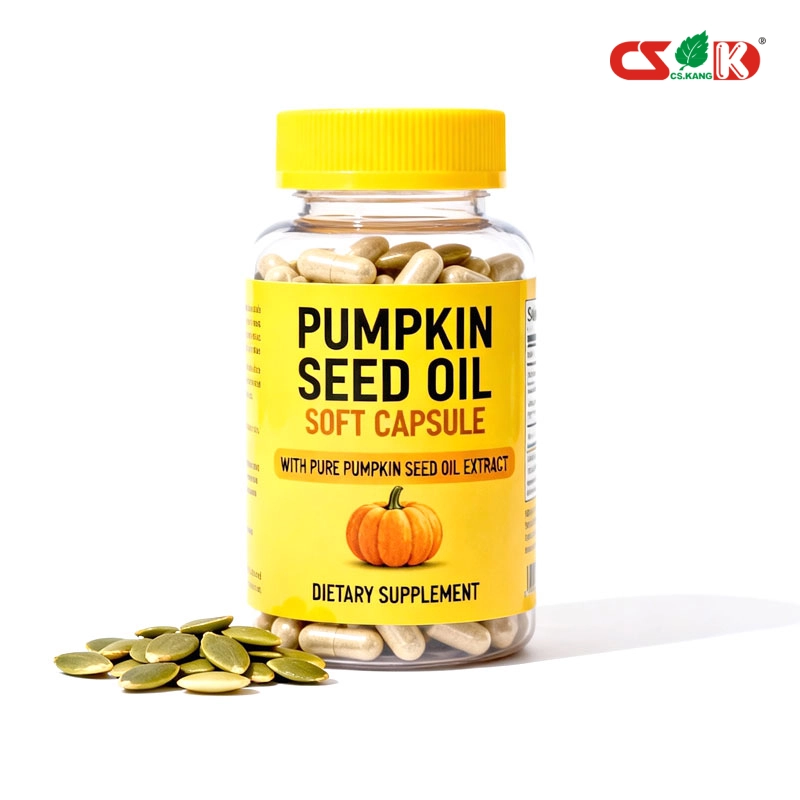
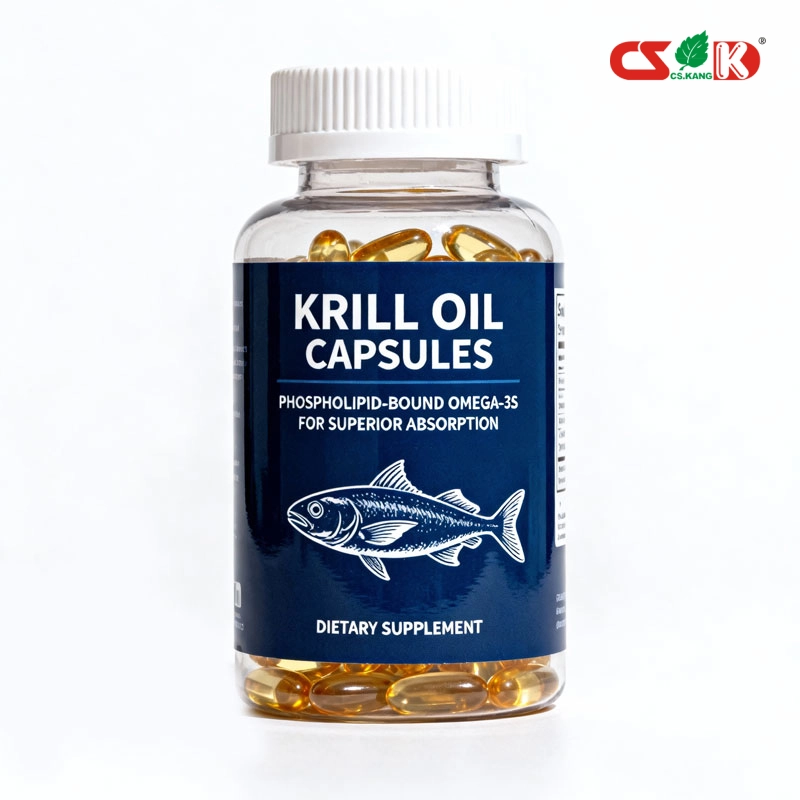
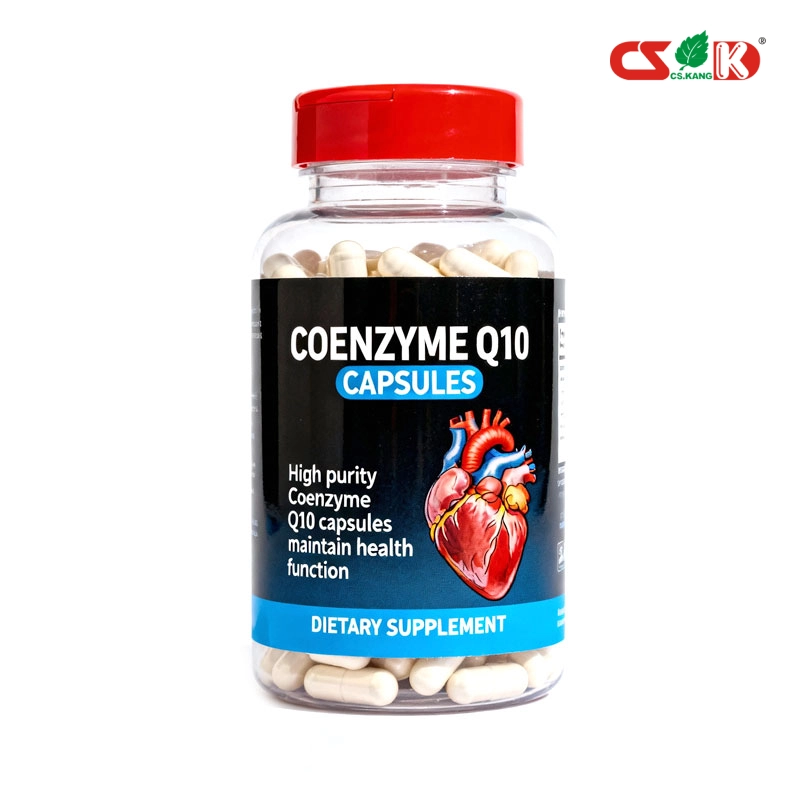
Explore our range of complementary dietary supplement products designed to meet diverse formulation and market needs. Each item is developed and manufactured with the same high-quality standards and expertise that define our dietary supplement contract manufacturing services, helping brands expand their product offerings efficiently and reliably.
Request a Quote for Dietary Supplement Contract Manufacturing
If you need CDMO services for health foods, nutritional supplements, or cosmetics, our team of experts is ready to provide you with customized solutions and quotes.

manufactoryinchina
CSK Biotech Dietary Supplements