
Sustainable Supplement Packaging: Eco-Friendly Solutions for Your Supply Chain (2026 Guide)
What is Sustainable Supplement Packaging?
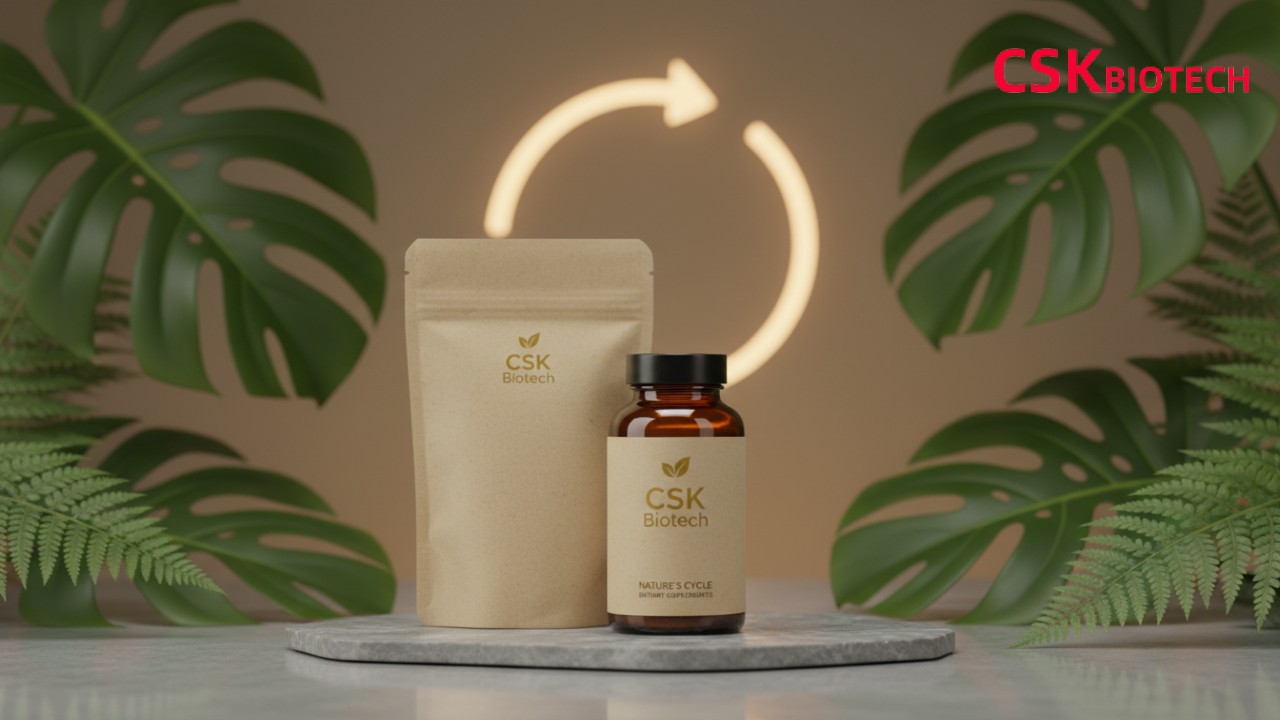
Sustainable supplement packaging refers to eco-friendly materials and design strategies used to enclose nutraceuticals, minimizing environmental impact through the use of post-consumer recycled (PCR) plastics, compostable films, and infinitely recyclable materials without compromising product efficacy, potency, or shelf-life.
This approach is rapidly transforming the wellness industry as forward-thinking brands transition to eco-friendly nutraceutical packaging. The core philosophy of this movement goes far beyond simply choosing a green material; it involves implementing comprehensive Life Cycle Assessments (LCA). By evaluating the entire journey of a container—from raw material extraction to end-of-life disposal—manufacturers can accurately measure and mitigate the carbon footprint associated with their products. Integrating these sustainable methodologies is essential for brands looking to maintain consumer trust and navigate tightening global regulations.
Key components of this sustainable shift include:
- Material Reduction (Lightweighting): Strategically minimizing the total volume of plastic, glass, and paperboard used in both primary containers and secondary shipping boxes to reduce waste and lower transportation emissions.
- Designing for Circularity: Utilizing single-polymer structures, such as mono-material supplement bottles, which are vastly easier for consumers to recycle within existing municipal waste streams compared to complex multi-layer laminates.
- Renewable Resources: Shifting away from volatile, fossil-fuel-derived plastics in favor of plant-based bioplastics and sustainably harvested, FSC-certified paper materials.
Quick Summary: Key Takeaways for 2026
The key takeaways for 2026 emphasize that regulatory shifts will heavily favor circular economy models, penalizing single-use virgin plastics, while scalable innovations like mono-materials and refillable pouch systems become essential for direct-to-consumer (DTC) wellness brands.
As we navigate the highly regulated 2026 packaging landscape, transparency is entirely non-negotiable. Modern, eco-conscious consumers actively demand clear, verifiable sustainability metrics printed directly on product labels. Attempting to greenwash or use vague terminology is heavily scrutinized. Furthermore, integrating these packaging decisions early in your manufacturing partnership prevents costly formulation mismatches and ensures barrier compatibility from day one.
Critical trends currently shaping the industry include:
- EPR Legislation: Numerous states and international bodies are actively implementing strict extended producer responsibility laws, which essentially tax brands based on the weight and recyclability of the packaging they introduce to the market.
- Refillable Systems: Innovative DTC brands are adopting highly durable, aesthetic primary glass containers that are kept indefinitely, combined with lightweight, flexible refill pouches delivered on a subscription basis.
- Early Supply Chain Integration: Partnering with an expert manufacturer that handles both the raw supplement formulation and the final packaging integration ensures a seamless transition to sustainable materials without risking product integrity.
Material Innovations: PCR, Compostable, and Mono-Materials
Material innovations in 2026 are categorized into FDA-compliant Post-Consumer Recycled (PCR) plastics, plant-based compostable films, infinitely recyclable glass and aluminum, and single-polymer mono-materials designed to replace unrecyclable multi-layer laminates in the wellness sector.
The shift toward greener materials requires a deep understanding of polymer science and regulatory compliance. For instance, when utilizing PCR packaging for vitamins, product safety and chemical inertness are paramount. The U.S. Food and Drug Administration stringently monitors recycled plastics used in direct food and supplement contact. The agency evaluates each proposed use of recycled plastic to ensure that the recycling process removes possible incidental contaminants to a negligible level, ensuring consumer safety, as reported by the FDA.
Top sustainable material choices currently available include:
- Post-Consumer Recycled (PCR) Plastics: Utilizing existing, purified plastic waste to create safe, durable supplement bottles. This process significantly reduces the industry's reliance on virgin fossil fuels while keeping waste out of landfills.
- Compostable Supplement Pouches: Exploring advanced plant-based cellulose (like NatureFlex) and specialized bio-resins for secondary packaging. These true compostables break down into nutrient-rich organic matter in industrial composting facilities.
- Glass and Aluminum: Leveraging premium, infinitely recyclable materials that offer unparalleled aesthetics and superior chemical inertness, making them perfect for high-end nutraceuticals and sensitive liquids.
- Mono-Materials: Transitioning from problematic multi-layer flexible packaging (which often mixes foil, paper, and plastic) to 100% PE or PP pouches that fit seamlessly into store drop-off recycling programs.
Sustainable Packaging Material Comparison
| Material Type | Barrier Protection | Recyclability / End-of-Life | Cost Impact | Best Suited For |
|---|---|---|---|---|
| PCR Plastics | High (Matches virgin plastic) | High (Widely accepted) | Moderate | PCR packaging for vitamins, capsules, gummies |
| Compostable Films | Medium (Requires barrier layer) | Industrial Composting | High | Powders, temporary refill pouches |
| Glass / Aluminum | Very High (100% impermeable) | Infinitely Recyclable | High (Heavy shipping weight) | Premium liquid supplements, oils, tinctures |
| Mono-Materials | High (Engineered polymers) | High (Store drop-off recycling) | Moderate | Flexible pouch alternatives to unrecyclable laminates |
Expert Tips: Overcoming the 'Barrier Problem' in Nutraceuticals
The primary function of packaging is protecting the supplement's active ingredients from moisture, UV light, and oxygen, meaning brands must strictly match eco-friendly materials to the specific barrier requirements of their formulation to prevent degradation.
A common, yet catastrophic mistake in the shift to green packaging is choosing an aesthetically pleasing eco-friendly material—such as unlined standard kraft paper—without an adequate high-barrier lining. Because traditional bioplastics often exhibit higher Moisture Vapor Transmission Rates (MVTR) and Oxygen Transmission Rates (OTR), this inevitably leads to degraded softgels, clumping protein powders, or rapidly oxidized liquid tinctures.
To overcome the technical Barrier Problem, consider these expert engineering tips:
- Request Stability Verification: Always demand rigorous pilot testing and accelerated stability verification from your manufacturer when switching to a new bio-resin or compostable material. You must ensure absolute shelf-life parity with your previous virgin plastic containers.
- Match Material to Format: Liquid supplements require vastly different, highly impermeable barrier properties compared to dry tablets or gummy supplements. Never assume a one-size-fits-all approach works for sustainable packaging.
- Leverage CDMO Expertise: At CSK Biotech, our massive annual capacity of over 4.5 billion softgels and 1.5 billion tablets has provided us with extensive, real-world data on how different physical formats react within various sustainable enclosures. We ensure your product formulation perfectly aligns with its eco-friendly container, safeguarding potency from the factory to the consumer's cabinet.
Cost vs. Impact: Scaling Green Packaging in Your Supply Chain
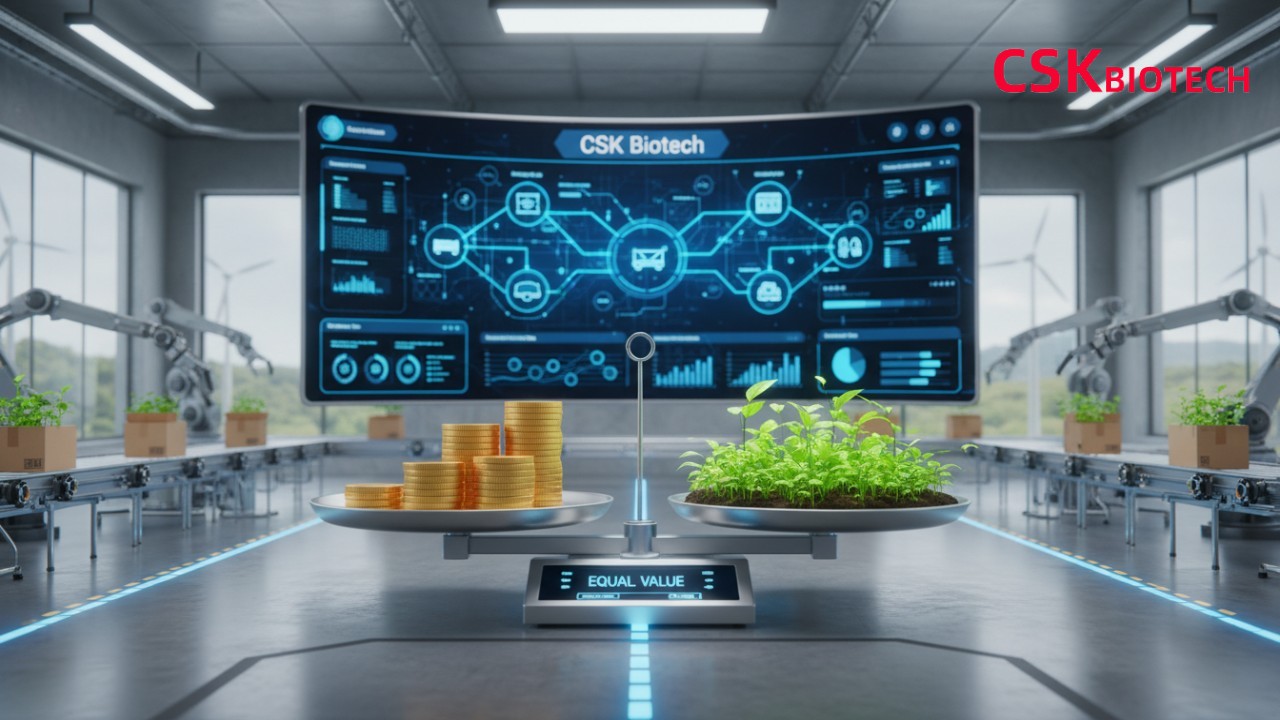
Scaling green packaging requires balancing higher upfront material costs with long-term brand equity by utilizing Life Cycle Assessments (LCA) to reduce your carbon footprint and future-proofing against upcoming 2026 extended producer responsibility taxes.
Addressing the industry gap between financial cost and environmental impact is a complex hurdle for growing brands. Companies must look beyond the simple per-unit price of mono-material supplement bottles and actively analyze their broader logistical footprint. Optimizing your supplement supply chain logistics management alongside intelligent packaging choices helps successfully mitigate the initial premium of sustainable materials. Extended producer responsibility (EPR) is an environmental policy approach that assigns producers greater financial and operational responsibility for the end-of-life management of their products, as reported by Wikipedia. In 2026, these EPR laws mean that producing unrecyclable waste will directly and severely hit your bottom line.
Strategic methods for minimizing supply chain costs include:
- Lightweighting Packaging: Actively reducing the thickness of plastic walls or optimizing the specific size of the container to lower baseline material costs and dramatically reduce shipping weight.
- Eliminating Empty Space: Redesigning outbound mailers and secondary display boxes to perfectly fit the primary container, maximizing pallet efficiency and lowering freight charges.
- Consolidating Manufacturing Steps: Partnering with a single, unified facility that handles both bulk product production and final retail packaging to reduce unnecessary transportation emissions between disjointed vendors.
Streamlining Production with CSK Biotech's Sustainable CDMO Services
Sourcing sustainable packaging is only half the battle; successfully integrating it with high-volume manufacturing requires partnering with an expert like Guangzhou Changshengkang Biotechnology Co., Ltd. (CSK Biotech) for end-to-end sustainable CDMO manufacturing.
Founded in 2008, CSK Biotech is a premier, leading high-tech enterprise intensely dedicated to the R&D and manufacturing of dietary supplements, health foods, and cosmetics. We fundamentally understand that many ambitious wellness brands struggle to bridge the gap between sourcing a highly eco-friendly bottle and actually filling it rapidly at commercial scale. By seamlessly combining premium contract manufacturing of softgels, tablets, gummies, powders, and liquids with our free packaging services, we entirely eliminate supply chain friction and accelerate your time to market.
Our sustainable CDMO manufacturing capabilities are uniquely designed to support modern brands:
- Massive Production Capacity: Operating out of a pristine, GMP-certified 2,000㎡ factory equipped with seven advanced production lines, we deliver high-quality, large-scale manufacturing solutions for global brands.
- Uncompromising International Certifications: Proudly certified by GMPC, FDA, HACCP, and ISO, we guarantee that your sustainable packaging integration continuously meets the highest, most stringent international standards of quality and consumer safety.
- Highly Flexible Cooperation Models: We offer ODM for rapid, market-oriented product innovation, CDM for highly tailor-made product design, and precise OEM for strict, formula-based production.
- Full Lifecycle Technical Support: From initial concept development and bespoke formulation research to rigorous pilot testing, stability verification, and regulatory registration, we ensure your newly sustainable supplement thrives both on the shelf and in the hands of the consumer.
Conclusion
Transitioning to sustainable supplement packaging is no longer optional for forward-thinking wellness brands; it is a critical, foundational component of supply chain resilience, strict regulatory compliance, and building unshakeable consumer trust in 2026 and beyond.
By comprehensively understanding polymer material science, aggressively overcoming active ingredient barrier requirements, and implementing smart, data-driven scaling strategies, your brand can significantly reduce its environmental footprint. Partnering with a deeply experienced, globally certified manufacturer allows you to handle both complex formulation science and green packaging integration effortlessly under one roof, securing your position in the future of the wellness market.
Contact us today at steve@cskbiotech.com or visit www.cskbiotech.com to learn how CSK Biotech can elevate your brand with full-lifecycle supplement manufacturing and packaging solutions.
FAQs About Sustainable Supplement Packaging
What are the most sustainable materials for supplement packaging?
The most sustainable materials include Post-Consumer Recycled (PCR) plastics, fully recyclable glass and aluminum, mono-material flexible plastics, and industrial compostable bio-plastics. The ideal choice depends heavily on the product's barrier requirements and your target market's local recycling infrastructure.
Does sustainable packaging affect the shelf life of vitamins?
It can, if the wrong material is chosen. Standard biodegradable materials often lack the oxygen and moisture barriers of traditional plastics. However, high-barrier sustainable options, like engineered mono-materials or PCR plastics, maintain exact shelf-life parity with virgin materials.
What is the difference between biodegradable and compostable supplement pouches?
Biodegradable means the material will eventually break down in nature, though it may leave behind microplastics. Compostable means the material will break down into non-toxic, organic matter within a specific timeframe, usually requiring a specialized industrial composting facility.
Can I use glass packaging for gummy supplements?
Yes, glass is an excellent, infinitely recyclable option for gummy supplements. It provides a superior barrier against moisture and oxygen, though you must account for heavier shipping weights and potential breakage in your supply chain.
What are mono-materials in nutraceutical packaging?
Mono-materials are packaging formats made from a single type of polymer (e.g., 100% PE or 100% PP). Unlike traditional multi-layer pouches that combine foil, paper, and plastic, mono-materials can be easily recycled in existing consumer waste streams.
How does PCR plastic compare to virgin plastic for health supplements?
PCR (Post-Consumer Recycled) plastic performs virtually identically to virgin plastic in terms of durability and barrier protection. It is FDA-compliant for food and supplement contact, though it may have slight aesthetic differences, such as a slightly cloudy tint compared to crystal-clear virgin PET.
Does CSK Biotech offer eco-friendly packaging for contract manufacturing?
Yes, CSK Biotech provides comprehensive, free packaging services alongside its core CDMO manufacturing. They work with brands to source, test, and fill sustainable packaging options for tablets, softgels, gummies, and powders while maintaining GMP and FDA compliance.
How can my wellness brand transition to zero-waste packaging?
Start by auditing your current supply chain to eliminate over-packaging and unnecessary inserts. Transition primary containers to highly recyclable or refillable formats, use compostable mailers for shipping, and partner with a full-service CDMO to optimize the entire lifecycle.
Latest Popular Articles


FAQ
文章
Are your manufacturing facilities GMP certified?
Yes. CSK Biotech operates under GMP (Good Manufacturing Practices) standards. Our production facilities follow strict quality · · · management systems to ensure:
-
· Product safety
-
· Batch consistency
-
· Full traceability of raw materials and finished products
What is your minimum order quantity (MOQ)?
MOQ depends on the dosage form, formula complexity, and packaging requirements. CSK Biotech offers flexible MOQs to support:
-
· Start-up brands
-
· New product launches
-
· Large-scale production orders
Please contact us for specific MOQ details.
How does the cooperation process work?
Our standard cooperation process includes:
-
1.Product consultation and requirement confirmation
-
2.Formula development or review
-
3.Sample production (if required)
-
4.Order confirmation and mass production
-
5.Quality inspection and packaging
-
6.Delivery
This structured process ensures efficiency and transparency.
Do you provide packaging services?
Yes. We offer a variety of packaging solutions, including:
-
· Bottles and jars
-
· Sachets and sticks
-
· Bulk packaging
-
· Customized labeling options
Packaging can be tailored to your brand and target market needs.
Who is CSK Biotech?
CSK Biotech is a professional biotechnology company specializing in OEM/ODM contract manufacturing of dietary supplements. We provide customized production services for softgel capsules, hard capsules, tablets, powders, gummies, and liquid supplements, supporting global brands from formulation to finished products.
Does CSK Biotech provide OEM and ODM services?
Yes. CSK Biotech provides both OEM (Original Equipment Manufacturing) and ODM (Original Design Manufacturing) services.
-
OEM: Manufacturing based on your existing formula and specifications
-
ODM: Full product development including formulation, dosage form design, and production
Our R&D team works closely with clients to turn concepts into market-ready products.
Related Products
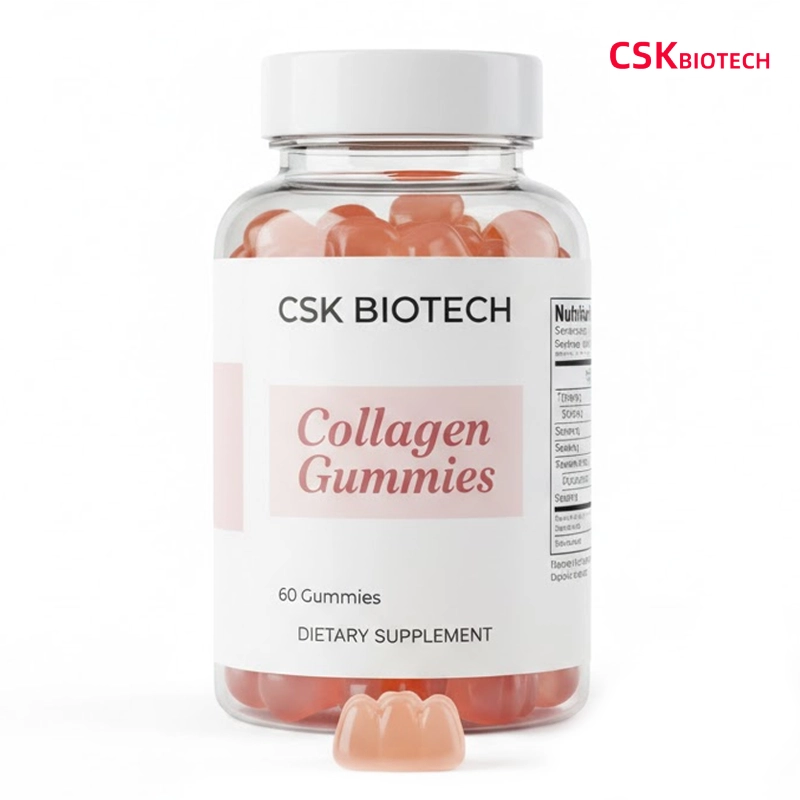
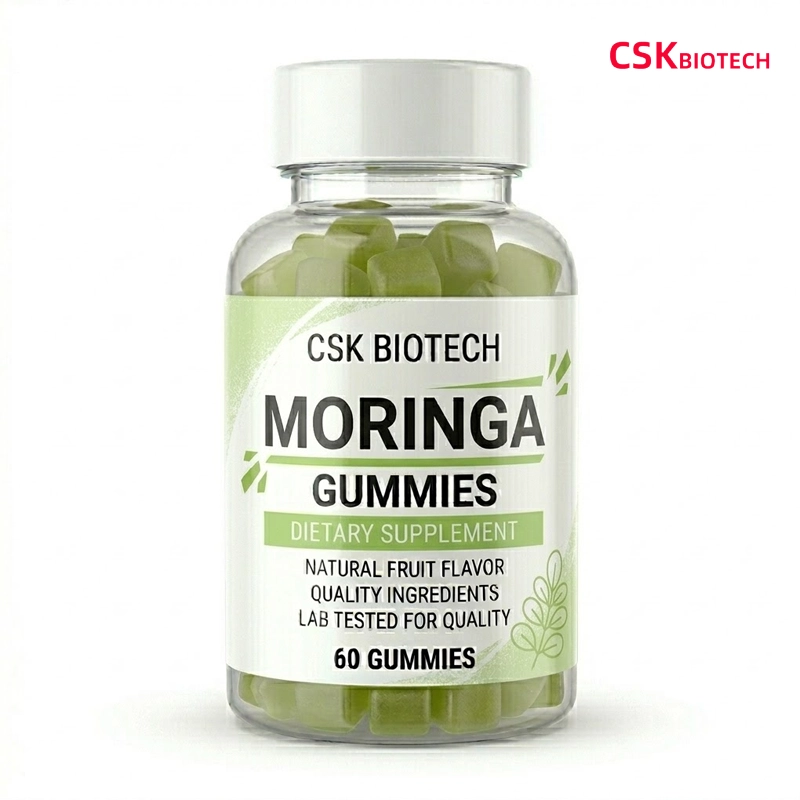
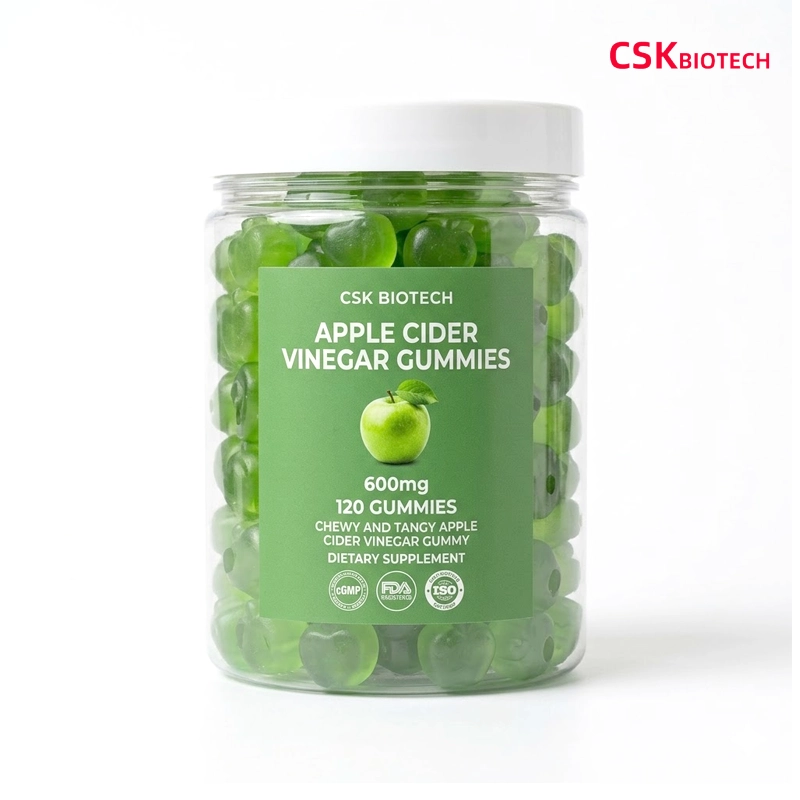
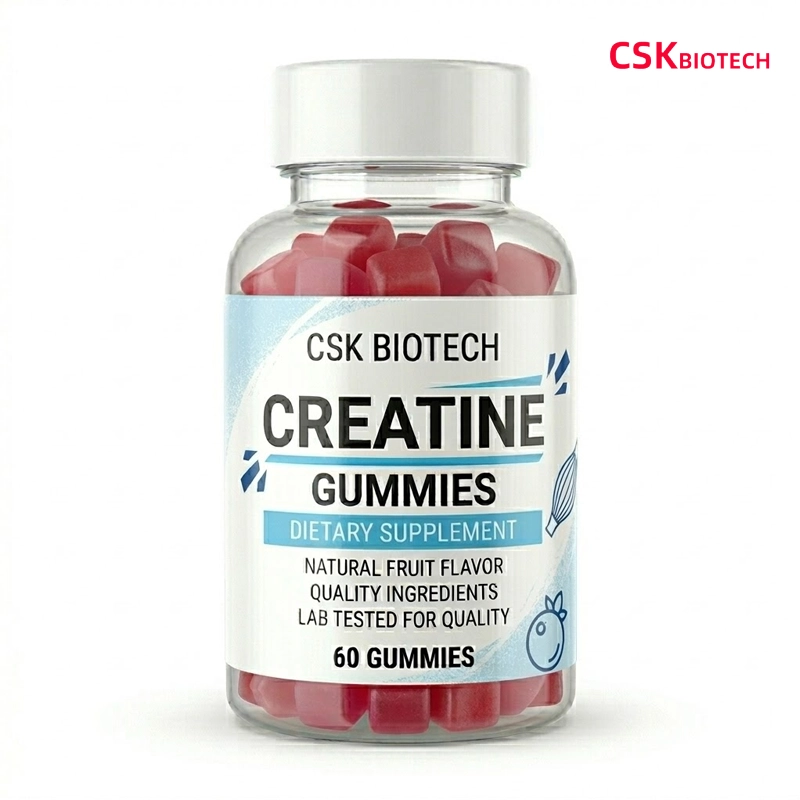
Explore our range of complementary dietary supplement products designed to meet diverse formulation and market needs. Each item is developed and manufactured with the same high-quality standards and expertise that define our dietary supplement contract manufacturing services, helping brands expand their product offerings efficiently and reliably.
Request a Quote for Dietary Supplement Contract Manufacturing
If you need CDMO services for health foods, nutritional supplements, or cosmetics, our team of experts is ready to provide you with customized solutions and quotes.


manufactoryinchina
CSK Biotech Dietary Supplements