

Supplement Manufacturing Lead Times: How to Minimize Delays in China for 2026
What Are Supplement Manufacturing Lead Times?
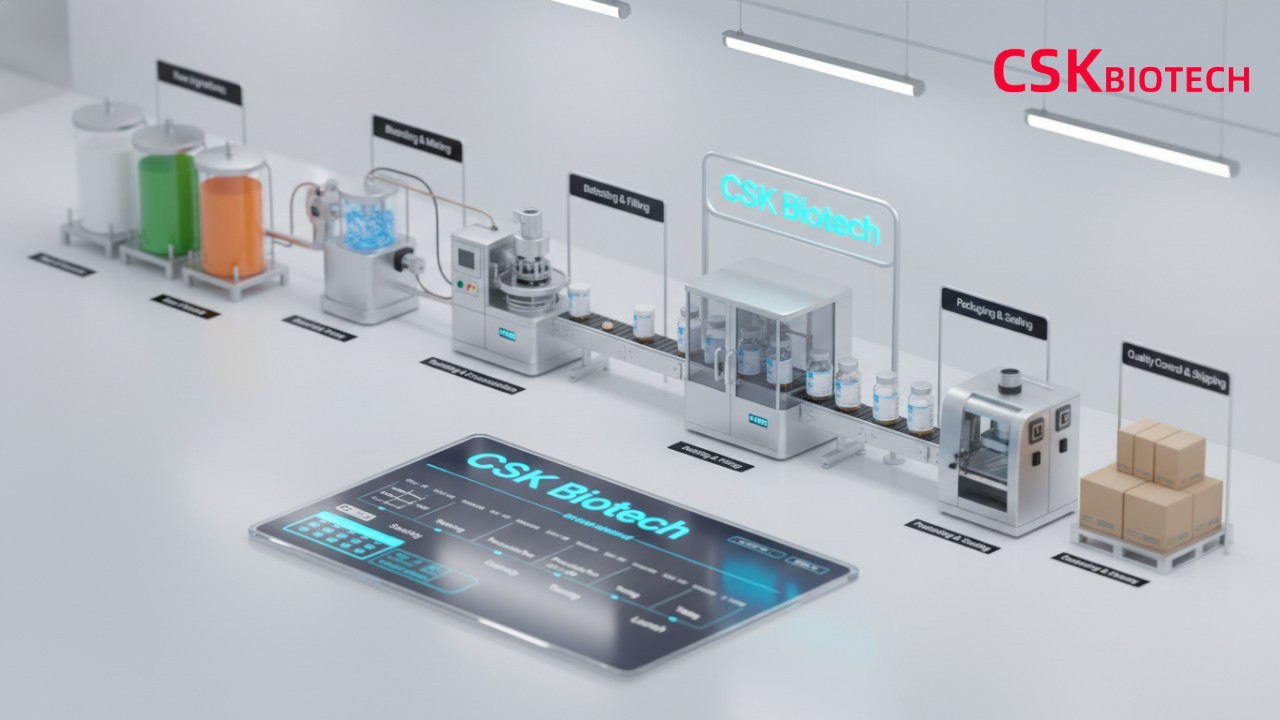
Supplement manufacturing lead times refer to the total duration required to produce a dietary supplement, encompassing formulation, raw material sourcing, physical manufacturing, quality testing, and final packaging. Anticipating this 4 to 12-week process is critical for ensuring seamless product launches.
Understanding how to manage this timeline requires a deep dive into the specific phases of production. Why is this timeline so variable? Because every step from ingredient procurement to final bottling carries inherent risks of delay. By mastering the core stages, brands can better forecast their inventory needs and prevent costly out-of-stock scenarios.
The fundamental stages include:
- Formulation and R&D: Establishing the precise active ingredients and flavor profiles.
- Raw Material Sourcing: Procuring high-quality botanicals, vitamins, and minerals globally.
- Manufacturing: The physical blending, encapsulation, or pressing of the product.
- Quality Testing: Rigorous third-party lab analysis to ensure purity and potency.
- Packaging: Sourcing custom bottles, printing labels, and final assembly.
Key Takeaways: Understanding Production Timelines
A standard dietary supplement production timeline ranges from 4 to 12 weeks, heavily depending on formula complexity, raw material availability, and strict third-party stability testing requirements. Recognizing these core variables allows brands to optimize their supply chain.
The primary reason timelines fluctuate so dramatically is the difference between utilizing pre-existing resources versus demanding custom solutions. Brands that understand the "why" behind these schedules can make strategic compromises to get products to market faster. Partnering with a highly efficient manufacturing hub is essential to keeping costs and wait times low.
Critical timeline insights include:
- Standard timelines: Range between 4 to 12 weeks depending on formula complexity and delivery form.
- Primary delays: Raw material sourcing and third-party stability testing are the most common causes of supply chain bottlenecks.
- Capacity advantages: Choosing a high-capacity CDMO in China can significantly reduce bottlenecks through vertical integration.
- Proactive planning: Effective forecasting and concurrent label design are immediate ways brands can shorten turnaround times.
Standard Lead Times by Supplement Form
The specific delivery format directly dictates the manufacturing schedule, with simple pressed tablets generally finishing much faster than complex liquid blends or specialized softgel encapsulation processes. Selecting the appropriate format is essential for meeting tight market deadlines.
How does the format impact the timeline? Different supplement forms require vastly different machinery, processing times, and stability tests. Why does a softgel take longer than a capsule? The answer lies in the moisture content and curing times required to stabilize the gelatin shell. Understanding these differences allows brands to plan their inventory cycles proactively.
| Supplement Form | Average Lead Time | Key Production Bottlenecks | Recommended Strategy |
|---|---|---|---|
| Softgels | 8-12 Weeks | Gelatin curing, specialized encapsulation | Plan early for a longer softgel manufacturing schedule |
| Tablets & Capsules | 4-8 Weeks | Tooling setup, granulation | Utilize stock molds and standard shapes |
| Liquids & Powders | 6-10 Weeks | Flavor profiling, stability testing | Finalize flavor approvals immediately |
| Gummies | 8-12 Weeks | Temperature control, setting time | Use pre-formulated pectin or gelatin bases |
Key differences by product format include:
- Softgel Manufacturing: Requires precise temperature control and extended drying phases to prevent shell degradation.
- Tablet & Capsule Production: Generally features a faster turnaround, heavily dependent on efficient blending, granulation, and tooling setup.
- Liquid & Powder Supplements: Timelines rely heavily on specific stability testing, flavoring, and specialized bottling requirements.
- Gummy Supplements: Demands rigorous curing times and precise temperature control, adding specific constraints to the schedule.
Why Delays Happen: Common Bottlenecks in the Supply Chain
Supply chain delays primarily occur due to extensive R&D requirements for custom formulas, global ingredient sourcing disruptions, strict regulatory compliance testing, and unforeseen constraints in custom packaging printing. Identifying these hurdles early is the key to swift mitigation.
Why do these bottlenecks persist globally? The supplement industry relies on a highly fragmented network of raw material providers. How you manage this network dictates your speed to market. For instance, as reported by the FDA, Title 21 of the Code of Federal Regulations (CFR) Part 111 establishes strict Current Good Manufacturing Practices (CGMPs) for dietary supplements, demanding extensive testing of all incoming raw materials to verify identity, purity, and composition before use. This regulatory compliance is non-negotiable and inherently adds mandatory time to the production cycle.
For an extensive breakdown of how to navigate global logistics, ingredient procurement, and freight handling, be sure to read The Ultimate Guide to Supplement Supply Chain & Logistics Management.
Common bottlenecks include:
- Custom vs. Stock Formulas: Extensive R&D and pilot testing for custom formulations add critical weeks to the timeline.
- Global Ingredient Sourcing: Disruptions in international logistics can easily delay the arrival of rare or patented raw materials.
- Regulatory Compliance and Testing: Meeting FDA, GMP, and HACCP documentation requirements alongside mandatory third-party lab analysis.
- Packaging Constraints: Delays in custom label printing, specialized bottle sourcing, and strict compliance approvals.
Future Trends: China Supplement Manufacturing Lead Times in 2026+
In 2026, China supplement contract manufacturing is rapidly accelerating through AI-driven demand forecasting, advanced vertical integration, logistics route optimizations, and rapid automated in-line quality control testing. These innovations are drastically shrinking standard production windows.
How are these future trends reshaping the industry? As reported by Future Market Insights, the global dietary supplements market crossed $200.9 billion in 2025 and is projected to reach $217.2 billion in 2026, driven largely by consumer shifts toward targeted, stackable products. Why does this matter? To keep up with this explosive global demand, Chinese manufacturers are overhauling their technological infrastructure to prevent supply chain gridlock.
Key 2026 industry trends include:
- AI-Driven Forecasting: Utilizing artificial intelligence for automated inventory management to drastically reduce raw material wait times.
- Increased Vertical Integration: Chinese CDMOs expanding in-house capabilities (like packaging) to prevent reliance on fragmented, multi-vendor supply chains.
- Logistics Optimizations: Faster sea freight routes and advanced logistics networks out of major Chinese ports improving global delivery speeds.
- Automated Quality Control: Rapid, automated in-line testing reducing the time required for post-production lab analysis.
Expert Tips: How to Minimize Delays in China
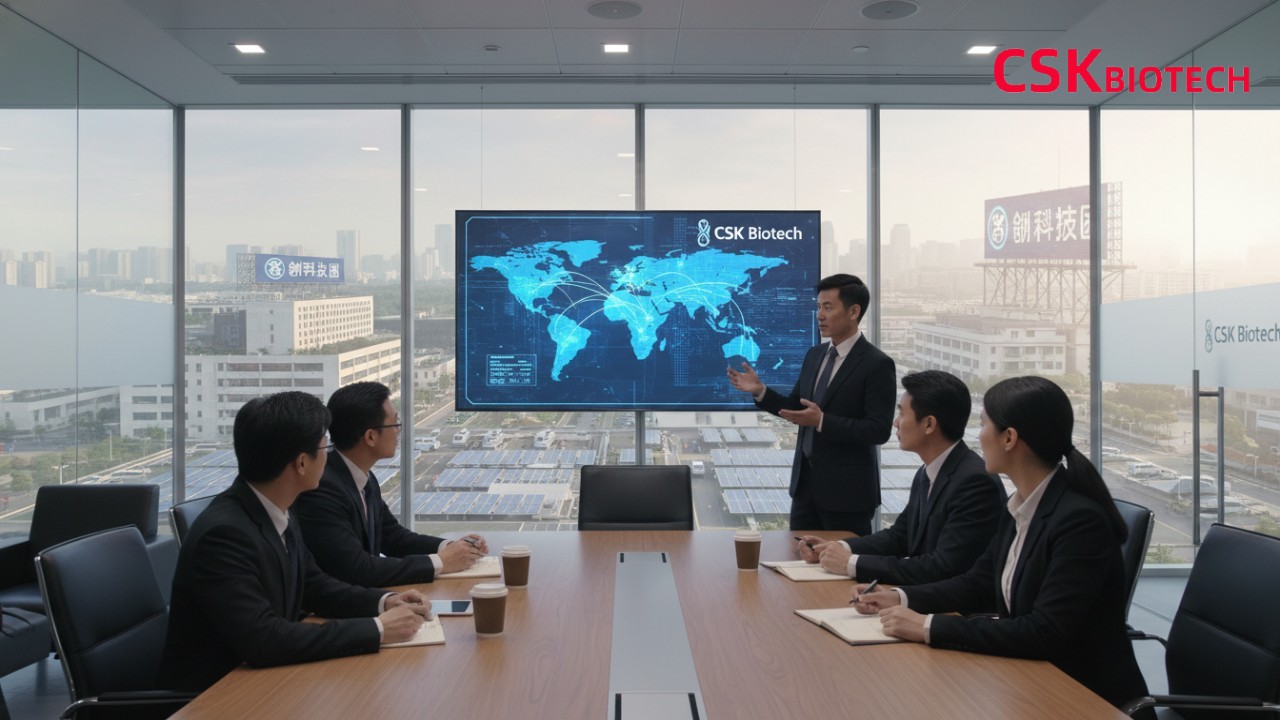
To actively reduce CDMO lead times, brands must implement accurate demand forecasting, utilize manufacturer stock formulas, approve label designs concurrently with production, and partner with highly experienced, multi-line facilities. Proactive planning is the ultimate defense against delays.
How can a brand exert control over an external process? By eliminating internal bottlenecks. Why wait for a custom formula to be developed when an established, pre-tested blend can hit the market months faster? By shifting focus from highly bespoke components to streamlined, off-the-shelf solutions, companies can safely bypass the most time-consuming phases of production.
Actionable strategies to accelerate your timeline include:
- Forecast Demand Accurately: Allow for blanket purchase orders and staggered delivery schedules to keep inventory flowing.
- Utilize Stock Formulas: Rely on a manufacturer's pre-verified formulas or in-house raw material reserves to completely bypass sourcing delays.
- Concurrent Label Design: Approve compliance labels and packaging designs simultaneously with the active production phase.
- Partner with Experts: Choose an experienced manufacturer that operates multiple advanced production lines to avoid peak-season queuing.
How CSK Biotech Accelerates Supplement Manufacturing Lead Times
CSK Biotech drastically shortens the custom supplement turnaround time by leveraging a GMP-certified 2,000-square-meter facility, seven advanced production lines, and an enormous annual capacity exceeding 4.5 billion softgels and 1.5 billion tablets. This robust infrastructure guarantees uninterrupted workflow.
How does CSK Biotech achieve such rapid delivery? The answer lies in total vertical integration. Why outsource packaging and R&D when they can be expertly handled under one roof? Founded in 2008, CSK Biotech is a premier high-tech enterprise dedicated to the R&D and manufacturing of health foods and dietary supplements. By keeping critical processes in-house, we eliminate the friction associated with third-party vendors and safeguard your launch schedules.
Our core advantages include:
- Massive Manufacturing Capacity: Producing over 4.5 billion softgels and 1.5 billion tablets annually ensures that large-scale global orders never face capacity-related delays.
- Comprehensive In-House Services: Professional formulation development, pilot testing, and free packaging services eliminate the need to coordinate with slow external partners.
- Uncompromising Quality Control: Strict adherence to FDA, HACCP, and ISO standards ensures that international regulatory compliance smoothly facilitates global exports.
- Diverse Product Capabilities: Expert contract manufacturing spanning capsules, tablets, powders, gummies, and specialized liquid supplements.
OEM, ODM, and CDM: Choosing the Right Model to Speed Up Production
Brands can instantly optimize their production schedules by selecting the most appropriate cooperation model: OEM for precise formula execution, ODM for market-ready innovations, or CDM for tailor-made, end-to-end product design. The right model strategically bypasses unnecessary development phases.
How do these models differ in practical application? Why should a new startup choose ODM over OEM? An ODM model leverages pre-existing, fully tested formulas, meaning the product can go straight to the manufacturing line without extensive R&D. Conversely, an OEM model is ideal for established brands that already possess a finalized, proprietary formula and simply need massive, rapid scaling with strict accuracy.
Choosing the best fit for your business:
- OEM (Original Equipment Manufacturer): Perfect for brands with finalized formulas needing precise, rapid, and scalable execution on advanced production lines.
- ODM (Original Design Manufacturer): Best for market-ready product innovation, allowing brands to launch faster using CSK Biotech's pre-verified formulations.
- CDM (Contract Development and Manufacturing): Tailor-made product design that integrates concept development and stability verification into a streamlined, single-roof process.
Conclusion

Proactive supply chain planning and choosing a high-capacity, vertically integrated manufacturing partner are the most effective ways to minimize lead time delays and ensure consistent product availability. Future-proof your brand by securing reliable production schedules and leveraging advanced Chinese manufacturing infrastructure today. By anticipating bottlenecks and utilizing flexible manufacturing models, you can maintain a resilient and highly responsive product catalog that continuously meets consumer demand.
Contact us today at steve@cskbiotech.com or visit https://www.cskbiotech.com/ to fast-track your next dietary supplement order with our industry-leading CDMO services.
FAQs About Supplement Manufacturing Lead Times
What is the average lead time for supplement manufacturing in China?
The average lead time ranges from 4 to 12 weeks. This timeframe depends heavily on whether you are using a stock formula or requiring custom R&D, as well as the specific delivery form.
Why do custom supplement formulas take longer to manufacture?
Custom formulas require unique ingredient sourcing, formulation pilot testing, stability verification, and specialized flavor profiling, all of which add weeks compared to pre-formulated stock products.
How can I speed up my supplement production timeline?
You can accelerate production by using stock formulas, forecasting inventory early, preparing packaging designs simultaneously with manufacturing, and partnering with a high-capacity CDMO like CSK Biotech.
Do softgels have a longer lead time than capsules?
Yes, softgels generally require a slightly longer lead time because the manufacturing process involves precision encapsulation and a mandatory gelatin drying phase to ensure product stability.
How does packaging affect supplement manufacturing lead times?
Delays in custom bottle sourcing, label printing errors, or waiting on regulatory compliance approvals for packaging text can halt a finished product from shipping. Integrated packaging services help avoid this.
What causes raw material shortages in dietary supplement production?
Shortages are typically caused by seasonal crop yields for botanical extracts, global supply chain disruptions, changing international trade policies, or sudden spikes in consumer demand for specific trending ingredients.
Can I use stock formulas to bypass manufacturing delays?
Absolutely. Using a manufacturer's ODM (Original Design Manufacturing) stock formulas bypasses R&D and raw material sourcing delays because the manufacturer already has the ingredients and stability data on hand.
How does CSK Biotech guarantee on-time delivery for large orders?
CSK Biotech guarantees on-time delivery by utilizing a GMP-certified facility with 7 advanced production lines capable of producing 4.5 billion softgels and 1.5 billion tablets annually, eliminating production bottlenecks.
Latest Popular Articles


FAQ
文章
How long does production usually take?
Production timelines vary depending on:
-
· Dosage form
-
· Formula complexity
-
· Order quantity
-
· Packaging requirements
Generally, production takes several weeks after formula confirmation and raw material preparation.
What quality control measures do you have?
Our quality control system includes:
-
· Raw material inspection and verification
-
· In-process quality monitoring
-
· Finished product testing
-
· Batch record management and traceability
Quality and compliance are integrated into every stage of our manufacturing process.
Can CSK Biotech assist with labeling and documentation?
Yes. We provide support for:
-
· Product labeling requirements
-
· Ingredient lists and specifications
-
· Basic regulatory documentation
This helps ensure smoother market entry and compliance with customer requirements.
What types of dosage forms does CSK Biotech manufacture?
We offer a full range of supplement dosage forms, including:
-
· Softgel capsules
-
· Hard capsules
-
· Tablets
-
· Powder supplements
-
· Gummy supplements
-
· Liquid supplements (drops, syrups, oral liquids)
This allows our clients to build a complete and diversified product line with one reliable manufacturing partner.
How does the cooperation process work?
Our standard cooperation process includes:
-
1.Product consultation and requirement confirmation
-
2.Formula development or review
-
3.Sample production (if required)
-
4.Order confirmation and mass production
-
5.Quality inspection and packaging
-
6.Delivery
This structured process ensures efficiency and transparency.
Do you accept international orders?
Yes. CSK Biotech works with global clients and has experience supporting brands in:
-
· North America
-
· Europe
-
· Asia-Pacific
-
· Middle East and other regions
We are familiar with international cooperation processes and export requirements.
Related Products
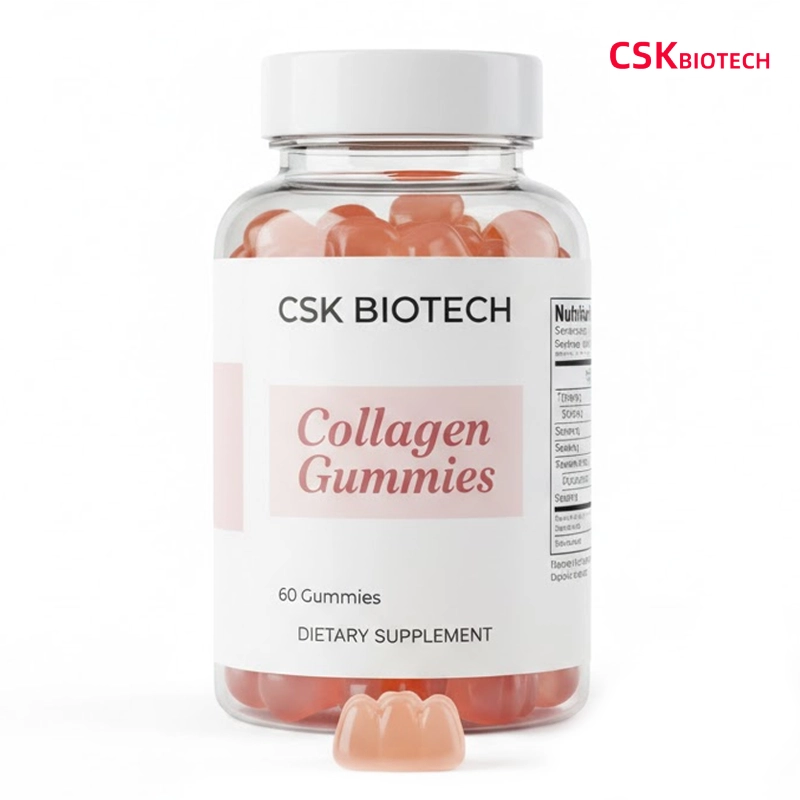
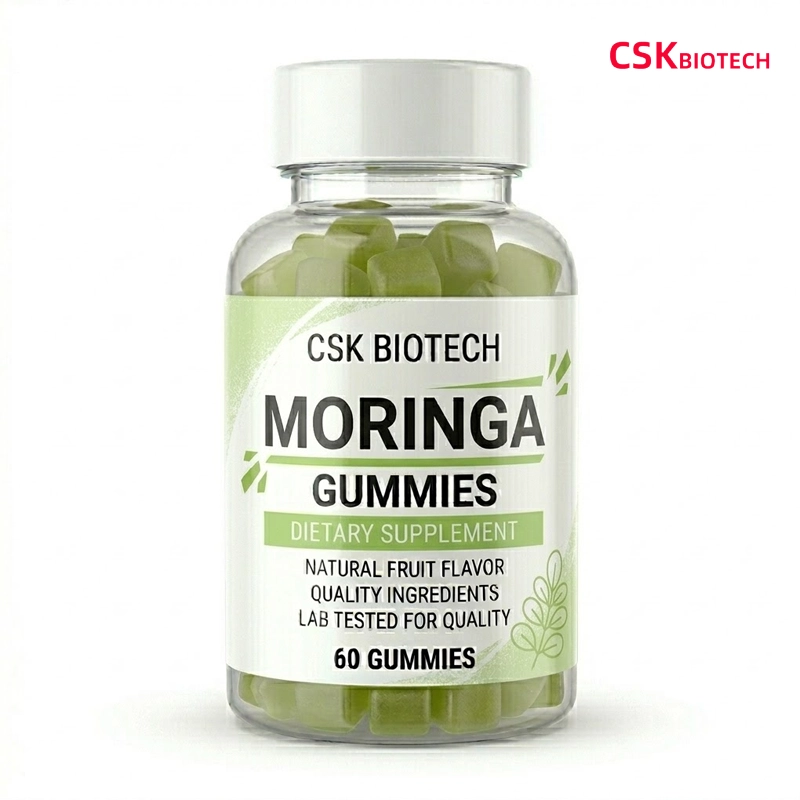
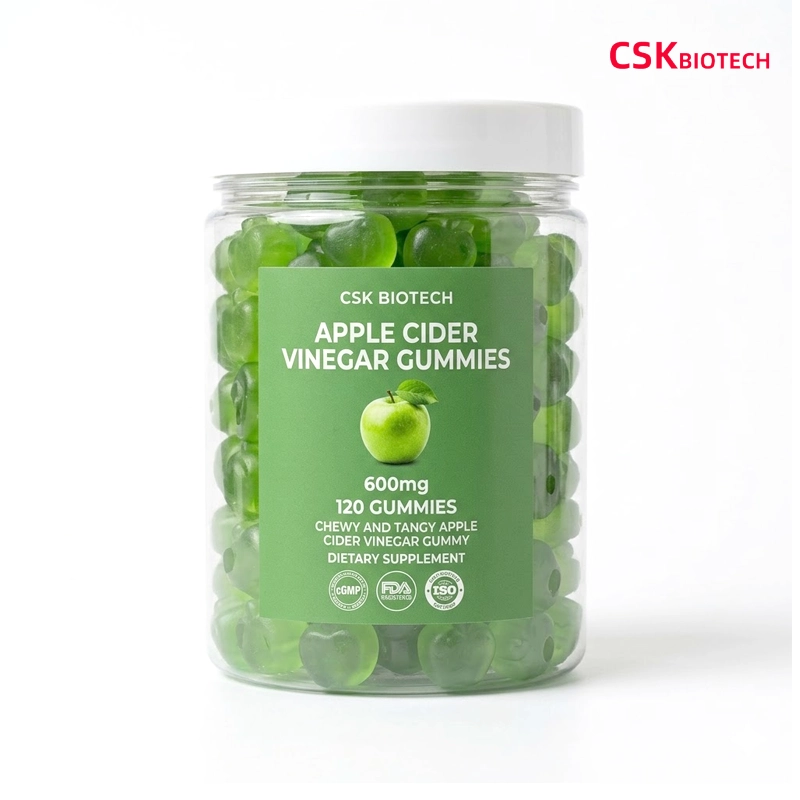
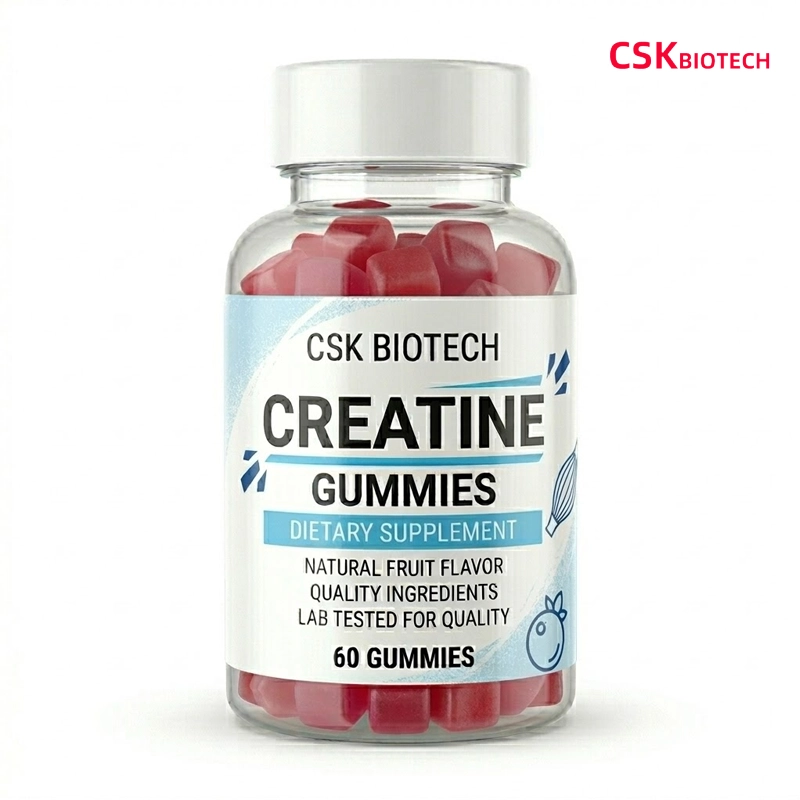
Explore our range of complementary dietary supplement products designed to meet diverse formulation and market needs. Each item is developed and manufactured with the same high-quality standards and expertise that define our dietary supplement contract manufacturing services, helping brands expand their product offerings efficiently and reliably.
Request a Quote for Dietary Supplement Contract Manufacturing
If you need CDMO services for health foods, nutritional supplements, or cosmetics, our team of experts is ready to provide you with customized solutions and quotes.


manufactoryinchina
CSK Biotech Dietary Supplements