
The Complete Guide to Supplement Manufacturing Costs & Business Models (2026): Pricing, MOQs, and Strategy
Welcome to the 2026 landscape of the global wellness industry. Launching a health brand has never been more accessible, yet the financial intricacies behind the scenes remain complex. In this comprehensive guide, we dive deep into Supplement Manufacturing Costs & Business Models, revealing the hidden expenses, strategic frameworks, and operational secrets that distinguish profitable enterprises from failed startups. Whether you are bootstrapping an e-commerce storefront or scaling a global retail brand, understanding the core financial mechanics of production is your ultimate competitive advantage.## What Are Supplement Manufacturing Costs and Business Models?
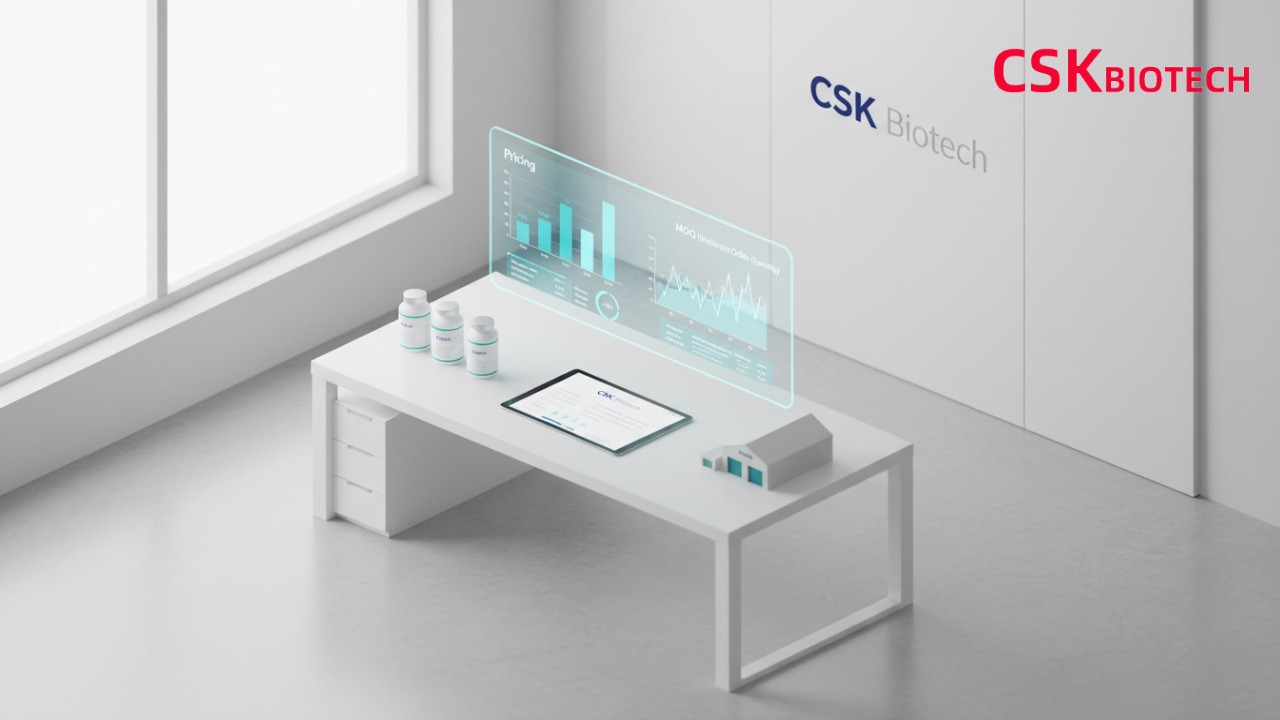
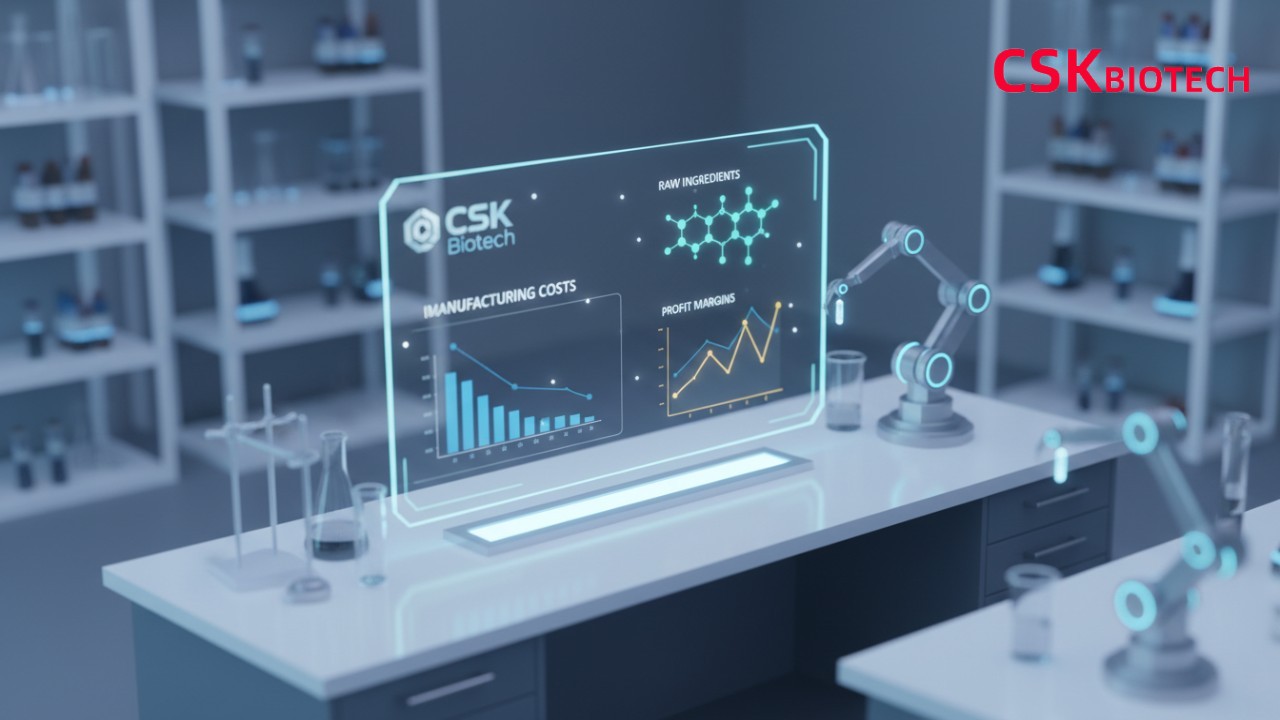
Supplement manufacturing costs represent the total financial investment required to produce a dietary product, while business models define the operational strategy—ranging from white labeling to custom formulations—that a brand uses to enter the market and achieve profitability.
To build a sustainable wellness brand in 2026, understanding the intersection of these two factors is paramount. How you choose to produce your goods directly impacts your Cost of goods sold (COGS) for supplements. A poorly optimized production strategy can silently bleed your margins dry.
- Formulation and Engineering: Creating a unique, scientifically backed recipe that stands out on crowded digital shelves.
- Raw Material Sourcing: Procuring high-quality active ingredients while navigating fluctuating global commodity prices.
- Physical Production: The actual compounding, encapsulating, or pressing of the product in a certified facility.
- Quality Testing: Ensuring strict regulatory compliance, purity, and safety through rigorous laboratory analysis.
Key Takeaways: Quick Summary for Supplement Entrepreneurs
The core takeaway for entrepreneurs in 2026 is that initial financial investments vary wildly based on your chosen manufacturing model, with minimum order quantities heavily dictating upfront capital and strategic CDMO partnerships drastically reducing hidden operational costs.
Launching a successful supplement line requires a careful balance of risk, reward, and available capital. Navigating these early decisions will set the financial trajectory of your business for years to come.
- Investment Variances: Understanding private label vs custom formulation costs is critical; private labeling requires less capital but offers lower margins, while custom formulas build lasting equity.
- Volume Dynamics: Lower MOQs reduce your initial financial risk but simultaneously increase per-unit costs, effectively squeezing your retail margins.
- Partnership Benefits: Choosing the right high-capacity manufacturing partner can save your business thousands of dollars in R&D, specialized packaging, and complex regulatory compliance.
Breaking Down the Real Cost to Manufacture a Supplement
The real cost to manufacture a dietary supplement extends far beyond raw materials, encompassing extensive formulation and R&D fees, specialized production facility expenses, customized packaging, and hidden soft costs like stability testing and liability insurance.
When budgeting for your brand, you must meticulously account for every step of the supply chain. This comprehensive cost structure ultimately determines your product's retail viability and wholesale attractiveness.
- Formulation and R&D Fees: This is the upfront cost of creating an efficacious, unique product that commands a premium price tag in the consumer market.
- Raw Ingredient Sourcing: Expenses fluctuate heavily based on market availability, complex supply chain logistics, and the necessity of maintaining high-purity standards.
- Production Costs by Delivery Format: Softgels, tablets, liquids, gummies, and powders all require entirely different machinery, processing times, and labor inputs.
- Packaging and Labeling: You must budget appropriately for high-quality bottles, custom lids, tamper-evident shrink bands, and FDA-compliant label designs.
- Hidden Soft Costs: Always account for mandatory stability testing, third-party Certifications of Analysis (COAs), robust product liability insurance, and legal retainers.
Comparing Supplement Business Models: Which Strategy is Right for You?
Selecting the right strategy requires analyzing your available capital and long-term goals, with options spanning from low-barrier private labeling and dropshipping to highly customized OEM formulations that offer complete intellectual property ownership.
Each business model presents unique advantages and financial hurdles. The decision dictates how much control you have over your brand, how fast you can launch, and your ultimate profit margins.
2026 Supplement Business Model Comparison
| Business Model | Upfront Capital Required | Speed to Market | Brand Differentiation | Long-Term Profit Margins |
|---|---|---|---|---|
| Private Labeling | Low ($5,000 - $10,000) | Fast (4-6 weeks) | Low (Uses pre-made formulas) | Medium |
| Dropshipping / White Label | Very Low (<$5,000) | Immediate | Very Low (Generic products) | Low |
| Custom Formulation (OEM) | High ($20,000+) | Slow (3-6 months) | High (Unique Intellectual Property) | High |
| ODM / CDM via CDMO | Medium to High | Medium (2-4 months) | High (Expertly tailored solutions) | High |
- Private Labeling: Offers the fastest speed to market and the lowest upfront cost, but severely limits brand differentiation since competitors can sell the exact same formula.
- Dropshipping and White Labeling: Ultra-low capital models ideal for lean e-commerce startups looking to test the waters without holding expensive physical inventory.
- Custom Formulation: Demands a larger initial investment but provides complete ownership of intellectual property and higher long-term margins.
- Direct-to-Consumer (D2C) vs. Amazon FBA: Operational fulfillment models that require factoring platform referral fees, Pay-Per-Click (PPC) advertising, and inventory storage into your holistic business strategy.
Understanding Minimum Order Quantities (MOQs) and Pricing Tiers
Supplement minimum order quantities (MOQ) are the baseline production volumes required by contract manufacturers to cover the high overhead costs of specialized machine setup, labor allocation, and bulk raw material purchasing.
Understanding how MOQs work is essential for managing your cash flow and calculating true profitability. Manufacturers cannot afford to pause massive production lines for tiny orders without passing the setup costs onto the brand.
- The Purpose of MOQs: Manufacturers mandate minimums because cleaning, calibrating, and running industrial equipment for a small batch is financially unviable and highly inefficient.
- Impact on Profitability: Larger batch sizes significantly lower your per-unit expenses, thereby reducing your overall Cost of goods sold (COGS) for supplements and expanding your gross margins.
- Scaling Production Strategies: Smart startups often begin with smaller pilot runs to test consumer demand before confidently scaling up to mass production purchase orders as their brand gains market traction.## How a Professional CDMO Optimizes Your Manufacturing Costs (Featuring CSK Biotech)
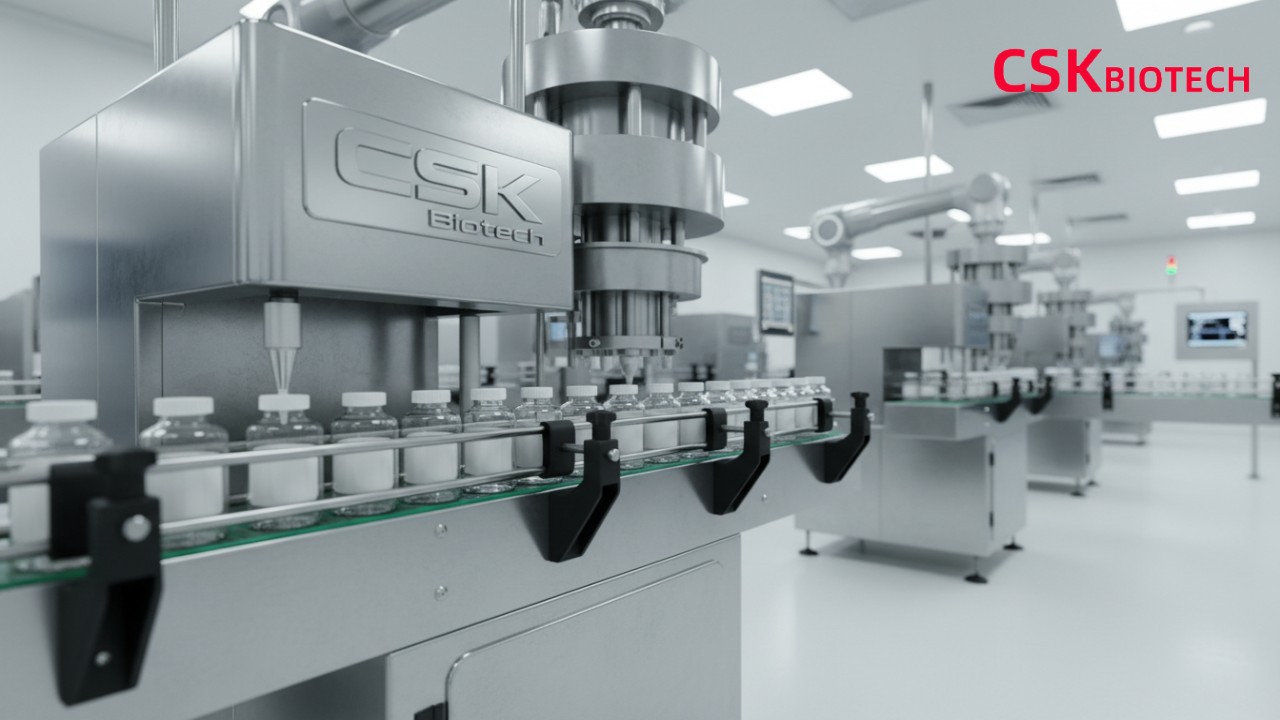
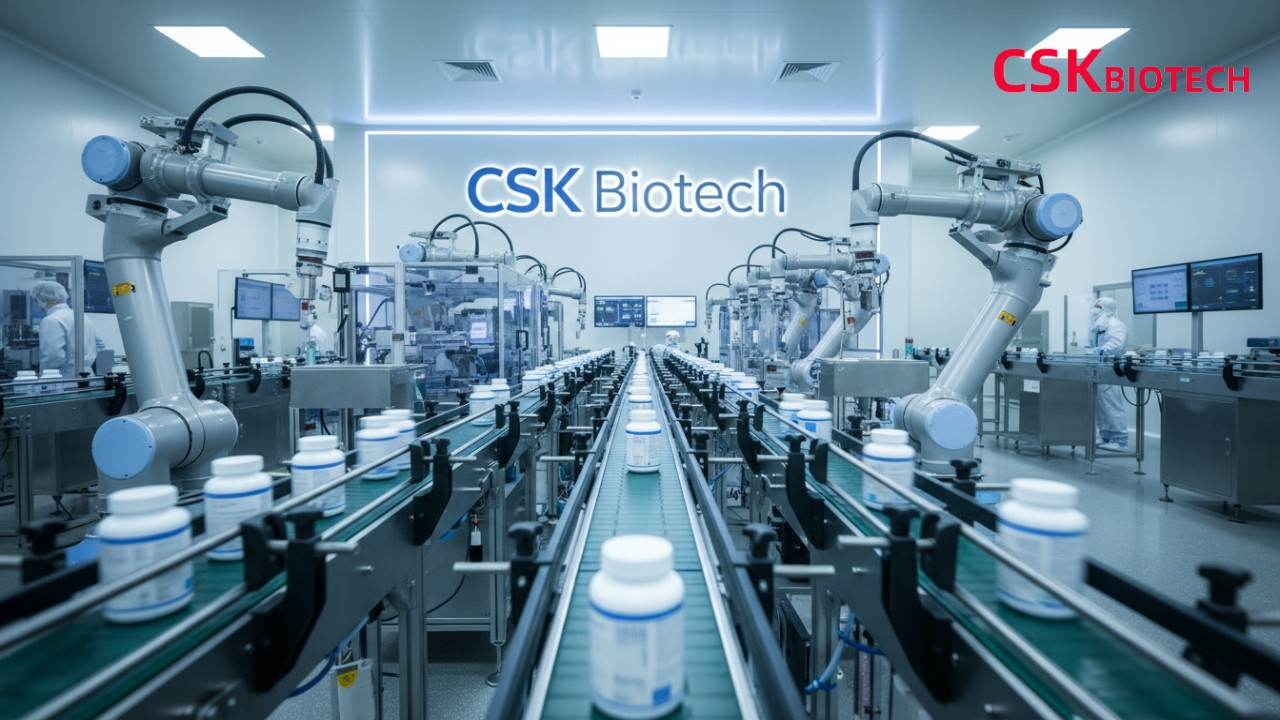
Partnering with a vertically integrated Contract Development and Manufacturing Organization (CDMO) serves as the ultimate cost-saving strategy by eliminating the need for heavy capital expenditure on facilities, machinery, and specialized regulatory personnel.
By outsourcing physical production to seasoned experts, brand owners can focus their capital entirely on marketing and customer acquisition. For example, Guangzhou Changshengkang Biotechnology Co., Ltd. (CSK Biotech), founded in 2008, represents the global pinnacle of Dietary supplement contract manufacturing.
- Zero CapEx Requirement: Operating a massive 2,000㎡ GMP-certified factory, CSK Biotech completely removes your need to invest millions in industrial infrastructure.
- Unparalleled Economies of Scale: With seven advanced production lines outputting an impressive 4.5 billion softgels and 1.5 billion tablets annually, we drastically lower your per-unit production costs.
- End-to-End Solutions: We offer comprehensive manufacturing services spanning from conceptual formulation to regulatory registration, perfectly complemented by free packaging solutions that slash hidden startup costs.
ODM, CDM, and OEM: Choosing Your Partnership Model with CSK Biotech
Choosing the right partnership model involves aligning your product development needs with our specialized frameworks—ODM for fast market entry, CDM for unique tailoring, and OEM for precise, formula-based mass production.
Exploring different CDMO supplement business models allows brands to scale efficiently while maintaining rigorous quality control. For a deeper dive into how these frameworks operate, check out The Ultimate Guide to Nutrition Supplement Contract Manufacturing.
- ODM (Original Design Manufacturing): Fast-tracks your market-oriented product innovation by utilizing our expertly pre-developed, stability-tested formulations.
- CDM (Contract Development Manufacturing): Provides tailor-made product design, comprehensive pilot testing, and rigorous stability verification for highly unique boutique brands.
- OEM (Original Equipment Manufacturing): Executes precise, formula-based production to ensure absolute accuracy, stringent quality control, and timely global delivery of your proprietary recipe.
- Ensuring Global Compliance: Leveraging our GMPC, FDA, HACCP, and ISO certifications protects your business and ensures your products meet strict international safety standards seamlessly.
Expert Tips and Common Mistakes in Supplement Manufacturing
A critical mistake in supplement manufacturing is underestimating strict regulatory compliance costs and failing to verify a partner's official GMP certifications, which can lead to disastrous product recalls and severe legal liabilities.
Avoiding these common industry pitfalls early on saves substantial capital and protects your brand reputation. In the United States, dietary products are strictly regulated, as outlined by Wikipedia in its overview of the Dietary Supplement Health and Education Act of 1994 (DSHEA). Ignorance of the law is never an excuse.
- Ignoring Soft Costs: Many enthusiastic founders forget to budget for crucial necessities like product liability insurance, trademark filings, and legal retainers required for complete FDA compliance.
- Chasing the Lowest Price: Choosing a manufacturer based solely on the cheapest per-unit price without verifying their internal quality systems is a massive risk. Quality assurance is non-negotiable, as reported by Wikipedia regarding global Good Manufacturing Practice (GMP) standards.
- Expert Negotiation Tip: Always negotiate your MOQs based on annual volume commitments and staggered delivery schedules rather than single-run batches. This vastly improves your business's cash flow.
2026 Future Trends in the Supplement Industry
The future of the supplement industry in 2026 is defined by AI-driven personalized nutrition formulas, a massive shift toward sustainable biodegradable packaging, and the optimization of vertically integrated global supply chains.
Staying ahead of these macro trends ensures your brand remains competitive, highly relevant to modern consumers, and incredibly cost-efficient.
- AI-Driven Personalization: Artificial intelligence is currently optimizing micro-batch manufacturing, allowing forward-thinking brands to offer bespoke formulations to consumers without exorbitant machine setup costs.
- Sustainable Packaging: Consumer demand for eco-conscious, biodegradable bottles, and compostable pouches is surging rapidly, fundamentally changing long-term packaging cost implications.
- Supply Chain Optimization: Relying on robust, vertically integrated international CDMO partnerships is critical to stabilize pricing against unpredictable raw material shortages and volatile global freight costs.
-
Conclusion
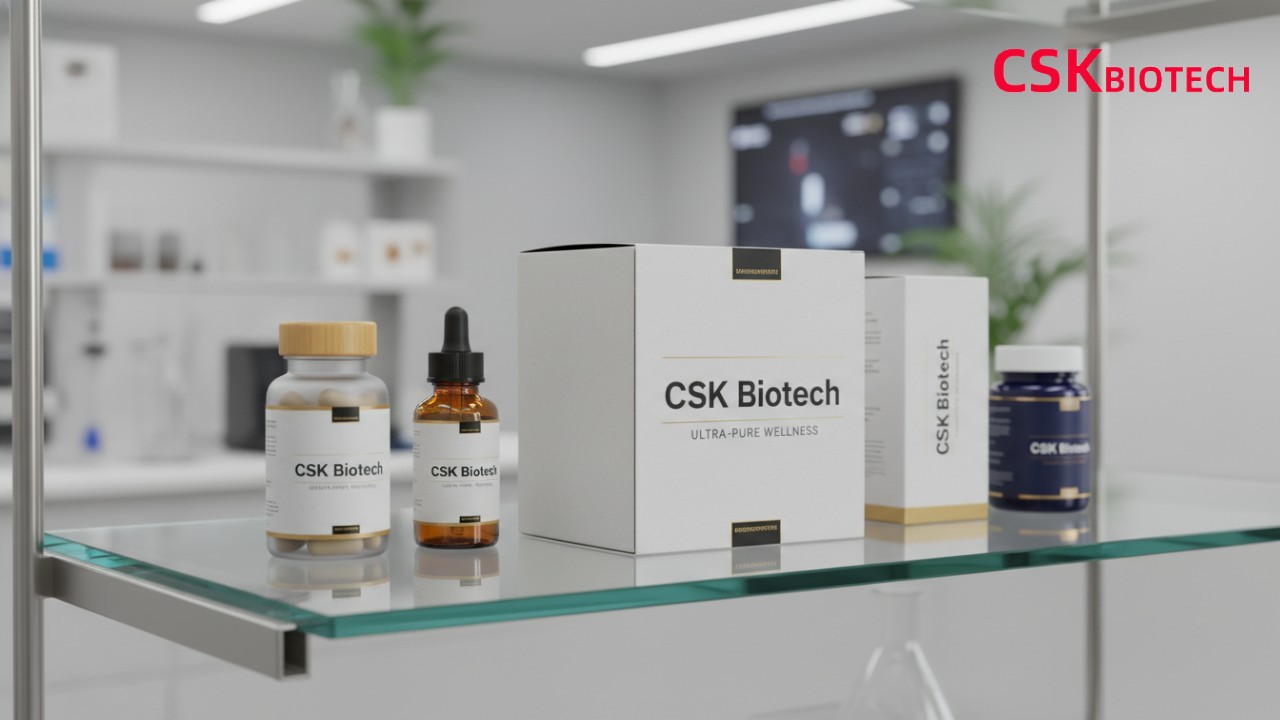
Launching a successful wellness brand requires a deep understanding of manufacturing costs, strategic MOQs, and selecting the most profitable operational framework for your specific goals. Whether you opt for rapid private labeling to test the market or a fully customized OEM formulation to build unique intellectual property, controlling your COGS while maintaining uncompromised product quality is the definitive key to long-term profitability. Partnering with a high-capacity, internationally certified CDMO like CSK Biotech ensures that your business can scale efficiently without the crushing burden of massive capital expenditures.
Contact us today to optimize your Supplement Manufacturing Costs & Business Models strategy.
FAQs About Supplement Manufacturing Costs & Business Models
How much does it cost to start a supplement company?
Startup costs typically range from $5,000 to $50,000+ depending on the business model. Private labeling requires lower initial capital, while custom formulation and rigorous lab testing require a higher budget.
What is a normal MOQ for supplement manufacturing?
MOQs generally range from 500 to 10,000+ bottles per run. Private label products often have lower MOQs, while custom OEM formulations require higher minimums to offset machine setup costs.
What is the most profitable supplement business model?
The Direct-to-Consumer (D2C) model combined with unique custom formulations (OEM/ODM) typically yields the highest profit margins. Subscription-based models also heavily increase customer lifetime value (LTV) and overall profitability.
What are the hidden costs in manufacturing dietary supplements?
Commonly overlooked costs include stability testing, Certifications of Analysis (COAs), liability insurance, and label design revisions. Freight, warehousing, and Amazon FBA storage fees can also silently eat into profit margins.
Is private labeling better than custom formulation?
Private labeling is best for quick, low-cost market entry and testing consumer demand. Custom formulation is better for long-term brand differentiation, premium pricing, and total intellectual property ownership.
What does a CDMO do in the supplement industry?
A Contract Development and Manufacturing Organization (CDMO) provides comprehensive end-to-end services. This includes R&D, formulation research, pilot testing, mass production, regulatory registration, and marketing support.
How can I lower my supplement manufacturing costs?
Increase your order volume to reduce the per-unit cost through economies of scale. Partner with a high-capacity, vertically integrated CDMO to eliminate middlemen and optimize packaging and formulation expenses.
Do I need FDA approval to sell supplements?
The FDA does not 'approve' dietary supplements before they go to market. However, manufacturers and brands must strictly comply with FDA Good Manufacturing Practice (GMP) regulations and proper labeling requirements.
Latest Popular Articles


FAQ
文章
Do you accept international orders?
Yes. CSK Biotech works with global clients and has experience supporting brands in:
-
· North America
-
· Europe
-
· Asia-Pacific
-
· Middle East and other regions
We are familiar with international cooperation processes and export requirements.
Why choose CSK Biotech as your manufacturing partner?
Clients choose CSK Biotech because we offer:
-
· Comprehensive dosage form capabilities
-
· Strong customization and R&D support
-
· GMP-compliant manufacturing
-
· Reliable quality and stable supply
-
· One-stop OEM/ODM solutions
Does CSK Biotech provide OEM and ODM services?
Yes. CSK Biotech provides both OEM (Original Equipment Manufacturing) and ODM (Original Design Manufacturing) services.
-
OEM: Manufacturing based on your existing formula and specifications
-
ODM: Full product development including formulation, dosage form design, and production
Our R&D team works closely with clients to turn concepts into market-ready products.
What ingredients can be used in your products?
We support a wide range of ingredients, such as:
-
· Vitamins and minerals
-
· Herbal extracts
-
· Amino acids
-
· Probiotics and prebiotics
-
· Functional ingredients for immunity, beauty, sleep, energy, and metabolism
All raw materials are carefully selected and quality-tested before use.
Who is CSK Biotech?
CSK Biotech is a professional biotechnology company specializing in OEM/ODM contract manufacturing of dietary supplements. We provide customized production services for softgel capsules, hard capsules, tablets, powders, gummies, and liquid supplements, supporting global brands from formulation to finished products.
Can you help with gummy supplement customization?
Yes. Custom gummy supplements are one of our core strengths. We offer:
-
· Gelatin or pectin-based gummies
-
· Sugar-free or low-sugar options
-
· Customized flavors, colors, shapes, and textures
Our gummies are developed with a focus on taste, stability, and consumer appeal.
Related Products
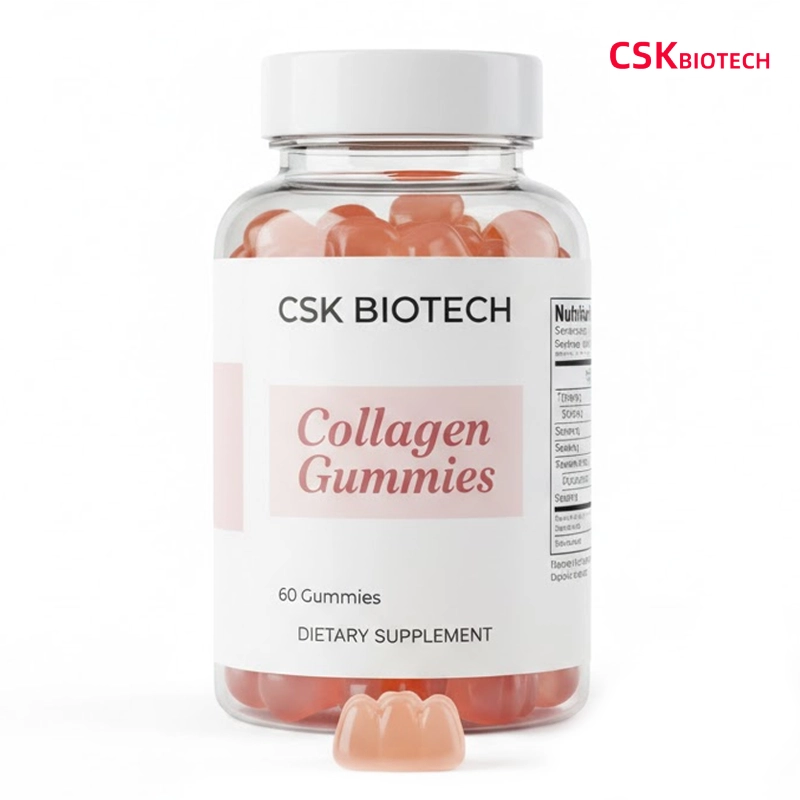
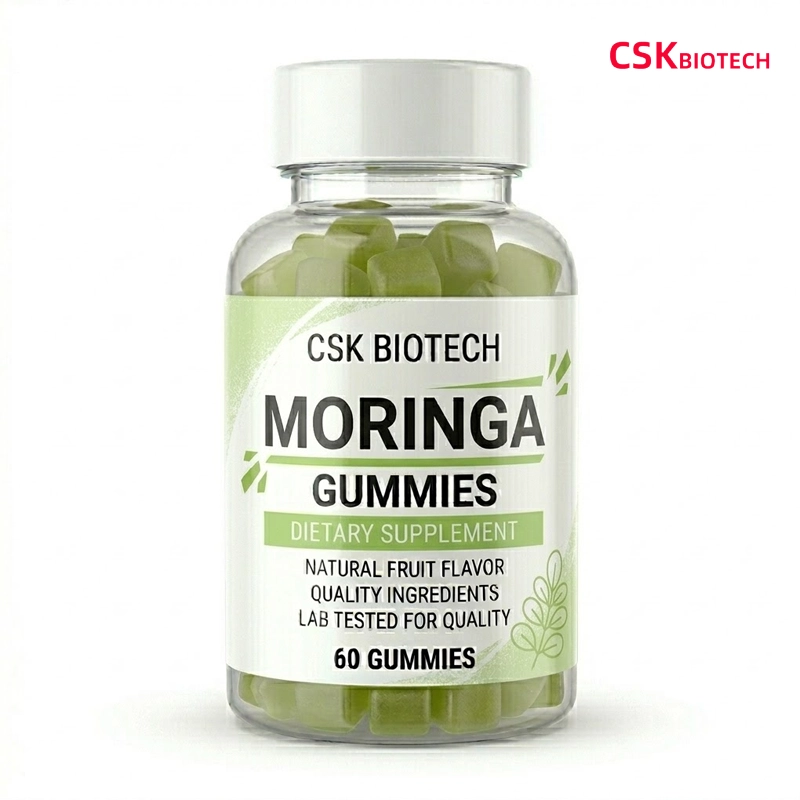
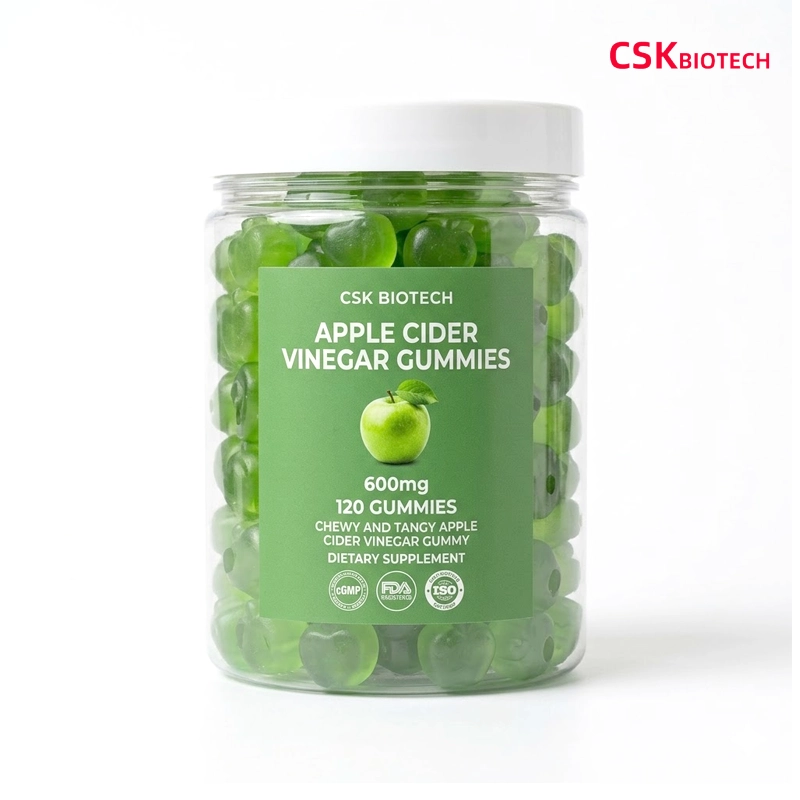
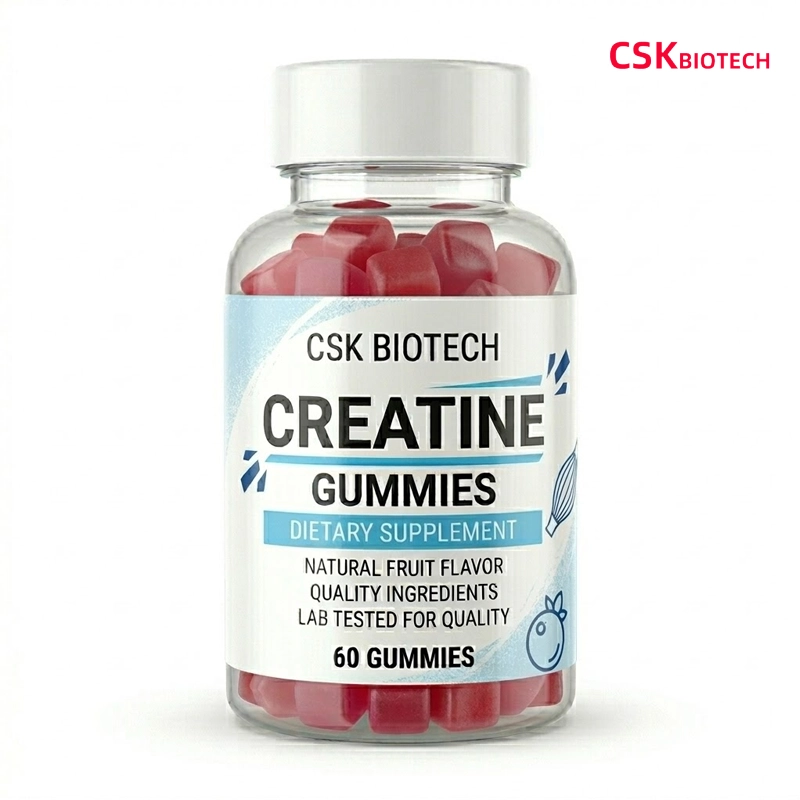
Explore our range of complementary dietary supplement products designed to meet diverse formulation and market needs. Each item is developed and manufactured with the same high-quality standards and expertise that define our dietary supplement contract manufacturing services, helping brands expand their product offerings efficiently and reliably.
Request a Quote for Dietary Supplement Contract Manufacturing
If you need CDMO services for health foods, nutritional supplements, or cosmetics, our team of experts is ready to provide you with customized solutions and quotes.

Contact


manufactoryinchina
CSK Biotech Dietary Supplements