
Accurate and compliant labeling is a core requirement for dietary supplements sold in both the United States and the European Union. Labels are not only a communication tool for consumers, but also a key element reviewed by regulatory authorities.
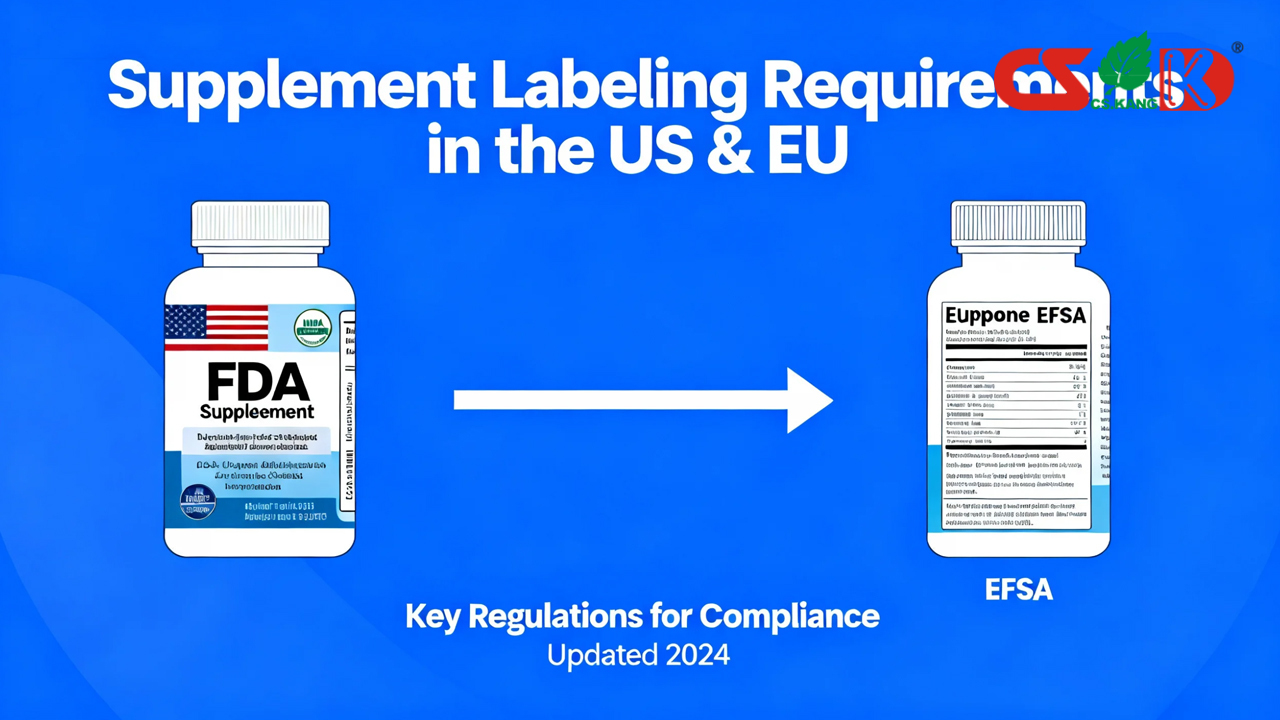
Understanding supplement labeling requirements in the US and EU helps brands reduce compliance risks and support smooth market entry.
As an experienced OEM/ODM dietary supplement manufacturer, CSK Biotech supports brands by manufacturing products and preparing documentation in alignment with international labeling frameworks.
Why Supplement Labeling Compliance Matters
Dietary supplement labels must present clear, truthful, and non-misleading information. In both the US and EU, labeling regulations focus on transparency, ingredient disclosure, and consumer information rather than promotional claims. Non-compliant labels may lead to delays in market access, product recalls, or regulatory actions.
Working with a manufacturer familiar with US and EU requirements helps brands structure labels correctly from the early stages of product development.
US Supplement Labeling Requirements
In the United States, dietary supplements are regulated under the Dietary Supplement Health and Education Act (DSHEA) and enforced by the Food and Drug Administration (FDA).
Core Label Elements in the US
A compliant US dietary supplement label generally includes:
-
Statement of identity (e.g., “Dietary Supplement”)
-
Net quantity of contents
-
Supplement Facts panel, listing serving size, servings per container, and dietary ingredients
-
Other ingredients list (excipients, capsule materials, flavors, etc.)
-
Name and address of the responsible company
-
Directions for use
-
Required disclaimers, where applicable
All information must be presented in English and follow FDA formatting and font size rules.
Ingredient and Allergen Disclosure
Dietary ingredients must be listed by their common or usual names. Non-dietary ingredients must also be declared. If applicable, allergens should be disclosed in accordance with US food allergen labeling standards.
EU Supplement Labeling Requirements
In the European Union, dietary supplements are regulated as foods, primarily under Directive 2002/46/EC and relevant food information regulations.
Core Label Elements in the EU
A compliant EU supplement label typically includes:
-
Product designation as a food supplement
-
List of ingredients, in descending order by weight
-
Nutrient content declaration, where applicable
-
Recommended daily portion
-
Warnings, such as not exceeding the stated daily intake
-
Net quantity
-
Name and address of the food business operator
-
Lot or batch number
Label language must match the official language(s) of the destination EU member state.
EU-Specific Considerations
EU labeling places strong emphasis on consumer clarity. Ingredients must comply with permitted vitamin and mineral forms, and labeling must avoid implying that supplements replace a balanced diet. Statements must remain factual and non-promotional.
Key Differences Between US and EU Labeling
While both markets aim to protect consumers, there are structural differences:
-
The US uses a Supplement Facts panel, while the EU does not
-
The EU requires specific warning statements related to daily intake
-
Terminology and formatting rules differ
-
Language requirements vary across EU member states
Brands selling in both regions often need market-specific label versions.
Labeling Support in OEM/ODM Manufacturing
When working with an OEM/ODM partner, labeling compliance should be integrated into the manufacturing workflow. Professional manufacturers typically support:
-
Ingredient lists aligned with approved raw materials
-
Accurate product specifications
-
Batch and traceability information
-
Documentation for regulatory review
Final label approval, however, remains the responsibility of the brand owner or distributor in each market.
CSK Biotech’s Compliance-Oriented Manufacturing Approach
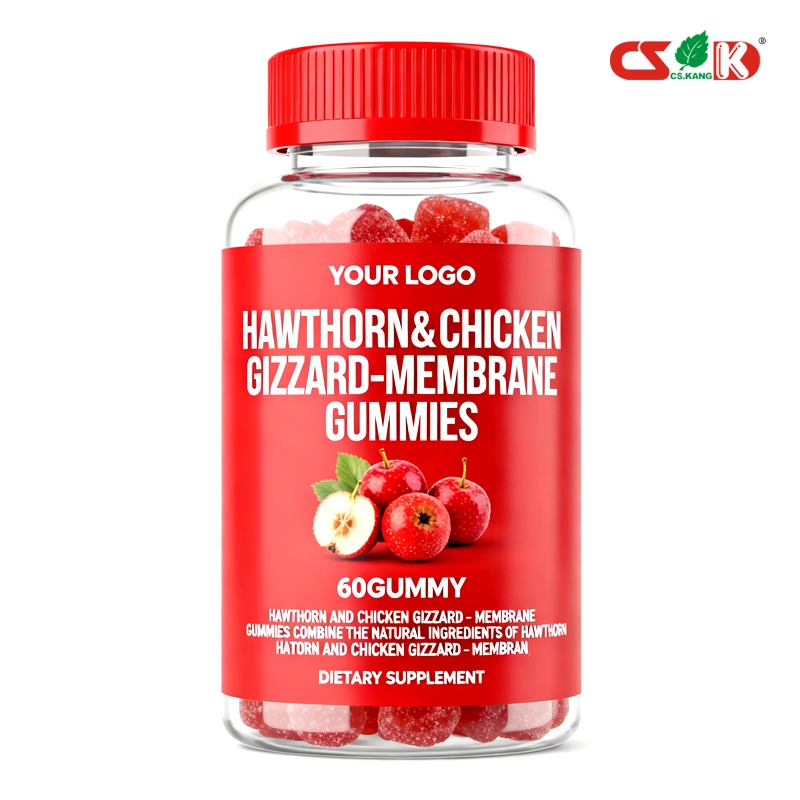
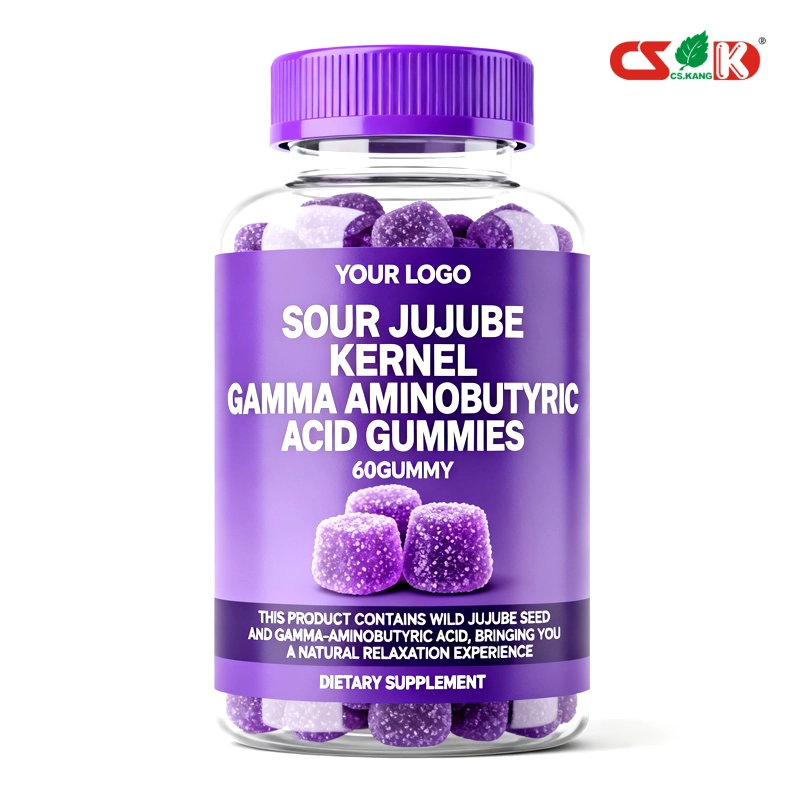
CSK Biotech manufactures dietary supplements including capsules, tablets, powders, gummies, softgels, and liquids. Our production and documentation processes are designed to support brands preparing labels for the US, EU, Germany, and other international markets.
By aligning manufacturing inputs with regulatory expectations, CSK Biotech helps brands streamline the labeling preparation process and reduce compliance risks.
Conclusion
Understanding supplement labeling requirements in the US and EU is essential for brands operating across international markets. Clear, accurate, and regulation-aligned labels support consumer trust and regulatory readiness.
By working with an experienced manufacturing partner such as CSK Biotech, brands can build a strong foundation for compliant dietary supplement labeling and long-term global market development.


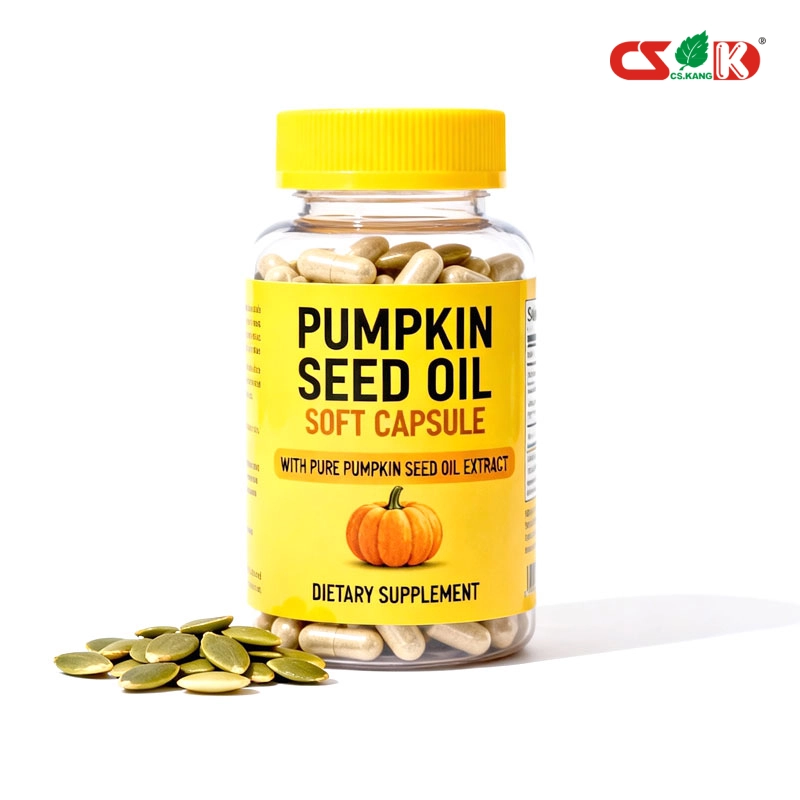
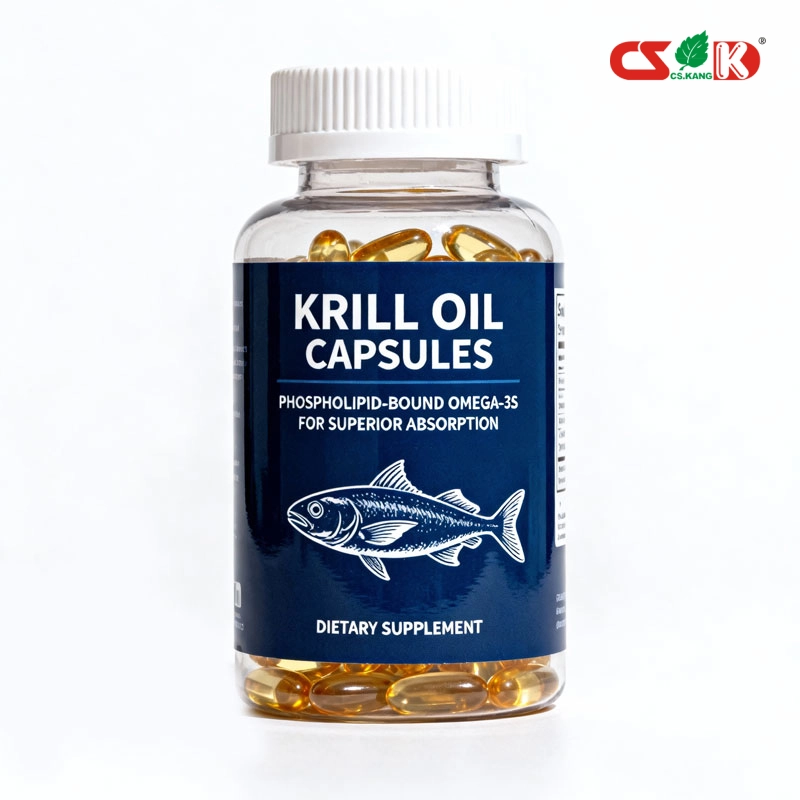

manufactoryinchina
CSK Biotech Dietary Supplements