
Softgel vs. Tablet Manufacturing: Choosing the Right Supplement Dosage in 2026
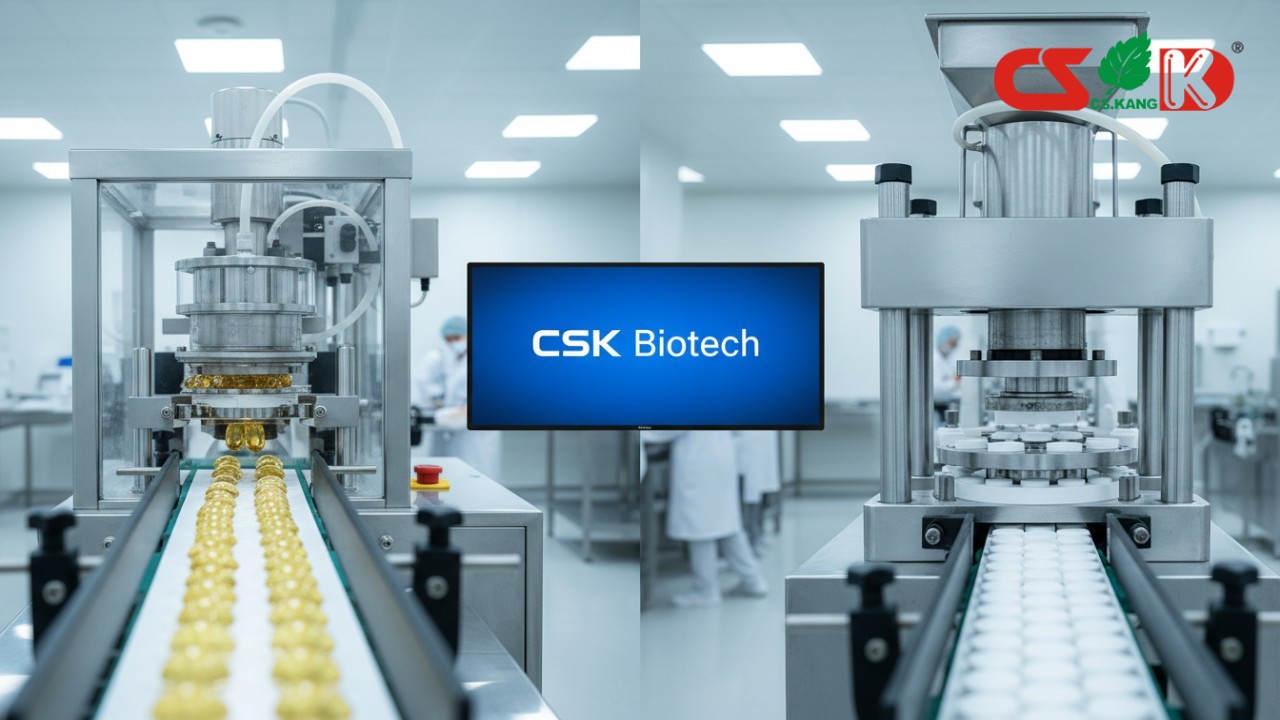
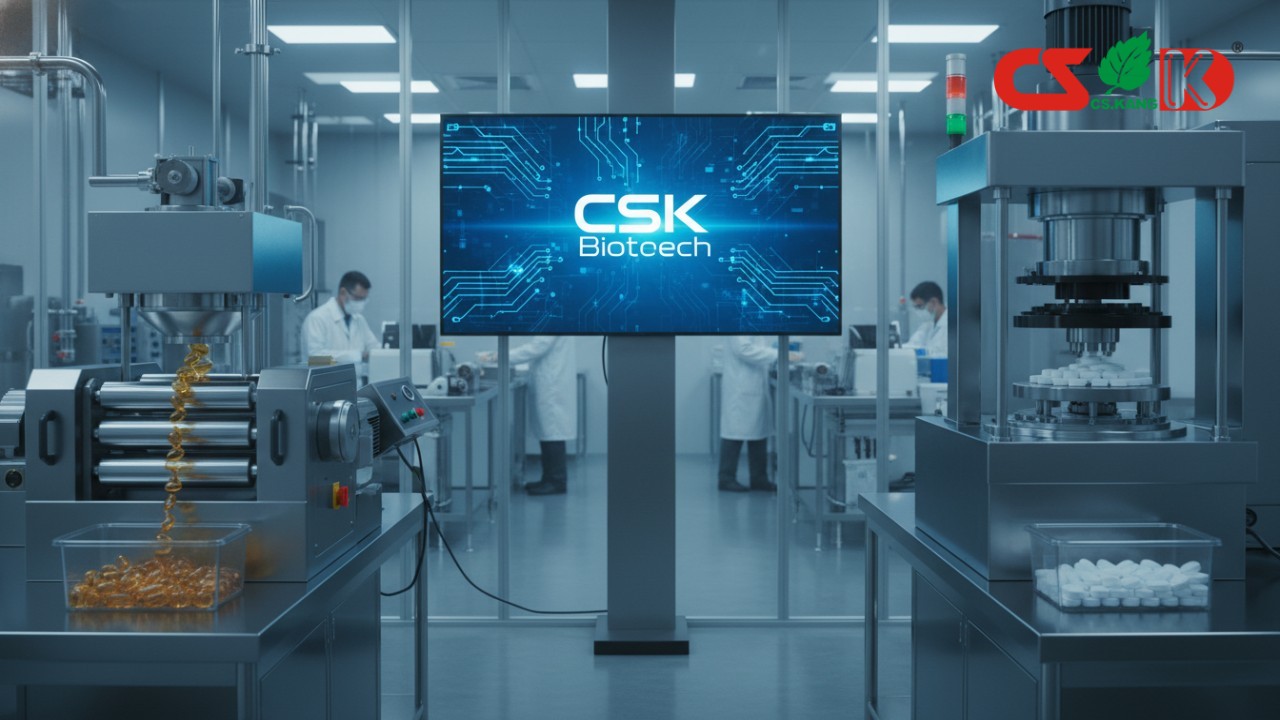
The difference between softgel and tablet manufacturing is that softgel manufacturing uses rotary die encapsulation to fill liquid or oil-based ingredients into a gelatin or vegan shell, whereas tablet manufacturing compresses dry powdered ingredients into solid forms under high pressure.
These two supplement dosage forms serve highly distinct purposes in the nutraceutical industry. Understanding the exact nuances of rotary die encapsulation vs tablet compression is critical for brand owners aiming to maximize product efficacy, consumer compliance, and overall profitability.
- Definition: Softgel manufacturing uses a specialized rotary die process, as reported by Wikipedia, to encapsulate oil-based or liquid formulas within a flexible shell, optimizing softgel bioavailability. Conversely, tablet manufacturing relies on dry granulation and high-pressure compression to compact powdered ingredients into hardened, solid dosage units, as reported by Wikipedia.
- Primary Application: Softgels are strictly essential for fat-soluble vitamins (like Vitamins A, D, E, K), Omega-3 fish oils, and lipid-based formulations that cannot be dried. Tablets, however, are ideal for packing exceptionally high doses of water-soluble active ingredients, heavy minerals (like calcium and magnesium), and complex herbal botanicals.
- Complexity: Encapsulation requires rigorous environmental controls, including precise ambient humidity and temperature management, along with extended curing and drying times. Tablet pressing, on the other hand, offers rapid, high-volume throughput with significantly lower upfront tooling costs, making it highly efficient for massive-scale production.
Key Takeaways: Quick Summary for Supplement Brands
The key takeaways for supplement brands are that softgels provide superior bioavailability and easier swallowing for oil-based ingredients, while tablets deliver unmatched cost-efficiency, longer shelf life, and the ability to hold larger doses of powdered active ingredients.
When evaluating your nutraceutical contract manufacturing options, keeping these core factors in mind will help you choose the best format for your target audience.
- Bioavailability: Softgels generally offer much faster absorption rates and higher bioavailability for poorly soluble ingredients, making them a premium choice for high-value therapeutic supplements.
- Cost-Efficiency: Tablets remain the most cost-effective oral solid dosage form for large-scale, automated production, helping brands rigorously manage overall supplement manufacturing costs.
- Consumer Preference: Softgels boast higher patient and consumer compliance rates due to their ease of swallowing, smooth texture, and superior odor-masking capabilities, which are highly preferred by pediatric and geriatric demographics.
- Shelf Life: Tablets typically exhibit superior stability in extreme environmental conditions. Softgels are inherently hygroscopic and require careful climate control during warehousing, shipping, and retail display to prevent melting or sticking.
Comparison Table: Softgel vs. Tablet Manufacturing
| Feature | Softgel Manufacturing | Tablet Manufacturing |
|---|---|---|
| Ideal Ingredients | Oil-based liquids, suspensions, fat-soluble vitamins | Powders, water-soluble vitamins, heavy minerals |
| Manufacturing Process | Rotary die encapsulation | Dry/wet granulation and high-pressure compression |
| Bioavailability | Excellent (bypasses first-pass metabolism effectively) | Moderate to High (varies heavily by chosen excipients) |
| Production Speed | Slower (requires 2 to 7 days of mandatory drying time) | Extremely fast (immediate packaging post-coating) |
| Manufacturing Costs | Higher upfront tooling and operational utility costs | Highly cost-effective and scalable for large batches |
| Shelf Life & Stability | Sensitive to elevated heat and high humidity levels | Highly stable across various global climate conditions |
The Mechanics of Tablet Supplement Manufacture
Tablet supplement manufacture involves blending active powdered ingredients with excipients, followed by either dry or wet granulation, and finally utilizing a high-speed rotary press to forcefully compress the mixture into a precisely dosed, hardened solid shape.
The science of compressing powders into solid forms relies heavily on precision machinery and pharmaceutical-grade excipients. As an experienced CDMO, CSK Biotech utilizes state-of-the-art compression technology to ensure every batch meets perfectly uniform weight, thickness, and hardness standards.
- Pre-formulation: The process begins by meticulously blending active pharmaceutical or nutraceutical ingredients with crucial excipients. These include binders (like microcrystalline cellulose), glidants (such as silicon dioxide), and lubricants (like magnesium stearate) to ensure uniform powder flow and consistent dosing.
- Dry Granulation & Compression: Using heavy machinery, manufacturers press the blended powders into hardened shapes. The immense pressure forcefully binds the raw particles together without the need for excess moisture, which is ideal for heat-sensitive ingredients.
- Coating Options: After the main compression phase, tablets can be uniquely customized by applying enteric, film, or sugar coatings. These functional coatings help control target release times in the gastrointestinal tract, entirely mask unpleasant botanical tastes, and significantly improve visual shelf appeal.
- Advantages: This production method provides excellent commercial scalability and a remarkably long shelf life. Additionally, it allows expert formulators to combine multiple incompatible ingredients into innovative bilayer tablet formats, maximizing dosage efficiency.
The Mechanics of Supplement Manufacturing Softgels
Supplement manufacturing for softgels revolves around creating a gelatin or plant-based gel mass, preparing a liquid or suspension fill, and using a rotary die machine to hermetically seal the fill inside the gel ribbons before drying.
The sophisticated art of rotary die encapsulation vs tablet compression is highly evident during this stage. The encapsulation process is intricate and requires strict cleanroom facilities. At CSK Biotech, our GMP-certified 2,000㎡ factory ensures absolute environmental control throughout this highly delicate procedure.
- Gel Mass Preparation: The outer protective shell is formed by precisely melting and mixing gelatin (or modern plant-based alternatives like tapioca pectin or seaweed carrageenan) with purified water and plasticizers such as glycerin or sorbitol to ensure optimal shell flexibility.
- Fill Material Preparation: The inner active liquid or suspension is rigorously milled, deaerated, and homogenized under vacuum. This step guarantees uniform dosage distribution across millions of produced units, eliminating batch variances.
- Rotary Die Encapsulation: This is the critical, continuous-motion step where the two flat gel ribbons and the liquid fill material converge. The rotary dies inject the precise fill dose and cut the ribbons simultaneously, sealing the capsule hermetically in one fluid action.
- Drying and Inspection: Newly formed softgels are extremely pliable and must be gently tumbled and tray-dried in specialized humidity-controlled rooms for several days to achieve the exact optimal moisture content. Afterward, they undergo rigorous automated leak testing and manual visual inspection.
Bioavailability and Pharmacokinetics: Which is More Effective?
Softgels are generally more effective for bioavailability when delivering poorly water-soluble, lipid-based ingredients because they bypass first-pass metabolism, whereas tablets are highly effective for delivering large doses of water-soluble compounds that break down steadily in gastric acid.
Understanding exactly how different supplement dosage forms behave pharmacokinetically inside the human digestive system is absolutely essential for formulating effective, results-driven health products.
- Lipid-Based Delivery Systems: Softgel bioavailability is vastly improved for lipophilic (fat-soluble) drugs and botanical nutrients. By suspending the active ingredients in a lipid carrier oil, softgels can trigger Self-Emulsifying Drug Delivery Systems (SEDDS). This allows them to bypass certain harsh digestive hurdles, facilitating rapid absorption directly through the intestinal wall and into the bloodstream.
- Disintegration Profiles: A primary difference lies in how quickly these forms break down. Softgel shells dissolve rapidly within minutes in gastric acid, immediately releasing their liquid contents for absorption. In stark contrast, compressed tablets have a highly varied breakdown profile, relying on internal disintegrants to swell and shatter the rigid tablet before cellular absorption can even begin.
- Formulation Strategies: Formulators frequently utilize softgels to overcome severe absorption challenges associated with poorly water-soluble active ingredients, ensuring the end consumer receives the maximum possible therapeutic benefit. To explore more about how factory machinery capabilities dictate formulation success, read The Ultimate Guide to Supplement Manufacturing Capabilities & Dosage.
-
Cost Analysis and ROI for Nutraceutical Brands
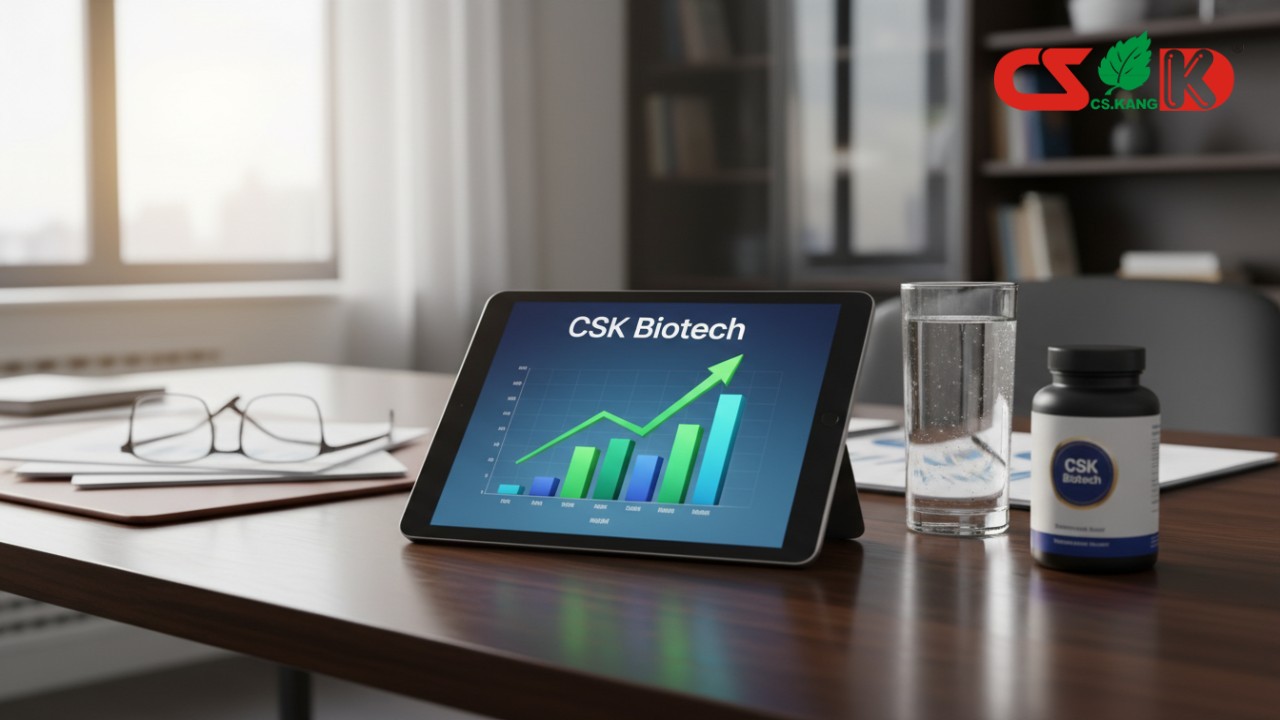
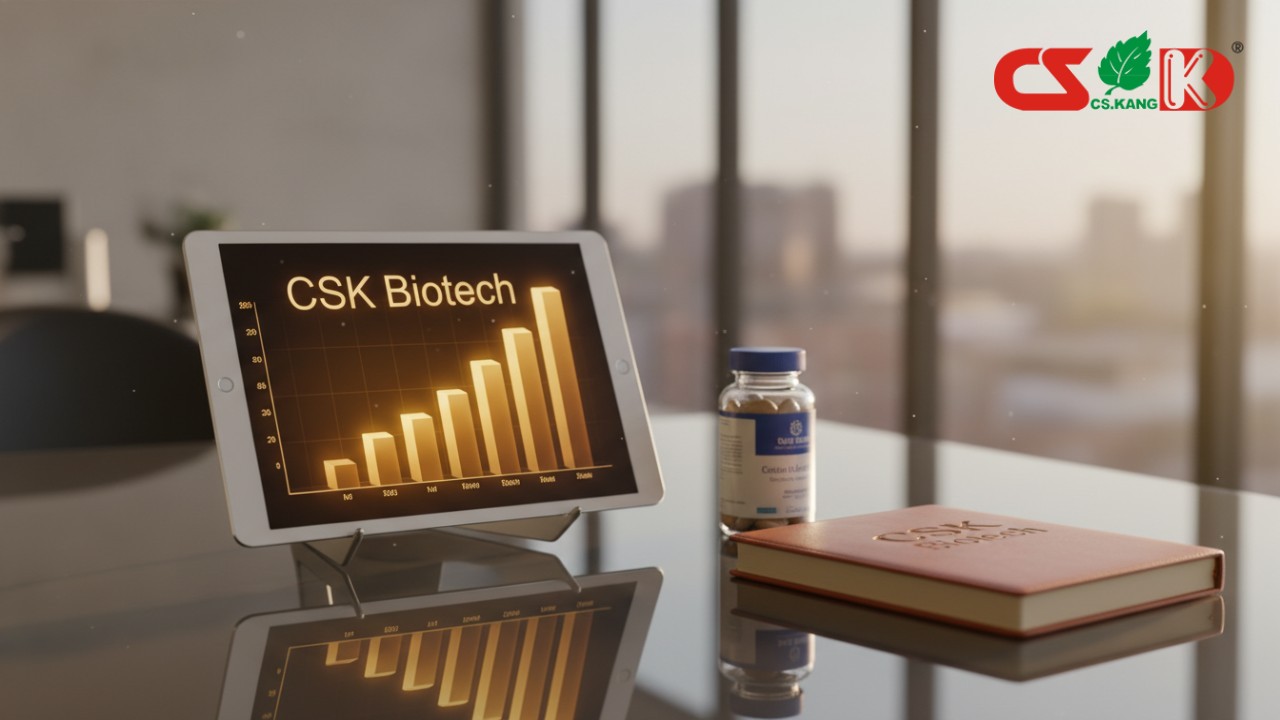
Softgel manufacturing incurs higher initial tooling and operational costs due to specialized equipment and controlled environments, but it often yields a higher return on investment (ROI) because consumers are willing to pay a premium retail price for softgel products.
Strategically navigating supplement manufacturing costs is a delicate balancing act between your upfront capital investment and long-term retail profitability. Partnering with a skilled, transparent CDMO helps mitigate unnecessary downstream expenses.
- Initial Tooling & Equipment Costs: Rotary die encapsulation machinery and the strictly required cleanroom HVAC setups (needed for intense humidity control) demand a significantly larger capital investment compared to the standard high-speed rotary tablet presses used for solid oral doses.
- Production Speed and Waste Management: Tablet manufacturing lines run at incredibly high speeds with minimal material waste. Softgel production requires closely analyzing equipment changeover times, performing intensive cleaning validation for sticky oil-based lines, and factoring in slight, unavoidable material loss percentages during the initial encapsulation phase.
- Consumer Retail Pricing Impact: Despite the higher manufacturing overhead and complex logistics, nutraceutical brands often see an excellent ROI. The modern market perceives softgels as a high-end, premium product. Because they are easier to swallow, faster-acting, and lack a powdery aftertaste, consumers are routinely willing to pay a substantially higher retail price, easily balancing out the initial production costs.
Expert Tips & Common Mistakes in Dosage Form Selection
A common mistake in dosage selection is forcing oil-based extracts into compressed tablets, leading to poor absorption; an expert tip is to always align the dosage format and size with your specific target demographic's swallowing capabilities and preferences.
Avoid immensely costly product development errors by leveraging the direct insights of seasoned nutraceutical contract manufacturing experts before you finalize your formula.
- Mistake: Forcing thick, oil-based extracts into compressed powder tablets. This formulation error almost always leads to severe structural degradation, tablet crumbling, machinery jamming, and ultimately, very poor ingredient absorption in the gut.
- Tip: Always match your target demographic's physical swallowing capabilities directly with the dosage size. For instance, creating smaller, spherical, easy-to-swallow softgels or highly coated mini-tablets is strongly recommended for senior citizens or pediatric markets to ensure daily compliance.
- Mistake: Completely underestimating the hygroscopic (water-absorbing) nature of softgels during global transit and shipping. Shipping softgel inventory without proper climate control can easily cause them to melt, stick together in a massive clump, or completely rupture inside the bottle.
- Tip: Conduct rigorous accelerated stability testing early in the Research and Development (R&D) phase. Verifying chemical and physical stability under various global temperature and humidity zones helps brands avoid devastating, costly product recalls.
2026 Future Trends in Oral Solid Dosage Forms
In 2026, future trends in oral solid dosage forms include the dominant rise of tapioca and seaweed-based vegan softgels, the complete phase-out of synthetic binders in favor of clean-label tablet excipients, and the integration of targeted release technologies.
Staying proactively ahead of the innovation curve is fundamentally crucial for maintaining your brand's market share. The competitive landscape of Softgel vs. Tablet Manufacturing continues to evolve dynamically.
- Vegan Softgel Dominance: There is a massive, industry-wide shift toward the use of Tapioca and Seaweed-based (carrageenan) vegan softgels. As ethical, plant-based consumer demand peaks in 2026, premium brands are rapidly abandoning traditional bovine or porcine gelatin in favor of these sustainable, high-stability alternatives.
- Clean-Label Tablet Excipients: The global nutraceutical industry is strictly phasing out controversial ingredients like titanium dioxide and synthetic artificial binders. Modern, health-conscious consumers demand clean-label tablet excipients derived exclusively from natural, organic, and non-GMO sources.
- Advanced Multi-Unit Particulate Systems (MUPS): We are increasingly seeing advanced MUPS combined natively with encapsulation. This cutting-edge technology allows for highly precise, targeted release profiles, perfectly combining the best features of both rapid-release liquids and sustained-release delivery pellets inside a single dose.
Why Choose CSK Biotech for Your Softgel and Tablet Manufacturing?
You should choose CSK Biotech because we offer comprehensive CDMO services, an industry-leading annual capacity of 4.5 billion softgels and 1.5 billion tablets, and global quality certifications including GMPC, FDA, HACCP, and ISO to ensure premium product safety.
Finding the right manufacturing partner is without a doubt the most important step in launching a successful, scalable nutraceutical product line. Founded in 2008, CSK Biotech is a leading high-tech enterprise dedicated entirely to delivering high-quality, large-scale manufacturing solutions for ambitious global brands.
- Industry-Leading Capacity: Our expansive, GMP-certified 2,000㎡ factory boasts 7 advanced, fully automated production lines. This robust infrastructure delivers a staggering annual capacity exceeding 4.5 billion softgels and 1.5 billion tablets, guaranteeing we can scale effortlessly with your brand's growth.
- Comprehensive CDMO Services: As a highly professional Contract Development and Manufacturing Organization, we provide true end-to-end solutions. From conceptual R&D, custom formulation research, and pilot testing, all the way to large-scale OEM/ODM production, regulatory registration, and marketing support, we expertly cover the entire product lifecycle.
- Global Quality Standards: Absolute quality is our top priority. We are fully certified by GMPC, FDA, HACCP, and ISO, ensuring that every single batch adheres strictly to the most rigorous international standards of safety, purity, and efficacy.
- Value-Added Solutions: We don't just manufacture; we actively innovate. We offer three flexible cooperation models (ODM for market innovation, CDM for custom design, and OEM for precise production) and provide professional formulation development, thorough stability verification, and highly attractive, complimentary custom packaging services to help your brand stand out on the shelf.
-
Conclusion
In conclusion, choosing between softgel and tablet manufacturing ultimately depends on your active ingredients, target audience preferences, and budget constraints, as each format offers unique benefits for nutraceutical brands.
- Choosing between softgel and tablet manufacturing ultimately depends on your active ingredients, target audience preferences, and strict budget constraints.
- While tablets offer unmatched cost-efficiency, incredible scalability, and extreme environmental stability for high-volume powders, softgels provide premium bioavailability, rapid therapeutic absorption, and high aesthetic appeal specifically for oil-based supplements.
- Rigorously evaluating your specific chemical formula alongside an experienced CDMO like CSK Biotech will guarantee you definitively select the optimal delivery system for your next product launch.
Contact us today to optimize your Softgel vs. Tablet Manufacturing strategy.
FAQs About Softgel vs. Tablet Manufacturing
Are softgels more expensive to manufacture than tablets?
Yes, softgel manufacturing is generally more expensive. It requires specialized rotary die equipment, longer drying times, and strictly controlled environmental conditions. However, brands can often charge a higher retail price for softgels, balancing the ROI.
Can any supplement powder be made into a softgel?
No, not all powders are suitable for softgels. Powders must be suspended in a liquid or oil carrier. Highly porous or reactive powders may compromise the integrity of the softgel shell.
Which dosage form has a longer shelf life: softgels or tablets?
Tablets typically have a longer shelf life and better stability. Softgels contain moisture and are sensitive to heat and humidity. Proper packaging, such as blister packs, can significantly extend the shelf life of both.
Do consumers prefer taking softgels or tablets?
Market research indicates a general preference for softgels. Consumers find softgels easier to swallow and less likely to leave a bad aftertaste. However, tablets are still widely accepted for multivitamins and high-dose supplements.
What is the minimum order quantity (MOQ) for custom tablet manufacturing?
MOQs vary depending on the manufacturer and the complexity of the formulation. Generally, custom tablet runs start between 100,000 to 500,000 units. Partnering with a flexible CDMO like CSK Biotech can help tailor MOQs to your business needs.
Are vegan softgels as stable as traditional gelatin softgels?
Historically, vegan softgels were more prone to leakage and slower encapsulation speeds. Modern advancements in plant-based polymers (like tapioca starch and carrageenan) have made them highly stable. In 2026, premium vegan softgels perform comparably to traditional bovine or porcine gelatin.
How long does the softgel manufacturing process take compared to tablets?
Softgel manufacturing takes significantly longer due to the mandatory drying phase. Drying softgels can take anywhere from 2 to 7 days depending on the formulation. Tablets, once compressed and coated, are immediately ready for packaging.
What certifications should I look for in a supplement manufacturer?
Always look for GMP (Good Manufacturing Practice) certification at a minimum. Additional crucial certifications include FDA registration, HACCP, and ISO standards. CSK Biotech holds GMPC, FDA, HACCP, and ISO certifications to guarantee global compliance.
Latest Popular Articles


FAQ
文章
Why choose CSK Biotech as your manufacturing partner?
Clients choose CSK Biotech because we offer:
-
· Comprehensive dosage form capabilities
-
· Strong customization and R&D support
-
· GMP-compliant manufacturing
-
· Reliable quality and stable supply
-
· One-stop OEM/ODM solutions
What types of dosage forms does CSK Biotech manufacture?
We offer a full range of supplement dosage forms, including:
-
· Softgel capsules
-
· Hard capsules
-
· Tablets
-
· Powder supplements
-
· Gummy supplements
-
· Liquid supplements (drops, syrups, oral liquids)
This allows our clients to build a complete and diversified product line with one reliable manufacturing partner.
Can CSK Biotech customize formulations?
Absolutely. We offer full formulation customization, including:
-
· Active ingredients selection
-
· Dosage optimization
-
· Flavor and taste adjustment
-
· Stability and bioavailability improvement
Our technical team ensures that each formula is safe, effective, and suitable for the target market.
What quality control measures do you have?
Our quality control system includes:
-
· Raw material inspection and verification
-
· In-process quality monitoring
-
· Finished product testing
-
· Batch record management and traceability
Quality and compliance are integrated into every stage of our manufacturing process.
Can CSK Biotech assist with labeling and documentation?
Yes. We provide support for:
-
· Product labeling requirements
-
· Ingredient lists and specifications
-
· Basic regulatory documentation
This helps ensure smoother market entry and compliance with customer requirements.
What ingredients can be used in your products?
We support a wide range of ingredients, such as:
-
· Vitamins and minerals
-
· Herbal extracts
-
· Amino acids
-
· Probiotics and prebiotics
-
· Functional ingredients for immunity, beauty, sleep, energy, and metabolism
All raw materials are carefully selected and quality-tested before use.
Related Products
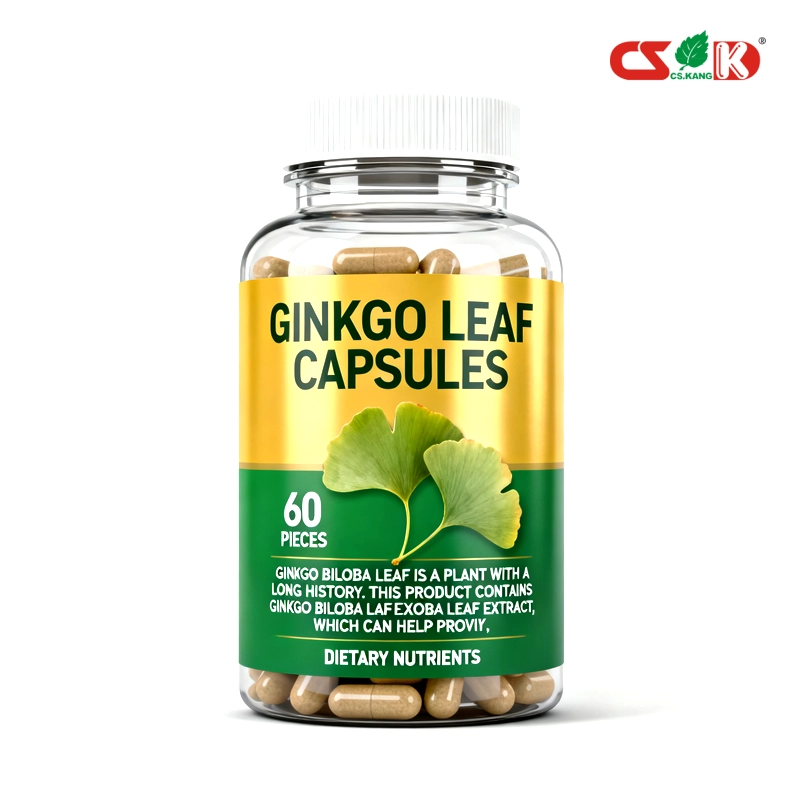
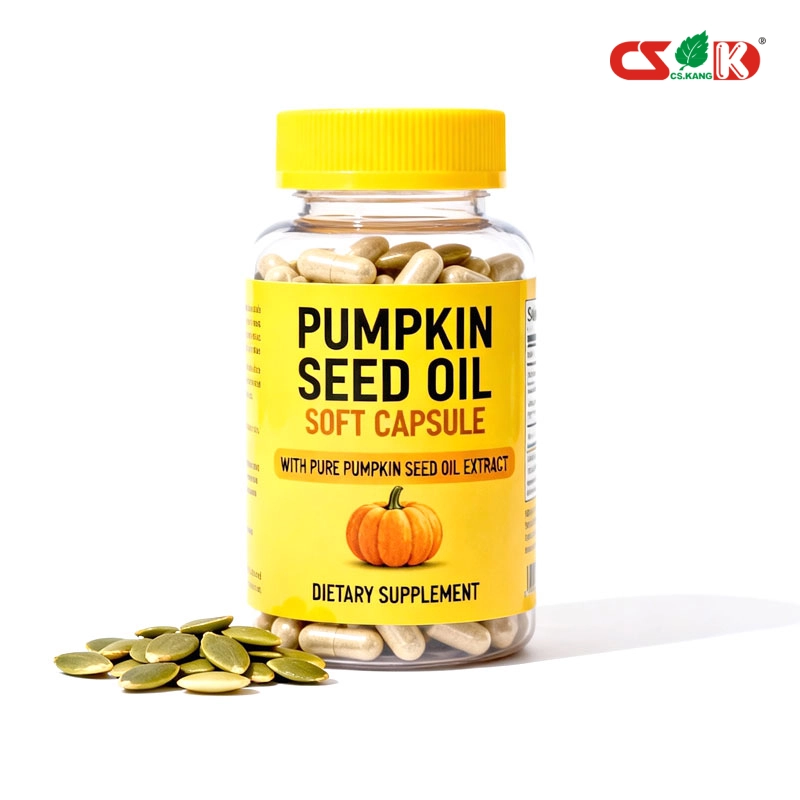
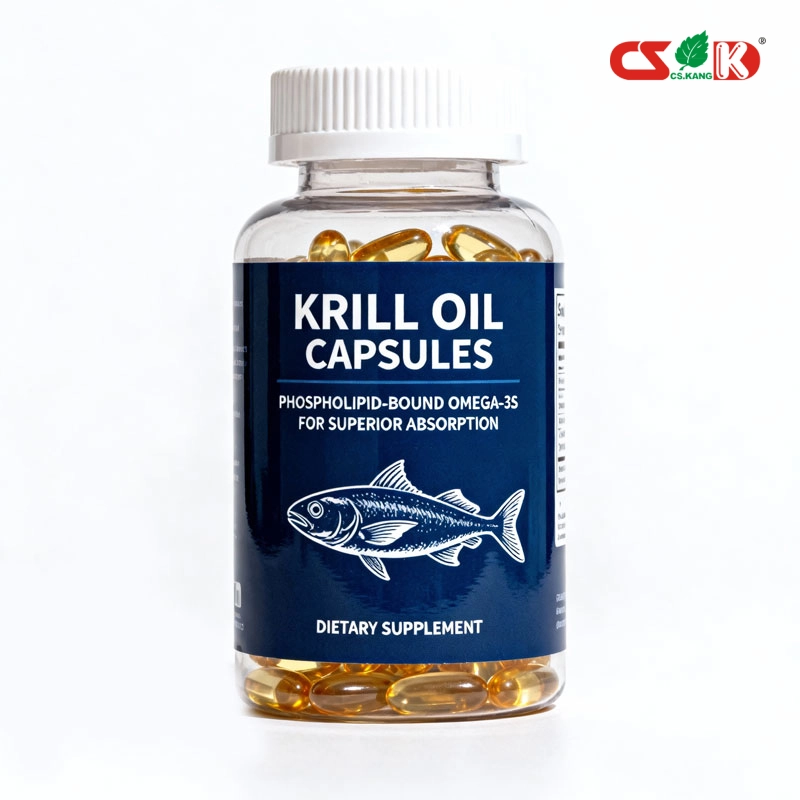
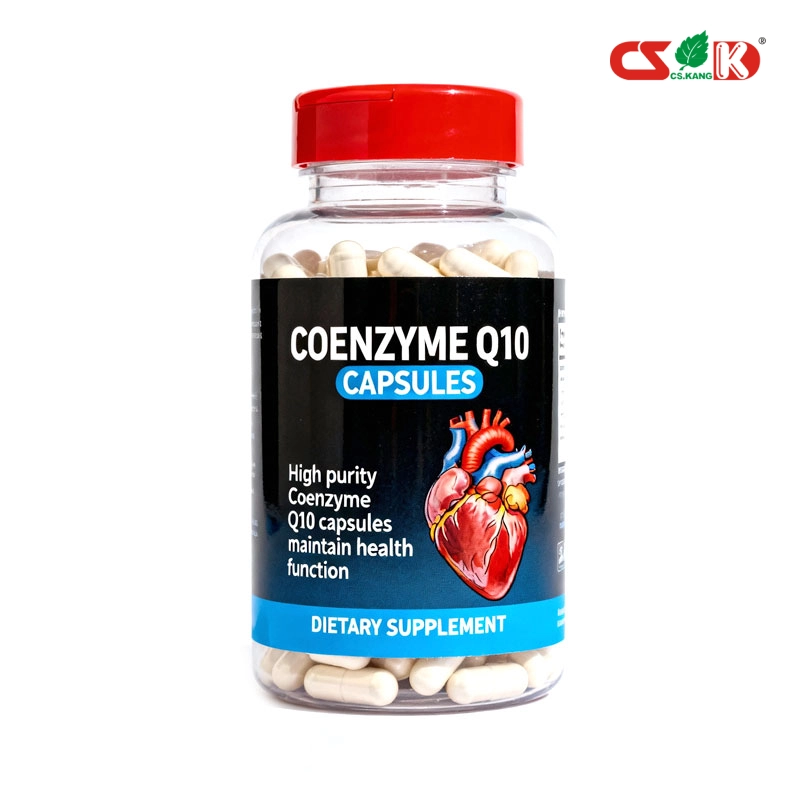
Explore our range of complementary dietary supplement products designed to meet diverse formulation and market needs. Each item is developed and manufactured with the same high-quality standards and expertise that define our dietary supplement contract manufacturing services, helping brands expand their product offerings efficiently and reliably.
Request a Quote for Dietary Supplement Contract Manufacturing
If you need CDMO services for health foods, nutritional supplements, or cosmetics, our team of experts is ready to provide you with customized solutions and quotes.


manufactoryinchina
CSK Biotech Dietary Supplements