
Is Every Nutritional Supplement Safe? 5 Critical Red Flags to Watch For
In an era of rapid health optimization, choosing the right nutritional supplement is more challenging than ever. With the market projected to reach new heights in 2026, many consumers are unknowingly risking their health by taking too many supplements and by using unregulated products. This guide delves into the science of safety, explaining the vital Tolerable Upper Intake Level (UL) and the latest FDA warnings regarding botanical extracts. Whether you are looking for the best nutritional supplement for daily use or exploring B2B solutions from a leading dietary supplement manufacturer specializing in immunity health, understanding these five critical red flags will help you navigate the industry with confidence and protect your long-term wellness.
The Hidden Risks of Modern Nutritional Supplement Trends
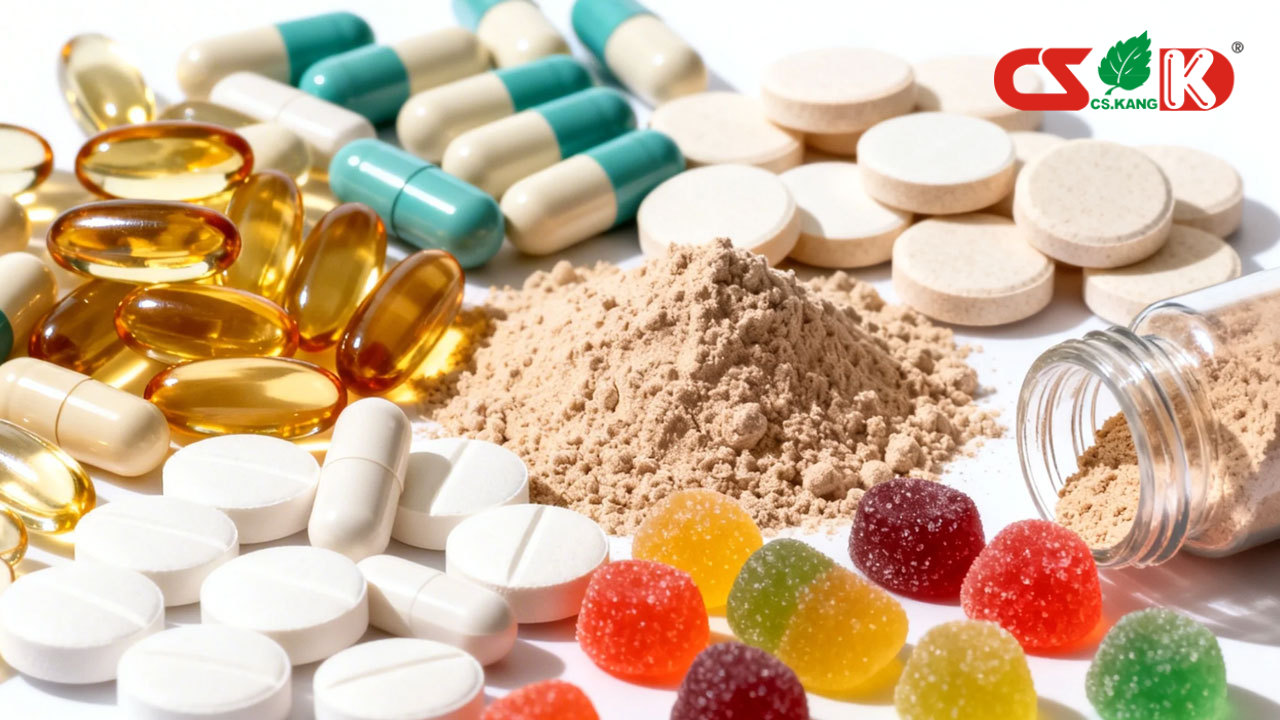
The global increase in health awareness has turned the nutritional supplement industry into a multibillion-dollar powerhouse. While many people use dietary supplements to address nutritional deficiencies, the modern market is flooded with 'trendy' ingredients that often lack rigorous long-term human trials. The sheer variety of products, from TikTok-famous herbal extracts to complex pre-workout blends, makes it difficult for consumers to distinguish between a life-enhancing tool and a potential health hazard. As a leading manufacturer of dietary supplements for immune health, CSK Biotech has observed that many brands prioritize viral marketing over strict manufacturing processes, resulting in products that may contain unlisted stimulants or poor-quality raw materials.
The risk lies not only in the ingredients themselves, but also in how they interact with our unique biology. Modern trends often encourage 'mega-dosing,' whereby consumers take ten times the recommended daily intake of certain vitamins on the assumption that 'more is better.' This logic is flawed and dangerous. Without transparent manufacturing requirements, some products fail to account for bioavailability or safe concentration levels. This highlights the importance of choosing a nutritional supplement backed by science rather than social media hype for daily use to ensure that your wellness routine supports your body rather than putting strain on your liver and kidneys.
Understanding Safety Limits: The Role of UL (Tolerable Upper Intake Level)
To navigate the world of supplementation safely, it is important to understand the Tolerable Upper Intake Level (UL). The UL is the maximum daily intake of a nutrient that is unlikely to cause adverse health effects in almost all individuals in the general population. As intake increases above the UL, the risk of adverse effects also increases. For example, while zinc is essential for immune function, exceeding the UL for zinc can interfere with copper absorption and suppress the immune response—the exact opposite of the intended goal. Expert antioxidant supplement manufacturers always cross-reference formulation dosages against these clinical benchmarks to ensure consumer safety.

Understanding these limits is fundamental to professional capsule supplement manufacturing. Brands that ignore the UL risk are causing chronic toxicity in their customers. For example, vitamin A is fat-soluble, meaning it builds up in the body. Consistently exceeding the UL can lead to bone thinning and liver damage. Responsible bulk supplement powder manufacturers provide clear labeling to prevent accidental overdose. By respecting these scientific boundaries, consumers can enjoy the benefits of their regimen without falling into the trap of 'over-supplementation', one of the most common mistakes in the health community today.
2026 Regulatory Update: New FDA Warnings on Botanical Extracts
As we move through 2026, the regulatory landscape has shifted significantly. The FDA's 2026 warnings on botanical extracts have specifically targeted the lack of standardization in high-potency herbal concentrates. While many consumers view 'herbal' as synonymous with 'safe,' the FDA has recently flagged several concentrated extracts for potential contamination and hepatotoxicity. These updated warnings serve as a wake-up call for the industry to become more transparent. For companies like CSK Biotech, a partner of high-standard Chinese dietary supplement ingredient manufacturers, these regulations are a welcome move towards eliminating substandard products that damage the industry's reputation.
Liver Health Concerns Regarding Turmeric and Curcumin Concentrates
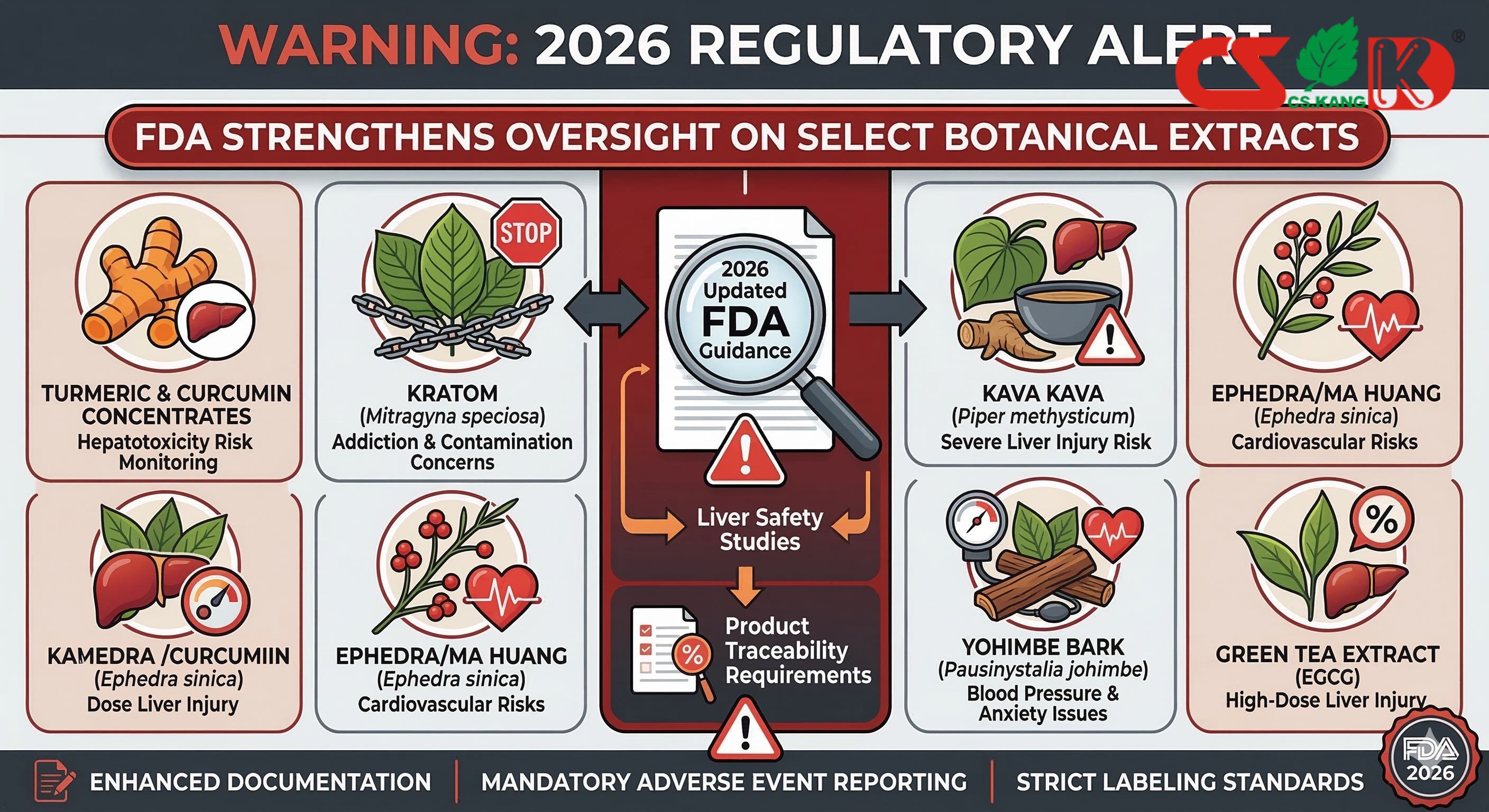
One of the most surprising entries in the FDA's 2026 warnings on botanical extracts involves turmeric and its active compound, curcumin. While culinary turmeric is safe, highly concentrated supplements containing added bioavailability enhancers, such as black pepper extract, have been linked to rare cases of serious liver injury. Manufacturers of liquid dietary supplements must now conduct rigorous testing to ensure that these extracts do not contain residual solvents or unauthorized chemical enhancers that could cause liver damage.
The Surge of GLP-1 Support Supplements and Market Oversight
The rise in popularity of weight-loss medications has given rise to a new category of "GLP-1 support" supplements. However, the FDA is closely monitoring this area due to misleading claims. Reputable custom powder supplement manufacturers must now prove that their support formulas actually aid metabolism, rather than simply capitalizing on pharmaceutical trends. In 2026, ensuring these products meet dietary supplement manufacturing requirements will be essential for maintaining consumer trust.
Red Flag 1: Lack of Third-Party Quality Certifications (USP, NSF, Informed-Choice)
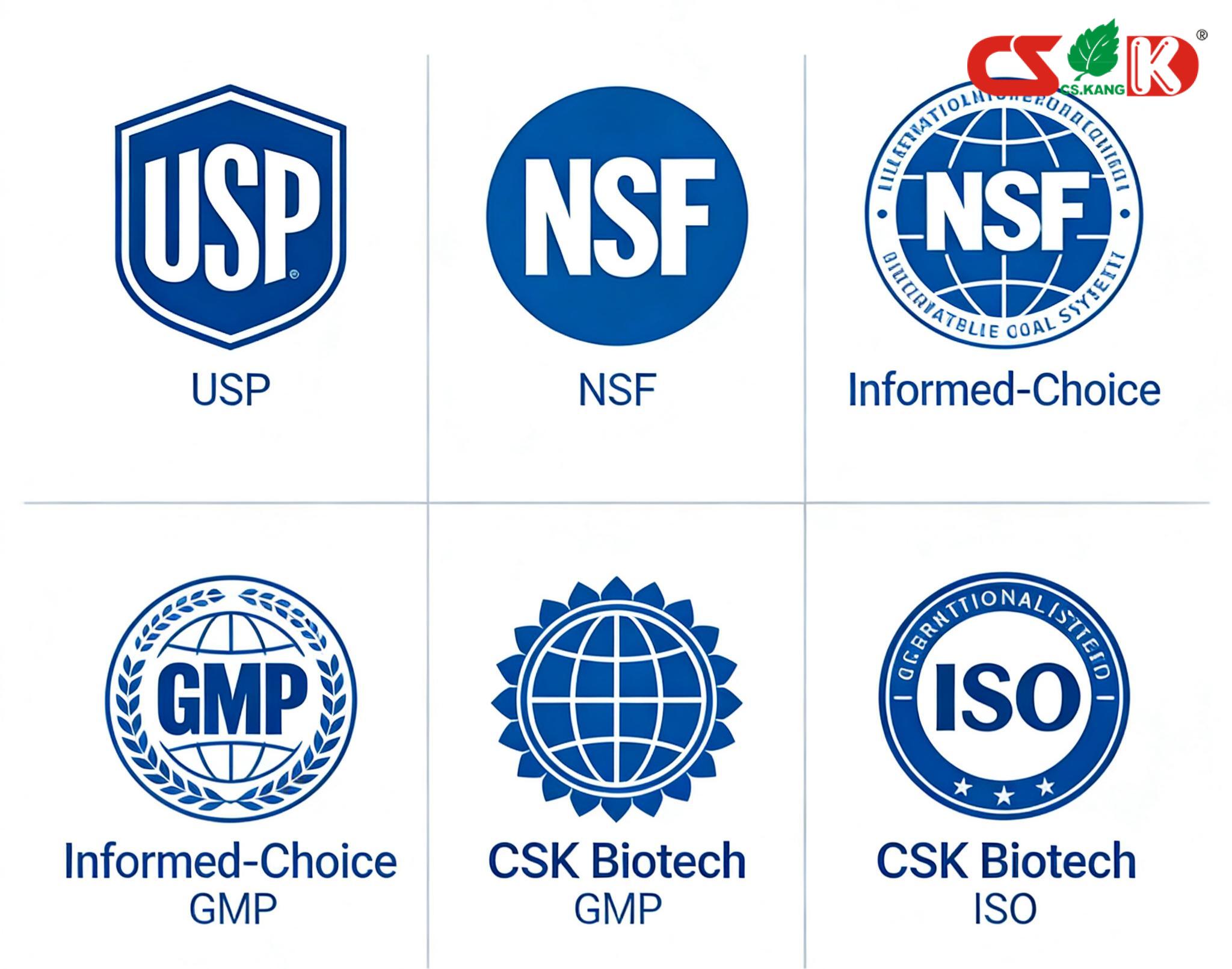
The first major red flag when choosing a nutritional supplement is the absence of third-party verification. Because the supplement industry is regulated differently than pharmaceuticals, the "purity" of a product is often left to the manufacturer’s word. Certifications from organizations like USP, NSF, or Informed-Choice provide an unbiased audit of what is actually inside the bottle. These labels confirm that the manufacturing process meets strict quality controls and that the product is free from contaminants like heavy metals or banned substances.
For those looking for the best nutritional supplements for daily use, these seals are essential. They indicate that the manufacturer of the dietary supplement that supports immunity health has opened its doors to external inspectors to verify its claims. At CSK Biotech, our one-stop CDMO services prioritize international quality systems, ensuring that every batch of tablet supplement manufacturing or capsules meets these high-tier safety benchmarks. Without these certifications, you are essentially gambling with your internal health based on a marketing label.
Red Flag 2: Proprietary Blends That Hide Ingredient Dosages
'Proprietary blends' are a common tactic used by some brands to hide the exact quantities of each ingredient in a dietary supplement. Although they claim this protects their 'secret formula,' it often disguises the fact that the most expensive and effective ingredients are present in tiny, ineffective amounts (a practice known as 'pixie dusting'). From the perspective of manufacturing dietary supplements for brain health, knowing the exact dosage is critical for safety and efficacy, especially with ingredients that affect neurotransmitters.
When you see a proprietary blend, it is impossible to accurately calculate whether you are staying below the Tolerable Upper Intake Level (UL). This lack of transparency is a significant red flag. A transparent partnership with a China-based dietary supplement ingredient manufacturer will always provide a full Certificate of Analysis (COA) for every ingredient. Transparency in the dietary supplement manufacturing process is the only way to ensure that consumers know exactly what they are putting into their bodies, whether they are dealing with a carnosine custom supplement manufacturer or a protein supplier.
Red Flag 3: Exceeding the UL (Tolerable Upper Intake Level) for Key Nutrients
Safety often lies in the dosage, yet many consumers overlook the fact that exceeding the Tolerable Upper Intake Level (UL) is a red flag when it comes to "extra strength" formulas. Some products on the market contain 5,000% of the daily value of certain vitamins. While some water-soluble vitamins are excreted, others can cause immediate problems such as nerve damage (vitamin B6) or kidney stones (vitamin C). A high-quality dietary supplement manufacturer specializing in immunity health understands the synergy between nutrients and will formulate products that stay within safe, effective ranges.
This is particularly important in capsule supplement manufacturing, where concentrated doses are easily consumed. If a supplement label shows dosages that are significantly higher than the established UL without a medical reason, this is a sign of irresponsible formulation. When working with a custom powder supplement manufacturer, it is vital to ensure that the final product balances efficacy with long-term safety and avoids the 'more is better' fallacy that can lead to systemic toxicity.
Red Flag 4: Unverified Health Claim
Legally, a nutritional supplement cannot claim to "cure," "treat," or "prevent" any disease. If a product label suggests it can "cure cancer" or "permanently fix diabetes," it is a major red flag and a violation of dietary supplement manufacturing requirements. These "miracle" claims are often a smokescreen for products that have not undergone proper safety testing. Reliable antioxidant supplement manufacturer entities focus on "supporting" and "maintaining" health functions rather than making drug-like promises.
Consumers should be wary of any nutritional supplement marketed as the best for daily use that relies on emotional marketing rather than clinical data. Authentic health support comes from a consistent manufacturing process that delivers stable, bioavailable nutrients. Brands that invest in brain health dietary supplement manufacturing usually lead with science and structure-function claims that have been vetted by legal and regulatory experts, ensuring the consumer isn't being misled by "snake oil" marketing tactics.
Red Flag 5: Poor Ingredient Transparency and Excessive Fillers
The final red flag is the presence of unnecessary fillers, artificial colours and hidden allergens. Low-quality dietary supplements may contain magnesium stearate, silicon dioxide or artificial dyes, which speed up and reduce the cost of the manufacturing process. While some 'other ingredients' are necessary for pill stability; an excessive list of chemicals indicates that the manufacturer is cutting corners. China's leading dietary supplement ingredient manufacturers prioritize 'clean label' ingredients to meet the growing demand for purity.
Transparency also extends to the source of the ingredients. A reputable liquid dietary supplement manufacturing facility will be able to trace every raw material back to its origin. If a brand cannot tell you where their vitamins are sourced from or explain how their gummy health supplement manufacturer ensures the stability of the active ingredients, it is best to avoid them. High-quality production facilities, such as those used for manufacturing bulk supplement powders, focus on minimizing fillers to ensure consumers get the highest possible concentration of beneficial nutrients.
Nutritional Supplement vs. Whole Foods: A Comparison Guide
Knowing when to take a nutritional supplement instead of relying on whole foods is key to maintaining a balanced lifestyle. Whole foods provide a complex matrix of fiber, phytonutrients and enzymes that cannot be replicated by a single pill. However, due to soil depletion and busy lifestyles, supplements can act as an essential 'insurance policy' to prevent deficiencies. A professional dietary supplement manufacturer specializing in immunity health views their products as a complement to—not a replacement for—a healthy diet.
| Feature | Whole Foods | Nutritional Supplement |
| Nutrient Complexity | High (Includes fiber/enzymes) | Targeted (Specific dosages) |
| Absorption Speed | Slower (Natural digestion) | Faster (Engineered for uptake) |
| Convenience | Variable (Requires prep) | High (Portable & measured) |
| Risk of Overdose | Very Low | Moderate (Must watch UL) |
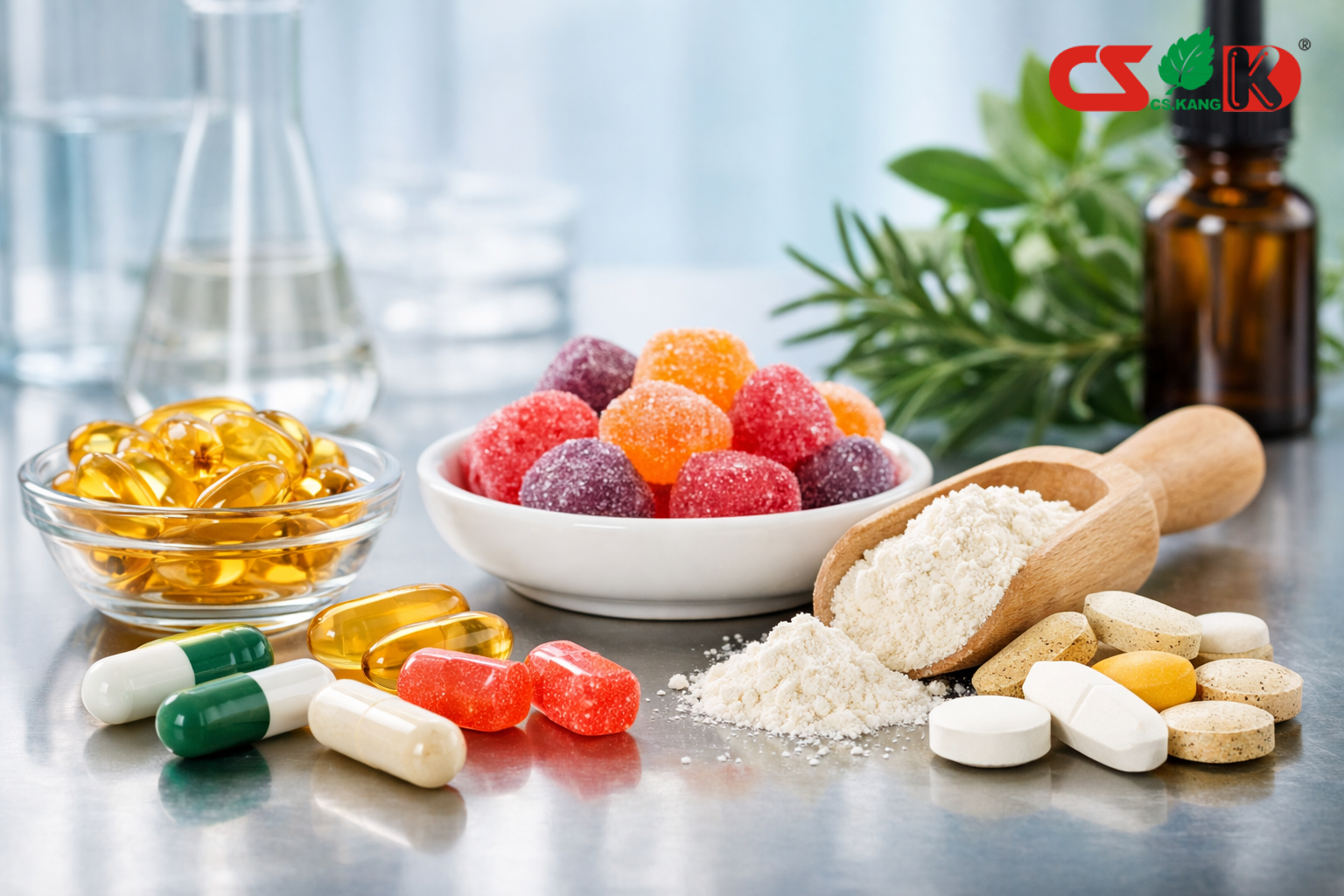
Whether you are looking at products from a gummy supplement contract manufacturer or traditional tablets, the goal is to bridge the gap. For athletes, a sports nutrition supplement manufacturers' protein or hydration formula is vital for recovery that food alone might not provide fast enough. Ultimately, the best nutritional supplement for daily use is one that integrates seamlessly with your nutritional intake, providing the specific support your body needs without overwhelming it with synthetic additives.
Conclusion: Prioritizing Quality Over-Quantity for Long-Term Health
Navigating the dietary supplement market requires a balance of skepticism and scientific curiosity. By staying aware of the Tolerable Upper Intake Level (UL), watching for 2026 FDA updates, and avoiding proprietary blends, you can protect your health while optimizing your performance. Remember, safety isn't just about the absence of immediate harm; it’s about the long-term integrity of the manufacturing process and the quality of the ingredients you consume every day.
Choosing the right partner is the most critical step in ensuring product excellence. CSK Biotech is a premier one-stop CDMO partner established in 2008, offering world-class capsule supplement manufacturing, liquid formulas, and innovative gummies with a massive capacity of billions of units. If you are looking for a reliable immunity health custom supplement manufacturer to bring your vision to life with international safety standards, contact CSK Biotech today to start your journey with a trusted industry leader.
FAQs about Nutritional Supplement
What are examples of nutrition supplements?
Examples of nutritional supplements include multivitamins, minerals such as magnesium and zinc, botanical herbs such as ashwagandha, and macronutrient boosters such as protein powders. These supplements are available in various formats, such as liquids or gummies, to suit different absorption needs and preferences.
Which nutritional supplement is best?
The "best" supplement is entirely dependent on your personal health goals, blood work, and lifestyle. However, from a quality standpoint, the best ones are those produced by a capsule supplements manufacturer that adheres to GMP standards and third-party testing. Always look for the best nutritional supplement for daily use that has a clean label and transparent ingredient sourcing.
What are the top 3 best supplements to take?
While individual needs vary, the supplements with the most scientific support for general health are vitamin D3 (for immunity), omega-3 fish oil (for heart and brain health), and magnesium (for sleep and muscle function). Many people also prefer the convenience of gummy supplements to help them stick to their daily routine.
Who is the king of supplements?
In the scientific world, vitamin D is often referred to as the 'king' because it acts as a hormone and influences over 200 genes. In terms of sports performance, creatine is the undisputed leader thanks to the extensive research supporting it. From a production perspective, a manufacturer of probiotic fruit powder supplements might argue that gut health is the 'king' of overall wellness because it dictates the absorption of all other nutrients.
Latest Popular Articles

The landscape of dietary supplements has shifted dramatically from pills to "experience-based" nutrition. Gummy supplement manufacturers are the architects of this transformation, blending pharmaceutical precision with confectionery science. Creating a successful gummy involves more than just adding vitamins to sweets; it is a complex engineering feat that requires balancing the integrity of the active ingredients with shelf stability and textures that appeal to consumers.

FAQ
文章
What quality control measures do you have?
Our quality control system includes:
-
· Raw material inspection and verification
-
· In-process quality monitoring
-
· Finished product testing
-
· Batch record management and traceability
Quality and compliance are integrated into every stage of our manufacturing process.
Why choose CSK Biotech as your manufacturing partner?
Clients choose CSK Biotech because we offer:
-
· Comprehensive dosage form capabilities
-
· Strong customization and R&D support
-
· GMP-compliant manufacturing
-
· Reliable quality and stable supply
-
· One-stop OEM/ODM solutions
Can CSK Biotech assist with labeling and documentation?
Yes. We provide support for:
-
· Product labeling requirements
-
· Ingredient lists and specifications
-
· Basic regulatory documentation
This helps ensure smoother market entry and compliance with customer requirements.
What ingredients can be used in your products?
We support a wide range of ingredients, such as:
-
· Vitamins and minerals
-
· Herbal extracts
-
· Amino acids
-
· Probiotics and prebiotics
-
· Functional ingredients for immunity, beauty, sleep, energy, and metabolism
All raw materials are carefully selected and quality-tested before use.
How long does production usually take?
Production timelines vary depending on:
-
· Dosage form
-
· Formula complexity
-
· Order quantity
-
· Packaging requirements
Generally, production takes several weeks after formula confirmation and raw material preparation.
Are your manufacturing facilities GMP certified?
Yes. CSK Biotech operates under GMP (Good Manufacturing Practices) standards. Our production facilities follow strict quality · · · management systems to ensure:
-
· Product safety
-
· Batch consistency
-
· Full traceability of raw materials and finished products
Related Products
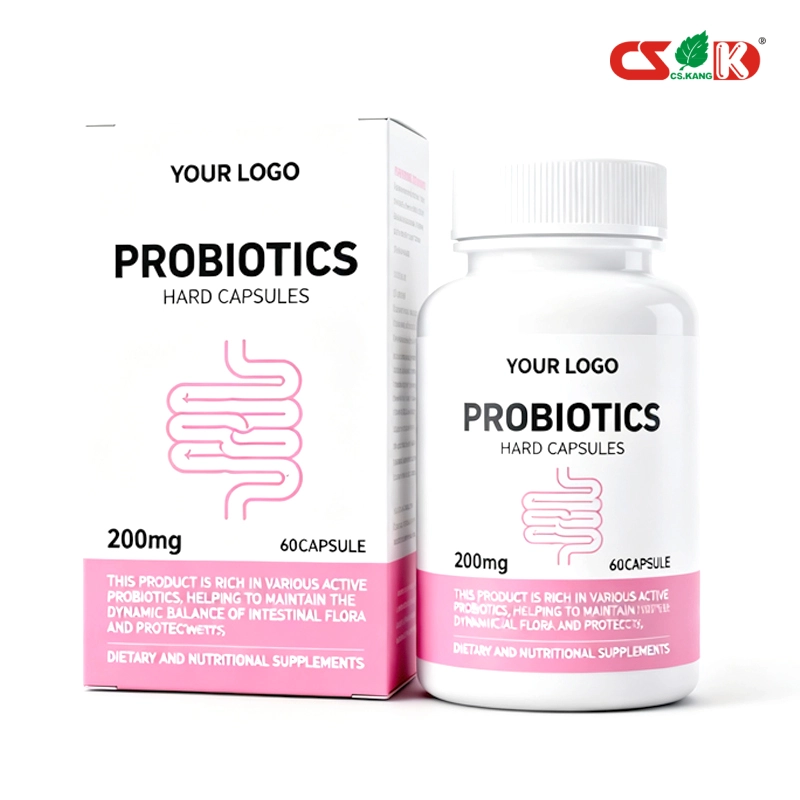
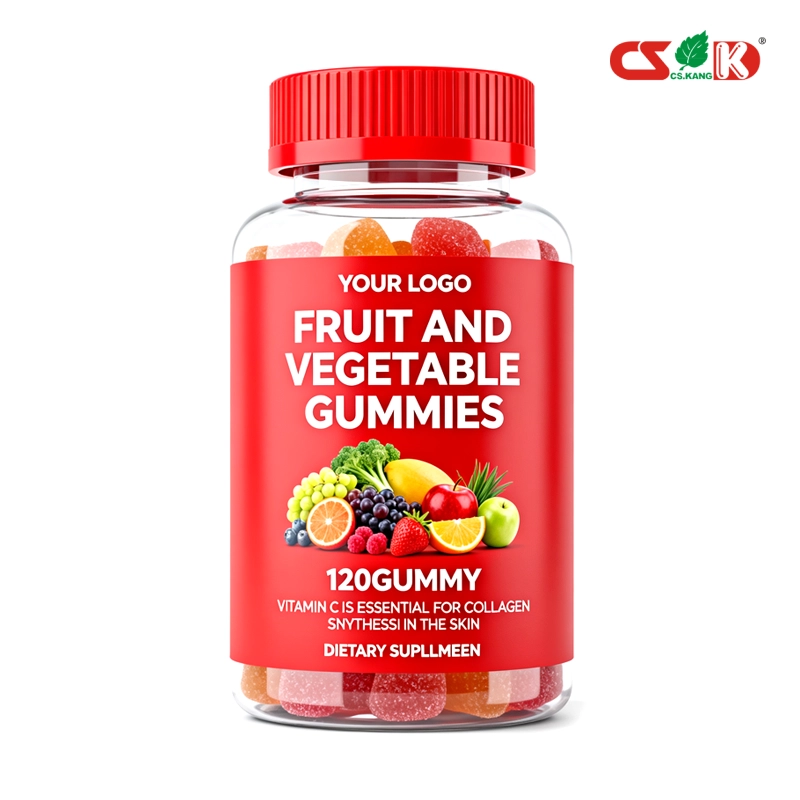
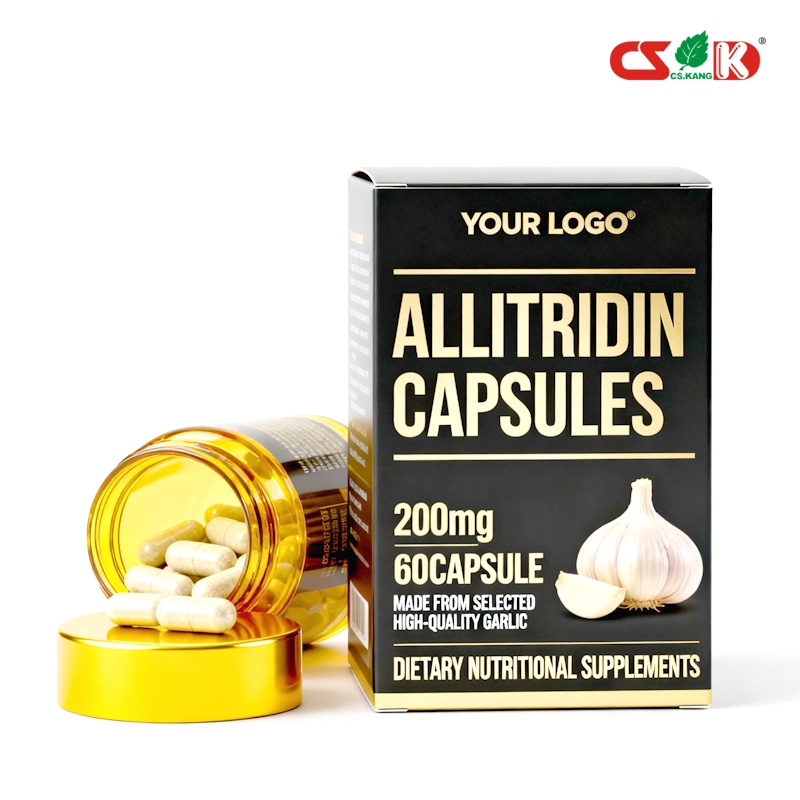
Explore our range of complementary dietary supplement products designed to meet diverse formulation and market needs. Each item is developed and manufactured with the same high-quality standards and expertise that define our dietary supplement contract manufacturing services, helping brands expand their product offerings efficiently and reliably.

Request a Quote for Dietary Supplement Contract Manufacturing
If you need CDMO services for health foods, nutritional supplements, or cosmetics, our team of experts is ready to provide you with customized solutions and quotes.

manufactoryinchina
CSK Biotech Dietary Supplements