
How to Vet Top Nutritional Supplements Manufacturers: The Insider’s 21-Point Quality Checklist (2026 Edition)
In the booming $203 billion supplement market, choosing the right partner is critical. This guide provides a 21-point checklist to vet manufacturers on compliance, R&D, and scalability, featuring insights on 2026 trends like gummies and personalized nutrition.
With the global dietary supplements market projected to hit USD 203.42 billion in 2025 and race toward $430 billion by 2035, the opportunity for brands is massive. However, the risks are equally high. In 2024, the FDA continued to crack down on "spiked" ingredients and Foreign Supplier Verification Program (FSVP) violations, proving that a pretty label means nothing without a compliant supply chain.
Selecting a manufacturing partner is no longer just about who has the lowest price per bottle; it is about survival. You need a partner who operates as a true Contract Development and Manufacturing Organization (CDMO), capable of navigating the complex regulatory landscape of 2026.
Quick Summary: The 3 Pillars of Vetting
A top-tier manufacturer must balance strict regulatory compliance with the agility to scale production for global markets.
To ensure your brand’s longevity and safety, audit potential partners against these three core pillars:
· Compliance & Safety: rigorously verifying GMPC, FDA, HACCP, and ISO certifications to prevent costly recalls.
· Scalability: Ensuring capacity matches your growth trajectory (e.g., billions of softgels annually) so you never stock out during a viral trend.
· Innovation: Moving beyond stock formulas to R&D-led CDM and ODM models that capture 2026 trends like gummies and plant-based delivery systems.
What Defines a Top Nutritional Supplements Manufacturer?
A top manufacturer is more than a production facility; they are a strategic CDMO partner offering end-to-end solutions—from formulation research and pilot testing to regulatory registration and marketing support.
While a standard factory simply follows instructions, a Contract Development and Manufacturing Organization (CDMO) acts as an extension of your business. For example, industry leaders like CSK Biotech do not just run machines; they manage the entire lifecycle. This includes concept development, pilot testing, and ensuring your product survives the supply chain.
To compete in 2026, your partner must possess:
· Advanced Production Lines: Capability to produce diverse formats (softgels, tablets, powders, gummies) on a single campus.
· International Standards: Adherence to strict safety protocols (GMPC, ISO) recognized globally.
· Flexible Cooperation Models: The ability to offer ODM (innovation-led), CDM (design-led), and OEM (formula-led) services rather than rigid catalog options.
Phase 1: The Regulatory & Safety Audit (Points 1-5)
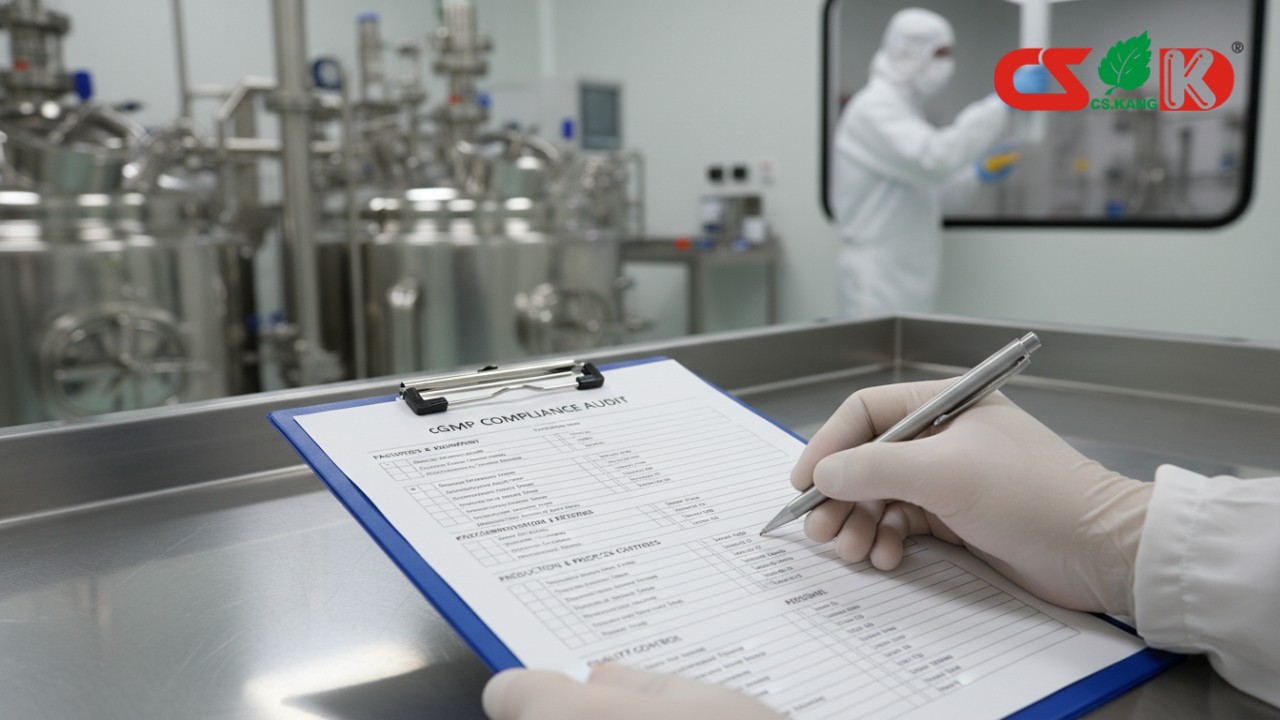
The first phase of vetting is a non-negotiable cGMP compliance audit checklist to ensure the manufacturer meets legal safety standards.
Regulatory breaches are the fastest way to bankrupt a supplement brand. In 2024, many warning letters cited failures in testing raw materials for purity. Use this checklist to protect your liability:
1. Certification Verification: Do not just ask for logos. Verify the current status of GMPC, FDA, HACCP, and ISO certifications. A partner like CSK Biotech holds all four, adhering to the highest international standards.
2. The COA Deep Dive: Analyze their Certificates of Analysis (COA). You want to see traceability for every raw material, not just finished product testing. Ensure they test for heavy metals and microbial contaminants.
3. Regulatory Registration Support: Do they assist with filing in your target export markets? Top CDMOs provide the documentation needed for global expansion.
4. Facility Hygiene: specific protocols for cleanroom classifications. Look for a facility—like CSK’s 2,000 ㎡ factory—that strictly separates allergen zones.
5. Recall History Check: Conduct a review of past FDA warning letters or safety breaches. A clean record indicates a culture of quality.
Phase 2: R&D and Innovation Capabilities (Points 6-10)
Superior nutritional supplement R&D capabilities distinguish a strategic partner from a mere co-packer.
In a market driven by trends—like the explosion of the gummy market, projected to grow at 14.4% CAGR through 2030—you need a partner who can innovate. Innovation requires technical infrastructure, not just a sales team.
1. Concept-to-Shelf CDMO Services: Can they handle the entire lifecycle? CSK Biotech, for instance, offers end-to-end solutions from concept development to pilot testing.
2. Formulation Expertise: Do they offer CDM (Contract Design Manufacturing)? This model allows for tailor-made product design, bridging the gap between stock formulas and full custom invention.
3. Stability Verification: Supplement stability verification testing is critical. It ensures potency lasts through the expiration date. Without this data, your expiration dates are guesses that could lead to lawsuits.
4. Delivery Format Versatility: Capability to produce softgels, tablets, powders, and liquids. A high-tech enterprise should have specialized lines for each.
5. Market-Oriented Innovation: Do they propose ODM models based on current 2026 market trends, such as plant-based softgels or sugar-free gummies?
Phase 3: Production Capacity & Scale (Points 11-15)
Scalability requires a manufacturer with high annual output capacities to prevent supply chain bottlenecks during periods of rapid growth.
If your marketing campaign goes viral, can your manufacturer keep up? Small labs often fail when orders triple overnight. You need industrial-grade volume.
1. Annual Capacity Stress Test: Look for benchmarks like 4.5 billion softgels or 1.5 billion tablets annually. This is the scale CSK Biotech delivers, ensuring they won't bottleneck your growth.
2. Production Line Modernization: Look for the usage of automated high-tech lines. A facility with seven advanced production lines allows for simultaneous runs of different SKUs.
3. Lead Time Guarantees: Ask for specific Service Level Agreements (SLAs) for formula-based production to ensure timely delivery.
4. Packaging Solutions: Value-added services like free packaging design or sourcing can save thousands in upfront costs.
5. MOQ Flexibility: Balancing high-capacity output with startup-friendly pilot runs. The best partners grow with you.
Phase 4: Business & Supply Chain Logic (Points 16-21)
A transparent business model protects your intellectual property and ensures you aren't hit with hidden fees.
Finally, assess the business logic. Ambiguity in contracts often leads to disputes over IP ownership or pricing.
1. Raw Material Sourcing: Transparency in the supply chain is vital. Are they sourcing globally or locally? Do they verify vendors pursuant to FSVP?
2. Cost Structure Transparency: Hidden fees in tooling, setup, or R&D vs. all-inclusive quotes. Demand a breakdown.
3. Communication Loops: Assigned project managers vs. generic support tickets. You need a dedicated point of contact.
4. Intellectual Property Protection: Who owns the formula in an ODM vs OEM supplement manufacturing arrangement? Ensure your custom formulas are legally yours.
5. Disaster Recovery: Contingency plans for supply chain disruptions. What happens if a raw material shortage occurs?
6. Sustainability Practices: 2026 standards demand eco-friendly manufacturing and waste reduction to meet consumer preference for "clean" brands.
Decoding Cooperation Models: ODM vs. CDM vs. OEM
Understanding the difference between ODM, CDM, and OEM is the key to selecting the right engagement model for your brand's maturity.
· OEM (Original Equipment Manufacturing): Precise, formula-based production where you provide the specs. Ideal for established brands with their own R&D teams who just need execution.
· ODM (Original Design Manufacturing): The manufacturer provides market-oriented product innovation. Great for brands wanting quick-to-market trend capture without internal R&D.
· CDM (Contract Design Manufacturing): A hybrid, tailor-made product design approach. CSK Biotech’s CDM model bridges the gap, offering deep customization without the burden of starting from scratch.
Expert Tips: Red Flags to Avoid
Avoid manufacturers who over-promise on speed while under-delivering on technical verification.
· The "Yes Man" Sales Rep: Manufacturers who agree to impossible lead times (e.g., 2 weeks for a custom formula) without mentioning stability verification testing are a risk. Stability takes time.
· Opaque R&D: Facilities that outsource their formulation work to third parties lose control over quality.
· Lack of CDMO Capabilities: Vendors who are strictly "packers" and cannot assist with regulatory registration or concept development will slow your expansion into new markets.
Frequently Asked Questions (FAQ)
What is the difference between a supplement manufacturer and a CDMO?
A standard manufacturer primarily handles production (mixing/filling). A CDMO (Contract Development and Manufacturing Organization) like CSK Biotech manages the entire lifecycle: R&D, formulation research, pilot testing, stability verification, and final production.
Which certifications are mandatory for top supplement manufacturers in 2026?
At a minimum, look for cGMP (Current Good Manufacturing Practice) and FDA registration. Top-tier partners also hold HACCP (Hazard Analysis Critical Control Point) and ISO certifications to ensure international safety standards.
How do I verify a manufacturer's production capacity?
Ask for specific annual output numbers. For example, a high-volume partner should demonstrate capacities in the billions (e.g., 4.5 billion softgels or 1.5 billion tablets annually) to prove they can scale with you.
What is the ODM model in supplement manufacturing?
ODM stands for Original Design Manufacturing. In this model, the manufacturer uses their R&D to create market-oriented innovations that you can brand as your own, significantly reducing your development time.
Why is stability verification important?
It ensures the supplement remains potent and safe until its expiration date. Skipping supplement stability verification testing is a major quality risk; ensure your partner offers this as part of their R&D services.
Can manufacturers help with regulatory registration?
Yes, full-service CDMOs provide regulatory support. They assist with documentation and compliance for target markets, which is critical for global brands exporting to the EU or Asia.
What are the benefits of CDM (Contract Design Manufacturing)?
CDM offers tailor-made product design. It allows for precise customization of formulas and delivery systems (like gummies or softgels) to meet specific consumer demands better than stock formulas.
What should I look for in a manufacturer's facility?
Look for GMP certification, specific square footage (e.g., 2,000+ square meters), and advanced production lines (7+ lines) that separate different allergens and formats to prevent cross-contamination.
References
· Dietary Supplements Market Size to Hit USD 430.39 Billion by 2035
Latest Popular Articles


Discover expert tips from CSK Biotech, one of the top dietary supplements manufacturers, on handling international shipping and compliance for supplements. Ensure smooth global distribution with our comprehensive guide to regulations, packaging, and documentation. Stay compliant and competitive worldwide.
FAQ
文章
Are your manufacturing facilities GMP certified?
Yes. CSK Biotech operates under GMP (Good Manufacturing Practices) standards. Our production facilities follow strict quality · · · management systems to ensure:
-
· Product safety
-
· Batch consistency
-
· Full traceability of raw materials and finished products
How long does production usually take?
Production timelines vary depending on:
-
· Dosage form
-
· Formula complexity
-
· Order quantity
-
· Packaging requirements
Generally, production takes several weeks after formula confirmation and raw material preparation.
Why choose CSK Biotech as your manufacturing partner?
Clients choose CSK Biotech because we offer:
-
· Comprehensive dosage form capabilities
-
· Strong customization and R&D support
-
· GMP-compliant manufacturing
-
· Reliable quality and stable supply
-
· One-stop OEM/ODM solutions
Can CSK Biotech assist with labeling and documentation?
Yes. We provide support for:
-
· Product labeling requirements
-
· Ingredient lists and specifications
-
· Basic regulatory documentation
This helps ensure smoother market entry and compliance with customer requirements.
What types of dosage forms does CSK Biotech manufacture?
We offer a full range of supplement dosage forms, including:
-
· Softgel capsules
-
· Hard capsules
-
· Tablets
-
· Powder supplements
-
· Gummy supplements
-
· Liquid supplements (drops, syrups, oral liquids)
This allows our clients to build a complete and diversified product line with one reliable manufacturing partner.
Can CSK Biotech customize formulations?
Absolutely. We offer full formulation customization, including:
-
· Active ingredients selection
-
· Dosage optimization
-
· Flavor and taste adjustment
-
· Stability and bioavailability improvement
Our technical team ensures that each formula is safe, effective, and suitable for the target market.
Related Products
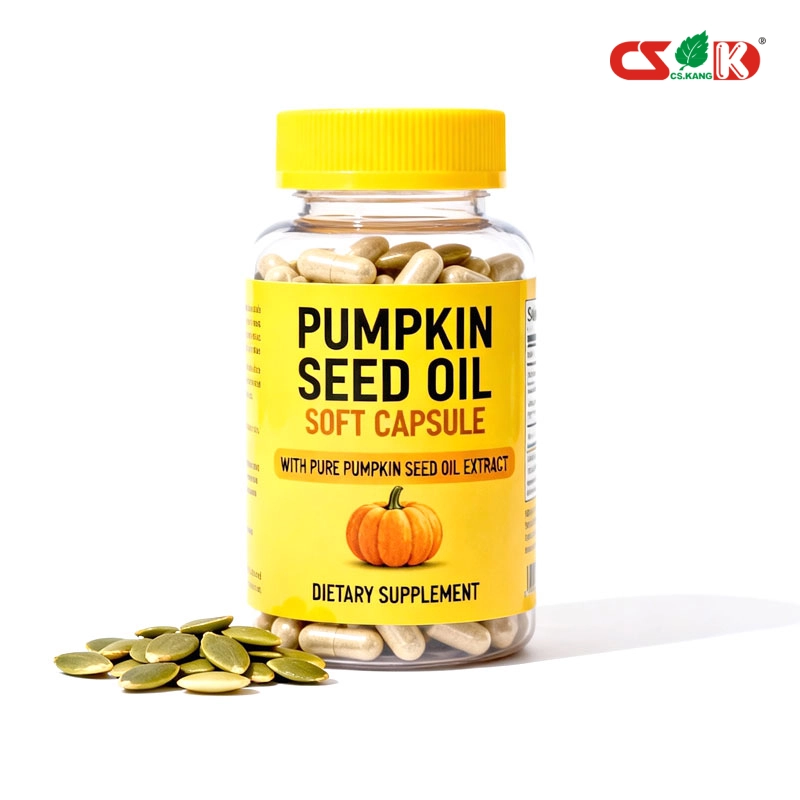
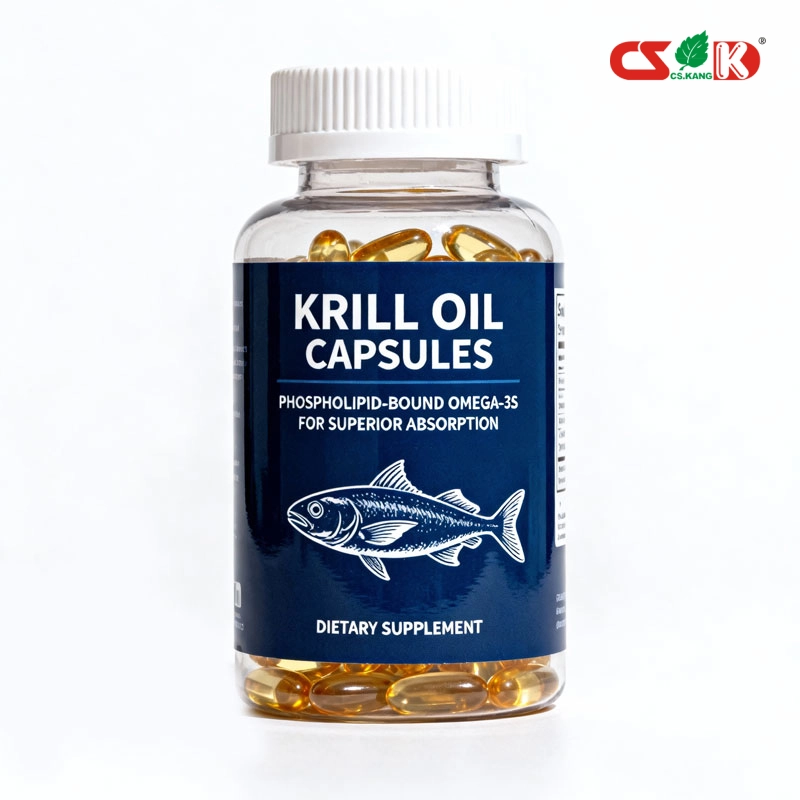
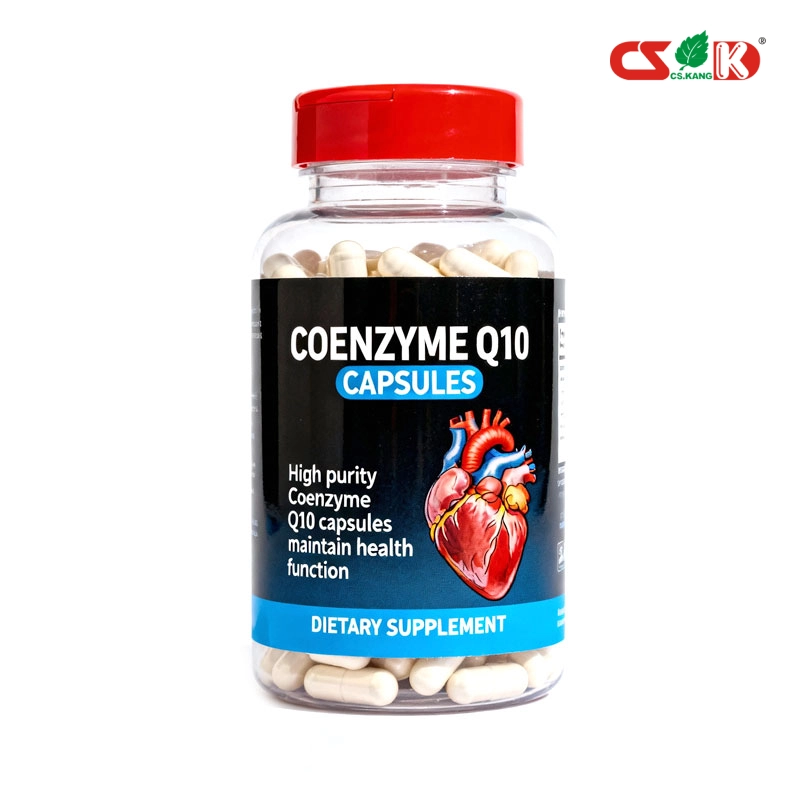
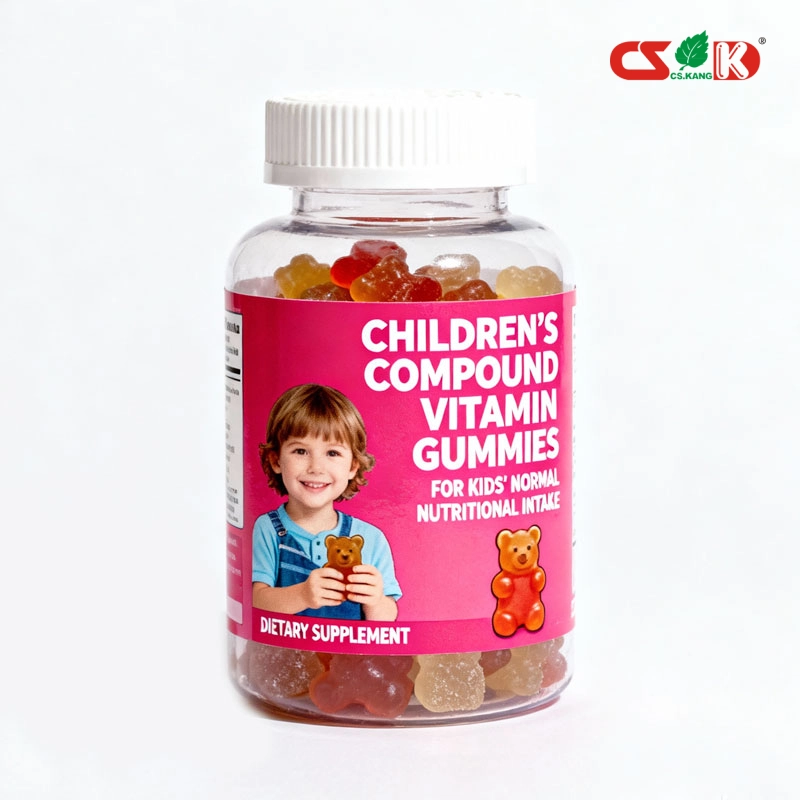
Explore our range of complementary dietary supplement products designed to meet diverse formulation and market needs. Each item is developed and manufactured with the same high-quality standards and expertise that define our dietary supplement contract manufacturing services, helping brands expand their product offerings efficiently and reliably.
Request a Quote for Dietary Supplement Contract Manufacturing
If you need CDMO services for health foods, nutritional supplements, or cosmetics, our team of experts is ready to provide you with customized solutions and quotes.

manufactoryinchina
CSK Biotech Dietary Supplements