Discover expert tips from CSK Biotech on how to partner with a dietary supplement factory to manufacture your product. Learn essential steps to ensure quality, compliance, and seamless production for CSK Biotech’s success. Trust CSK Biotech for reliable supplement manufacturing solutions.
In the journey of bringing a product to market, collaborating with the right manufacturer is a pivotal step. Whether you're an entrepreneur with a groundbreaking idea, a small business looking to expand your product line, or a large corporation seeking cost - effective production solutions, the following steps can guide you in getting a manufacturer to make your product.
Before approaching a manufacturer, you need a well - defined product concept. Outline the product's features, functionality, target market, and unique selling points. For example, if you're developing a new fitness supplement, determine the specific blend of ingredients, the form (tablet, powder, gummy), and how it will benefit consumers compared to existing products in the market. Having a clear vision will not only help you communicate your needs to the manufacturer but also enable them to assess if they can meet your requirements.
A comprehensive business plan is essential. It should include details about your marketing strategy, sales projections, and financial plan. Manufacturers are often interested in partnering with clients who have a solid business model in place. If you're a startup, your business plan might highlight your growth potential, while an established company's plan could focus on market expansion and cost - efficiency goals. The business plan gives the manufacturer confidence in your ability to generate demand for the product and make the partnership profitable.
Start by researching the manufacturing industry relevant to your product. Look for trade shows, industry reports, and online directories. For instance, if you're in the consumer goods sector, attending events like CES (Consumer Electronics Show) or ISPO (for sports products) can expose you to a wide range of manufacturers. Industry reports can provide insights into the leading players, their capabilities, and market trends. Online directories such as Thomasnet (for industrial products) or Alibaba (for a diverse range of products) can be a great starting point to find potential manufacturers.
Based on your product requirements, narrow down the list of potential manufacturers. Consider factors such as their production capacity, the types of products they have experience making, and their technological capabilities. If you need precision - engineered components, look for manufacturers with advanced machining equipment. For a food product, ensure the manufacturer has the necessary food - grade facilities and compliance certifications.
Research the reputation of the shortlisted manufacturers. Read customer reviews, testimonials, and case studies. You can also ask for references from other businesses that have worked with them. A manufacturer with a good reputation is more likely to deliver high - quality products on time and maintain good communication throughout the process.
Once you've identified potential manufacturers, reach out to them. You can do this via email, phone, or through their website's contact form. In your initial communication, briefly introduce your company, your product idea, and express your interest in their manufacturing services. For example, "Dear [Manufacturer's Name], I represent [Your Company Name], and we have an innovative idea for a [Product Name]. We've noticed your expertise in [Related Product Area] and would like to discuss the possibility of partnering with you for production."
After the initial contact, send a detailed Request for Quote. Include specifications such as product dimensions, quantity, quality standards, and expected delivery timeline. For a clothing product, you might specify the fabric type, color, size range, and the number of units you need per month. The more detailed your RFQ, the more accurate the manufacturer's quote will be.
If possible, schedule a site visit to the manufacturer's facilities. This allows you to see their production processes, quality control measures, and working environment firsthand. It also gives you an opportunity to build a personal relationship with the manufacturer's team. During the visit, ask questions about their production capacity, safety protocols, and any recent improvements or expansions they've made.
When the manufacturer responds with a quote, review it carefully and negotiate the terms. This may include the price, payment terms, minimum order quantity (MOQ), and delivery schedule. If the price is higher than your budget, try to negotiate based on factors such as long - term contracts, increased order volumes, or alternative materials. For example, if you can commit to a larger MOQ, the manufacturer may be willing to lower the unit price.
Once you've agreed on the terms, formalize the partnership with a contract. The contract should clearly outline all aspects of the agreement, including product specifications, price, payment terms, delivery schedule, quality control measures, and intellectual property rights. Have a legal professional review the contract to ensure it protects your interests.
Once the contract is signed, provide the manufacturer with clear and detailed instructions. This may include product designs, technical drawings, ingredient lists, or branding guidelines. Ensure that both parties have a shared understanding of the product requirements. Regular communication is key during this stage to address any questions or concerns the manufacturer may have.
Establish a quality control process. You can request samples during the production process to ensure the product meets your standards. Some manufacturers also offer inspection services by third - party quality control agencies. Monitor the production progress to ensure it stays on schedule. If there are any delays or quality issues, address them promptly with the manufacturer to find solutions.
Building a long - term relationship with your manufacturer can be beneficial for both parties. As your business grows, the manufacturer can better understand your needs and potentially offer more favorable terms. Provide feedback on their performance, and be open to their suggestions for improvement. A good relationship can lead to more efficient production, innovation, and mutual success in the long run.
By following these steps, you can increase your chances of finding the right manufacturer and successfully bringing your product to market. Remember, effective communication, clear planning, and a focus on quality are the keys to a successful manufacturing partnership. If you have any further questions or need more in - depth guidance on specific aspects of this process, feel free to leave a comment or contact us directly.




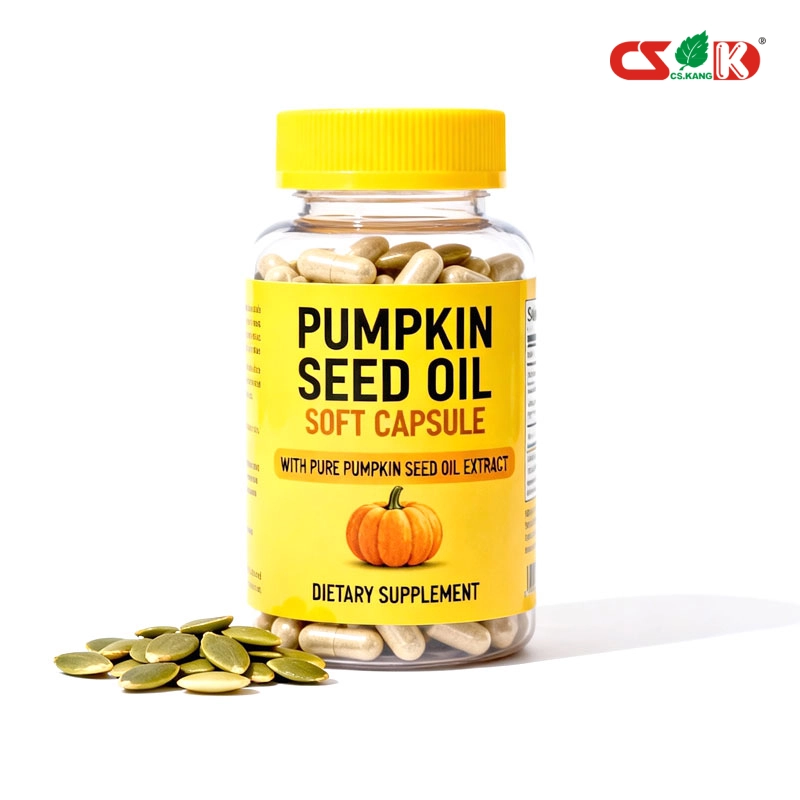
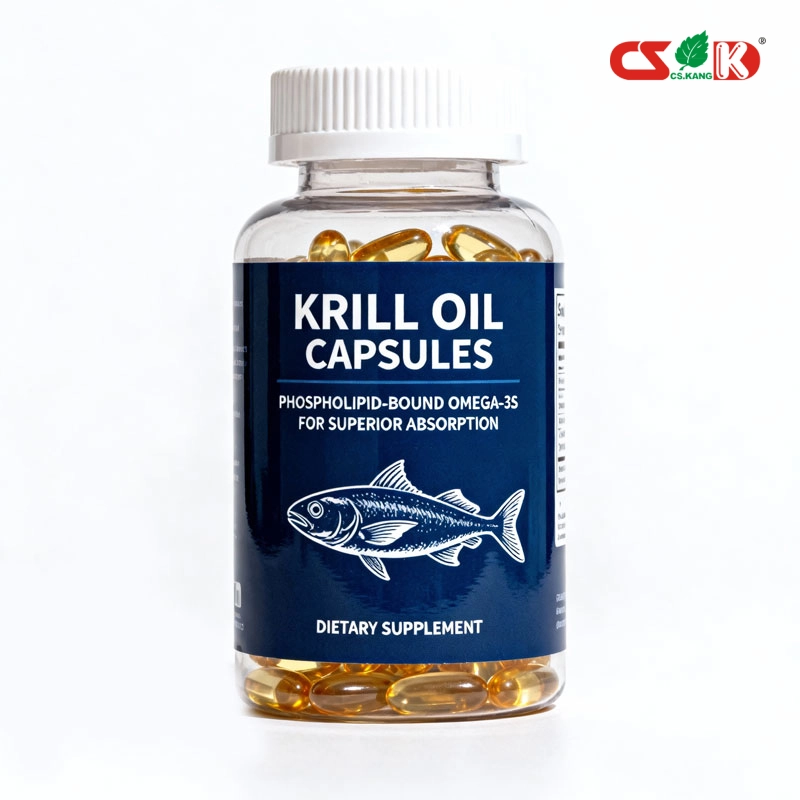
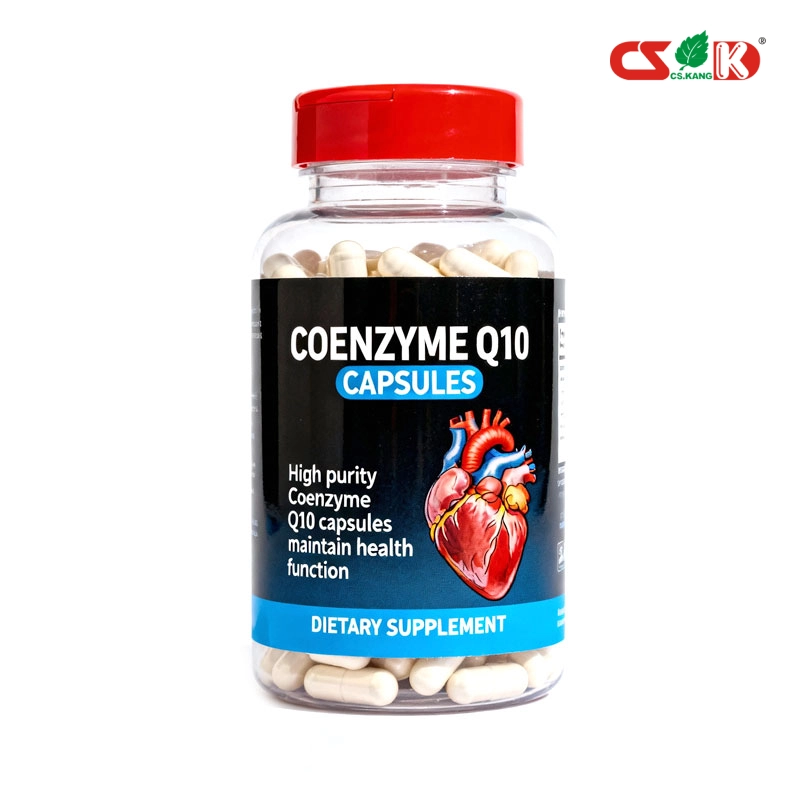
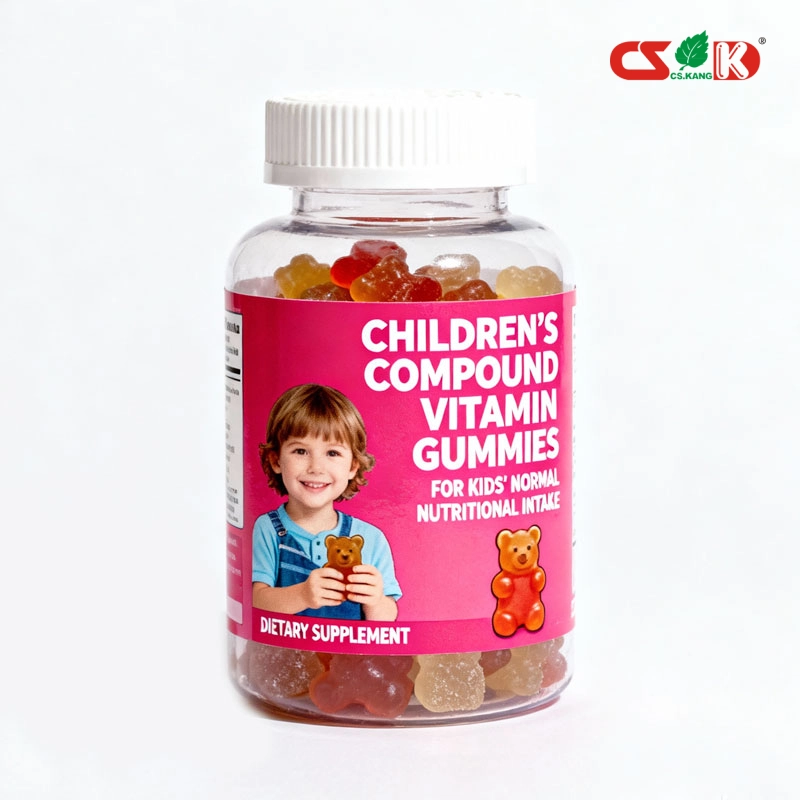

manufactoryinchina
CSK Biotech Dietary Supplements