
Global Supplement Shipping: Navigating Customs Challenges in 2026
What Are the Biggest Global Supplement Shipping Challenges?
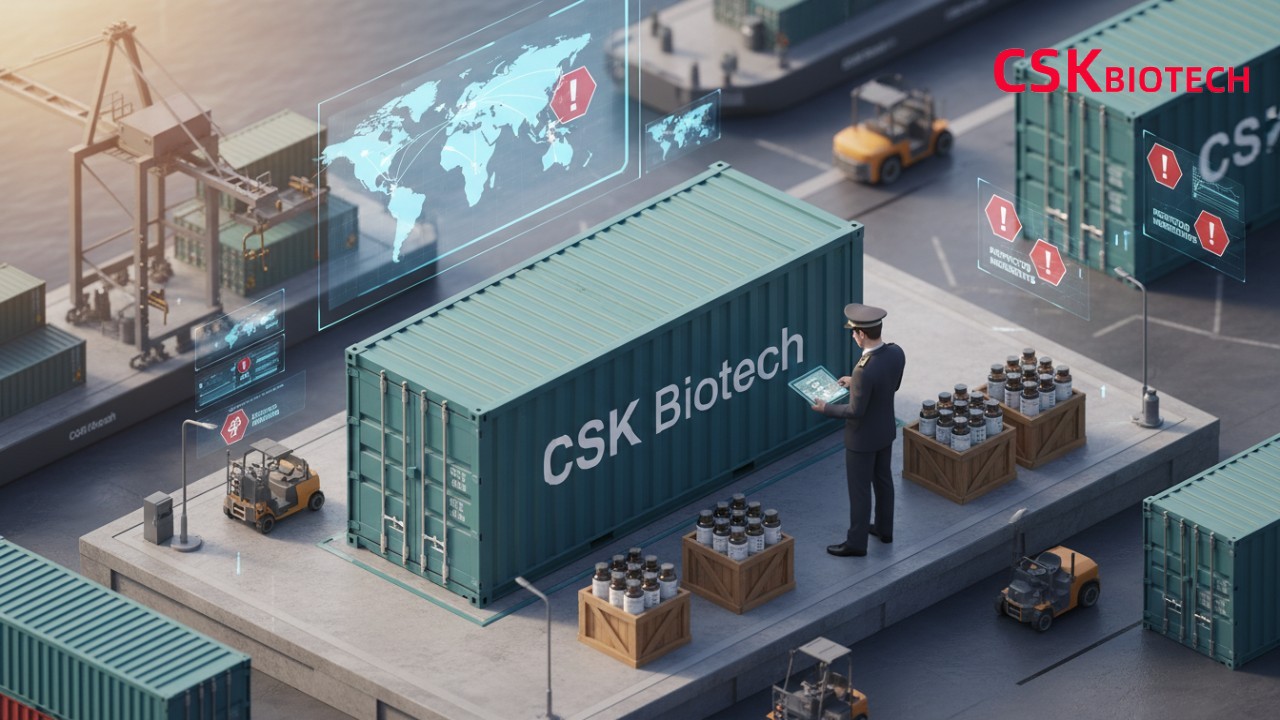
Global Supplement Shipping involves the complex logistics of transporting dietary products across borders while adhering to diverse international trade laws. The primary challenges include stringent customs clearance protocols, restricted or prohibited ingredients, complex tax and duty structures, and strict documentation requirements.
As the health and wellness market continues to expand globally in 2026, brands are increasingly looking to export their dietary supplements to new regions. However, shipping these consumable goods is vastly different from shipping electronics or apparel. Supplements are ingested, meaning they fall under strict health, food, and sometimes pharmaceutical regulatory frameworks depending on the destination country.
Failure to navigate these regulations often results in severe consequences for brands. Shipments can be indefinitely delayed at the port, leading to astronomical demurrage fees. Worse, products can be seized and destroyed by customs authorities, or the importing brand can be hit with expensive non-compliance fines.
To successfully expand your brand internationally, you must overcome several core hurdles:
- Stringent customs clearance protocols: Every country has its own unique border entry procedures, required forms, and digital filing systems.
- Restricted or prohibited ingredients: An ingredient that is perfectly legal in the United States, such as certain high-dose vitamins or specific botanical extracts, might be strictly prohibited in the European Union or Japan.
- Complex tax and duty structures: Accurately calculating tariffs requires precise categorization of your products. Misclassification can lead to aggressive audits.
- Strict documentation requirements: Border agents expect flawless paperwork, including detailed Certificates of Analysis (COA) that match the physical labels on your products.
Key Takeaways: Quick Summary for 2026
The key takeaways for 2026 revolve around strict adherence to localized formulation rules, flawless documentation, proactive compliance, and choosing specialized carriers. Partnering with a globally certified manufacturer prevents the vast majority of international customs hold-ups and ensures seamless cross-border distribution.
As we move deeper into 2026, customs authorities worldwide are utilizing more advanced digital scanning and automated AI-driven documentation checks. This leaves zero room for manual errors on shipping manifests. Brands must adapt to a more rigorous, tech-forward border control environment to maintain supply chain efficiency.
Here are the essential strategies to keep your operations moving:
- Formulation matters: Do not assume a universal formula works everywhere. Ingredients legal in the US may be banned in the EU under Novel Food laws, or categorized as restricted therapeutics in Australia.
- Documentation is everything: Always include accurate, globally recognized HS Codes, up-to-date COAs, and transparent commercial invoices. Missing a single signature can halt a shipment for weeks.
- Proactive compliance: The most successful brands solve shipping issues before the product ever leaves the factory. Partnering with a globally certified CDMO prevents 90% of border rejections.
- Carrier selection: Standard mail carriers are often insufficient for health products. Use specialized health product forwarders capable of providing temperature-controlled (LTL/FTL) transit to prevent product degradation.
Understanding Regional Customs and Regulations
Navigating regional customs requires understanding that different international bodies classify supplements uniquely. For instance, the US relies on FDA guidelines, Europe enforces EFSA rules, Australia utilizes the TGA framework, and Canada mandates Health Canada compliance for all imported dietary products.
A one-size-fits-all approach to International FDA compliance and global shipping will inevitably fail. You must tailor your compliance strategy to the specific region you are entering to avoid sudden supply chain roadblocks.
Below is a detailed breakdown of the major regulatory bodies:
- United States (FDA): The US categorizes these products under dietary supplement regulations. Critically, the FDA requires Prior Notice for all imported food and dietary supplements to ensure facility registration and safety before the shipment arrives, as reported by the US Food and Drug Administration (FDA).
- European Union (EFSA): EU EFSA supplement shipping is notoriously strict. The EU imposes Novel Food regulations, requiring extensive proof of safety for specific botanical extracts, novel ingredients, and high-dose vitamins, as reported by the European Union (EFSA).
- Australia (TGA): Australia operates a two-tiered system where many standard supplements are heavily regulated as therapeutic goods rather than standard foods, as reported by the Therapeutic Goods Administration (TGA). This often requires an AUST L or AUST R listing on the Australian Register of Therapeutic Goods.
- Canada (Health Canada): Before commercial distribution, Canada mandates that products obtain a Natural Product Number (NPN) and feature specific bilingual labeling in both English and French to meet regional standards.
Regional Supplement Shipping Regulations Overview (2026)
| Region | Regulatory Body | Primary Framework / Requirement | Product Classification |
|---|---|---|---|
| USA | FDA | Prior Notice, Facility Registration | Dietary Supplement / Food |
| EU | EFSA | Novel Food Regulations, Strict safety proof | Food Supplement |
| Australia | TGA | ARTG Listing (AUST L / AUST R) | Therapeutic Good (Medicine) |
| Canada | Health Canada | Natural Product Number (NPN) | Natural Health Product |
Essential Documentation for International Customs Clearance
Essential documentation for Supplement customs clearance acts as the legal passport for your products. This typically includes a Certificate of Analysis (COA), accurate HS Codes, detailed commercial invoices, packing lists, and necessary Safety Data Sheets (SDS) for restricted formulations.
When your shipment arrives at a foreign port, customs agents do not immediately test your products; they test your paperwork. If your documentation is incomplete, contradictory, or formatted incorrectly, the shipment will be immediately flagged and delayed.
Ensure you have the following documents prepared flawlessly:
- Certificate of Analysis (COA): This is the most critical document for health products. It proves ingredient purity, tests for heavy metals and microbial contamination, and confirms that the product label matches the actual physical contents.
- Accurate HS Codes: The Harmonized System (HS) code ensures proper classification for dietary supplements. This directly affects your duty rates and tax liabilities. Supplements often fall under 2106.90, but this can vary based on specific ingredients.
- Commercial Invoices and Packing Lists: These must be highly detailed records showing the origin of the goods, their exact commercial value, and precise formats (e.g., softgels, tablets, gummies).
- Safety Data Sheets (SDS): While not always required for dry powders, an SDS is frequently mandated for liquid supplements, highly concentrated essential oils, or products containing potentially flammable solvents.
Common Mistakes When Shipping Supplements Overseas (Expert Tips)
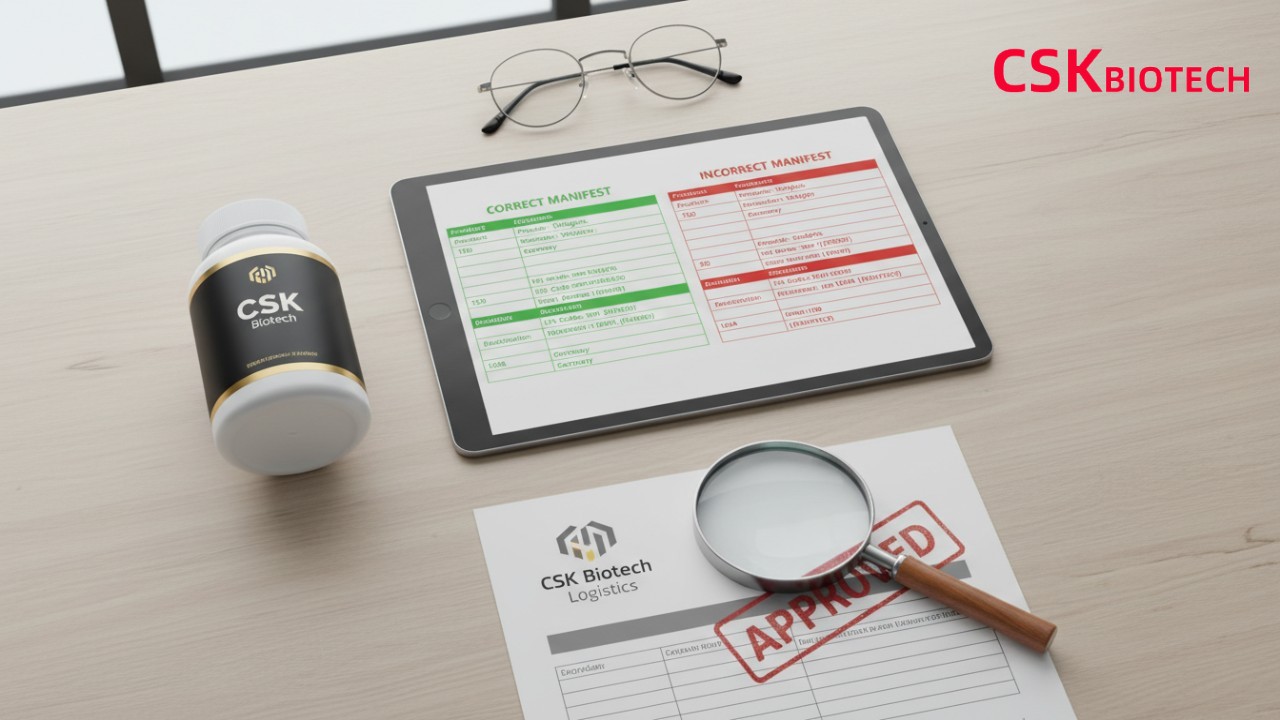
The most common mistakes in overseas supplement shipping involve mislabeling ingredients, ignoring temperature control requirements, under-declaring commercial value to save on taxes, and attempting to ship unregulated formulas into strict new markets without proper local compliance checks.
Many brands attempt to handle their own Nutraceutical freight forwarding without realizing the specialized knowledge required. This leads to costly errors that can permanently damage a brand's reputation with international border agencies.
To master your global distribution, reading The Ultimate Guide to Supplement Supply Chain & Logistics Management is highly recommended. In the meantime, avoid these critical pitfalls:
- Mislabelling ingredients: Failing to use the locally recognized botanical or chemical name on your label can trigger automatic customs rejection.
- Ignoring temperature control: Shipping heat-sensitive products—such as those involved in gummy supplement manufacture—without climate-controlled logistics will result in melted, unsellable blobs arriving at your destination.
- Under-declaring value: Attempting to save on customs duties by lowering the invoice value is a form of tax fraud. It leads to immediate audits, financial penalties, and often a permanent ban on importing into that country.
- Shipping unregulated formulas: Expanding into new markets without tweaking the formula to meet local dosage caps (e.g., maximum daily limits for Vitamin B6 in the EU) is a guaranteed recipe for border seizures.
How CSK Biotech Streamlines Global Compliance From the Factory Floor
Pre-empting customs challenges starts at manufacturing. Guangzhou Changshengkang Biotechnology Co., Ltd. (CSK Biotech) ensures global compliance from day one by aligning every formulation, production step, and documentation packet with the target market's specific import regulations and rigorous quality standards.
Founded in 2008, CSK Biotech operates as a premier Contract Development and Manufacturing Organization (CDMO) designed to support global brands. By integrating compliance directly into the manufacturing process, we eliminate the friction typically associated with international shipping.
Our state-of-the-art, GMP-certified 2,000㎡ factory houses seven advanced production lines, boasting an annual capacity exceeding 4.5 billion softgels and 1.5 billion tablets. We offer comprehensive solutions across multiple formats, including tablet supplements manufacture, supplement manufacturing softgels, capsule supplement manufacturing, liquid supplement contract manufacturing, and powder supplement manufacturing.
- Globally Certified Standards: Certified by GMPC, FDA, HACCP, and ISO, our facilities meet the highest international benchmarks for quality and safety, satisfying global customs authorities.
- Custom Formulation (ODM/OEM/CDM): Our robust R&D team can tailor your products to meet specific market regulations, seamlessly adjusting formulas to comply with strict EU EFSA limits or US FDA guidelines.
- Flawless Documentation Support: We provide end-to-end documentation support, supplying you with accurate COAs, comprehensive batch traceability records, and stability verification data, ensuring your shipments clear customs without delay.
Future Trends: What to Expect in 2026 and Beyond
By 2026, Bulk supplement logistics will experience a massive shift toward increased digitization, stricter sustainability mandates, enhanced scrutiny on novel ingredients, and the widespread adoption of automated Delivered Duty Paid (DDP) models to streamline final-mile delivery and international customs.
Staying ahead of the regulatory curve is essential for brands that want to maintain a competitive edge. The landscape of international trade is evolving rapidly, driven by technological advancements and shifting consumer expectations.
Watch out for these defining trends in 2026:
- Increased digitization: Customs authorities are moving away from paper. Expect to see a heavy reliance on blockchain technology and automated digital ledgers to instantly verify batch traceability and origin at the port.
- Stricter sustainability mandates: The European Union is heavily enforcing new packaging restrictions, requiring easily recyclable supplement containers and minimizing single-use plastics in B2B transit.
- Enhanced scrutiny on novel ingredients: Global regulators are tightening controls on trending ingredients, particularly advanced adaptogens, nootropics, and cell-cultured nutrients, requiring far more robust safety data prior to import.
- Automated DDP (Delivered Duty Paid): To improve the final delivery experience and avoid unexpected fees for the end receiver, more B2B and B2C brands will shift entirely to DDP models, where all taxes and duties are calculated and paid upfront during the shipping process.
Conclusion
Successfully managing global supplement shipping requires a deep understanding of regional regulations, meticulous documentation, and strategic logistics planning. By avoiding common pitfalls and staying ahead of 2026 compliance trends, brands can scale globally without fear of unexpected customs seizures. Partner with a globally certified manufacturer to ensure your formulations are market-ready.
Contact us today to optimize your Global Supplement Shipping strategy.
FAQs About Global Supplement Shipping
Do I need an FDA Prior Notice to ship supplements to the USA?
Yes, the FDA requires Prior Notice for all imported food items, including dietary supplements, to track origin and safety before the shipment arrives at the port of entry.
Can I ship melatonin or CBD supplements internationally?
It depends heavily on the destination. While legal in the US, melatonin requires a prescription in the UK and Australia, and CBD faces strict, varying regulations across the EU and Asia.
What is the correct HS code for dietary supplements?
Dietary supplements are typically classified under the HS code heading 2106.90 (Food preparations not elsewhere specified or included), but this can vary based on specific ingredients or formats.
Why do international customs seize supplement shipments?
Common reasons include the presence of prohibited ingredients, lack of required certifications (like a COA), incorrect labeling, or improper payment of tariffs and taxes.
What is the difference between supplements and medicine for shipping purposes?
Supplements are generally treated as food products, whereas medicines are therapeutic goods. Mislabeling a product making health claims can cause customs to regulate it as a restricted medicine.
How do I ensure my supplement gummies don't melt during international transit?
You must utilize temperature-controlled logistics (refrigerated LTL/FTL containers) and partner with specialized freight forwarders experienced in nutraceuticals to maintain product integrity.
Does CSK Biotech provide documentation for international shipping?
Yes, as an FDA, HACCP, and ISO certified CDMO, CSK Biotech provides all necessary manufacturing documentation, including Certificates of Analysis (COAs) and batch traceability records.
What are DDP and DDU in global supplement shipping?
DDP (Delivered Duty Paid) means the shipper pays all customs taxes, streamlining delivery. DDU (Delivered Duty Unpaid) means the receiver must pay the taxes before customs releases the product.
Latest Popular Articles


FAQ
文章
Can you help with gummy supplement customization?
Yes. Custom gummy supplements are one of our core strengths. We offer:
-
· Gelatin or pectin-based gummies
-
· Sugar-free or low-sugar options
-
· Customized flavors, colors, shapes, and textures
Our gummies are developed with a focus on taste, stability, and consumer appeal.
What types of dosage forms does CSK Biotech manufacture?
We offer a full range of supplement dosage forms, including:
-
· Softgel capsules
-
· Hard capsules
-
· Tablets
-
· Powder supplements
-
· Gummy supplements
-
· Liquid supplements (drops, syrups, oral liquids)
This allows our clients to build a complete and diversified product line with one reliable manufacturing partner.
How does the cooperation process work?
Our standard cooperation process includes:
-
1.Product consultation and requirement confirmation
-
2.Formula development or review
-
3.Sample production (if required)
-
4.Order confirmation and mass production
-
5.Quality inspection and packaging
-
6.Delivery
This structured process ensures efficiency and transparency.
Can CSK Biotech customize formulations?
Absolutely. We offer full formulation customization, including:
-
· Active ingredients selection
-
· Dosage optimization
-
· Flavor and taste adjustment
-
· Stability and bioavailability improvement
Our technical team ensures that each formula is safe, effective, and suitable for the target market.
What is your minimum order quantity (MOQ)?
MOQ depends on the dosage form, formula complexity, and packaging requirements. CSK Biotech offers flexible MOQs to support:
-
· Start-up brands
-
· New product launches
-
· Large-scale production orders
Please contact us for specific MOQ details.
How long does production usually take?
Production timelines vary depending on:
-
· Dosage form
-
· Formula complexity
-
· Order quantity
-
· Packaging requirements
Generally, production takes several weeks after formula confirmation and raw material preparation.
Related Products
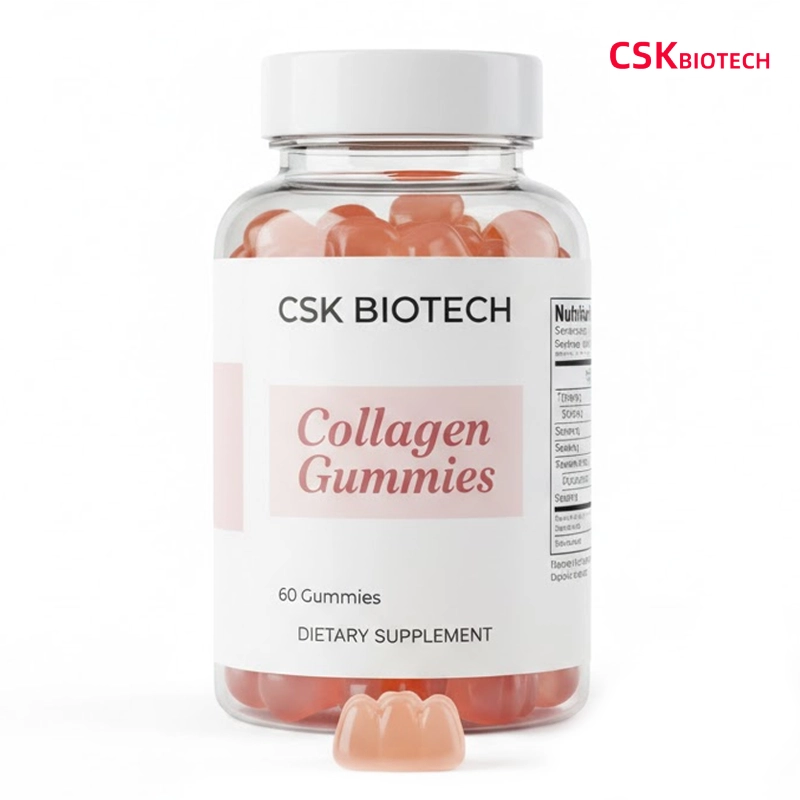
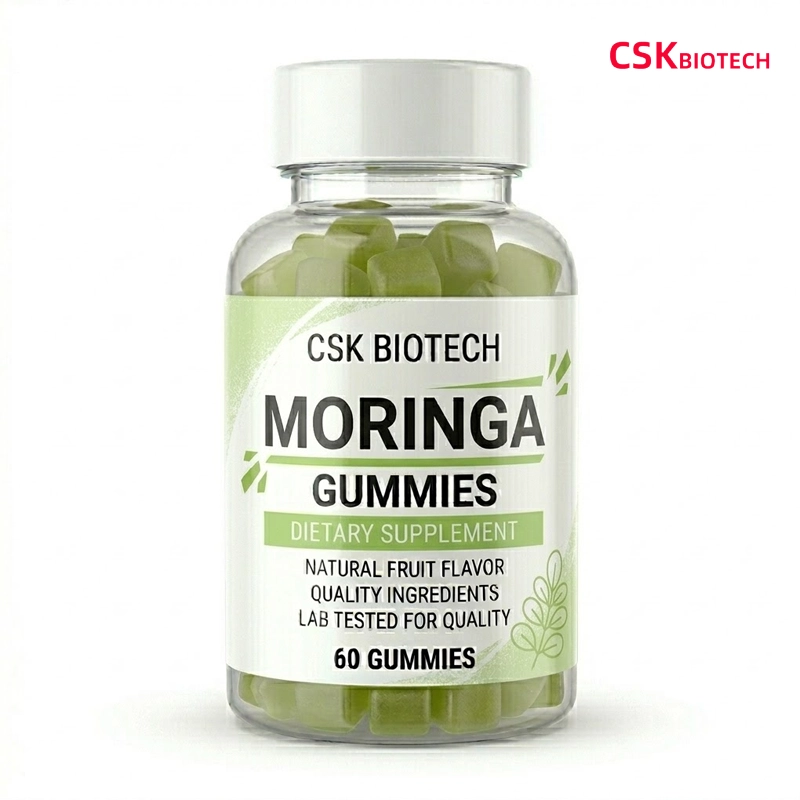
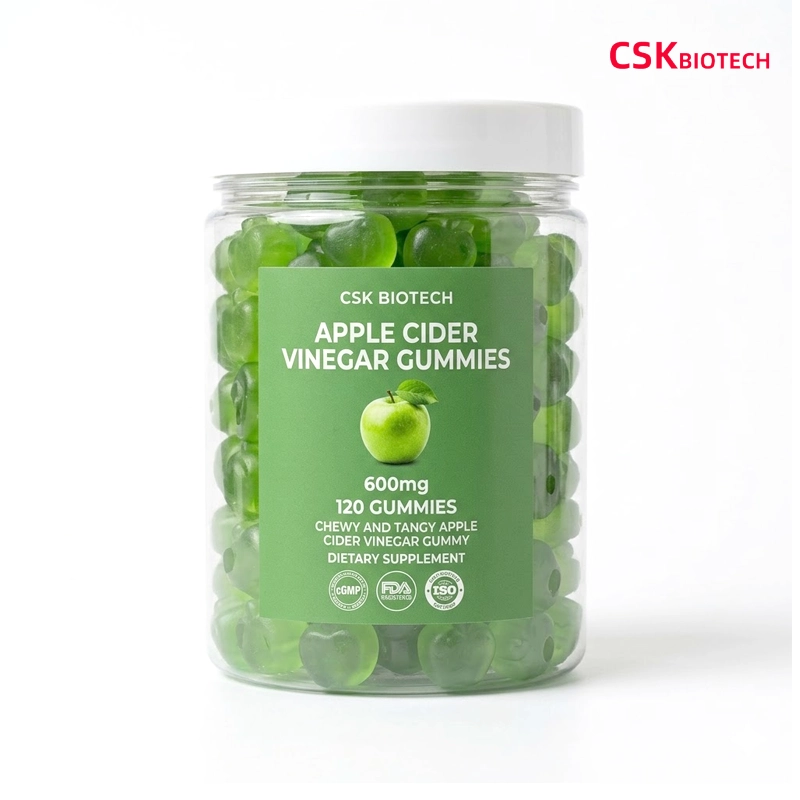
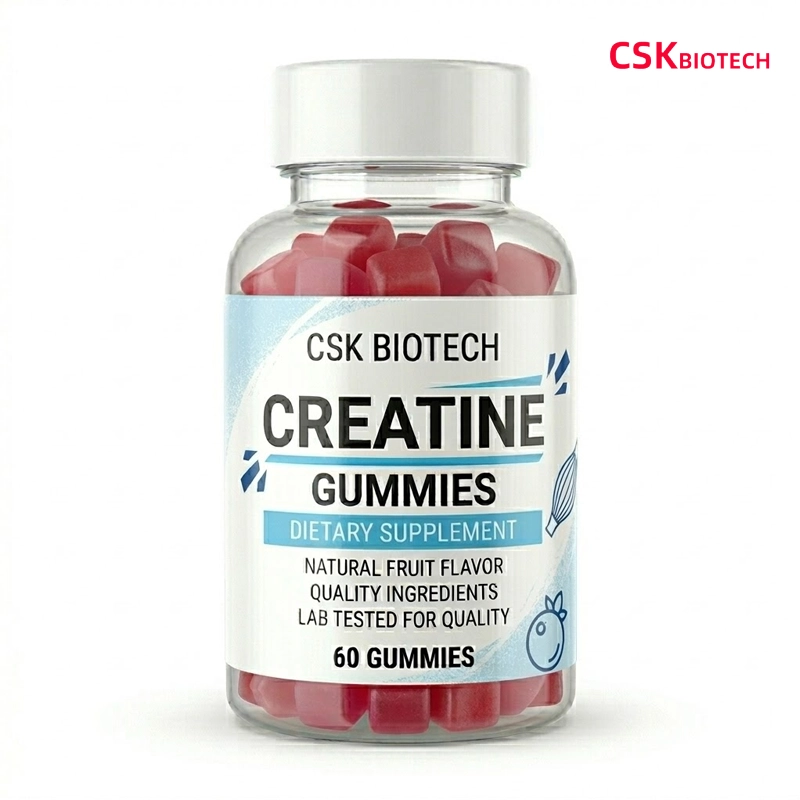
Explore our range of complementary dietary supplement products designed to meet diverse formulation and market needs. Each item is developed and manufactured with the same high-quality standards and expertise that define our dietary supplement contract manufacturing services, helping brands expand their product offerings efficiently and reliably.
Request a Quote for Dietary Supplement Contract Manufacturing
If you need CDMO services for health foods, nutritional supplements, or cosmetics, our team of experts is ready to provide you with customized solutions and quotes.


manufactoryinchina
CSK Biotech Dietary Supplements