
The Ultimate Guide to Food Supplement Manufacturing: How to Find a Reliable Partner and Navigate Certifications
This comprehensive guide details the food supplement manufacturing process, covering essential topics such as finding reliable cGMP-compliant partners, understanding costs and MOQs, and navigating FDA regulations. It explains the differences between private label and contract manufacturing while providing actionable insights on quality testing and lead times for new supplement brands.
Introduction
The global dietary supplement market is projected to reach unprecedented heights in the coming decade, driven by a growing consumer focus on preventative health and wellness. For entrepreneurs and businesses entering this space, the supply chain is the backbone of success. Selecting the right manufacturing partner is not merely a logistical choice; it is a critical business decision that impacts product quality, brand reputation, and legal compliance.
Navigating the landscape of food supplement manufacturing requires a deep understanding of regulatory standards, production costs, and quality assurance protocols. Whether you are a startup looking to launch a private label vitamin line or an established brand seeking a custom formulation, understanding the nuances of the industry is essential. This guide answers the most pressing questions about manufacturing, from verifying certifications to understanding the cost structures that define your bottom line.
How to find a reliable food supplement manufacturer?
Finding a reliable manufacturing partner involves more than a simple Google search; it requires a rigorous vetting process to ensure they can meet your specific needs for quality, scalability, and communication. Start by verifying that the facility is FDA-registered. In the United States, manufacturers must register with the FDA under the Bioterrorism Act, which is a baseline requirement for legality. However, registration alone does not guarantee quality. You must dig deeper into their compliance history and operational standards.
Transparency is the primary indicator of reliability. A trustworthy manufacturer should be willing to arrange a facility tour or, at the very least, provide virtual walkthroughs of their production lines and laboratories. During your evaluation, ask for their "Master Manufacturing Records" (MMR) templates and batch production record examples. These documents are critical for traceability. Additionally, look for manufacturers who have established supply chains for raw materials, as this can significantly reduce delays during global shortages.
Finally, assess their communication style and customer service structure. Manufacturing is a long-term partnership, and issues will inevitably arise, whether it is a delayed ingredient shipment or a label adjustment. You need a partner who assigns a dedicated account manager rather than a generic support email. Check reputable industry trade shows (like SupplySide West) and trade association member lists to find manufacturers who are active and respected in the industry.
What certifications are required for food supplement manufacturing?
In the United States, the absolute non-negotiable requirement is compliance with Current Good Manufacturing Practices (cGMP). These regulations are enforced by the FDA under 21 CFR Part 111, which sets the minimum standards for the manufacturing, packaging, labeling, and holding of dietary supplements. Unlike the pharmaceutical industry, the FDA does not "approve" supplement facilities in advance; instead, they inspect facilities to ensure these strict federal regulations are being followed.
Beyond federal mandates, third-party certifications are highly recommended to establish trust and "E-E-A-T" (Experience, Expertise, Authoritativeness, and Trustworthiness) for your brand. The most respected third-party certifications include NSF International, USP (United States Pharmacopeia), and UL (Underwriters Laboratories). These organizations audit facilities to stricter standards than the FDA and test products to verify that what is on the label is actually in the bottle.
Depending on your target market, you may also require niche certifications. For example, USDA Organic certification is necessary if you plan to claim your product is organic, and this requires a separate audit by an accredited certifying agent. Similarly, Non-GMO Project Verified, Kosher, and Halal certifications are market-driven requirements that can significantly expand your customer base but require the manufacturer to hold specific credentials and segregated production lines.
What is the difference between private label and contract manufacturing?
The choice between private label and contract manufacturing is often dictated by your budget, timeline, and desire for customization. Private label manufacturing involves taking a pre-existing formula that the manufacturer has already developed, tested, and keeps in stock. You essentially "rent" their formula and apply your own branding to it. This path allows for very fast market entry—sometimes in as little as a few weeks—and requires much lower capital investment since you do not pay for research and development (R&D).
Contract manufacturing, on the other hand, is the creation of a custom product from scratch. You own the formula, which means you can choose unique ingredients, specific dosages, and delivery forms (such as a specific type of gummy or liquid capsule) that no other competitor has. This approach builds a defensible "moat" around your business because your product is unique.
However, contract manufacturing comes with higher barriers to entry. You will typically be responsible for R&D fees, pilot batch testing, and sourcing specific raw materials. The timeline is significantly longer because the manufacturer must source ingredients they may not have in stock and validate the manufacturing process for your specific blend. Choose private label to test a market quickly; choose contract manufacturing to build a long-term, differentiated brand.
How much does it cost to manufacture a custom food supplement?
The cost of custom manufacturing is highly variable and depends on the complexity of the formula, the quality of ingredients, and the packaging. Generally, you should anticipate R&D and setup fees ranging from $1,000 to $5,000 before a single bottle is produced. This fee covers the work of food scientists to ensure your formula is stable, safe, and manufacturable.
For the product itself, unit costs are volume-dependent. For a standard run of 1,500 to 2,000 bottles, a complex capsule formula might cost between $5.00 and $9.00 per unit (fully packaged). This price drops significantly as you scale to 10,000 or 50,000 units. Premium delivery forms like gummies, softgels, or liquid shots generally command a higher price point than standard capsules or tablets due to the specialized equipment and longer production times required.
Packaging also plays a massive role in the final cost. A standard white HDPE packer bottle is cheap and readily available. However, if you require custom-colored PET bottles, glass jars, or soft-touch boxes, your costs will increase, and you may face higher minimum order quantities from the packaging suppliers. Always ask for a "per-unit" breakdown that separates the bulk product cost from the packaging cost to see where you can optimize.
What are the typical minimum order quantities (MOQ) for supplements?
Minimum Order Quantities (MOQs) are the primary hurdle for new brands. For private label products (stock formulas), MOQs are usually very accessible, often ranging from 50 to 500 bottles. This low threshold exists because the manufacturer is simply pulling stock from a large batch they have already produced and applying your label to it.
For custom contract manufacturing, MOQs are driven by the equipment's capacity. A standard industrial blender might hold enough powder for 100,000 capsules. Therefore, manufacturers often set MOQs based on a "minimum run" to make the machine setup and cleaning time profitable. This typically translates to an MOQ of 1,500 to 2,500 bottles per SKU (Stock Keeping Unit), or roughly 150,000 to 300,000 individual capsules/tablets.
Some manufacturers offer "pilot programs" with lower MOQs for custom formulas, but they will charge a premium surcharge to cover the operational inefficiency. It is crucial to negotiate this upfront. If you cannot meet the custom MOQ, consider launching with a private label version to build cash flow before investing in a custom run.
What are Good Manufacturing Practices (cGMP) for supplements?
Current Good Manufacturing Practices (cGMP) are the quality assurance systems required by the FDA to ensure that dietary supplements are consistently produced and controlled according to quality standards. Unlike food, where the focus is mainly on hygiene, supplement cGMPs (21 CFR Part 111) focus on ensuring the identity, purity, strength, and composition of the final product. This prevents common industry issues like contamination (heavy metals or bacteria) or "fairy dusting" (putting less active ingredient than claimed).
Under cGMP, a manufacturer must validate every step of the process. This includes verifying that the raw material received is exactly what was ordered, ensuring the blending equipment mixes ingredients uniformly, and testing the finished product to prove it meets specifications. Every batch must have a Master Manufacturing Record (MMR)—a literal recipe and instruction manual—and a Batch Production Record (BPR), which logs every action taken during production, including who weighed the ingredients and when the machine was cleaned.
Failure to comply with cGMPs renders the product "adulterated" under US law. FDA inspections often result in "Warning Letters" for companies that fail to keep proper records or test their ingredients. For a brand owner, working with a cGMP-compliant facility is the only way to mitigate the risk of a recall or legal action.
How are raw ingredients tested for quality and safety?
Testing is the cornerstone of safety and efficacy. High-quality manufacturers utilize rigorous laboratory testing at multiple stages: upon receipt of raw materials (identity testing) and after production (finished product testing). The most common method for verifying the identity of an ingredient is FTIR (Fourier Transform Infrared Spectroscopy), which creates a chemical "fingerprint" of the powder to ensure it matches a reference standard.
To measure potency—ensuring that 500mg of Vitamin C is actually 500mg—labs use HPLC (High-Performance Liquid Chromatography). This separates the compounds in a mixture to quantify the exact amount of active ingredients. For safety, materials undergo ICP-MS (Inductively Coupled Plasma Mass Spectrometry) to detect heavy metals like lead, arsenic, cadmium, and mercury at part-per-billion levels.
Microbiological testing is also mandatory to ensure the product is free from pathogens like Salmonella, E. coli, and Staphylococcus. Reputable manufacturers will provide a Certificate of Analysis (CoA) for every batch of finished product, detailing the results of these tests against the set specifications. You should always reserve the right to send a random sample to a third-party lab to verify their internal results.
What is the standard lead time for supplement production?
Lead times in the supplement industry have fluctuated significantly due to global supply chain dynamics. In a stable market, the standard lead time for a new custom order is typically 8 to 12 weeks. This timeline begins only after the deposit is paid and the raw materials are ordered. The longest phase is often sourcing specific ingredients, especially if they are branded, patented, or coming from overseas suppliers.
Re-orders of the same custom formula are usually faster, often averaging 6 to 8 weeks, as the manufacturer may hold safety stock of your raw materials or packaging.
Private label orders are much faster. Since the bulk product is already made and sitting in inventory, the lead time is determined by printing labels and bottling. This can often be completed in 2 to 4 weeks. However, brand owners should always build a buffer into their inventory planning. Unexpected delays—such as a failed lab test or a customs hold on a specific herbal extract—are common in manufacturing.
Do manufacturers assist with FDA compliance and labeling?
While manufacturers play a vital role in compliance, the ultimate legal responsibility for the product and its claims lies with the brand owner. Most experienced manufacturers have internal regulatory departments that will review your label for technical accuracy. They will ensure the "Supplement Facts" panel is formatted correctly according to FDA guidelines and that the ingredient list helps you avoid allergen mislabeling.
However, manufacturers typically do not approve marketing claims or "structure/function" claims (e.g., "boosts immunity" or "cures insomnia"). The FDA has strict rules against making disease claims for dietary supplements. While a manufacturer might flag a blatant violation, they are not your legal counsel.
It is highly advisable to hire a specialized regulatory consultant or attorney to review your label claims and marketing materials. For detailed guidance on what is permitted, you can refer directly to the FDA's Dietary Supplement Labeling Guide, which provides comprehensive examples of compliant structure/function claims and formatting requirements. Relying solely on your manufacturer for legal compliance is a risk; view them as a technical partner, not a legal shield.
Conclusion
Manufacturing dietary supplements is a complex process that demands a balance of scientific rigor, regulatory adherence, and strategic business planning. Whether you opt for the speed of private labeling or the differentiation of contract manufacturing, the quality of your product depends entirely on the standards of your partner. By asking the right questions regarding cGMP compliance, testing protocols, and supply chain transparency, you can secure a partner that not only produces your product but protects your brand's future.
Call to Action
If you are ready to launch a high-quality supplement line and need guidance on finding the perfect manufacturing solution, contact us today for a professional consultation.
Latest Popular Articles


Discover expert tips from CSK Biotech, one of the top dietary supplements manufacturers, on handling international shipping and compliance for supplements. Ensure smooth global distribution with our comprehensive guide to regulations, packaging, and documentation. Stay compliant and competitive worldwide.
FAQ
文章
Can you help with gummy supplement customization?
Yes. Custom gummy supplements are one of our core strengths. We offer:
-
· Gelatin or pectin-based gummies
-
· Sugar-free or low-sugar options
-
· Customized flavors, colors, shapes, and textures
Our gummies are developed with a focus on taste, stability, and consumer appeal.
What quality control measures do you have?
Our quality control system includes:
-
· Raw material inspection and verification
-
· In-process quality monitoring
-
· Finished product testing
-
· Batch record management and traceability
Quality and compliance are integrated into every stage of our manufacturing process.
How long does production usually take?
Production timelines vary depending on:
-
· Dosage form
-
· Formula complexity
-
· Order quantity
-
· Packaging requirements
Generally, production takes several weeks after formula confirmation and raw material preparation.
Can CSK Biotech assist with labeling and documentation?
Yes. We provide support for:
-
· Product labeling requirements
-
· Ingredient lists and specifications
-
· Basic regulatory documentation
This helps ensure smoother market entry and compliance with customer requirements.
Do you provide packaging services?
Yes. We offer a variety of packaging solutions, including:
-
· Bottles and jars
-
· Sachets and sticks
-
· Bulk packaging
-
· Customized labeling options
Packaging can be tailored to your brand and target market needs.
How does the cooperation process work?
Our standard cooperation process includes:
-
1.Product consultation and requirement confirmation
-
2.Formula development or review
-
3.Sample production (if required)
-
4.Order confirmation and mass production
-
5.Quality inspection and packaging
-
6.Delivery
This structured process ensures efficiency and transparency.
Related Products
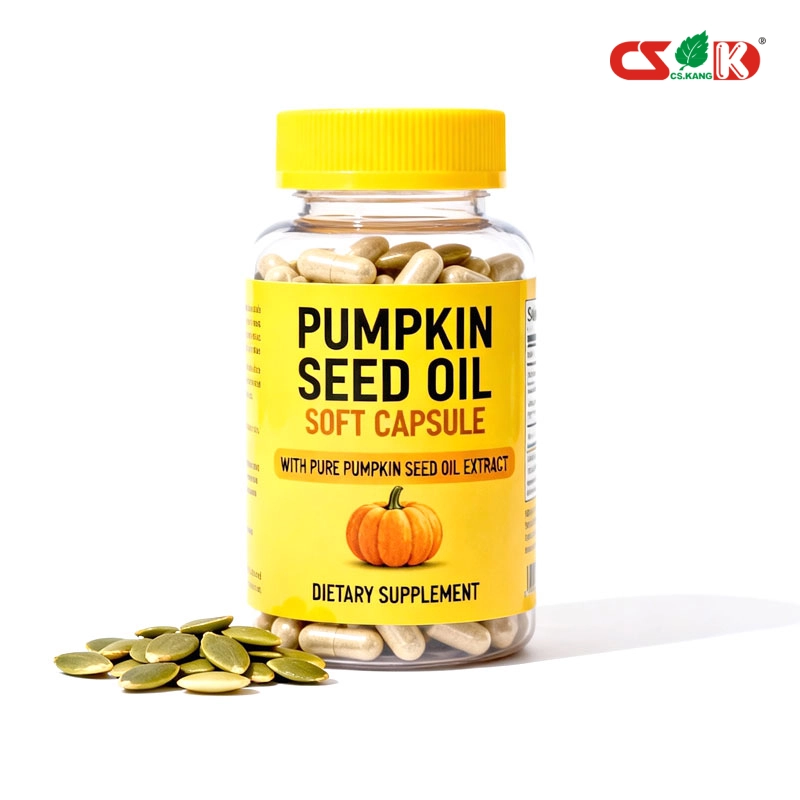
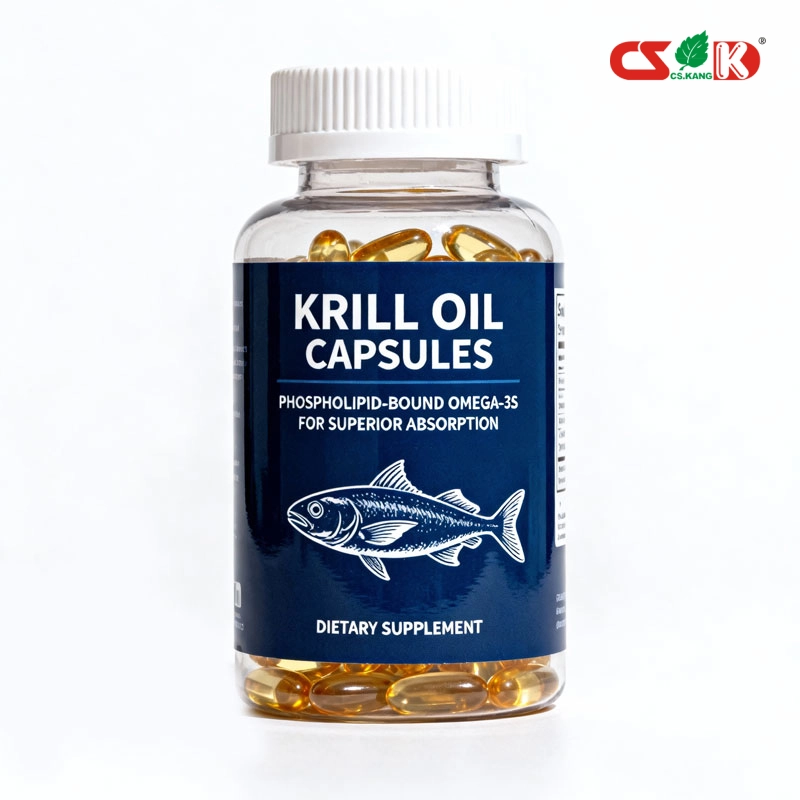
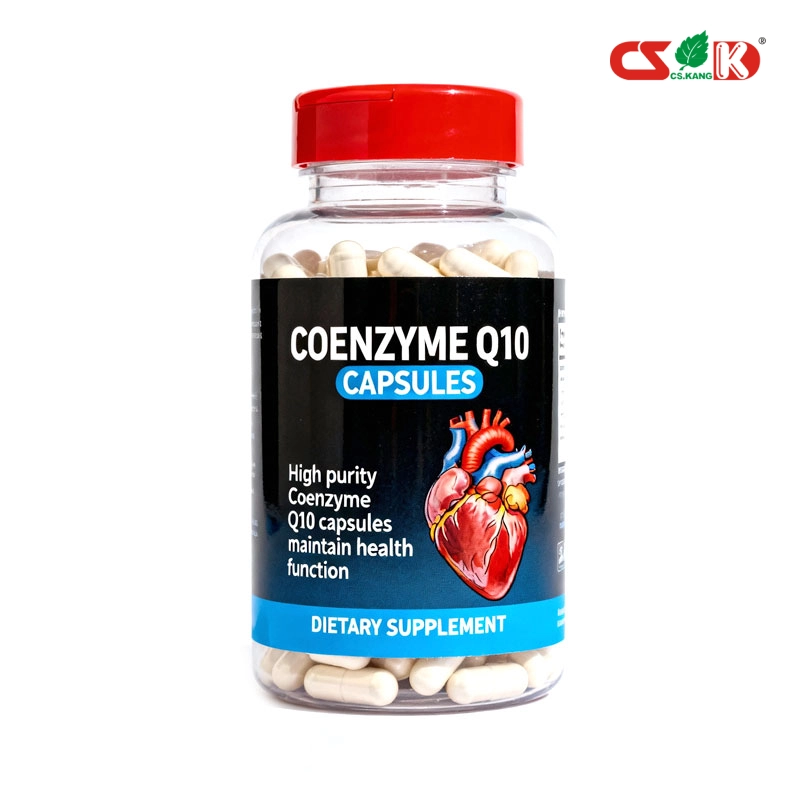
Explore our range of complementary dietary supplement products designed to meet diverse formulation and market needs. Each item is developed and manufactured with the same high-quality standards and expertise that define our dietary supplement contract manufacturing services, helping brands expand their product offerings efficiently and reliably.
Request a Quote for Dietary Supplement Contract Manufacturing
If you need CDMO services for health foods, nutritional supplements, or cosmetics, our team of experts is ready to provide you with customized solutions and quotes.

manufactoryinchina
CSK Biotech Dietary Supplements