
Calcium and Vitamin D Formulation Logic in Senior Nutrition
Senior nutrition is a key segment within the global dietary supplement market. As nutritional needs change with age, formulations targeting older adults often place particular emphasis on calcium and vitamin D as core nutrients. For brand owners and manufacturers, developing compliant senior-focused products requires a clear understanding of formulation logic, dosage balance, and regional regulatory requirements.
This article outlines the main considerations involved in formulating calcium and vitamin D supplements for senior nutrition across international markets.

1. Role of Calcium and Vitamin D in Senior-Oriented Formulations
In senior nutrition formulations, calcium and vitamin D are commonly included together due to their complementary roles in normal physiological processes. From a formulation perspective, combining these nutrients requires careful planning to ensure:
-
Appropriate daily intake levels
-
Compatibility within the selected dosage form
-
Stability throughout the product shelf life
Formulators must align nutrient inclusion with officially recognized nutrient reference values and maximum permitted levels.
2. Selection of Calcium Sources
Several calcium sources are used in dietary supplement formulations, including:
-
Calcium carbonate
-
Calcium citrate
-
Calcium lactate
-
Calcium phosphate
Each form differs in elemental calcium content, particle size, solubility, and processing behavior. The choice of calcium source influences:
-
Tablet size and compression properties
-
Suitability for capsules, powders, or liquids
-
Labeling declaration and regulatory acceptance
All calcium sources must be approved for use in the target market and declared accurately on product labels.
3. Vitamin D Forms and Regulatory Considerations
Vitamin D is typically included in senior nutrition products in the form of:
-
Vitamin D3 (cholecalciferol)
-
Vitamin D2 (ergocalciferol)
Selection depends on regulatory permissions, formulation goals, and sourcing preferences. Vitamin D inclusion levels must remain within legally defined upper intake limits, which vary by region.
Because vitamin D is fat-soluble and sensitive to light and heat, formulators must consider:
-
Protection during processing
-
Stability during storage
-
Uniform distribution at low dosage levels
4. Calcium-to-Vitamin D Balance
Maintaining an appropriate ratio between calcium and vitamin D is a key aspect of formulation logic. Excessive levels of either nutrient may present compliance challenges, while insufficient levels may not align with product positioning.
Formulators typically:
-
Reference established dietary guidelines
-
Adjust levels based on dosage form capacity
-
Account for overages only where permitted
All declared values must reflect finished product content throughout shelf life.
5. Dosage Form Impact on Senior-Friendly Products
The choice of dosage form is especially important for senior consumers. Common formats include:
-
Tablets (including chewable or coated tablets)
-
Capsules
-
Powders and sachets
-
Liquid supplements
Each format presents unique formulation considerations:
-
Tablets allow higher calcium loading but may increase size
-
Liquids require solubility and suspension control
-
Powders require uniform blending and flowability
Ease of use, swallowability, and packaging design should be considered alongside technical feasibility.
6. Interactions with Other Nutrients
Calcium may interact with other minerals and vitamins in multinutrient formulations. These interactions can affect:
-
Absorption dynamics
-
Physical stability
-
Processing performance
Formulators may use separation strategies, controlled release systems, or specific excipients to manage these interactions while remaining within regulatory guidelines.
7. Labeling and Compliance Across Markets
Senior nutrition products containing calcium and vitamin D must comply with labeling and regulatory frameworks in each target region, including:
-
Nutrient content declarations
-
Daily intake recommendations
-
Mandatory disclaimers and warnings
No disease-related or therapeutic claims should be made on packaging or marketing materials.
8. Manufacturing Quality and Stability Control
Producing calcium and vitamin D supplements requires robust manufacturing controls, including:
-
GMP-compliant facilities
-
Validated blending and dosing systems
-
Stability testing over shelf life
Consistency and documentation are essential for both regulatory compliance and brand credibility.
Partner with CSK Biotech for Senior Nutrition Supplement Manufacturing
CSK Biotech offers comprehensive OEM & ODM dietary supplement manufacturing services, supporting senior nutrition products in multiple dosage forms, including:
-
Tablets and chewables
-
Hard and soft capsules
-
Powders and sachets
-
Liquid supplements
Our experienced formulation and quality teams help ensure compliance-oriented development for US, EU (including Germany), and China markets.
📩 For formulation consultation or private label manufacturing inquiries, please contact:
Email: steve@cskbiotech.com
Latest Popular Articles


Discover expert tips from CSK Biotech, one of the top dietary supplements manufacturers, on handling international shipping and compliance for supplements. Ensure smooth global distribution with our comprehensive guide to regulations, packaging, and documentation. Stay compliant and competitive worldwide.
FAQ
文章
Are your manufacturing facilities GMP certified?
Yes. CSK Biotech operates under GMP (Good Manufacturing Practices) standards. Our production facilities follow strict quality · · · management systems to ensure:
-
· Product safety
-
· Batch consistency
-
· Full traceability of raw materials and finished products
Do you provide packaging services?
Yes. We offer a variety of packaging solutions, including:
-
· Bottles and jars
-
· Sachets and sticks
-
· Bulk packaging
-
· Customized labeling options
Packaging can be tailored to your brand and target market needs.
Does CSK Biotech provide OEM and ODM services?
Yes. CSK Biotech provides both OEM (Original Equipment Manufacturing) and ODM (Original Design Manufacturing) services.
-
OEM: Manufacturing based on your existing formula and specifications
-
ODM: Full product development including formulation, dosage form design, and production
Our R&D team works closely with clients to turn concepts into market-ready products.
How long does production usually take?
Production timelines vary depending on:
-
· Dosage form
-
· Formula complexity
-
· Order quantity
-
· Packaging requirements
Generally, production takes several weeks after formula confirmation and raw material preparation.
Why choose CSK Biotech as your manufacturing partner?
Clients choose CSK Biotech because we offer:
-
· Comprehensive dosage form capabilities
-
· Strong customization and R&D support
-
· GMP-compliant manufacturing
-
· Reliable quality and stable supply
-
· One-stop OEM/ODM solutions
How does the cooperation process work?
Our standard cooperation process includes:
-
1.Product consultation and requirement confirmation
-
2.Formula development or review
-
3.Sample production (if required)
-
4.Order confirmation and mass production
-
5.Quality inspection and packaging
-
6.Delivery
This structured process ensures efficiency and transparency.
Related Products
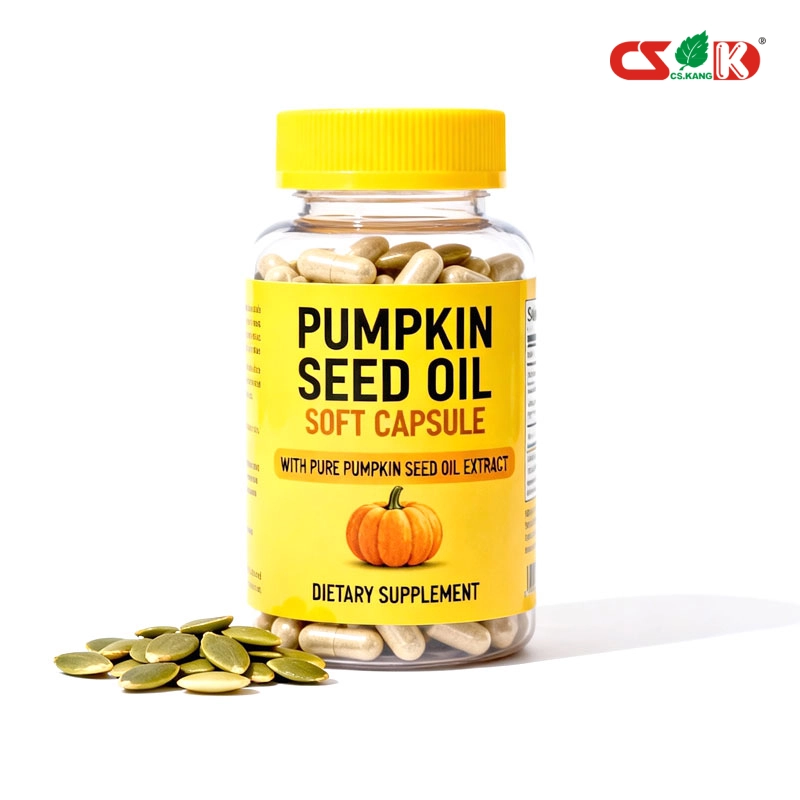
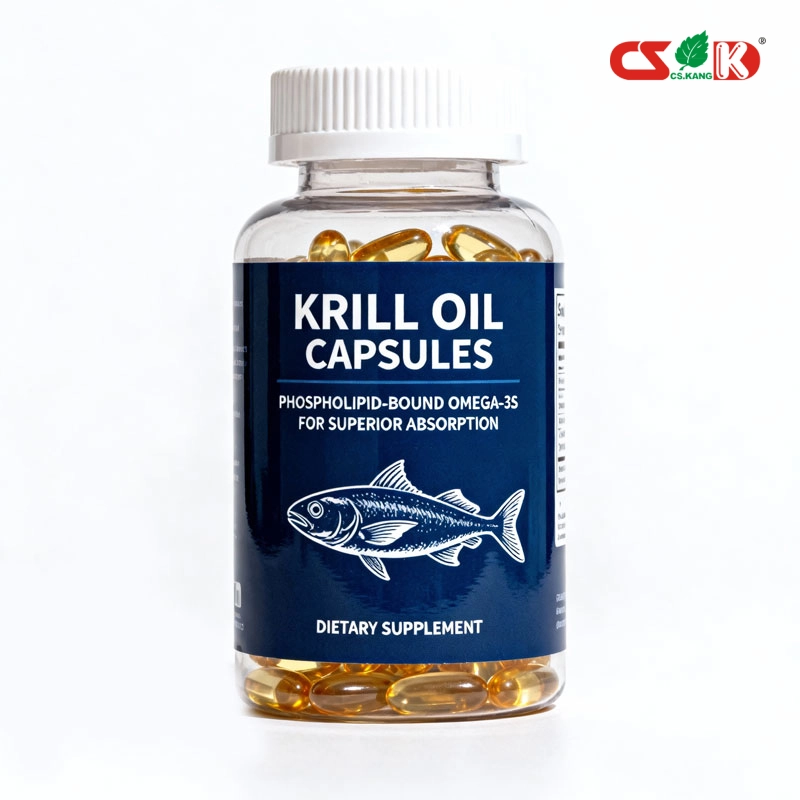
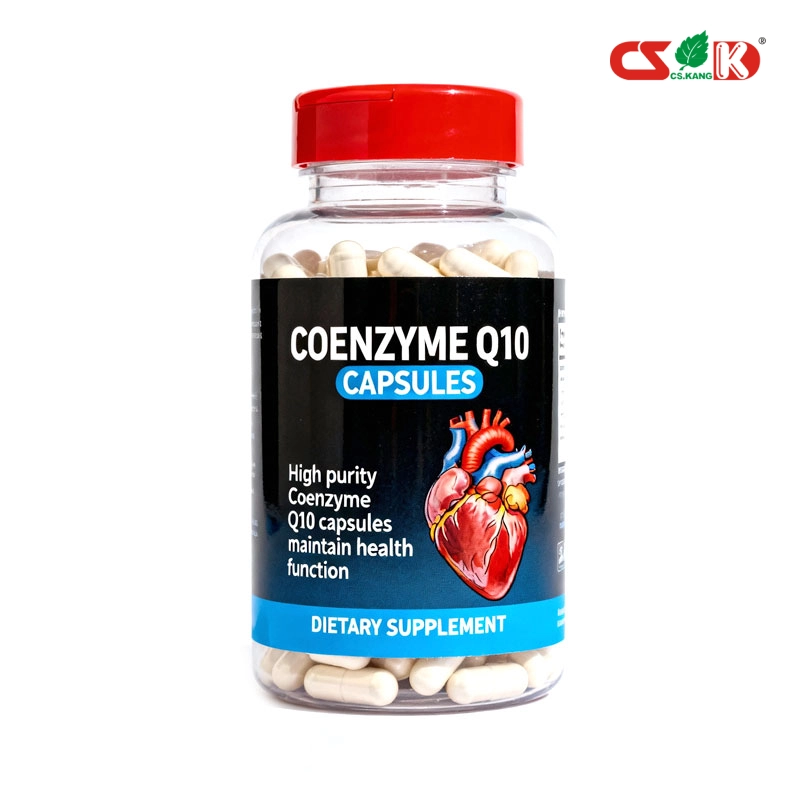
Explore our range of complementary dietary supplement products designed to meet diverse formulation and market needs. Each item is developed and manufactured with the same high-quality standards and expertise that define our dietary supplement contract manufacturing services, helping brands expand their product offerings efficiently and reliably.
Request a Quote for Dietary Supplement Contract Manufacturing
If you need CDMO services for health foods, nutritional supplements, or cosmetics, our team of experts is ready to provide you with customized solutions and quotes.

manufactoryinchina
CSK Biotech Dietary Supplements