
7 Costly Mistakes to Avoid When Hiring a Custom Gummy Vitamin Manufacturer [Expert Insights 2026]
Hiring a custom gummy vitamin manufacturer is a high-stakes decision. This 2026 guide exposes 7 costly mistakes—from skipping stability testing to misaligned cooperation models—and offers expert solutions to secure your brand's supply chain.
The global gummy vitamin market is projected to reach $9.41 billion in 2025, driven by a massive shift away from pills toward tasty, chewable formats. However, this lucrative market is fraught with technical pitfalls. Unlike standard capsules, gummies are complex confectionary-pharmaceutical hybrids that require precise engineering. Choosing the wrong partner can lead to melted inventory, regulatory shutdowns, or brand-damaging recalls.
Here are the 7 most costly mistakes to avoid when selecting a gummy supplement contract manufacturing partner, backed by 2026 industry data.
Quick Summary: The Risks of Selecting the Wrong Partner
Selecting an inexperienced manufacturer can result in total product loss due to instability, melting, or regulatory non-compliance. Gummy manufacturing is significantly more technically complex than tablets; it requires mastering water activity, pH levels, and temperature sensitivity to prevent mold and degradation.
· Technical Complexity: Gummies are chemically active food matrices, not inert powders.
· Financial Impact: A single recall due to melting or labeling errors can cost hundreds of thousands of dollars.
· Key Takeaway: Success relies on deep Private label gummy formulation R&D, not just factory line speed.
What is a Custom Gummy Vitamin Manufacturer?
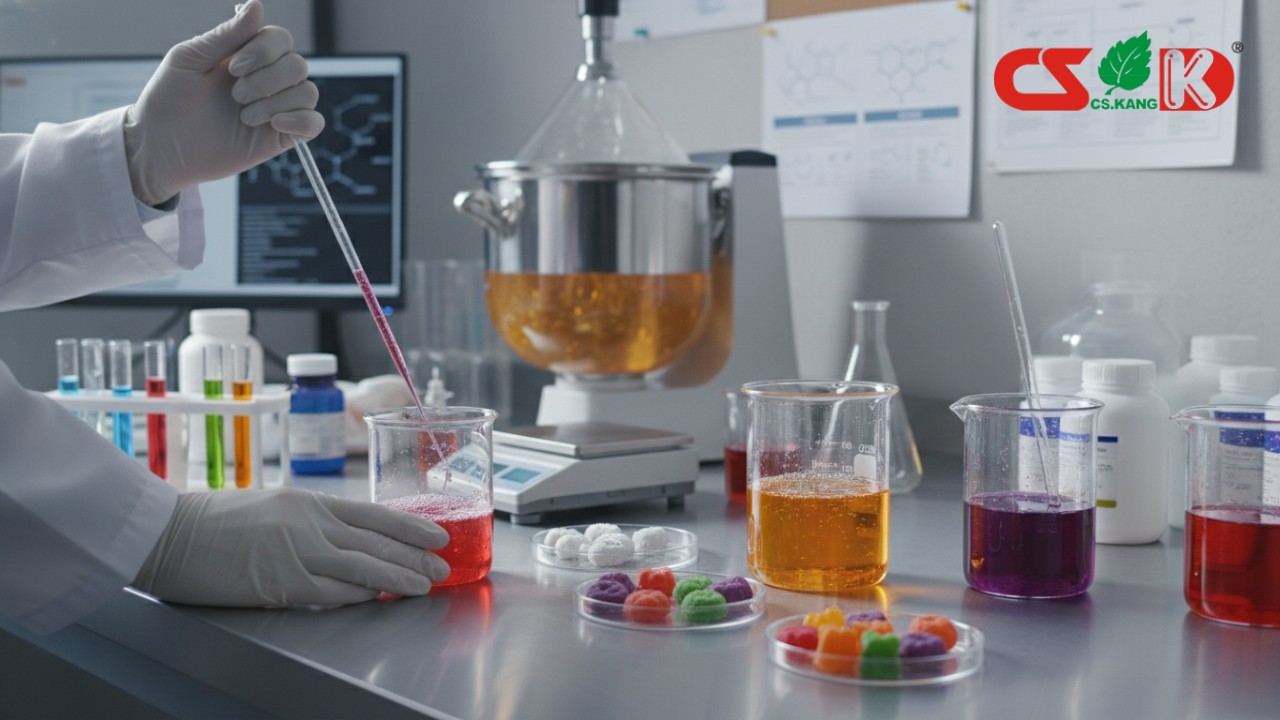
A Custom Gummy Vitamin Manufacturer is a specialized partner, often operating as a CDMO (Contract Development and Manufacturing Organization), that manages the end-to-end process of formulation, R&D, stability testing, and mass production. unlike basic co-packers, these partners provide regulatory compliance support and advanced ingredient technologies.
Top-tier partners bridge the gap between confectionery science and pharmaceutical-grade nutrient delivery. They don't just follow a recipe; they engineer a shelf-stable product.
Core Functions of a CDMO:
· Formulation R&D: Customizing texture, flavor, and active nutrient load.
· Regulatory Support: Ensuring labels meet FDA and international standards.
· Scaled Production: Transitioning from pilot batches to millions of units seamlessly.
Mistake #1: Skipping the 'Stability Verification' Phase
Skipping the stability verification phase is the leading cause of gummy products melting in transit or losing potency before their expiration date. This critical R&D step measures Water Activity (Aw) and pH levels to predict how the gummy reacts to heat, humidity, and time.
Many startups rush to market without a pilot run, only to find their gummies fusing together into a giant brick during summer shipping. In 2025, stability-related recalls remain a primary risk for new brands. A reliable partner will never rush this stage.
The Solution: Rigorous R&D
Leading manufacturers like CSK Biotech conduct rigorous stability verification during the Private label gummy formulation R&D phase. This ensures products survive the supply chain.
· Water Activity (Aw) Testing: Prevents microbial growth and sweating.
· Thermal Stress Testing: Simulates shipping conditions in hot climates.
· Potency Analysis: Ensures vitamins remain active throughout the shelf life.
Expert Tip: Never sign a contract without seeing a stability report for your specific formula.
Mistake #2: Overlooking Critical Certifications (GMP, FDA, ISO)
Relying on verbal claims of compliance without verifying physical certificates subjects your brand to the risk of FDA warning letters and import bans. A compliant facility must hold verifiable third-party accreditations that prove adherence to international safety and quality standards.
According to 2025 FDA data, 29% of supplement products cited in warning letters remained on the market, highlighting the prevalence of non-compliant actors. You must partner with an FDA registered gummy facility to ensure your liability is protected.
Essential Certifications Checklist:
1. GMPC (Good Manufacturing Practice for Cosmetics/Supplements): Ensures consistent production standards.
2. FDA Registration: Mandatory for selling in the US market.
3. HACCP: Critical for food safety analysis and control points.
4. ISO Standards: Demonstrates international quality management maturity.
Case Context: Manufacturers like CSK Biotech, founded in 2008, adhere to GMPC, FDA, HACCP, and ISO standards, providing a documented safety net for global brands.
Mistake #3: Failing to Define the Cooperation Model (OEM vs. ODM vs. CDM)
Failing to distinguish between OEM, ODM, and CDM models leads to misalignment between your internal capabilities and your manufacturer's services. This confusion often results in a wasted budget on R&D for simple projects or a lack of innovation for complex ones.
Choosing the wrong model affects your speed to market and intellectual property ownership. You must align your business needs with the manufacturer's operational strengths.
The 3 Models Explained:
· OEM (Original Equipment Manufacturing): Precise, formula-based production. Best if you already have a finished, tested formula and just need capacity.
· ODM (Original Design Manufacturing): Market-oriented product innovation. The manufacturer provides ready-made formulas you can brand immediately. Best for speed.
· CDM (Contract Design Manufacturing): Tailor-made product design. A collaborative process from concept to delivery. Best for unique, custom formulations.
Mistake #4: Prioritizing Low MOQs Over Scalability
Choosing a manufacturer solely based on low Minimum Order Quantities (MOQs) creates a "Startup Trap" where production cannot scale as your sales grow. Small labs often lack the high-throughput machinery required to fulfill large retail orders, forcing you to switch suppliers mid-growth.
While starting small is prudent, your partner must have the capacity to grow. Data suggests that the gummy vitamin market demand will exceed $15 billion by 2030, meaning successful brands will need massive volume.
Why Capacity Matters:
· Lead Times: Small labs get clogged easily, causing stockouts.
· Consistency: Large-scale lines offer better automated quality control.
· Future-Proofing: Look for partners with multiple production lines.
Insight: High-tech enterprises like CSK Biotech offer large-scale manufacturing solutions with seven advanced production lines, capable of producing billions of units annually (e.g., 4.5 billion softgels/1.5 billion tablets capacity equivalent), ensuring they can scale with you from pilot to mass market.
Mistake #5: Ignoring the Complexity of Pectin vs. Gelatin Bases
Underestimating the chemical differences between pectin and gelatin leads to texture inconsistencies and stability failures in different climates. Pectin (vegan) requires precise pH control to set, while gelatin has a lower melting point, making it riskier for summer distribution.
Consumer trends for 2026 indicate a 50/50 split in preference between soft pectin textures and chewy gelatin textures. Pectin vs. gelatin gummy stability is a critical conversation to have with your R&D team.
Key Considerations:
· Gelatin: Classic chew, high consumer familiarity, melts at ~35°C (95°F).
· Pectin: Plant-based/Vegan, heat stable (won't melt easily), cleaner flavor release, but technically harder to manufacture.
· Clean Label: If targeting the growing vegan market, ensure your partner has specific expertise in pectin buffering systems.
Mistake #6: Underestimating Packaging and Regulatory Support Needs
Treating packaging and regulatory compliance as an afterthought often results in costly labeling errors and non-compliant health claims. With the FDA tightening scrutiny on supplement claims in 2025, having a partner who understands regulatory nuances is vital.
Hidden costs arise when you have to hire third-party designers or regulatory consultants. Comprehensive CDMO services for nutraceuticals often bundle these services to streamline the product lifecycle.
The Value of End-to-End Support:
· Free Packaging Design: Professional, compliant label layouts.
· Regulatory Registration: Assistance with document submission.
· Marketing Support: Guidance on permissible claims.
CSK Biotech provides these as part of their end-to-end solutions, covering the entire lifecycle from concept development to free packaging services.
Mistake #7: Neglecting the 'Hidden Costs' of Cheap Manufacturing
Selecting the lowest bidder typically results in higher long-term costs due to variable potency, poor ingredient bioavailability, and potential recalls. Cheap manufacturing often cuts corners on raw material sourcing or testing frequency.
The "cheapest quote" is rarely the most cost-effective when you factor in brand reputation risk. In the supplement industry, quality is the only safety net.
The Price of Quality:
· Ingredient Purity: High-quality bioavailable nutrients cost more but deliver actual health benefits.
· Testing Rigor: Every batch should be tested for heavy metals and microbes.
· Brand Safety: Investing in a GMP-certified 2,000 m² factory ensures your product is safe for human consumption.
Gap Analysis: Future Trends in Gummy Manufacturing (2026 Outlook)
To stay competitive in 2026, brands must embrace functional innovation and sustainable manufacturing practices. The market is moving beyond simple multivitamins into complex functional areas like stress relief, sleep, and beauty.
· Functional Boom: Rise of adaptogens, nootropics, and beauty-from-within gummies.
· Sustainability: Eco-friendly packaging (pouches vs. bottles) and energy-efficient production.
· Personalization: Data-driven nutrient customization.
Partnering with a forward-thinking R&D team today places you ahead of the 2026 curve.
References
· Gummy Vitamin Market Size & Share Analysis - Mordor Intelligence
· Gummy Supplements Market Size & Opportunities, 2025-2032 - Coherent Market Insights
· Recalls, Availability, and Content of Dietary Supplements Following FDA Warning Letters - NIH
· Gelatin versus pectin: Which gummies do consumers prefer? - Nutritional Outlook
Latest Popular Articles


Discover expert tips from CSK Biotech, one of the top dietary supplements manufacturers, on handling international shipping and compliance for supplements. Ensure smooth global distribution with our comprehensive guide to regulations, packaging, and documentation. Stay compliant and competitive worldwide.
FAQ
文章
What ingredients can be used in your products?
We support a wide range of ingredients, such as:
-
· Vitamins and minerals
-
· Herbal extracts
-
· Amino acids
-
· Probiotics and prebiotics
-
· Functional ingredients for immunity, beauty, sleep, energy, and metabolism
All raw materials are carefully selected and quality-tested before use.
Do you accept international orders?
Yes. CSK Biotech works with global clients and has experience supporting brands in:
-
· North America
-
· Europe
-
· Asia-Pacific
-
· Middle East and other regions
We are familiar with international cooperation processes and export requirements.
How does the cooperation process work?
Our standard cooperation process includes:
-
1.Product consultation and requirement confirmation
-
2.Formula development or review
-
3.Sample production (if required)
-
4.Order confirmation and mass production
-
5.Quality inspection and packaging
-
6.Delivery
This structured process ensures efficiency and transparency.
Do you provide packaging services?
Yes. We offer a variety of packaging solutions, including:
-
· Bottles and jars
-
· Sachets and sticks
-
· Bulk packaging
-
· Customized labeling options
Packaging can be tailored to your brand and target market needs.
How long does production usually take?
Production timelines vary depending on:
-
· Dosage form
-
· Formula complexity
-
· Order quantity
-
· Packaging requirements
Generally, production takes several weeks after formula confirmation and raw material preparation.
Who is CSK Biotech?
CSK Biotech is a professional biotechnology company specializing in OEM/ODM contract manufacturing of dietary supplements. We provide customized production services for softgel capsules, hard capsules, tablets, powders, gummies, and liquid supplements, supporting global brands from formulation to finished products.
Related Products
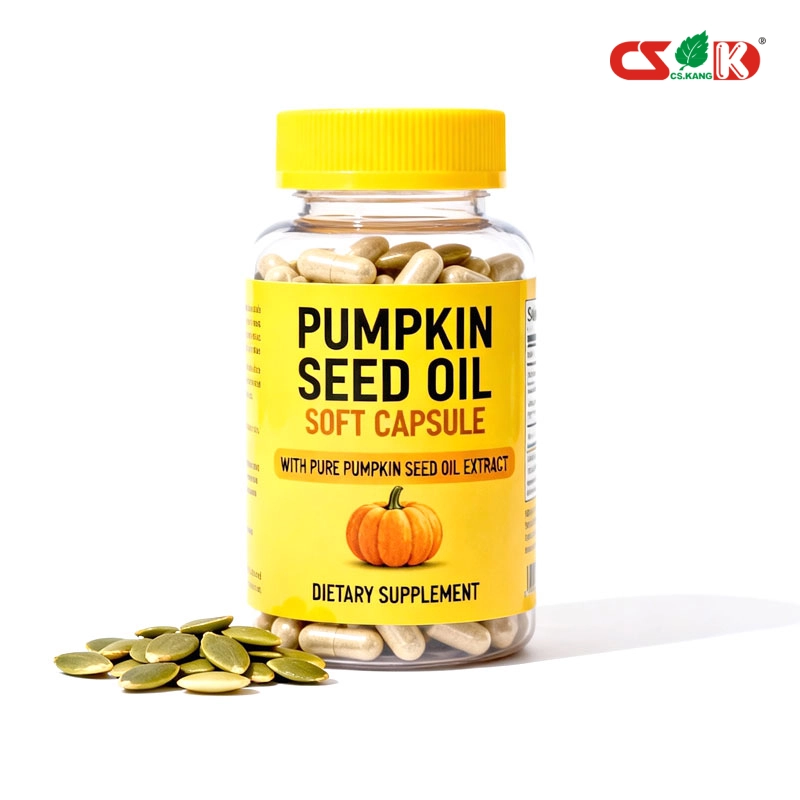
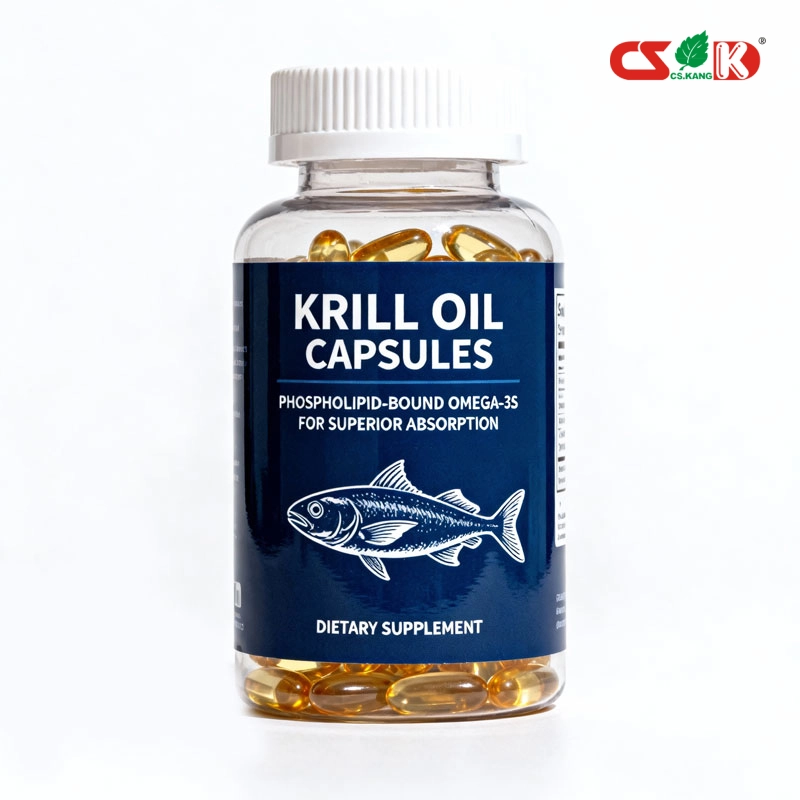
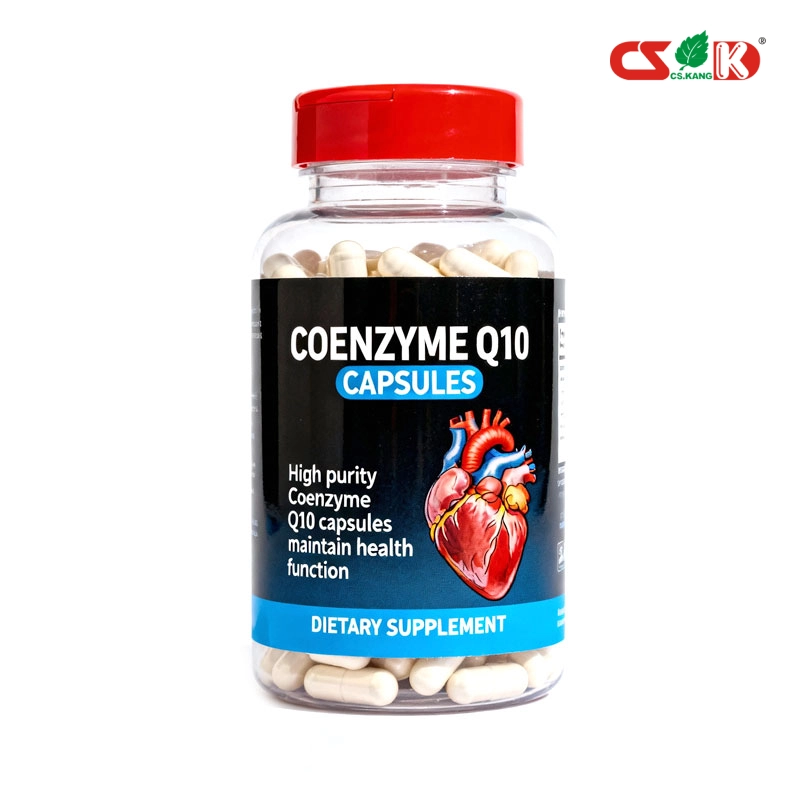
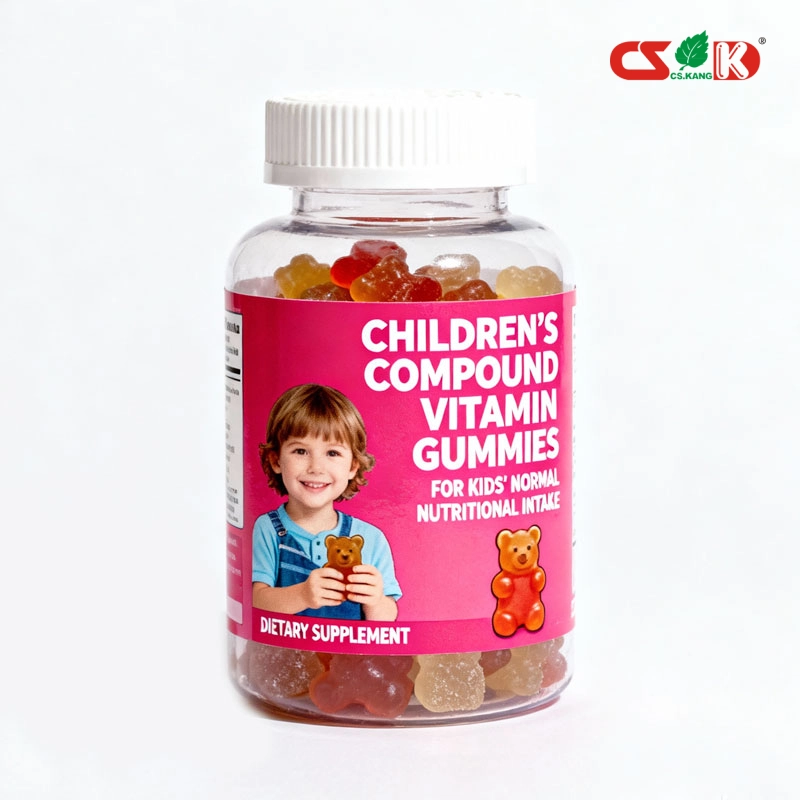
Explore our range of complementary dietary supplement products designed to meet diverse formulation and market needs. Each item is developed and manufactured with the same high-quality standards and expertise that define our dietary supplement contract manufacturing services, helping brands expand their product offerings efficiently and reliably.
Request a Quote for Dietary Supplement Contract Manufacturing
If you need CDMO services for health foods, nutritional supplements, or cosmetics, our team of experts is ready to provide you with customized solutions and quotes.

manufactoryinchina
CSK Biotech Dietary Supplements