
What are the different types of nutritional supplements?

- Understanding Supplement Forms and Why They Matter
- Form Matters: match format to consumer needs and product stability
- Semantic keywords: how searchers look for supplement forms
- Authoritative context for product safety
- Major Types of Nutritional Supplements
- Capsules: convenient, versatile delivery
- Tablets: cost-effective and stable
- Softgels and Liquid-Filled Capsules
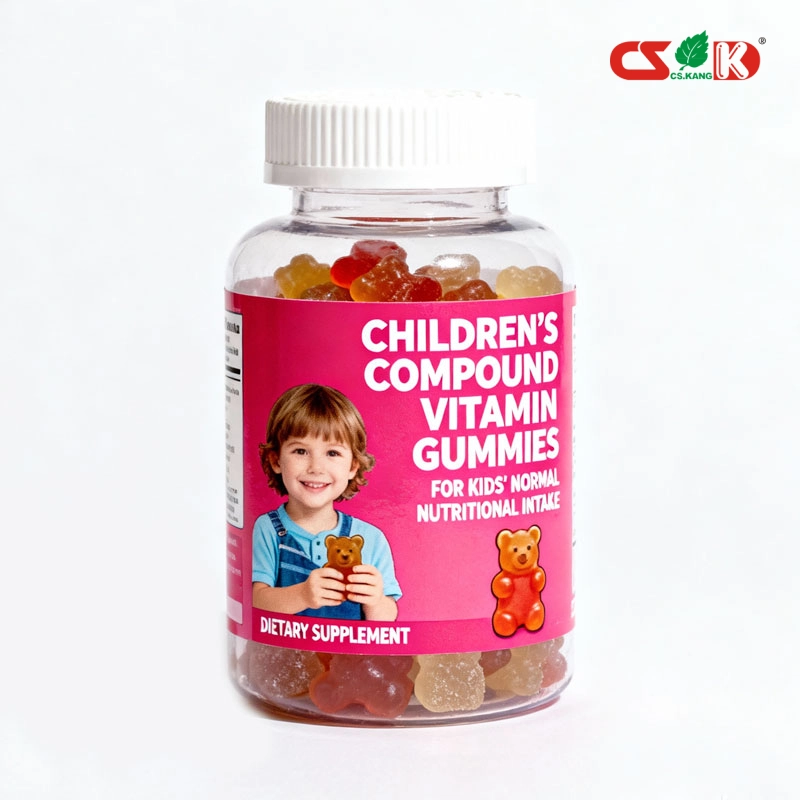
- Gummies: high consumer appeal, formulation challenges
- Powders: flexible dosing and innovative formats
- Liquids and Syrups: fast absorption, specialized preservation
- Comparing Dosage Forms: Practical Pros & Cons for Brands
- Quick comparative table
- Interpreting the table for manufacturing decisions
- Choosing & Manufacturing Considerations for Brands and OEM Partners
- Regulatory compliance and quality systems
- CDMO services: ODM, CDM, OEM explained
- Production capacity and lead times
- Analytical testing and stability programs
- Conclusion and Frequently Asked Questions
- Conclusion: match form to function and partner with a qualified manufacturer
- Frequently Asked Questions
- Q1: Which supplement form is best absorbed?
- Q2: How long does it take to launch a private label supplement?
- Q3: What certifications should a supplement manufacturer have?
- Q4: Are gummies less effective than capsules?
- Additional reading and resources
This article explains the different types of nutritional supplements—capsules, tablets, softgels, gummies, powders, and liquids—covering formulation differences, stability, typical use cases, and manufacturing considerations for brands seeking contract manufacturing (OEM/ODM/CDM). It embeds industry-standard guidance from regulatory authorities and points to reputable resources like the NIH Office of Dietary Supplements and the FDA to support safe product development. The content is optimized to match for product research, private label opportunities, and B2B manufacturing services for nutritional supplements.
Understanding Supplement Forms and Why They Matter
Form Matters: match format to consumer needs and product stability
Choosing the right form for nutritional supplements directly affects bioavailability, consumer acceptance, stability, and cost. Terms with such as private label supplements, contract manufacturing, and bulk nutritional supplements are important when you evaluate different dosage forms. Regulatory guidance from the FDA clarifies that product form and labeling for dietary supplements must comply with rules for identity, strength, purity, and composition (FDA - Dietary Supplements).
Semantic keywords: how searchers look for supplement forms
Common semantic keywords tied to nutritional supplements include: dietary supplements, vitamins and minerals, softgels, capsules vs tablets, powdered supplements, liquid formulas, gummy vitamins, supplement manufacturing, private label supplements, and CDMO services. Integrating these terms helps match user intent for both consumer research and brand manufacturing searches.
Authoritative context for product safety
For reliable scientific definitions and safety considerations, consult the NIH Office of Dietary Supplements which provides evidence-based facts on nutrient roles and intake levels (NIH ODS) and Wikipedia for general definitions of dietary supplements (Dietary supplement — Wikipedia).
Major Types of Nutritional Supplements
Capsules: convenient, versatile delivery
Capsules (gelatin or HPMC/vegetarian) are widely used for powdered blends, botanical extracts, and probiotic formulations. They typically offer fast disintegration and ease of swallowing. s often tied to capsules include private label capsules and capsule contract manufacturing. Capsules are suitable when content uniformity and relatively simple manufacturing are required.
Tablets: cost-effective and stable
Tablets are compressed forms ideal for vitamins, minerals, and fixed-dose formulations. Pros: low cost per unit, high throughput production, and better stability for some actives. Cons: some nutrients are poorly absorbed in tablet form and tablets may require coatings to mask taste or control release. Brands often seek tablet OEM or tablet formulation development services when targeting large-volume retail products.
Softgels and Liquid-Filled Capsules
Softgels provide an excellent vehicle for oil-based ingredients (e.g., omega-3, vitamin D, coenzyme Q10). They offer high bioavailability for lipophilic actives and improved consumer perception for High Quality products. Typical B2B keyword usage: softgel contract manufacturing and liquid softgels bulk production. Softgels require specialized production lines and robust quality control to ensure fill uniformity and seal integrity.
Gummies: high consumer appeal, formulation challenges
Gummies are increasingly popular for consumer-facing brands due to taste and ease of use—especially in children and older adults. However, gummies require specific excipients (gelatin or pectin), flavor systems, and preservatives to maintain shelf life and nutrient stability. Manufacturers often market gummy supplement private label and gummy formulation services to meet these demands.
Powders: flexible dosing and innovative formats
Powders (single-serve sachets or tubs) are ideal for athletes, meal replacements, and multi-nutrient blends. They allow flexible dosing, rapid reconstitution, and inclusion of higher dosages or macronutrients. Keywords with include custom powder blends, bulk powder manufacturing, and sports supplement CDMO.
Liquids and Syrups: fast absorption, specialized preservation
Liquid supplements enable faster absorption and are preferred for pediatric or geriatric populations. They require careful preservative systems and stability testing. Businesses commonly search for liquid supplement contract manufacturing and oral liquid nutraceuticals OEM when exploring these formats.
Comparing Dosage Forms: Practical Pros & Cons for Brands
Quick comparative table
| Form | Typical Use | Advantages | Disadvantages | Typical Shelf Life |
|---|---|---|---|---|
| Capsules | Powders, botanicals, probiotics | Good masking, fast disintegration, flexible | Moisture sensitive; vegetarian shell costs more | 12–36 months (depends on packaging) |
| Tablets | Vitamins, minerals, fixed-dose blends | Low cost per unit, stable | Harder to swallow; some APIs need coating | 18–36 months |
| Softgels | Oil-soluble nutrients (omega-3, D, K) | High bioavailability, High Quality feel | Higher manufacturing cost; specialized lines | 12–24 months (depends on antioxidants) |
| Gummies | Kids, adult daily vitamins | High compliance, palatable | Sugar or sweeteners; nutrient stability challenges | 9–18 months |
| Powders | Sports, meal replacement, fiber | Flexible dosing; cost-effective for high dosages | Hygroscopic; needs resealable packaging | 12–24 months |
| Liquids | Pediatrics, tinctures, botanicals | Fast absorption; easy to swallow | Preservative needs; heavier shipping costs | 6–18 months |
Interpreting the table for manufacturing decisions
When evaluating forms, brands should weigh consumer preference, ingredient chemistry (hydrophilic vs. lipophilic), shelf life requirements, and production costs. Terms like formulation stability testing and shelf-life study are common s when brands prepare to partner with a CDMO.
Choosing & Manufacturing Considerations for Brands and OEM Partners
Regulatory compliance and quality systems
Compliance with GMP (Good Manufacturing Practices), HACCP, and third-party certifications is essential. The FDA provides oversight for dietary supplements in the U.S., while international markets may require additional registrations. When searching for a partner, businesses typically look for GMP-certified supplement manufacturer, FDA-registered facility, or ISO certified CDMO. CSK Biotech is certified by GMPC, FDA, HACCP, and ISO and operates a GMP-certified 2,000㎡ factory with seven advanced production lines, supporting large-scale manufacturing needs.
CDMO services: ODM, CDM, OEM explained
Brands have three common cooperation models: ODM (product concept to finished market-ready products), CDM (custom design and formulation development), and OEM (accurate formula-based production). CSK Biotech provides end-to-end services covering R&D, pilot testing, stability verification, production, regulatory registration, and marketing support—keywords frequently searched include full-service supplement CDMO and private label nutraceutical manufacturer.
Production capacity and lead times
Manufacturing capacity and lead times are crucial: CSK Biotech’s annual capacity exceeds 4.5 billion softgels and 1.5 billion tablets, which supports high-volume global brand requirements and fast time-to-market. For brands seeking bulk production or seasonal launches, searching terms like high-volume supplement manufacturer and scalable production lines is typical.
Analytical testing and stability programs
Reliable quality control includes raw material identity testing, microbial and heavy metal testing, dissolution (for tablets), and stability studies. Reputable manufacturers run accelerated and real-time stability studies to support shelf-life claims. Many brands search for stability testing supplements and third-party testing when vetting OEM partners.
Conclusion and Frequently Asked Questions
Conclusion: match form to function and partner with a qualified manufacturer
Selecting the right type of nutritional supplements depends on active ingredient chemistry, target consumer preferences, desired shelf life, and budget. For brands aiming to scale or bring a new product to market, partnering with a certified CDMO that offers OEM/ODM/CDM services, robust quality systems, and transparent regulatory support is critical. Companies like CSK Biotech combine R&D expertise, certified production, and large-scale capacity to accelerate product launches while ensuring compliance and quality.
Frequently Asked Questions
Q1: Which supplement form is best absorbed?
Absorption depends on the nutrient: lipophilic vitamins (A, D, E, K, omega-3) are better absorbed in oil-based forms like softgels or emulsions; water-soluble vitamins (C, B-complex) are effectively delivered in tablets, capsules, or liquids. Formulation techniques (micronization, liposomal encapsulation) also influence bioavailability.
Q2: How long does it take to launch a private label supplement?
Lead times vary: for ready-to-market OEM formulas, turnaround can be 8–12 weeks depending on packaging, batch size, and regulatory paperwork. For customized ODM or CDM projects requiring R&D and stability testing, development typically takes 4–9 months. Search terms used by brands: supplement development timeline and private label lead time.
Q3: What certifications should a supplement manufacturer have?
Key certifications include GMP (or GMPC), HACCP, ISO, and optionally third-party audit programs. For U.S. market access, FDA compliance with labeling and manufacturing regulations is essential (FDA - Dietary Supplements). CSK Biotech holds GMPC, FDA, HACCP, and ISO certifications.
Q4: Are gummies less effective than capsules?
Gummies can be effective but face formulation challenges: heat-sensitive vitamins and minerals may degrade in gummy matrices, and gummies often contain sugars or polyols. For some nutrients, gummies may require higher label claims to ensure equivalent potency over shelf life. Brands searching gummy vs capsule efficacy often consult manufacturers for stability data and shelf-life studies.
Additional reading and resources
For further authoritative background, consider the NIH Office of Dietary Supplements (NIH ODS) and the FDA’s dietary supplement portal (FDA - Dietary Supplements).
Contact CTA: Ready to develop high-quality nutritional supplements with a trusted CDMO? Contact CSK Biotech to discuss formulation, private label, or full-service manufacturing.
Contract Manufacturing vs In-House Production: Cost Analysis
How to Choose a Nutritional Supplements Manufacturer
Top 10 capsule supplement Manufacturers and Supplier Brands
Unlocking Wellness: A Deep Dive into Nutraceutical Tablet Manufacturing Excellence
文章
Who is CSK Biotech?
CSK Biotech is a professional biotechnology company specializing in OEM/ODM contract manufacturing of dietary supplements. We provide customized production services for softgel capsules, hard capsules, tablets, powders, gummies, and liquid supplements, supporting global brands from formulation to finished products.
What is your minimum order quantity (MOQ)?
MOQ depends on the dosage form, formula complexity, and packaging requirements. CSK Biotech offers flexible MOQs to support:
-
· Start-up brands
-
· New product launches
-
· Large-scale production orders
Please contact us for specific MOQ details.
Does CSK Biotech provide OEM and ODM services?
Yes. CSK Biotech provides both OEM (Original Equipment Manufacturing) and ODM (Original Design Manufacturing) services.
-
OEM: Manufacturing based on your existing formula and specifications
-
ODM: Full product development including formulation, dosage form design, and production
Our R&D team works closely with clients to turn concepts into market-ready products.
Do you provide packaging services?
Yes. We offer a variety of packaging solutions, including:
-
· Bottles and jars
-
· Sachets and sticks
-
· Bulk packaging
-
· Customized labeling options
Packaging can be tailored to your brand and target market needs.
Why choose CSK Biotech as your manufacturing partner?
Clients choose CSK Biotech because we offer:
-
· Comprehensive dosage form capabilities
-
· Strong customization and R&D support
-
· GMP-compliant manufacturing
-
· Reliable quality and stable supply
-
· One-stop OEM/ODM solutions
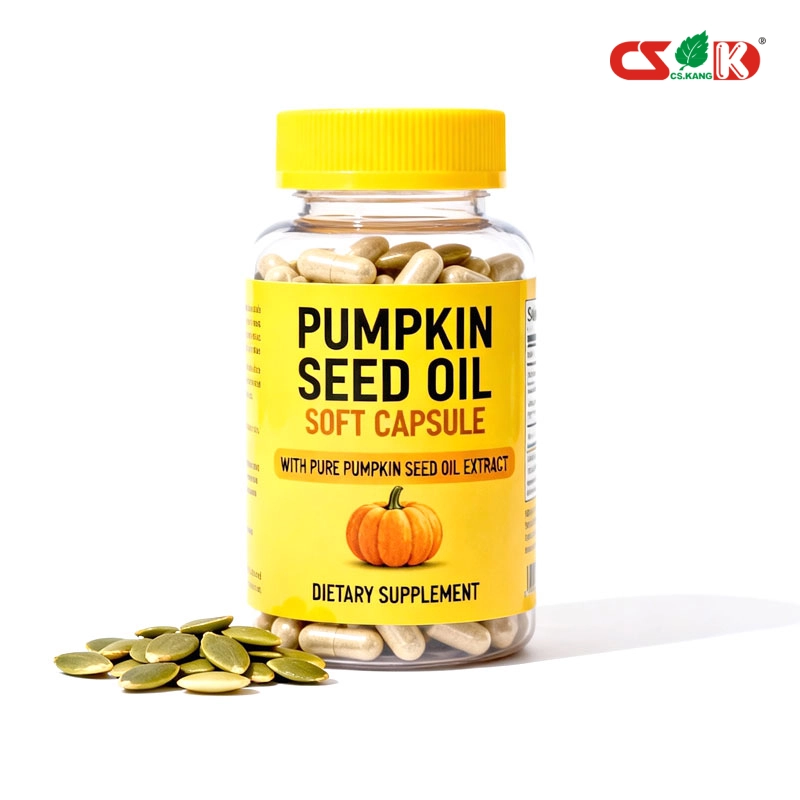
Cold-Pressed Pumpkin Seed Oil Capsules: Rich in Zinc, Phytosterols & Fatty Acids
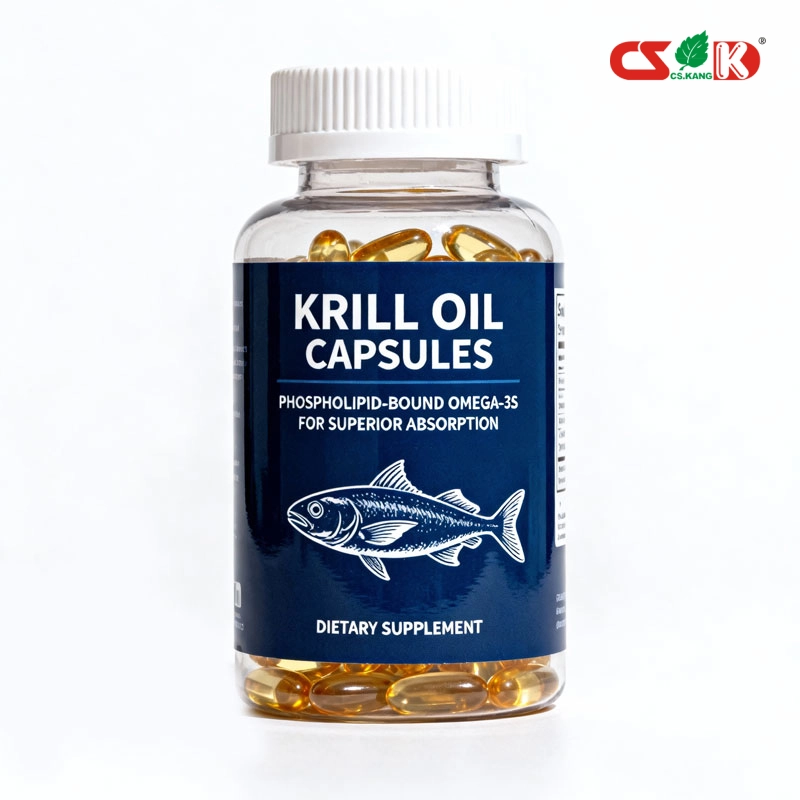
Supports Heart & Brain Health: Krill Oil Rich in EPA & DHA
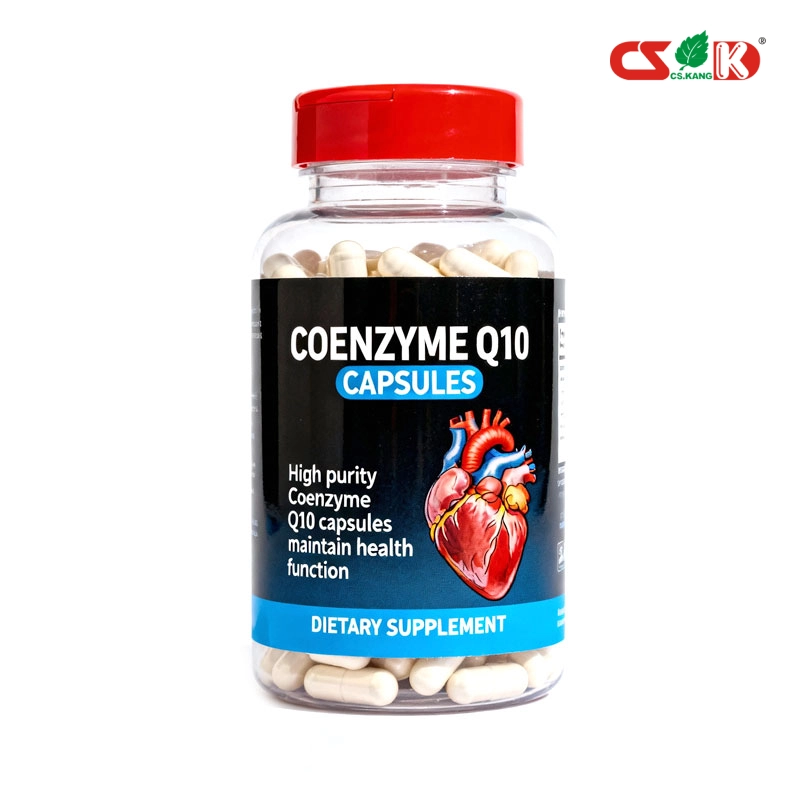
High purity Coenzyme Q10 capsules maintain heart health function

manufactoryinchina
CSK Biotech Dietary Supplements