
Scale-Up Strategies for Nutritional Supplement Manufacturers

- Scaling Production: A Practical Roadmap for Supplement Makers
- Market Assessment & Demand Forecasting for Nutritional Supplements Manufacturer Growth
- Regulatory Compliance & Quality Systems: Non-Negotiable Requirements
- Formulation, Pilot Testing and Process Transfer
- Manufacturing Capacity Planning & Production Layout
- Supply Chain and Procurement Strategies for Scale
- Process Optimization and Technology Adoption
- Quality Control, Stability and Post-Market Surveillance
- Packaging, Labeling and Regulatory Submission Support
- Commercial Models: When to Use OEM, ODM, or CDMO Partnerships
- CSK Biotech: A Strategic Partner for Scale (Capabilities & Services)
- Recommended Scale-Up Timeline & Milestones
- Cost Control and Financial Considerations
- Operational Risks and Mitigation Plans
- Conclusion & Next Steps for Nutritional Supplements Manufacturer Scale-Up
- Frequently Asked Questions (FAQ)
- References
Scaling Production: A Practical Roadmap for Supplement Makers
The decision to scale up production is a turning point for any nutritional supplements manufacturer. Whether you are transitioning from small-batch runs to commercial volumes or expanding product lines for new markets, the move requires coordinated strategy across regulatory, technical, commercial and quality functions. This article provides a step-by-step playbook with validated best practices, operational checklists and vendor/partnership models to minimize risk, control cost, and accelerate time-to-market.
Market Assessment & Demand Forecasting for Nutritional Supplements Manufacturer Growth
Before investing in capacity, validate demand with quantitative forecasting. Use multi-source inputs: historical sales, distributor pre-orders, retailer category data, and third-party market reports. Segment forecasts by SKU, format (tablets, softgels, powders, gummies, liquids), geography, and channel (e‑commerce, brick-and-mortar, direct-to-consumer). Key KPIs to track:
- Monthly and annual volume forecasts by SKU
- Production cadence (batches/month) and minimum order quantities
- Inventory days of supply and safety stock targets
- Break-even utilization and contribution margin per SKU
Scenario planning: build conservative, base, and aggressive cases. Conservative planning should include supply disruptions and regulatory lead times. For example, a 20% CAGR in a target segment can dramatically change capital needs; model staffing, shift patterns, and equipment uptime against these scenarios.
Regulatory Compliance & Quality Systems: Non-Negotiable Requirements
Regulatory readiness is foundational. For a nutritional supplements manufacturer scaling production, compliance obligations increase with volume and cross-border distribution. Implement and document a quality management system (QMS) aligned to relevant standards (GMP, ISO 9001, HACCP) and local regulatory frameworks (FDA in the U.S., EFSA rules in EU, etc.).
Actions to prioritize:
- Perform a gap analysis against GMP and country-specific regulations.
- Implement supplier qualification and incoming material testing programs.
- Establish batch record systems and electronic traceability (ERP/LIMS integration).
- Document Standard Operating Procedures (SOPs) for scaling processes, cleaning validation, and change control.
Regulatory timelines can be long—account for registration, label approvals, and potential clinical or stability data requirements when forecasting launch dates.
Formulation, Pilot Testing and Process Transfer
Scaling a formula from lab to production is one of the highest-risk activities. Follow a staged approach: R&D feasibility → pilot-scale batches → engineering run → commercial production. For each stage, define acceptance criteria for physical attributes (dissolution, hardness, moisture), stability, and process performance (yield, throughput).
Common pitfalls and mitigations:
- Excipients behave differently at scale: perform compaction, flowability and segregation tests and adjust binder or lubricant levels.
- Equipment differences: run pilot batches on machines with comparable shear, compression, or mixing dynamics rather than matching nameplate capacity only.
- Stability: initiate accelerated and real-time stability studies during pilot so registration dossiers are supported.
Manufacturing Capacity Planning & Production Layout
Deciding whether to expand in-house capacity, add shifts, or partner with a CDMO depends on lead time to revenue and capital constraints. Key considerations:
- Utilization thresholds: plan for peak utilization below 85% to avoid bottlenecks and allow maintenance downtime.
- Flexible capacity: modular production lines allow format switching (capsules ↔ tablets ↔ softgels) with reduced changeover time.
- Facility layout: segregate allergen/active handling zones, dedicate clean areas for encapsulation/softgel rooms and ensure logical flow from raw material receiving to finished goods.
| Option | CapEx | Time to Market | Control | Best for |
|---|---|---|---|---|
| In-house expansion | High | 12–36 months | High | Long-term brand control, proprietary formulas |
| Shift expansion | Low–Medium | 1–6 months | Medium | Moderate volume increases |
| CDMO partnership | Low (Opex) | 1–12 months | Variable | Rapid scaling, market testing, regulatory support |
Source: Internal manufacturing planning benchmarks and industry CDMO comparisons (see References).
Supply Chain and Procurement Strategies for Scale
Supply stability becomes critical at scale. Implement a multi-tiered supplier strategy focused on quality, redundancy, and lead-time reduction.
- Qualify at least two suppliers for critical actives and excipients.
- Negotiate frame agreements with price breaks linked to volume tiers and on-time delivery KPIs.
- Invest in demand-driven procurement with safety stock policies based on lead time variability.
- Consider nearshoring strategic ingredients to reduce transit risk and tariffs.
Process Optimization and Technology Adoption
To increase throughput while maintaining quality, apply Lean principles and automation where ROI-positive. Typical interventions:
- Implement Statistical Process Control (SPC) to detect drift early.
- Introduce automated material handling and weigh systems to reduce variance and contamination risk.
- Utilize Manufacturing Execution Systems (MES) and LIMS for real-time batch tracking and quality data capture.
- Consider continuous manufacturing lines for powders or liquids to reduce batch-to-batch variability.
Quality Control, Stability and Post-Market Surveillance
As production scales, invest proportionally in QC capacity and a structured post-market surveillance program. Key elements:
- Expanded QC labs, validated test methods and trained analysts for microbiological, assay, dissolution and impurity testing.
- Robust stability protocol covering all commercial packaging formats and storage conditions.
- Adverse event monitoring and complaint handling system to detect trends and trigger corrective actions.
Packaging, Labeling and Regulatory Submission Support
Packaging decisions affect shelf life and regulatory compliance. Perform package compatibility tests (moisture ingress, light protection) during pilot runs. Ensure label copy meets country-specific claims guidance and ingredient listing rules. If you plan multi-country distribution, create a regulatory checklist per jurisdiction to manage variations in permitted claims, allergens, and certifications.
Commercial Models: When to Use OEM, ODM, or CDMO Partnerships
Nutritional supplements manufacturers can scale through different cooperation models depending on strategy and IP concerns. Below is a concise comparison:
| Model | What it Means | When to Use | Typical Services |
|---|---|---|---|
| OEM | Manufacture to client’s exact formula | Brands with proven formulas seeking volume | Production, QC, packaging |
| ODM | Supplier provides finished product concept | Companies seeking fast market entry & innovation | Formulation, branding, production |
| CDMO | End-to-end product development & manufacturing | Brands needing technical support/regulatory help | R&D, pilot, registration, production |
Choosing the right partner reduces time, risk and cost when scaling. A CDMO is often the best option for companies that require R&D, regulatory and production expertise without heavy capital investment.
CSK Biotech: A Strategic Partner for Scale (Capabilities & Services)
Founded in 2008, CSK Biotech is a leading high-tech enterprise dedicated to the R&D and manufacturing of dietary supplements, health foods, and cosmetics. With a GMP-certified 2,000㎡ factory, seven advanced production lines, and an annual capacity exceeding 4.5 billion softgels and 1.5 billion tablets, CSK Biotech delivers high-quality, large-scale manufacturing solutions for global brands. Our core manufacturing services include contract manufacturing of capsules, tablets, powders, gummies, and liquids, and we also provide professional R&D, formulation development, and free packaging services.
As a professional Contract Development and Manufacturing Organization (CDMO), CSK Biotech provides end-to-end solutions that cover the entire product lifecycle—from concept development, formulation research, pilot testing, and stability verification to production, regulatory registration, and marketing support. We offer three cooperation models: ODM for market-oriented product innovation, CDM for tailor-made product design, and OEM for precise, formula-based production to ensure accuracy and timely delivery.
Certified by GMPC, FDA, HACCP, and ISO, CSK Biotech adheres to the highest international standards of quality and safety. With strong innovation capabilities, advanced technology, and a customer-focused approach, we are committed to helping global partners create effective, safe, and competitive health products that meet the growing demands of consumers worldwide.
CSK Biotech key product and manufacturing strengths include: tablet supplements manufacture, supplement manufacturing softgels, capsule supplement manufacturing, liquid supplement contract manufacturing, powder supplement manufacturing, gummy supplement manufacture. Competitive differentiators: validated GMP facility, multi-format capacity (tablets, softgels, capsules, gummies, liquids), end-to-end CDMO services, certified quality systems, and high annual throughput for rapid scale-up.
Recommended Scale-Up Timeline & Milestones
| Phase | Key Activities | Typical Duration |
|---|---|---|
| Assessment | Market validation, forecast, cost model | 1–2 months |
| Development | Formulation optimization, pilot batches, stability initiation | 3–6 months |
| Regulatory | Labeling, registration submission, certificates | varies by market; 1–9 months |
| Scale-Up | Process transfer, validation batches, QC ramp | 2–6 months |
| Commercial | Full production, distribution launch, post-market monitoring | Ongoing |
Cost Control and Financial Considerations
Scaling increases fixed costs; therefore, plan financing against utilization scenarios. Key levers to manage cost:
- Negotiate raw material volume discounts and long-term supplier contracts.
- Shift from CapEx to Opex when using CDMOs to preserve capital.
- Improve yield through process optimization—small percentage gains compound at scale.
- Leverage contract packaging to avoid investing in high-speed, multi-format lines prematurely.
Operational Risks and Mitigation Plans
Common risks include raw material shortages, regulatory non-compliance, equipment failures, and quality escapes. Mitigation strategies:
- Maintain a risk register with probability and impact scoring.
- Establish dual-sourcing and maintain safety stock for critical items.
- Conduct routine internal audits and third-party GMP assessments.
- Invest in predictive maintenance to reduce unexpected downtime.
Conclusion & Next Steps for Nutritional Supplements Manufacturer Scale-Up
Scaling production as a nutritional supplements manufacturer requires an integrated approach—market validation, robust quality systems, pilot-tested formulations, resilient supply chains, and the right choice of manufacturing model. For many brands, partnering with a certified CDMO like CSK Biotech provides speed, regulatory expertise and large-scale production capacity while minimizing upfront capital investment.
If you are evaluating options to scale your supplement production or need end-to-end manufacturing and regulatory support, contact CSK Biotech to discuss tailored CDMO / ODM / OEM solutions and available capacities.
Frequently Asked Questions (FAQ)
- How long does it take to scale a supplement from pilot to commercial production?
Typically 3–9 months from successful pilot batches to validated commercial runs, depending on regulatory timelines and scale. Complex formulations or multiple markets can extend this to 12+ months.
- When should I choose a CDMO vs building my own facility?
Choose a CDMO if you need speed to market, regulatory support, and lower upfront capital. Build an in-house facility when you require full control over IP, unique processes, or when long-term volume justifies capital investment.
- What quality certifications should I expect from a reliable partner?
Look for GMP/GMPC certification, HACCP, ISO (e.g., ISO 9001) and relevant local or international approvals such as FDA registration or audited quality reports.
- How do I ensure ingredient supply continuity at scale?
Qualify multiple suppliers, secure long-term agreements with volume tiers, maintain safety stock and diversify sourcing geographically to reduce logistics risk.
- What are the typical costs associated with pilot runs and stability testing?
Pilot run costs vary by format and complexity; budget for lab testing, stability chambers and analytical testing. Stability programs can take several months to years depending on required data—accelerated tests usually begin immediately to support faster registration.
- Can a CDMO help with regulatory registration and labeling?
Yes—many CDMOs, including CSK Biotech, offer regulatory submission support, label compliance checks and market-specific dossier preparation as part of end-to-end services.
Ready to scale? Contact CSK Biotech to request a capability brief, discuss pilot projects or get a customized production quote—visit our product pages or reach out to our commercial team for a consultation and sample testing.
References
- U.S. Food & Drug Administration (FDA) — Dietary Supplements. https://www.fda.gov/food/dietary-supplements. Accessed 2025-12-18.
- World Health Organization (WHO) — Good Manufacturing Practices and Quality Control. https://www.who.int. Accessed 2025-12-18.
- Codex Alimentarius — HACCP System and Guidelines for Its Application. http://www.fao.org/fao-who-codexalimentarius/codex-texts/hazard-analysis-and-critical-control-point-system/en/. Accessed 2025-12-18.
- Statista — Dietary Supplements Topic Overview. https://www.statista.com/topics/1333/dietary-supplements/. Accessed 2025-12-18.
- Grand View Research — Dietary Supplements Market Size, Trends & Forecast. https://www.grandviewresearch.com/industry-analysis/dietary-supplements-market. Accessed 2025-12-18.
Custom custom formulation dietary supplements Manufacturers and Suppliers
Top 10 liquid supplement Manufacturers and Supplier Brands
Custom white label dietary supplements manufacturer Manufacturers and Suppliers
Custom best food supplement company Manufacturers and Suppliers
文章
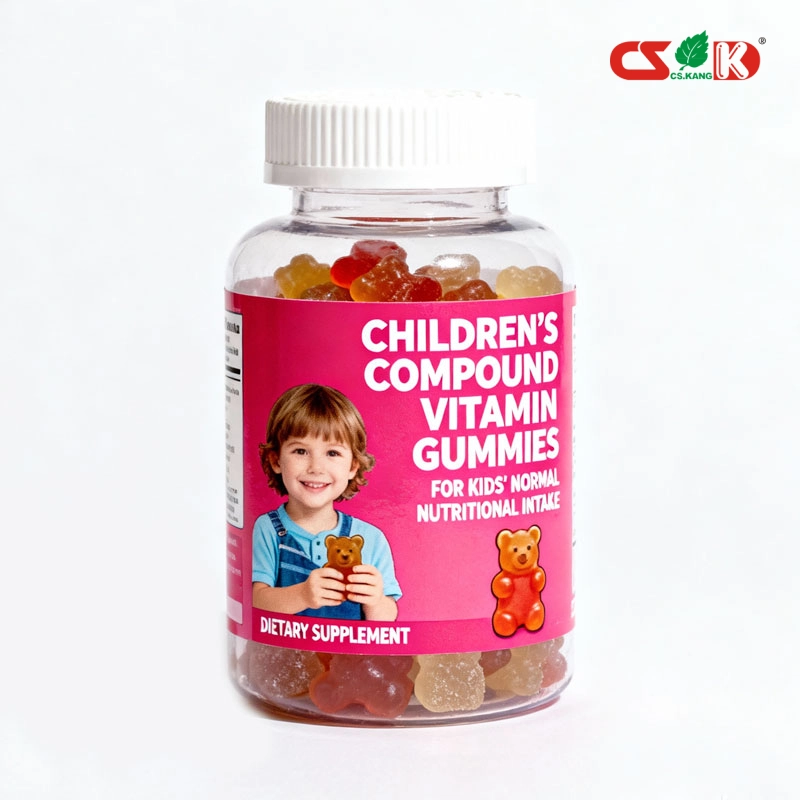
Can you help with gummy supplement customization?
Yes. Custom gummy supplements are one of our core strengths. We offer:
-
· Gelatin or pectin-based gummies
-
· Sugar-free or low-sugar options
-
· Customized flavors, colors, shapes, and textures
Our gummies are developed with a focus on taste, stability, and consumer appeal.
Do you accept international orders?
Yes. CSK Biotech works with global clients and has experience supporting brands in:
-
· North America
-
· Europe
-
· Asia-Pacific
-
· Middle East and other regions
We are familiar with international cooperation processes and export requirements.
Who is CSK Biotech?
CSK Biotech is a professional biotechnology company specializing in OEM/ODM contract manufacturing of dietary supplements. We provide customized production services for softgel capsules, hard capsules, tablets, powders, gummies, and liquid supplements, supporting global brands from formulation to finished products.
What types of dosage forms does CSK Biotech manufacture?
We offer a full range of supplement dosage forms, including:
-
· Softgel capsules
-
· Hard capsules
-
· Tablets
-
· Powder supplements
-
· Gummy supplements
-
· Liquid supplements (drops, syrups, oral liquids)
This allows our clients to build a complete and diversified product line with one reliable manufacturing partner.
Why choose CSK Biotech as your manufacturing partner?
Clients choose CSK Biotech because we offer:
-
· Comprehensive dosage form capabilities
-
· Strong customization and R&D support
-
· GMP-compliant manufacturing
-
· Reliable quality and stable supply
-
· One-stop OEM/ODM solutions
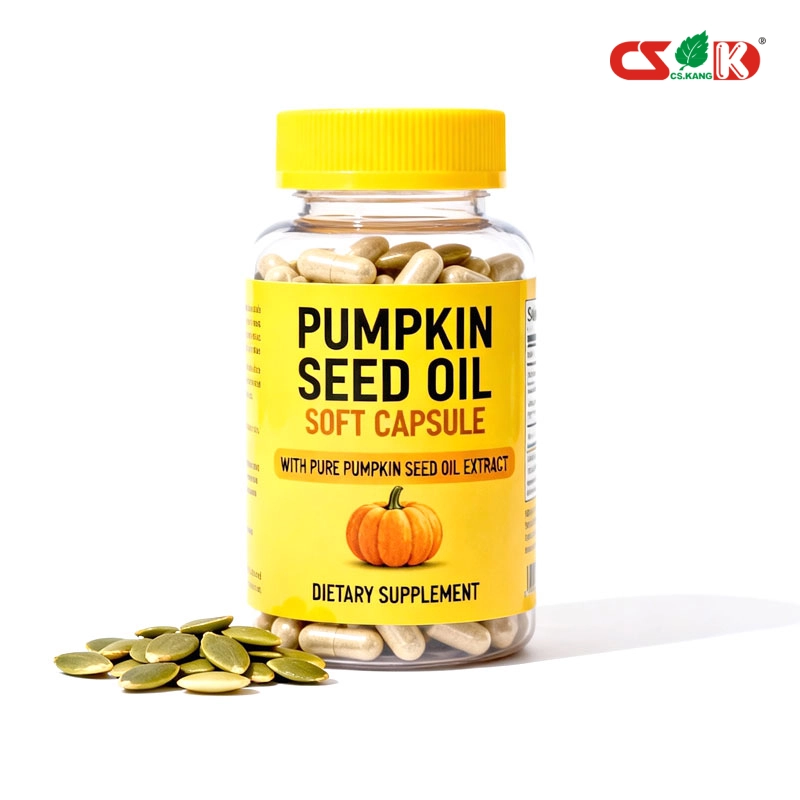
Cold-Pressed Pumpkin Seed Oil Capsules: Rich in Zinc, Phytosterols & Fatty Acids
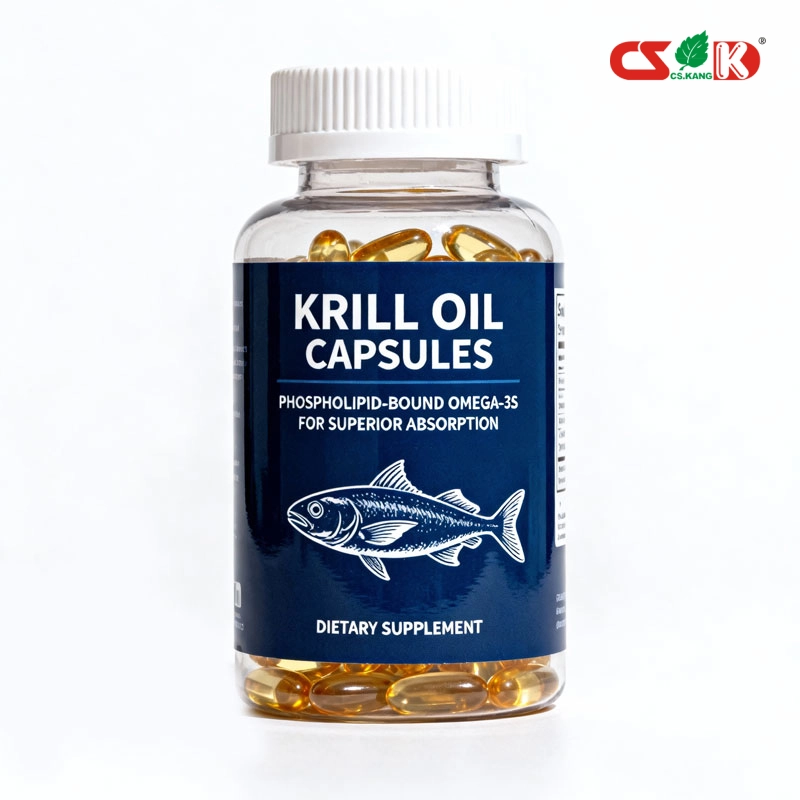
Supports Heart & Brain Health: Krill Oil Rich in EPA & DHA
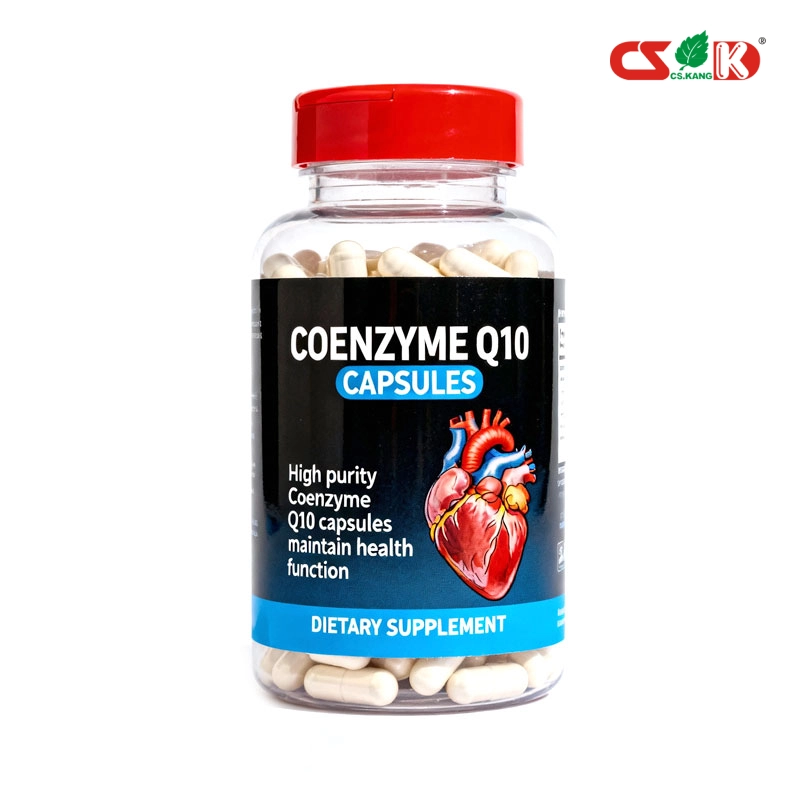
High purity Coenzyme Q10 capsules maintain heart health function

manufactoryinchina
CSK Biotech Dietary Supplements