
Regulatory Compliance (FDA/EFSA) for Supplement Manufacturers

- How Regulatory Compliance Shapes Successful Nutritional Supplements Manufacturing
- Overview for Nutritional Supplements Manufacturer
- Understanding FDA Requirements for Nutritional Supplements Manufacturer
- Understanding EFSA and EU Rules for Supplement Manufacturers
- Labeling, Claims, and Marketing: Practical Differences for Manufacturers
- Quality Systems and GMP Implementation for Nutritional Supplements Manufacturer
- Product Registration, Notifications and Post-market Surveillance
- Common Compliance Pitfalls and Risk Mitigation for Manufacturers
- Comparing Regulatory Burdens: FDA vs EFSA (At-a-glance)
- Why Partner with a Regulatory-Savvy CDMO: CSK Biotech Case
- CSK Biotech Advantages for the Regulatory-Minded Brand
- Implementation Roadmap for Manufacturers
- FAQ — Regulatory Compliance for Supplement Manufacturers
- 1. Do dietary supplements need FDA approval before sale in the U.S.?
- 2. When is an ingredient considered a Novel Food in the EU?
- 3. What labeling differences should a Nutritional Supplements Manufacturer expect between the U.S. and EU?
- 4. How can manufacturers prove safety and efficacy for claims?
- 5. Is GMP certification required to export supplements?
- 6. How can a CDMO like CSK Biotech help with regulatory submissions?
- Contact & Next Steps
- References
How Regulatory Compliance Shapes Successful Nutritional Supplements Manufacturing
Overview for Nutritional Supplements Manufacturer
For any Nutritional Supplements Manufacturer, regulatory compliance is not optional — it is the foundation of market access, brand trust, and risk management. Manufacturers supplying to the U.S. and EU must navigate two different regulatory frameworks (FDA and EFSA) that overlap on quality and safety but diverge on claims, notification processes, and specific ingredient controls. This article provides practical, verifiable guidance to help manufacturers design products and systems that satisfy regulators and consumers alike.
Understanding FDA Requirements for Nutritional Supplements Manufacturer
The U.S. Food and Drug Administration (FDA) regulates dietary supplements under the Dietary Supplement Health and Education Act (DSHEA, 1994). Under DSHEA, products marketed as dietary supplements must be safe, properly labeled, and manufactured according to current Good Manufacturing Practice (cGMP) for dietary supplements (21 CFR Part 111). Key obligations for a Nutritional Supplements Manufacturer selling in the U.S. include:
- Adherence to 21 CFR Part 111 cGMPs: controls on personnel, equipment, production, packaging, holding, and distribution.
- Ingredient safety: manufacturers must ensure ingredients are reasonably expected to be safe. For dietary ingredients not marketed in the U.S. before 1994, a New Dietary Ingredient (NDI) notification is typically required with safety data (21 U.S.C. § 350b).
- Labeling: truthful, non-misleading labels with Supplement Facts, ingredient list, serving size, manufacturer name/address, and required disclaimers for structure/function claims.
- Adverse Event Reporting: firms must report serious adverse events within 15 business days (21 CFR 11.22).
- Facility registration and product listing: while manufacturers register facilities and list products with FDA, dietary supplements do not require pre-market approval (except certain cases for NDIs).
For authoritative guidance, refer to FDA’s industry resources on dietary supplements and cGMPs (see references).
Understanding EFSA and EU Rules for Supplement Manufacturers
In the European Union, food supplements are regulated under food law with significant involvement from the European Food Safety Authority (EFSA) on risk assessment and by EU directives and member-state enforcement on market authorization. Key points for a Nutritional Supplements Manufacturer aiming for the EU market:
- Novel foods and novel ingredients: ingredients not used for human consumption to a significant degree before May 1997 are considered novel and require authorization under the EU Novel Food Regulation (Regulation (EU) 2015/2283).
- Health claims: EFSA evaluates scientific substantiation for health claims; only authorized claims listed in the EU Register may be used (Regulation (EC) No 1924/2006).
- Labeling and national rules: while general EU food labeling rules apply, member states may have specific notification or registration requirements for supplements; many require a notification to competent authorities before placing a product on the market.
- Good Manufacturing Practice and HACCP: although the EU does not have a single supplement-specific GMP like 21 CFR 111, food law requires HACCP-based food safety management systems and commonly accepted GMP certifications (ISO, GMP, HACCP) are expected by buyers and regulators.
Labeling, Claims, and Marketing: Practical Differences for Manufacturers
One of the most common compliance failures arises from inconsistent labeling and claims. Below is a concise comparison to guide product design and marketing:
| Topic | U.S. (FDA) | EU (EFSA) |
|---|---|---|
| Pre-market approval | No general pre-market approval; NDIs may require notification | Novel foods and new ingredients generally require authorization |
| Health claims | Structure/function claims allowed with disclaimer; disease claims prohibited | Only EFSA-authorized claims listed in EU Register are allowed |
| GMP requirements | 21 CFR Part 111 cGMP specific to dietary supplements | HACCP-based food safety systems; GMP/ISO expected by market |
| Adverse event reporting | Mandatory for serious adverse events (FDA safety reporting) | Member states operate national surveillance; EU Rapid Alert System (RASFF) for food safety incidents |
Sources: FDA and EFSA guidance documents (references at end).
Quality Systems and GMP Implementation for Nutritional Supplements Manufacturer
Comprehensive quality systems reduce regulatory risk and improve product consistency. Core elements for a Nutritional Supplements Manufacturer include:
- Documented Quality Management System (QMS) integrating cGMPs, HACCP, supplier qualification, and change control.
- Supplier qualification and raw material testing: certificates of analysis (COA), identity testing, and risk-based audits.
- Validated manufacturing processes and stability testing to support shelf-life claims.
- Batch records, traceability, and recall procedures that meet FDA and EU expectations.
- Training programs to ensure personnel competence and documented hygiene practices.
Investing in a QMS pays off in smoother audits, fewer recalls, and easier market access across territories.
Product Registration, Notifications and Post-market Surveillance
While the U.S. path focuses on cGMP and NDI notifications rather than pre-approval (in most cases), the EU often expects a notification or registration to local competent authorities and strict surveillance of post-market events. Practical checklist for a Nutritional Supplements Manufacturer:
- Determine whether any ingredient is an NDI (U.S.) or a Novel Food (EU). If yes, prepare required dossiers.
- Compile documentation: COAs, stability data, label mock-ups, manufacturing process descriptions, and safety assessments.
- Implement adverse event reporting and consumer complaint handling aligned with both FDA and EU expectations.
- Be prepared to provide rapid responses and product removal if regulators issue alerts (FDA or RASFF).
Common Compliance Pitfalls and Risk Mitigation for Manufacturers
Manufacturers repeatedly encounter a set of predictable issues. Addressing these upfront mitigates inspections, enforcement actions, and commercial setbacks:
- Poor supplier control: mitigate with multi-tier supplier qualification and periodic auditing.
- Inadequate record-keeping: implement electronic batch records and backup systems.
- Misleading or unapproved claims: use conservative claims and consult regulatory experts before marketing.
- Incomplete stability or safety data: include stability protocols and safety assessments in product development timelines.
- Weak recall readiness: maintain tested recall and traceability procedures with clear roles.
Comparing Regulatory Burdens: FDA vs EFSA (At-a-glance)
Below is a compact comparison summarizing key regulatory burdens that affect time-to-market and development cost for a Nutritional Supplements Manufacturer.
| Aspect | Impact under FDA (U.S.) | Impact under EFSA/EU |
|---|---|---|
| Ingredient clearance | NDI notifications can take months to prepare; no FDA pre-approval usually | Novel Food approval can take 18+ months with extensive data |
| Claims approval | Structure/function claims allowed with substantiation and disclaimer | EFSA science-based claim approval required; fewer permitted claims |
| Manufacturing compliance | cGMP audits and documentation per 21 CFR 111 | HACCP and recognized GMP/ISO often requested by buyers and authorities |
| Market surveillance | FDA adverse event reporting and inspections | Member-state surveillance and EU RASFF notifications |
Why Partner with a Regulatory-Savvy CDMO: CSK Biotech Case
For many brands, collaborating with an experienced Contract Development and Manufacturing Organization (CDMO) reduces regulatory complexity. CSK Biotech offers end-to-end services that align with FDA and EFSA expectations. Founded in 2008, CSK Biotech is a leading high-tech enterprise dedicated to the R&D and manufacturing of dietary supplements, health foods, and cosmetics. With a GMP-certified 2,000㎡ factory, seven advanced production lines, and an annual capacity exceeding 4.5 billion softgels and 1.5 billion tablets, we deliver high-quality, large-scale manufacturing solutions for global brands.
Our core manufacturing services include contract manufacturing of capsules, tablets, powders, gummies, and liquids, and we also provide professional R&D, formulation development, and free packaging services. As a professional Contract Development and Manufacturing Organization (CDMO), CSK Biotech provides end-to-end solutions that cover the entire product lifecycle—from concept development, formulation research, pilot testing, and stability verification to production, regulatory registration, and marketing support. We offer three cooperation models: ODM for market-oriented product innovation, CDM for tailor-made product design, and OEM for precise, formula-based production to ensure accuracy and timely delivery.
Certified by GMPC, FDA, HACCP, and ISO, CSK Biotech adheres to the highest international standards of quality and safety. With strong innovation capabilities, advanced technology, and a customer-focused approach, we are committed to helping global partners create effective, safe, and competitive health products that meet the growing demands of consumers worldwide.
CSK Biotech Advantages for the Regulatory-Minded Brand
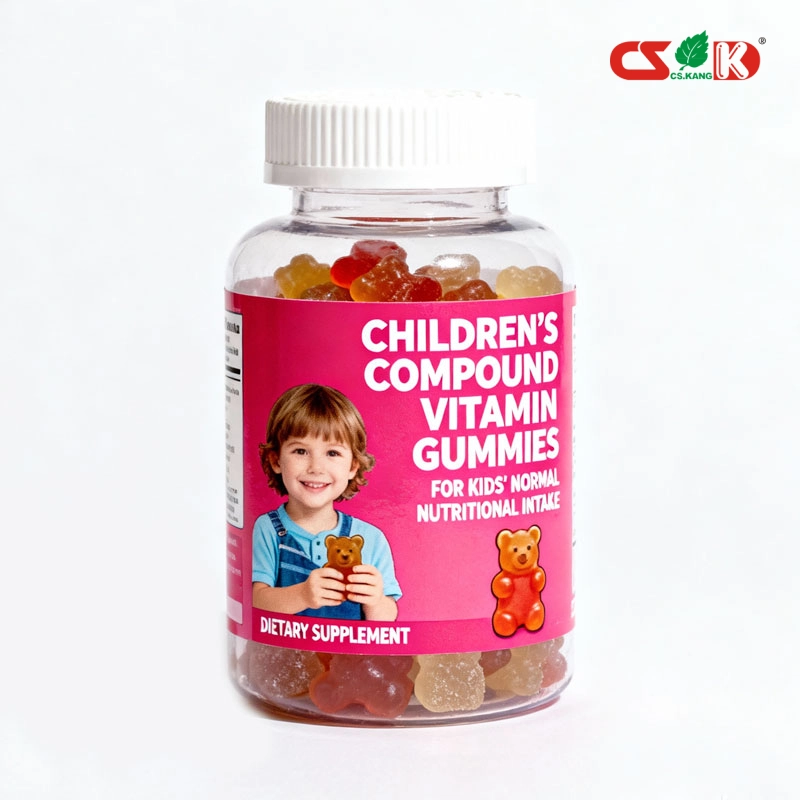
- Large-scale capacity and multi-format manufacturing: tablet supplements manufacture, supplement manufacturing softgels, capsule supplement manufacturing, liquid supplement contract manufacturing, powder supplement manufacturing, gummy supplement manufacture.
- Regulatory support across markets: experience preparing dossiers for NDIs, stability data, and EU notifications; helps streamline submissions.
- Integrated R&D and formulation development reduces time-to-market and supports claim substantiation.
- Certified quality systems (GMP/FDA/GNPC/HACCP/ISO) reduce audit risk and facilitate retailer acceptance.
Implementation Roadmap for Manufacturers
A practical program to achieve compliance and market readiness:
- Regulatory assessment: classify ingredients against NDI/Novel Food lists and map claim strategy.
- Quality foundation: implement cGMP/HACCP and supplier quality requirements. Consider third-party certifications (ISO, NSF) for market confidence.
- Evidence generation: stability, safety, and label substantiation studies aligned with target markets.
- Notifications and dossiers: prepare NDI notifications (U.S.) or Novel Food dossiers / health claim submissions (EU) as required.
- Market surveillance readiness: establish adverse event reporting, recall plans, and communication protocols.
FAQ — Regulatory Compliance for Supplement Manufacturers
1. Do dietary supplements need FDA approval before sale in the U.S.?
No. Dietary supplements generally do not require FDA pre-market approval unless they contain New Dietary Ingredients (NDIs) that require notification. However, manufacturers must comply with cGMPs (21 CFR Part 111), ensure safety, and follow labeling rules under DSHEA.
2. When is an ingredient considered a Novel Food in the EU?
An ingredient is considered a Novel Food if it was not consumed to a significant degree in the EU prior to May 15, 1997. Novel Foods require an authorization dossier under Regulation (EU) 2015/2283 and cannot be marketed until authorized.
3. What labeling differences should a Nutritional Supplements Manufacturer expect between the U.S. and EU?
In the U.S., labels need Supplement Facts panels and structure/function claim disclaimers. In the EU, labels must comply with general food labeling and any national notification requirements; health claims must be EFSA-authorized. Always check target-country specifics.
4. How can manufacturers prove safety and efficacy for claims?
Safety is established through toxicology data, literature reviews, and human studies where required. Efficacy for health claims in the EU requires high-quality clinical evidence reviewed by EFSA; in the U.S., structure/function claims require substantiation but not pre-approval.
5. Is GMP certification required to export supplements?
While GMP certification requirements vary by market, most major retailers and importers require recognized GMP or ISO certifications. For the U.S., compliance with 21 CFR Part 111 is mandatory. For the EU, HACCP-based systems and GMP/ISO certifications are typically expected.
6. How can a CDMO like CSK Biotech help with regulatory submissions?
Experienced CDMOs provide technical dossiers, stability data, manufacturing process descriptions, and quality certifications needed for NDI notifications, Novel Food dossiers, or buyer audits. They can also advise on claim language and label compliance across regions.
Contact & Next Steps
If you are a Nutritional Supplements Manufacturer planning market entry or scaling production, contact a regulatory-experienced CDMO early. For inquiries, product development, or to discuss contract manufacturing options — capsules, tablets, powders, gummies, liquids, or softgels — reach out to CSK Biotech for tailored regulatory support and full-cycle manufacturing services.
References
- U.S. Food and Drug Administration (FDA) — Dietary Supplement Products & Ingredients. https://www.fda.gov/food/dietary-supplements (accessed 2025-12-18)
- FDA Code of Federal Regulations — 21 CFR Part 111 (cGMP for dietary supplements). https://www.ecfr.gov/current/title-21/chapter-I/subchapter-B/part-111 (accessed 2025-12-18)
- FDA — New Dietary Ingredient Notifications (NDI). https://www.fda.gov/food/dietary-supplements/new-dietary-ingredient-notification-process (accessed 2025-12-18)
- European Food Safety Authority (EFSA) — Health Claims. https://www.efsa.europa.eu/en/topics/topic/health-claims (accessed 2025-12-18)
- Regulation (EU) 2015/2283 on Novel Foods. https://eur-lex.europa.eu/eli/reg/2015/2283/oj (accessed 2025-12-18)
- Regulation (EC) No 1924/2006 on nutrition and health claims made on foods. https://eur-lex.europa.eu/eli/reg/2006/1924/oj (accessed 2025-12-18)
- EU Rapid Alert System for Food and Feed (RASFF). https://ec.europa.eu/food/safety/rasff_en (accessed 2025-12-18)
- World Health Organization (WHO) — Good Manufacturing Practices (GMP) guidelines. https://www.who.int/publications/i/item/9789241547786 (accessed 2025-12-18)
Top 10 Basic Nutritional Supplement Manufacturers and Supplier Brands
Top 10 Nutritional Supplements Manufacturers and Supplier Brands
Unlocking Wellness: A Deep Dive into Nutraceutical Tablet Manufacturing Excellence
Unlock Your Brand's Potential: The Definitive Guide to Private Label Tablet Supplements
文章
Can CSK Biotech customize formulations?
Absolutely. We offer full formulation customization, including:
-
· Active ingredients selection
-
· Dosage optimization
-
· Flavor and taste adjustment
-
· Stability and bioavailability improvement
Our technical team ensures that each formula is safe, effective, and suitable for the target market.
Are your manufacturing facilities GMP certified?
Yes. CSK Biotech operates under GMP (Good Manufacturing Practices) standards. Our production facilities follow strict quality · · · management systems to ensure:
-
· Product safety
-
· Batch consistency
-
· Full traceability of raw materials and finished products
Do you accept international orders?
Yes. CSK Biotech works with global clients and has experience supporting brands in:
-
· North America
-
· Europe
-
· Asia-Pacific
-
· Middle East and other regions
We are familiar with international cooperation processes and export requirements.
What types of dosage forms does CSK Biotech manufacture?
We offer a full range of supplement dosage forms, including:
-
· Softgel capsules
-
· Hard capsules
-
· Tablets
-
· Powder supplements
-
· Gummy supplements
-
· Liquid supplements (drops, syrups, oral liquids)
This allows our clients to build a complete and diversified product line with one reliable manufacturing partner.
What is your minimum order quantity (MOQ)?
MOQ depends on the dosage form, formula complexity, and packaging requirements. CSK Biotech offers flexible MOQs to support:
-
· Start-up brands
-
· New product launches
-
· Large-scale production orders
Please contact us for specific MOQ details.
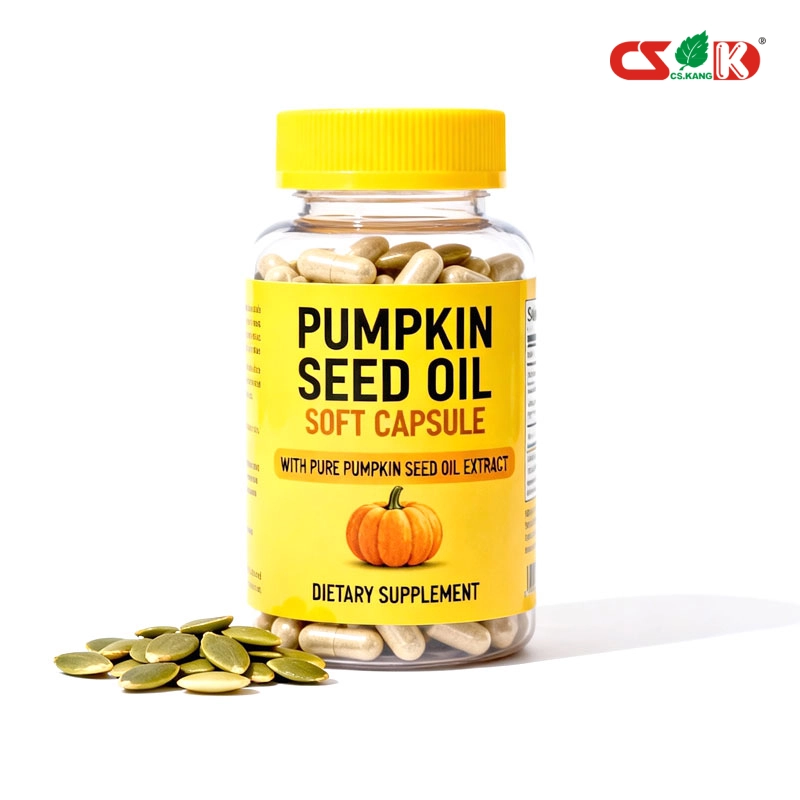
Cold-Pressed Pumpkin Seed Oil Capsules: Rich in Zinc, Phytosterols & Fatty Acids
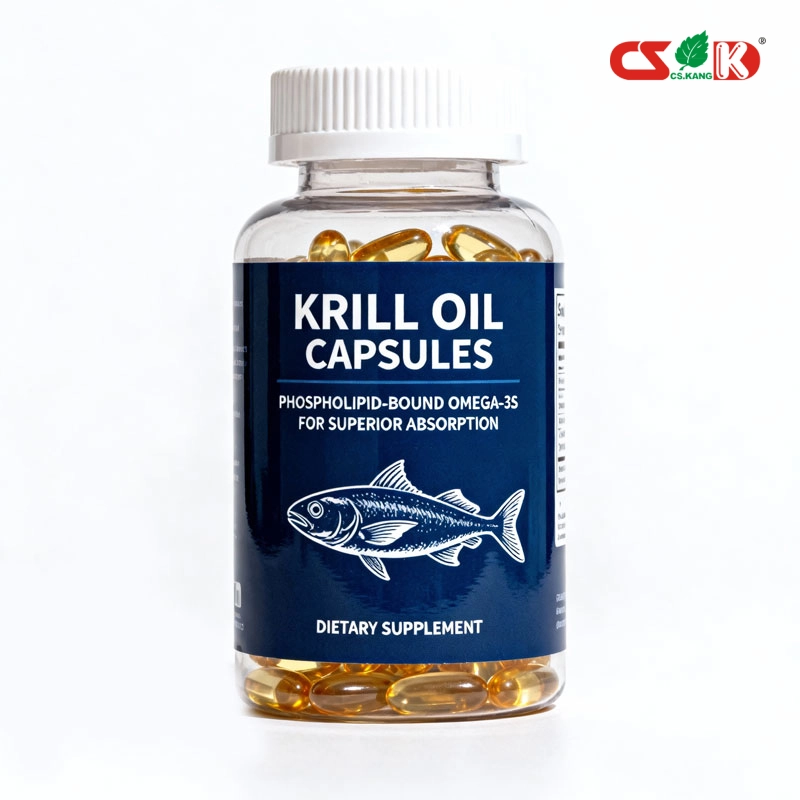
Supports Heart & Brain Health: Krill Oil Rich in EPA & DHA
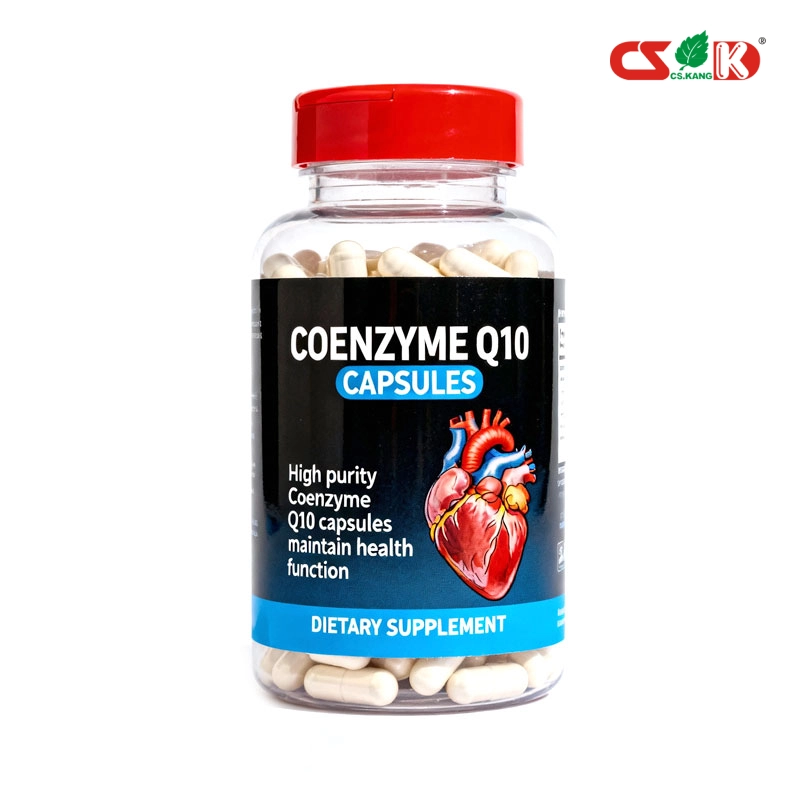
High purity Coenzyme Q10 capsules maintain heart health function

manufactoryinchina
CSK Biotech Dietary Supplements