

Custom private label gummy supplements Manufacturers and Suppliers

- Why Bespoke Gummy Sourcing Requires More Than a Catalog
- Match the product brief to the manufacturing process
- Compare stock formulas with custom development
- Assess supplier capabilities with evidence
- From Product Brief to Approved Production
- Define the development and prototyping gates
- Set specifications, testing, and shelf-life expectations
- Clarify quality and regulatory responsibilities
- Commercial Terms, Logistics, and Long-Term Supply
- Build a realistic landed-cost and delivery plan
- Protect intellectual property and manage change
- Use a regional sourcing checklist before selecting a partner
- Frequently Asked Questions
For brands sourcing private label gummy supplements, the right custom manufacturing partner should demonstrate formulation expertise, documented quality controls, transparent costing, realistic production capacity, and a workable route to market. Buyers should verify ingredient and packaging specifications, review sample and stability-testing plans, confirm ownership of formulas and artwork, and assess the supplier’s ability to meet the regulatory requirements of each destination market. Since no target region was provided for this guide, regional advantages, tariffs, lead times, and compliance obligations must be verified against the actual manufacturing origin and sales destinations rather than assumed.
Why Bespoke Gummy Sourcing Requires More Than a Catalog
Match the product brief to the manufacturing process
Gummy supplements combine food-like sensory qualities with the technical and regulatory expectations of a dietary supplement or other locally defined product category. A workable product brief identifies the intended consumer, benefit positioning, serving size, active ingredients, flavor profile, dietary preferences, target price, pack format, and launch markets. It should also distinguish essential requirements from preferences. For example, a buyer may require a vegan formula and a specific active dose, while color and shape may be flexible. This distinction helps manufacturers assess feasibility before investing in detailed development.
Not every active ingredient behaves well in a gummy. Heat sensitivity, taste, solubility, pH, moisture, and interactions with gelling agents can affect processing, stability, and the amount of active material that can fit into a practical serving. High-dose ingredients may create a large or unpleasant-tasting gummy, while hygroscopic ingredients can contribute to stickiness or shelf-life challenges. Ask the supplier to explain known formulation constraints and the options for addressing them, such as changing the serving size, flavor system, active form, or packaging. A credible partner will describe trade-offs rather than promise that every specification is straightforward.
Compare stock formulas with custom development
Stock products can shorten the path to market, but they may limit differentiation in formula, flavor, shape, or packaging. Custom private label gummy supplements can give a brand more control over the product experience, but typically require additional development work, testing, approvals, and time. The table below can help procurement teams choose an appropriate route; actual costs, minimum order quantities, and timelines vary by supplier and project complexity.
| Buying consideration | Stock or lightly customized product | Custom bespoke product |
|---|---|---|
| Formula | Existing formula, usually with limited changes | Developed to an agreed ingredient and serving brief, subject to feasibility |
| Development time | Often shorter if the product and packaging are available | Includes formulation, sample review, revisions, and validation activities |
| Differentiation | Primarily label, flavor options, or pack presentation | Potentially greater control over formula, sensory profile, and product format |
| Buyer involvement | Lower technical involvement, though claims and labels still need review | Closer collaboration with R&D, quality, regulatory, and packaging teams |
| Key sourcing risk | Limited uniqueness or changes to an established product | Scope changes, longer qualification, and unclear ownership if contracts are weak |
Assess supplier capabilities with evidence
Request a capability review that covers the actual production site, not just the sales office or broker. Establish whether the supplier manufactures gummies in-house, outsources any processing steps, or purchases finished goods from another facility. Ask about batch-size ranges, line capacity, changeover controls, allergen segregation, ingredient sourcing, packaging options, and contingency arrangements for critical inputs. A supplier’s answer should be specific enough to support a technical assessment, while confidential customer information can appropriately remain protected.
Use a structured request for information to compare prospective private label gummy supplements manufacturers and suppliers. Request relevant audit or certification documentation, a sample certificate of analysis, a product specification, a summary of the quality system, and references or examples appropriate to your category. Certifications can support supplier qualification, but their scope, issuing body, covered site, and expiry date should be checked. Do not treat a logo or general statement of compliance as proof that a particular product or facility meets every requirement in your destination market.
From Product Brief to Approved Production
Define the development and prototyping gates
Agree on project stages before formulation begins. A typical sequence is technical review, feasibility assessment, bench sample, sensory evaluation, revisions, pilot or scale-up assessment, final specification approval, and production authorization. Each gate should have a named decision-maker, documented acceptance criteria, and a clear process for recording changes. A sample that tastes good is not automatically a production-ready formula: scale-up can change texture, moisture behavior, process time, and sensory consistency.
For custom private label gummy supplements, sample evaluation should be systematic. Record appearance, aroma, taste, texture, aftertaste, piece weight, and packaging compatibility against agreed criteria. If the product includes an active ingredient with a distinctive taste or odor, evaluate it at the intended use level rather than relying on a flavor-only sample. Confirm which sample version is under review and whether the manufacturer can reproduce it using the proposed production process. This reduces the risk of approving a laboratory sample that does not represent the commercial batch.
Set specifications, testing, and shelf-life expectations
Before commercial manufacture, align on finished-product specifications, ingredient identity and limits, microbiological criteria, physical attributes, packaging requirements, and release documentation. Testing plans should be risk-based and appropriate to the product, ingredients, process, claims, and applicable law. Buyers should ask which tests are performed by the manufacturer, which are subcontracted, how laboratories are qualified, and how out-of-specification results are investigated. A certificate of analysis is useful only when its test methods, acceptance criteria, batch identification, and review process are understood.
Discuss stability and shelf-life evidence early. Gummy products can be sensitive to heat, humidity, oxygen, and light, so packaging selection and storage conditions matter. Ask what data supports the proposed shelf life, whether the study uses the intended commercial packaging, and how changes to formula or pack material are assessed. No supplier should be pressed to assign a shelf life solely because a competitor uses the same number; the evidence must support the particular product and storage conditions.
Clarify quality and regulatory responsibilities
Quality responsibilities are shared, but they should never be vague. The manufacturing agreement and quality agreement should identify who approves suppliers and specifications, manages deviations and complaints, retains samples and records, authorizes label changes, and handles recalls or market withdrawals. For the United States, buyers can review the FDA’s overview of dietary supplement regulation and the applicable 21 CFR Part 111 current good manufacturing practice requirements. These references are not a substitute for market-specific legal review, and requirements differ across jurisdictions and product classifications.
Ask how the facility controls ingredient receiving, identity verification, production records, sanitation, personnel training, traceability, and release decisions. Where relevant, compare the supplier’s food safety system with recognized frameworks such as ISO 22000 food safety management systems, while verifying the scope of any claimed certification directly. The NSF dietary supplement certification and testing resources can also help buyers understand independent assessment options. Certification is one element of due diligence, not a guarantee that every product claim or label is lawful.
Commercial Terms, Logistics, and Long-Term Supply
Build a realistic landed-cost and delivery plan
Because the target region was not specified, no reliable statement can be made here about local freight advantages, tariffs, customs clearance, or standard lead times. Compare suppliers using the actual factory location, delivery destination, shipping mode, customs classification, and agreed Incoterm. Request a cost breakdown that separates formulation or setup charges, ingredients, conversion, packaging, testing, freight, duties, and any warehousing fees. Ask whether quoted pricing depends on a forecast, a minimum order quantity, a specific packaging format, or a defined ingredient source.
Include logistics contingencies in the sourcing review. Confirm how products are protected from temperature and humidity exposure during storage and transit, what shipping documentation is supplied, and who is responsible for export and import steps under the contract. For products sold across multiple countries, check whether labels, permitted claims, ingredient limits, language requirements, and notification obligations vary by destination. A single label or formula should not be presumed suitable worldwide.
Protect intellectual property and manage change
Before disclosing a proprietary concept, define confidentiality obligations and clarify ownership of the formula, product specifications, brand artwork, molds, and any development work paid for by the buyer. Contracts should explain whether the manufacturer can use a formula for other customers, what happens to tooling if production moves, and how confidential records are protected. For custom private label gummy supplements, distinguish between a supplier’s pre-existing know-how and project-specific deliverables; precise wording is more useful than a broad promise of exclusivity.
Establish written change control for ingredients, sub-suppliers, process parameters, site, packaging, and test methods. Require advance notice and approval for changes that could affect safety, quality, regulatory status, sensory attributes, cost, or delivery. Also agree on forecast updates, order confirmation, capacity allocation, minimum remaining shelf life at delivery, rejected-goods handling, and escalation contacts. These terms make a supplier relationship more resilient when demand shifts or an ingredient becomes unavailable.
Use a regional sourcing checklist before selecting a partner
Assess the supplier against the same evidence-based criteria regardless of country. The location may affect transit time, customs exposure, access to ingredients, and regulatory oversight, but those advantages must be verified for the specific route and facility. Score the candidates on technical fit, quality evidence, communication, commercial transparency, business continuity, and delivery performance. Then complete a site or remote audit proportionate to risk, review open findings, and document the approval decision.
For a first order, consider a controlled launch plan rather than committing immediately to the largest volume. Confirm production readiness, final artwork, approved samples, required testing, and release documents before shipment. Track incoming quality, delivery reliability, customer feedback, and complaint trends. This gives procurement and product teams a fact-based basis for scaling orders and deciding whether the partner can support future variants.
Choose a supplier that can substantiate its capabilities, communicate constraints early, and document each agreed product and quality requirement; contact us to discuss your custom project specifications, target markets, and sourcing needs.
Frequently Asked Questions
What information should I provide to get a quote for custom gummy supplements?
Provide your target markets, intended consumer, active ingredients and dose, serving size, dietary requirements, flavor and texture preferences, packaging format, estimated order volume, target price, and launch timing. Separate mandatory requirements from preferences so the manufacturer can assess feasibility and identify trade-offs.
How long does custom gummy supplement development take?
Timing depends on formulation complexity, ingredient availability, sample revisions, testing needs, packaging readiness, and production capacity. Agree on staged milestones for feasibility, sampling, approval, scale-up, and production rather than relying on an unsupported standard lead-time promise.
Can a manufacturer reproduce a prototype exactly at commercial scale?
A prototype is not automatically equivalent to a production batch. Ask whether the approved sample represents the proposed process and require scale-up assessment and documented acceptance criteria for sensory attributes, piece weight, and other relevant specifications.
What quality documents should I request from a supplier?
Request relevant facility and certification documentation, product and ingredient specifications, a sample certificate of analysis, testing details, quality-system information, and the proposed quality agreement. Verify that documents apply to the actual manufacturing site and product, and clarify testing methods and acceptance criteria.
Who owns the custom formula and product artwork?
Ownership and permitted use should be stated in the contract. Define the distinction between the manufacturer’s pre-existing know-how and project-specific deliverables, and address formula use for other customers, artwork, tooling, confidentiality, and what happens if production moves to another supplier.
How should I compare manufacturers in different regions?
Compare the actual factory locations and routes to your destination, then verify freight, customs responsibilities, applicable duties, lead times, market-specific compliance, quality evidence, and continuity plans. No regional advantage should be assumed without route-specific and supplier-specific evidence.
Garcinia Cambogia Capsules: Choosing a Trusted Manufacturer
Custom custom formulation dietary supplements Manufacturers and Suppliers
Minimum Order Quantities and Lead Times for GMP Supplement OEMs
Supply Chain Risk Management for Supplement Manufacturers
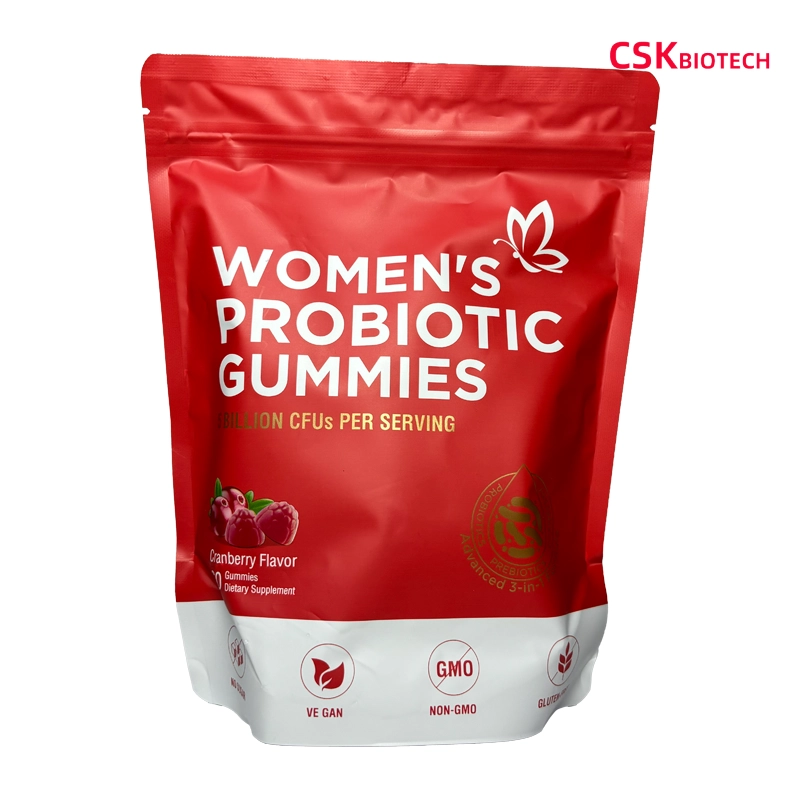
Women's Probiotic Gummies for Intimate & Digestive Wellness | Custom Gummy Manufacturing
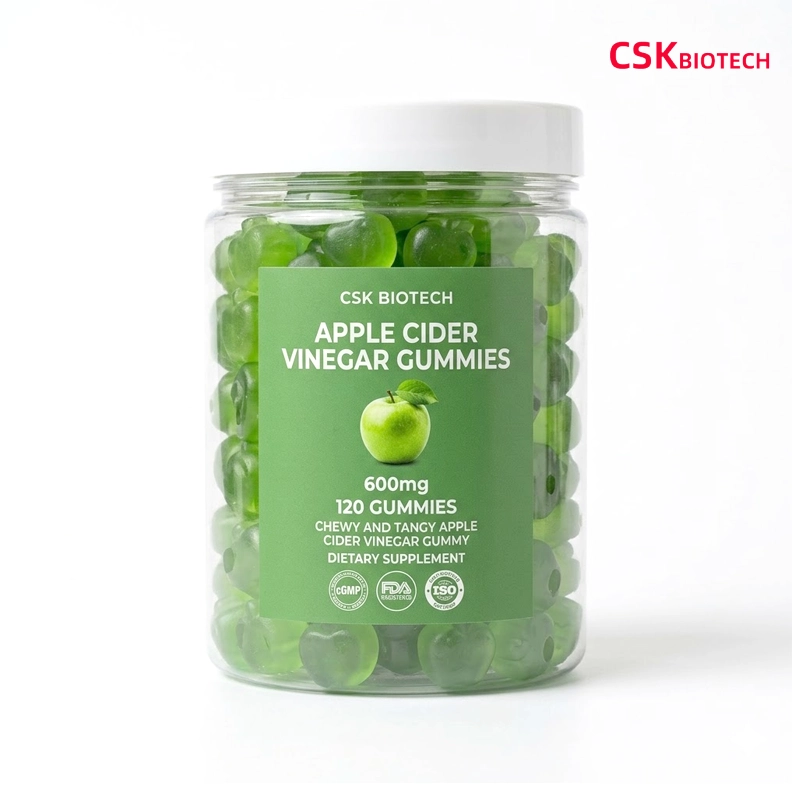
Apple Cider Vinegar Gummies with "The Mother" - Daily Wellness & Digestive Health Support, Apple Flavor - 120 Count
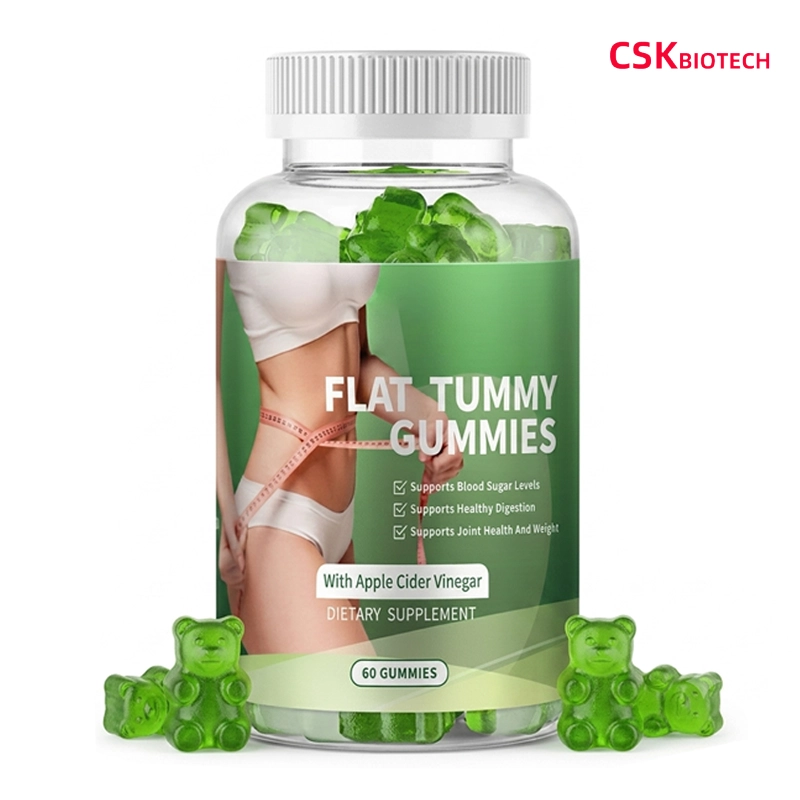
Apple Cider Vinegar Gummies for Digestive and Blood Sugar Support | Custom Gummy Manufacturing
Apple Cider Vinegar Gummies from CSK Biotech offer targeted digestive and blood sugar support in a convenient gummy form. Designed for custom gummy manufacturing, they ensure consistent quality and precise formulation to meet your product development needs.
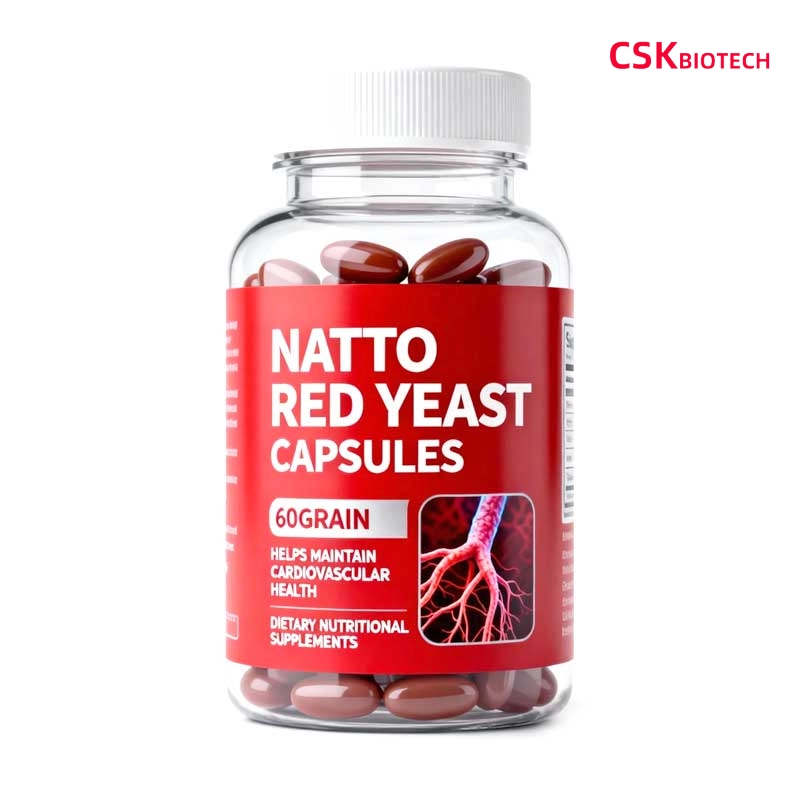
Creatine Gummies Manufacturer for Custom Sports Nutrition Supplements
CSK Biotech manufactures creatine gummies with customizable creatine monohydrate dosage, flavors, textures, colors, bottle packaging, pouch packaging, and private label solutions. Designed for sports nutrition, fitness, and active lifestyle brands, our OEM/ODM service helps you develop market-ready creatine gummy supplements with reliable production and quality control.
Request a Quote for Dietary Supplement Contract Manufacturing
If you need CDMO services for health foods, nutritional supplements, or cosmetics, our team of experts is ready to provide you with customized solutions and quotes.


Contact


cskmanufacture
CSK Biotech Dietary Supplements
Guangzhou Changshengkang Biotechnology Co.,Ltd