

Liquid Melatonin Opportunities for Private-Label Supplement Brands

- Why Brands Are Evaluating Liquid Sleep-Support Formulas
- A differentiated format can broaden portfolio choice
- Market fit depends on the buyer and route to market
- Regulatory planning is part of product design
- Formulation, Packaging, and Quality Factors for a Measured-Serving Product
- Choose a delivery system around product requirements
- Match the dispenser and container to serving accuracy
- Build quality controls into the product specification
- How to Select a Contract Manufacturing Partner and Scale a Brand
- Qualify the supplier before requesting a final quote
- Use development gates to reduce launch risk
- Connect a liquid launch to broader portfolio manufacturing
- Frequently Asked Questions
Liquid melatonin can help private-label supplement brands diversify beyond tablets and capsules with a format designed for measured servings and flexible product positioning. A successful launch requires buyers to validate the intended market and product claims, define a practical serving size, assess taste and stability, select compatible packaging, and confirm manufacturing controls with a qualified supplier. Because regulatory requirements and permissible claims vary by market, formulation and label decisions should be reviewed for each destination before production begins.
Why Brands Are Evaluating Liquid Sleep-Support Formulas
A differentiated format can broaden portfolio choice
Many supplement portfolios are built around tablets, capsules, powders, or gummies. A bottled, measured-serving formula gives brand owners another option for consumers who prefer not to swallow solid dosage forms or who value the ability to measure a serving. That distinction can support a separate product concept, but the format alone does not guarantee demand. Buyers should first define the intended customer, channel, price point, and role of the product within the existing range.
Product positioning also needs careful boundaries. Melatonin is associated with sleep timing and circadian rhythms, but supplement brands should not turn that association into unsubstantiated treatment promises. In the United States, the National Institutes of Health Office of Dietary Supplements consumer fact sheet summarizes what is known about melatonin and notes that research does not establish every use or outcome that marketing language may imply. Buyers should have qualified regulatory reviewers assess claims, warnings, and intended-use language for each market.
Market fit depends on the buyer and route to market
Retail brands may prioritize flavor, portability, shelf appearance, and an easy-to-understand serving instruction. E-commerce brands may need packaging that can withstand shipping and a product page that explains how to measure a serving without overstating benefits. Practitioner-oriented or specialty channels may have different expectations for ingredient documentation and technical information. These differences should be captured in the product brief before a supplier begins development.
Demand should be validated through the brand’s own channel research rather than assumed from the presence of competing products. Useful inputs include retailer assortment reviews, customer feedback, search and conversion data, price comparisons, and discussions with distributors. A measured-serving product may also require consumer education about the dropper, pump, or other dispensing component. That packaging choice affects usability, cost, and the accuracy of the labeled serving.
Regulatory planning is part of product design
Requirements differ across jurisdictions, and supplement classification does not remove the need for compliance review. In the United States, the U.S. Food and Drug Administration’s dietary supplement information explains the regulatory framework and the agency’s role. The manufacturer and brand owner should clarify responsibility for ingredient review, specifications, label approval, adverse-event handling, and market-specific notifications before signing off on a commercial formula.
Label content, serving directions, ingredient declarations, and any required warnings need to match the actual finished product and its intended market. Buyers should avoid treating a label used in one country as automatically suitable elsewhere. Early regulatory review can prevent costly artwork changes, delayed release, or a product concept that cannot be marketed as planned.
Formulation, Packaging, and Quality Factors for a Measured-Serving Product
Choose a delivery system around product requirements
A liquid formula can be developed using different delivery-system approaches, and each creates different technical and commercial considerations. A solution, suspension, or emulsion may differ in how ingredients are distributed, how the product looks, and whether specific handling instructions are needed. The appropriate design depends on ingredient characteristics, target serving, excipients, sensory goals, and the manufacturer’s ability to control the process. Buyers should request a clear explanation of the proposed format rather than assuming every bottled formula behaves the same way.
Flavor and mouthfeel are practical acceptance factors. A development brief should describe flavor direction, sweetness preferences, color expectations, and any ingredients the brand wishes to avoid. Sample evaluation should include the product at the labeled serving, not simply a small taste of the concentrate. If the formula needs shaking or another preparation step, that instruction should be evaluated for clarity and incorporated into packaging and label review.
Match the dispenser and container to serving accuracy
Packaging is part of the dosing system, not just a branding surface. A dropper, oral syringe, metered pump, or other closure may offer different levels of convenience and control. Buyers should confirm how the actual package dispenses the intended serving, whether the markings are legible, and whether consumers can use it consistently. Compatibility testing should consider the formula’s contact with the bottle, closure, liner, and dispensing components over the proposed shelf life.
Packaging decisions also affect leakage risk, breakage, light exposure, shipping weight, and unit economics. Requesting samples of the proposed commercial package can reveal usability issues that are easy to miss during early bench development. For online sales, transport testing and protective packaging should be discussed alongside the bottle specification, since damage or leakage can generate returns and erode customer confidence.
Build quality controls into the product specification
A purchase order should be supported by an agreed product specification that defines identity, strength, serving size, appearance, sensory attributes, microbial requirements where applicable, packaging, and release criteria. Buyers should ask how the manufacturer controls ingredient receipt, batch records, in-process checks, finished-product testing, deviations, and change management. The applicable U.S. dietary supplement manufacturing requirements are set out in 21 CFR Part 111; brands should verify that their supplier’s quality system and responsibilities fit the product and market.
Stability planning should be based on the actual formula and package combination. A supplier should explain the proposed study approach, what attributes will be monitored, and how the results support the labeled shelf life and storage directions. Buyers should also establish how retained samples, complaints, out-of-specification results, and potential recalls will be handled. These operational details are central to protecting continuity after launch.
| Format | Potential buyer advantage | Key procurement consideration |
|---|---|---|
| Bottled measured-serving formula | Offers a non-solid dosage option and a measurable serving format | Validate dispenser accuracy, package compatibility, sensory profile, and use instructions |
| Tablet | Compact format that can be convenient for storage and distribution | Confirm serving design, tablet characteristics, and suitability for the target consumer |
| Capsule or softgel | Provides an alternative to a flavored liquid presentation | Assess shell or capsule specifications, formulation constraints, and package needs |
| Gummy | Can provide a chewable format with a distinct sensory experience | Review texture, taste, serving control, stability, and packaging requirements |
| Powder | Can be positioned for a mix-and-consume preparation routine | Consider mixing directions, flavor, moisture protection, and serving measurement |
The table compares general format considerations rather than asserting that one dosage form is universally superior. Final feasibility depends on the finished formulation, manufacturing process, target market, and evidence supporting the product specification.
How to Select a Contract Manufacturing Partner and Scale a Brand
Qualify the supplier before requesting a final quote
Quotes are difficult to compare when suppliers are pricing different assumptions. Provide a complete brief that includes target serving, ingredient and label goals, intended markets, preferred package, expected order volumes, launch timing, and required documentation. Then ask suppliers to identify development fees, minimum order quantities, lead-time assumptions, testing charges, packaging procurement, and the process for approving changes. A low unit price may not represent the lowest total cost if it excludes testing, artwork support, or package components.
Supplier qualification should cover more than a certificate or sales presentation. Buyers should review quality-system documentation, audit options, batch traceability, complaint handling, and the supplier’s ability to explain how specifications are established and maintained. In the United States, FDA guidance on current good manufacturing practices for dietary supplements provides context for the applicable manufacturing framework. Brands should confirm the scope and relevance of any documents supplied during qualification.
Use development gates to reduce launch risk
A disciplined development plan moves from brief and feasibility review to prototype approval, package selection, specification finalization, label review, pilot or production planning, and release readiness. Each stage should have a named decision owner and written acceptance criteria. For example, prototype approval can document flavor, appearance, dispensing performance, and package choice, while specification approval can lock the test methods and release limits required for commercial production.
Change control deserves special attention. A supplier’s change to an ingredient source, process parameter, package component, or test method may affect product quality, label accuracy, or regulatory status. The quality agreement should define when the brand must be notified, what documentation is provided, and who authorizes implementation. Clear controls reduce the chance that a seemingly minor operational substitution creates a costly market issue.
Connect a liquid launch to broader portfolio manufacturing
In the second half of the product planning process, portfolio fit becomes a commercial advantage. Our manufacturing offering spans tablet supplements manufacture, supplement manufacturing softgels, capsule supplement manufacturing, liquid supplement contract manufacturing, powder supplement manufacturing, and gummy supplement manufacture. For brand owners, the practical value of a multi-format relationship is the ability to evaluate complementary products and align discussions around specifications, packaging, timelines, and quality expectations.
Our team can work with buyers to define a product brief, review delivery-format requirements, and discuss the information needed to scope development and production. A responsible project plan distinguishes confirmed capabilities from items that need feasibility assessment; formulation, volume, packaging, and market requirements determine what can be quoted and on what schedule. Buyers should provide target markets and commercial assumptions early so that technical and regulatory questions are addressed before launch commitments are made.
Private-label owners can also use a staged rollout to manage investment. A brand might validate one core format and channel before adding related products, provided each new formula receives its own technical, quality, and regulatory review. This approach supports more disciplined inventory planning and helps teams learn from sales and customer-service feedback without treating a single successful product as proof that every format will perform identically.
For any supplier relationship, durable value comes from transparent communication, documented specifications, and consistent execution rather than broad claims of superiority. Buyers should compare partners on technical responsiveness, quality documentation, realistic lead times, change management, and the clarity of commercial terms. Those factors are especially important for a product whose consumer experience depends on both the formula and the dispensing package.
Contact our team to discuss your product brief and evaluate manufacturing options for a private-label supplement portfolio.
Frequently Asked Questions
What should a brand define before developing a bottled melatonin supplement?
Define the intended market, target customer, serving size, product positioning, sensory goals, preferred package, expected volumes, launch timing, and documentation requirements. Review claims and labeling for each destination market before production.
How should buyers compare liquid formats with tablets, capsules, gummies, or powders?
Compare the formats against the target consumer, serving method, sensory expectations, packaging, stability, manufacturing feasibility, and unit economics. No format is universally superior; suitability depends on the finished product and market.
Why does the dispenser matter for a measured-serving supplement?
A dropper, oral syringe, metered pump, or other closure affects serving accuracy and ease of use. Buyers should test the actual commercial package, check markings and dispensing performance, and assess formula compatibility with the container and closure.
What quality documentation should a private-label buyer request?
Buyers should review the product specification, ingredient and finished-product controls, batch records, testing and release criteria, stability approach, traceability, deviation handling, complaint processes, and change-control responsibilities.
What should be included in a contract manufacturing request for quotation?
Include the target serving, formula and label goals, intended markets, package preference, estimated order volumes, launch timing, testing needs, documentation expectations, and any development requirements. Ask suppliers to clarify minimum orders, fees, lead times, and quote assumptions.
Can one supplement manufacturer support multiple dosage forms?
Some manufacturers offer multiple formats, such as tablets, softgels, capsules, liquids, powders, and gummies. Buyers should verify the supplier’s specific capabilities and assess feasibility, quality controls, order requirements, and timelines for each product.
Quality Control Processes in Sports Supplement Manufacturing
Choosing Expert Dietary Supplement Makers: Your Blueprint for Brand Success
Garcinia Cambogia Capsules: Choosing a Trusted Manufacturer
Unlocking Your Brand's Potential: The Power of Custom Tablet Formulation Services
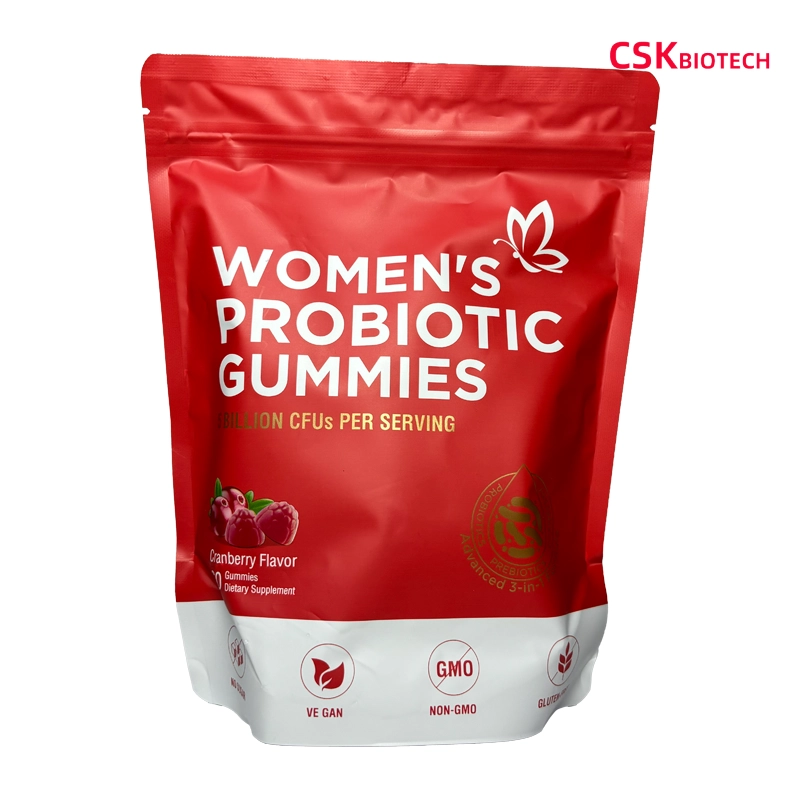
Women's Probiotic Gummies for Intimate & Digestive Wellness | Custom Gummy Manufacturing
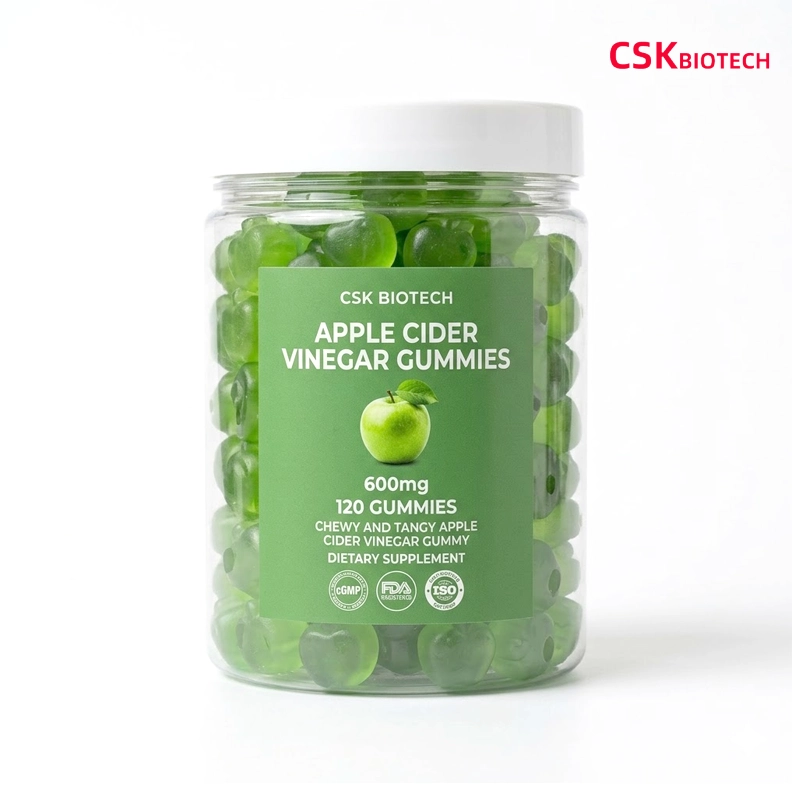
Apple Cider Vinegar Gummies with "The Mother" - Daily Wellness & Digestive Health Support, Apple Flavor - 120 Count
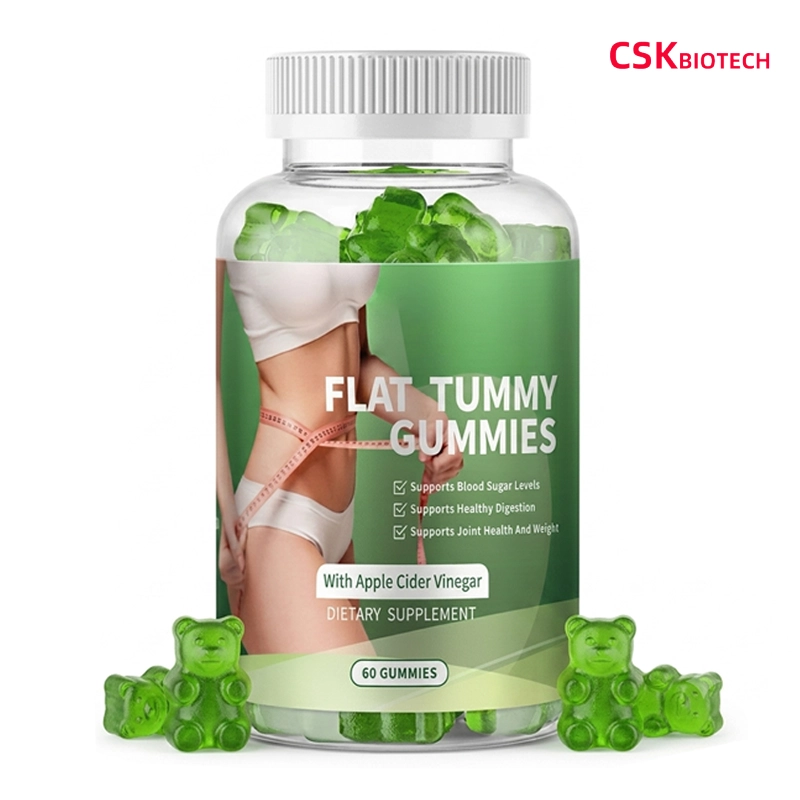
Apple Cider Vinegar Gummies for Digestive and Blood Sugar Support | Custom Gummy Manufacturing
Apple Cider Vinegar Gummies from CSK Biotech offer targeted digestive and blood sugar support in a convenient gummy form. Designed for custom gummy manufacturing, they ensure consistent quality and precise formulation to meet your product development needs.
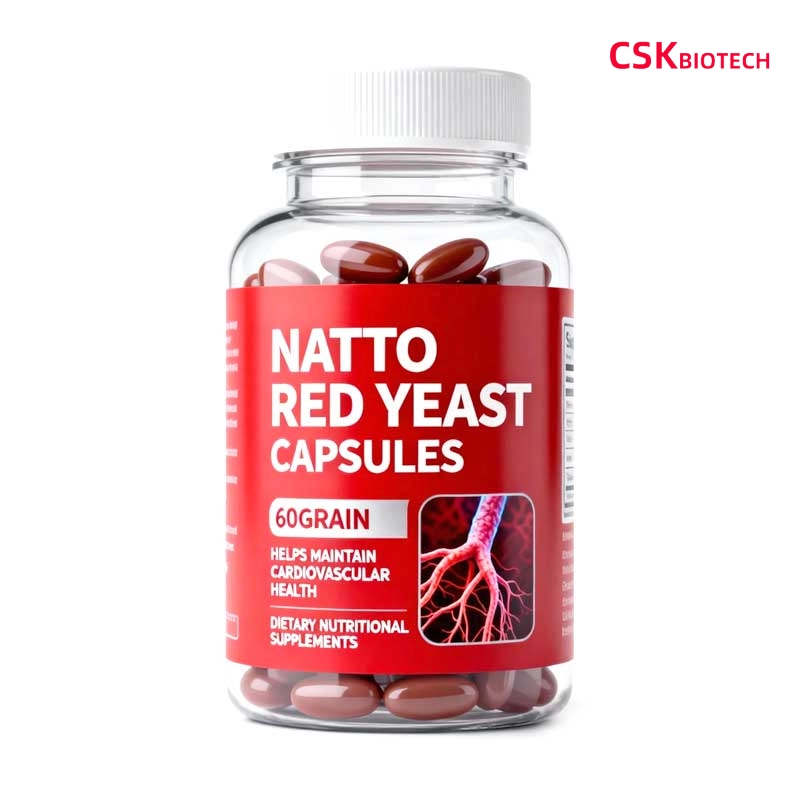
Creatine Gummies Manufacturer for Custom Sports Nutrition Supplements
CSK Biotech manufactures creatine gummies with customizable creatine monohydrate dosage, flavors, textures, colors, bottle packaging, pouch packaging, and private label solutions. Designed for sports nutrition, fitness, and active lifestyle brands, our OEM/ODM service helps you develop market-ready creatine gummy supplements with reliable production and quality control.
Request a Quote for Dietary Supplement Contract Manufacturing
If you need CDMO services for health foods, nutritional supplements, or cosmetics, our team of experts is ready to provide you with customized solutions and quotes.


Contact


cskmanufacture
CSK Biotech Dietary Supplements
Guangzhou Changshengkang Biotechnology Co.,Ltd