

Custom liquid probiotic supplement for children Manufacturers and Suppliers

- Why Bespoke Development Matters in a Competitive Children’s Wellness Market
- Translate the product brief into measurable requirements
- Choose a formulation strategy that protects viability
- Compare standard products with a bespoke program
- From Prototype to Production: Technical and Quality Due Diligence
- Use staged development gates
- Audit the quality system and manufacturing controls
- Verify testing, stability, and change control
- Regional Sourcing, Contracts, and Delivery Planning
- Evaluate the actual manufacturing and sales corridors
- Qualify packaging and shipping for the destination
- Set commercial protections and a practical supplier scorecard
- Frequently Asked Questions
For brands developing a liquid probiotic supplement for children, the right custom manufacturing partner should connect strain and formulation choices with documented quality controls, stability evidence, child-appropriate packaging, and a realistic route to market. Buyers should verify the manufacturer’s experience with live microorganisms and liquid dosage forms, define viable-count requirements through the end of shelf life, agree on testing and change-control responsibilities, and assess shipping conditions and import requirements for their destination. Because no target region was specified for this sourcing brief, regional advantages, tariffs, and regulatory obligations should be confirmed for the actual manufacturing and sales markets rather than assumed.
Why Bespoke Development Matters in a Competitive Children’s Wellness Market
Translate the product brief into measurable requirements
A custom project should begin with a written product brief, not a flavor sample or a supplier’s catalogue. Specify the intended consumer age range, format, serving instructions, desired strains or strain characteristics, target viable count, pack size, flavor profile, allergens to exclude, and intended storage conditions. Clarify whether the product is a food supplement, dietary supplement, or another category in each destination market; legal classifications and permitted claims vary by jurisdiction. The brief should also identify the brand’s evidence standard for product claims and the markets in which labels will be sold.
For a liquid probiotic supplement for children, strain identity is a core specification. A species name alone may not adequately describe the organism used in a formula: buyers should request strain-level identification and supporting documentation, and confirm that the strain is suitable for the intended product and market. The supplier should explain how the selected organisms behave in the proposed liquid matrix, including their compatibility with acidity, preservatives, sweeteners, flavor systems, and any other active ingredients. Do not assume that a strain used in a capsule will remain stable in a liquid.
Choose a formulation strategy that protects viability
Liquid formats can be convenient for caregivers, but they create formulation and distribution challenges. Moisture, oxygen exposure, pH, temperature, and interactions with excipients can affect microbial viability over time. A manufacturer should describe the technical rationale for the base formula and identify the conditions that could reduce viable counts. Ask whether the product is designed for refrigeration or ambient storage, how the bottle closure limits contamination and air ingress, and whether the serving method introduces risks after opening.
Define the probiotic quantity as a guaranteed minimum at the end of shelf life, not simply a production-day target. The manufacturer may need to establish an appropriate overage based on data, but any overage should be supported by stability findings and documented in the agreed specification. Buyers should request the test method, sampling plan, acceptance limits, and reporting format for identity, potency or viable count, and relevant microbiological quality attributes. A claim such as “live cultures” is not a substitute for an explicit, testable product specification.
Compare standard products with a bespoke program
Off-the-shelf products can shorten initial development, while custom manufacturing gives a brand more control over formulation and presentation. The choice should reflect the project’s commercial need, evidence requirements, and capacity to manage development and regulatory review. A private-label product is not automatically suitable for a children’s product or for every target market; the buyer remains responsible for confirming that its intended use, label, and claims are appropriate.
| Decision area | Standard or private-label product | Custom bespoke product |
|---|---|---|
| Formula | Uses an existing formula with limited changes | Developed or adapted against a documented brief |
| Development time | Often shorter if stock and documentation are available | Includes feasibility work, samples, and validation |
| Strains and viable count | Constrained by the existing product specification | Can be tailored, subject to feasibility and evidence |
| Packaging and flavor | Usually limited to established options | Can be selected and tested for the product requirements |
| Buyer responsibilities | Still includes label, market, and claim review | Includes clearer joint development and change-control duties |
From Prototype to Production: Technical and Quality Due Diligence
Use staged development gates
Agree on development stages before authorizing full production. A typical sequence includes technical feasibility, laboratory prototypes, sensory review, packaging compatibility work, pilot or scale-up batches, and commercial manufacture. At each gate, define the decision-maker, deliverables, review period, and criteria for acceptance. A prototype approval should capture the actual formula version, flavor, appearance, packaging configuration, and any agreed handling instructions. Otherwise, differences between a bench sample and a production batch can become difficult to resolve.
For a liquid probiotic supplement for children, sensory testing should involve the intended use context without compromising product safety or making unsupported health claims. Evaluate taste, odor, texture, pourability, dose measurement, and caregiver instructions. Confirm that proposed ingredients are permitted for the product category and intended population in each market. If the manufacturer suggests flavor masking or sweeteners, request the complete ingredient rationale and verify the final ingredient list with the brand’s regulatory reviewer.
Audit the quality system and manufacturing controls
Request evidence of the site’s quality management system and the controls applicable to the product, rather than relying on a general capability statement. Review supplier qualification, incoming-material identity checks, batch records, sanitation procedures, environmental or microbiological monitoring where relevant, deviation handling, corrective and preventive actions, complaint investigations, and traceability. Determine whether probiotic raw materials are handled under controls that prevent mix-ups and whether the site can demonstrate lot-level reconciliation from incoming culture through finished goods.
Regulatory expectations depend on where the product is manufactured and sold. For example, US dietary supplement manufacturers should understand the applicable requirements in 21 CFR Part 111 current good manufacturing practice regulations; this is a US-specific reference, not a universal approval or certification. A quality system based on ISO 22000 food safety management principles may provide a useful framework, but certification alone does not prove that a particular formulation is suitable or compliant. Ask for current certificates, scope, issuing body, audit status, and any exclusions.
Verify testing, stability, and change control
Review how the supplier will confirm identity and viable count, and whether the methods are appropriate for the organisms and liquid matrix. Agree on finished-product release tests, reference standards, sample retention, out-of-specification investigations, and certificate-of-analysis content. Where claims or specifications depend on a particular analytical method, define the method and acceptance criteria in the quality agreement. Testing should be documented and traceable to the finished lot.
Stability work should reflect the proposed formulation, container, closure, and storage instructions. Ask for a protocol covering the intended shelf life and relevant storage conditions, along with the evidence used to set an expiry date. Accelerated studies can support development decisions but should not automatically be treated as a replacement for appropriate real-time data. The International Scientific Association for Probiotics and Prebiotics provides scientific resources on probiotics; buyers should distinguish general scientific information from product-specific substantiation. For a liquid probiotic supplement for children, written change control is particularly important: changes to strains, culture suppliers, excipients, process parameters, packaging, or test methods may affect performance and should require agreed review and approval.
Regional Sourcing, Contracts, and Delivery Planning
Evaluate the actual manufacturing and sales corridors
Regional sourcing can offer shorter transit routes, easier technical communication, or access to local packaging and testing services, but these benefits depend on the specific origin and destination. Since the target region is not identified here, buyers should compare candidate locations using verified route schedules, freight quotations, customs requirements, delivery performance, and the product’s storage needs. Do not treat geographic proximity as proof that a supplier can maintain the required temperature or transit time.
Before placing an order, map each leg of the journey: factory release, domestic transport, export clearance, international freight, import clearance, and final delivery. Confirm who books transport, who monitors conditions, how exceptions are reported, and what happens if a shipment is delayed or exposed to temperatures outside the agreed limits. Obtain the applicable tariff classification and duty estimate from a qualified customs broker or relevant authority; classification depends on the product’s composition and local rules. Also check whether destination-market registrations, language requirements, or import permits apply before production begins.
Qualify packaging and shipping for the destination
Packaging must protect the product and support accurate use. Review bottle material, closure integrity, tamper evidence, light protection where needed, label adhesion, and compatibility with the liquid formula. If refrigeration is required, specify the allowable temperature range, evidence required during transit, and disposition rules for excursions. If the product is intended for ambient distribution, request stability evidence that supports that storage claim under the planned logistics conditions. Ensure that cartons and pallet configurations are suitable for the carrier and retail channel.
For a liquid probiotic supplement for children, instructions should be clear for caregivers, including storage before and after opening, serving measurement, and any use-by period after opening where applicable. The manufacturer and brand owner should agree who reviews translations, artwork, warnings, and country-specific mandatory label elements. An approved label proof should be linked to the product version and market; avoid reusing artwork across jurisdictions without a regulatory check.
Set commercial protections and a practical supplier scorecard
Contract terms should cover ownership of custom formulas and project records, confidentiality, permitted use of buyer-provided specifications, minimum order quantities, lead times, forecast commitments, cancellation terms, rejected batches, recall cooperation, insurance, and dispute handling. Clarify whether the manufacturer may substitute raw-material suppliers and how such changes are notified and approved. IP language should distinguish pre-existing supplier know-how from buyer-funded developments, and the contract should state how technical files and samples are handled if the relationship ends.
Score suppliers against evidence, not presentation quality. A practical evaluation can include relevant liquid-product experience, strain sourcing and traceability, development responsiveness, test capability, quality-system scope, stability plan, capacity, subcontractor oversight, documentation quality, and logistics readiness. Request references or relevant case evidence where confidentiality permits. A supplier that openly identifies technical limitations and proposes a staged verification plan may be a stronger partner than one that promises rapid launch without discussing stability, regulatory review, or scale-up risks.
Before signing, hold a cross-functional review with procurement, quality, regulatory, product development, and logistics. Close gaps in the specification and quality agreement, assign owners to unresolved regulatory questions, and document all assumptions that affect cost or launch timing. A well-managed custom program makes responsibilities visible: the manufacturer controls the agreed process and records, while the brand remains accountable for its market strategy, label, claims, and final decision to commercialize.
Contact us with your product brief, target markets, packaging preferences, and quality requirements to discuss a custom manufacturing plan for your project.
Frequently Asked Questions
What information should I provide when requesting a custom liquid probiotic supplement for children?
Provide the intended age range, target markets, desired strains or strain characteristics, target viable count, flavor, serving format, pack size, storage expectations, allergens to exclude, claims strategy, and anticipated order volumes. The manufacturer can use this brief to assess feasibility and identify missing technical or regulatory requirements.
How should the probiotic quantity be specified?
Specify a guaranteed minimum viable count through the end of shelf life, with the test method, sampling plan, and acceptance criteria documented. Any production overage should be supported by stability data rather than treated as a substitute for an end-of-shelf-life guarantee.
What stability evidence should I request for a liquid product?
Request the stability protocol and results for the proposed formula in its intended packaging, including the storage conditions and duration used to support the expiry date. Confirm how real-time data, any accelerated studies, and post-opening instructions support the proposed label and distribution conditions.
Which quality documents should a manufacturer provide?
Ask for relevant quality-system certificates and their scope, product specifications, representative certificates of analysis, batch and traceability procedures, testing methods, deviation and complaint procedures, and a quality agreement defining release, change control, and investigation responsibilities.
How do I assess regional shipping and import risks?
Map each transport and customs step between the manufacturing site and destination. Verify transit times, storage conditions, temperature monitoring where needed, import documentation, market-specific requirements, and tariff classification with qualified logistics or customs professionals.
Who owns the custom formula and development records?
Ownership depends on the negotiated contract. Define the treatment of buyer-funded developments, pre-existing manufacturer know-how, confidential information, formula access, technical records, and the parties’ rights to use or transfer those materials if the manufacturing relationship ends.
What are the different types of nutritional supplements?
Partnering for Purity: Your Guide to Choosing a Natural Supplement Manufacturer
Sustainable Sourcing and Clean Label Manufacturing
Market Trends: Demand Forecast for Magnesium Supplements
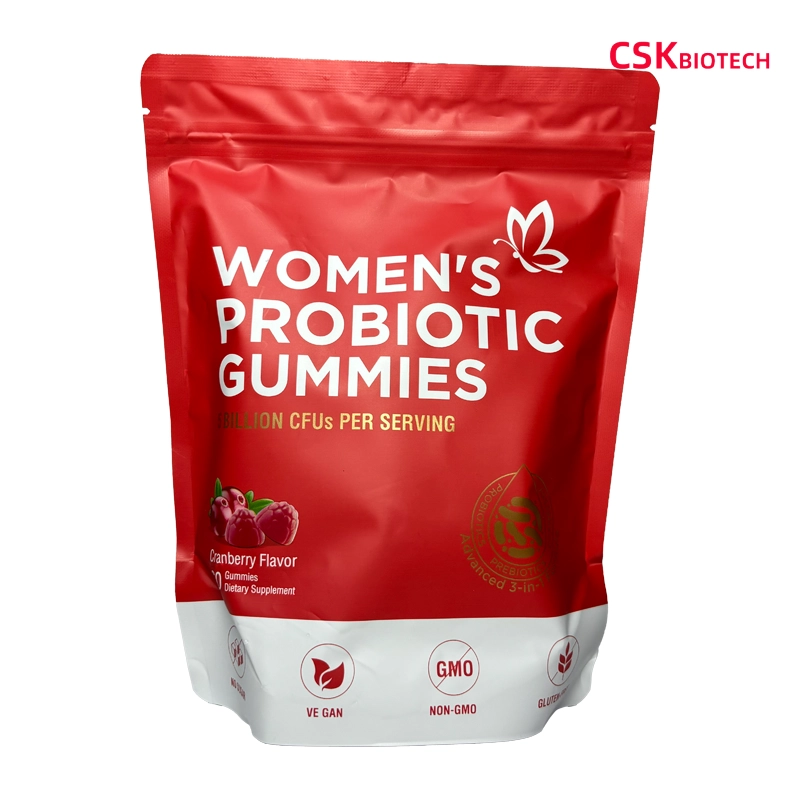
Women's Probiotic Gummies for Intimate & Digestive Wellness | Custom Gummy Manufacturing
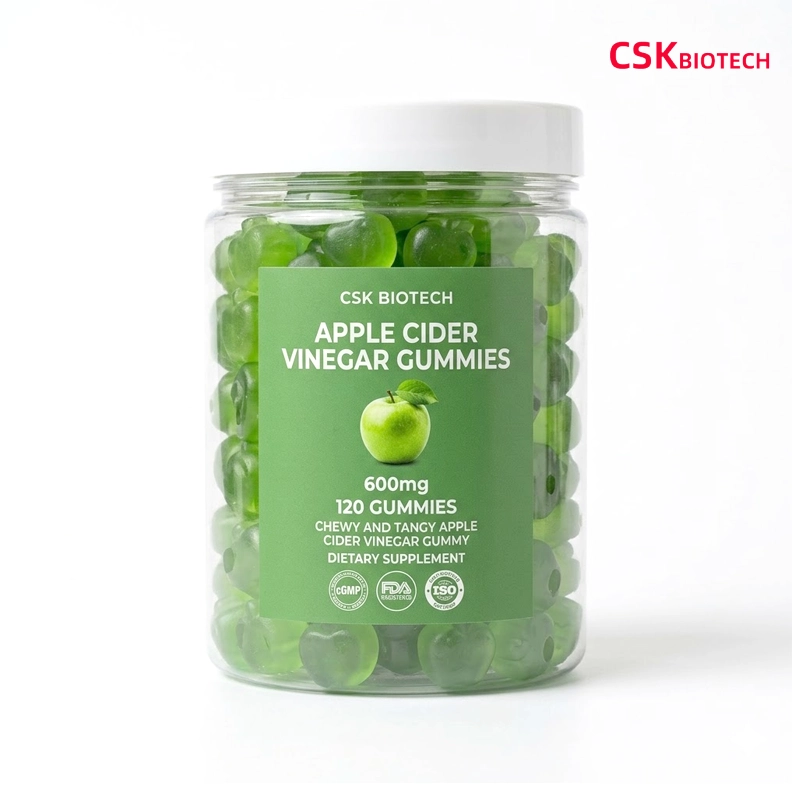
Apple Cider Vinegar Gummies with "The Mother" - Daily Wellness & Digestive Health Support, Apple Flavor - 120 Count
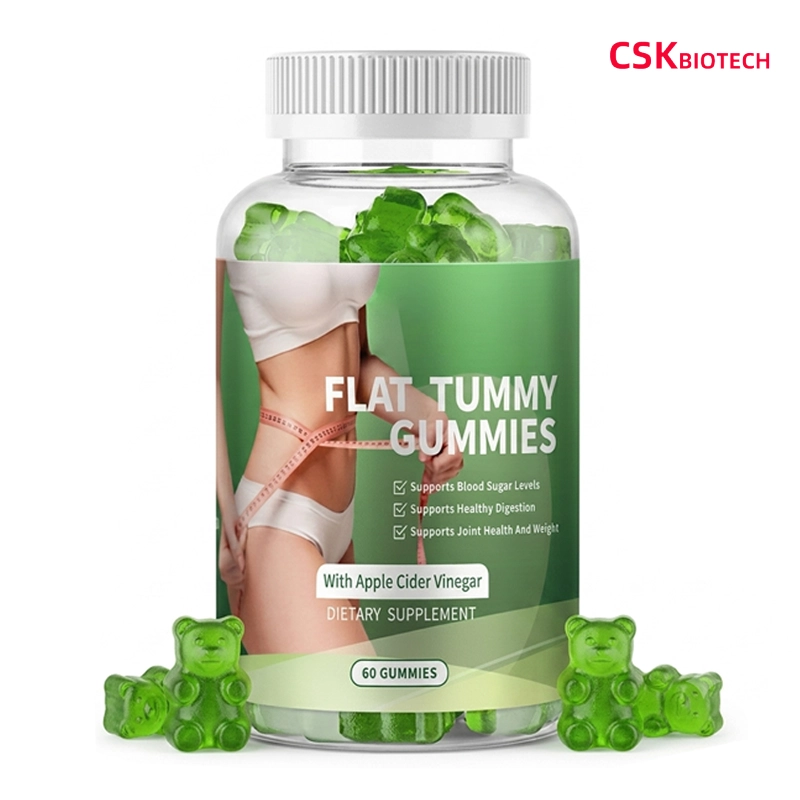
Apple Cider Vinegar Gummies for Digestive and Blood Sugar Support | Custom Gummy Manufacturing
Apple Cider Vinegar Gummies from CSK Biotech offer targeted digestive and blood sugar support in a convenient gummy form. Designed for custom gummy manufacturing, they ensure consistent quality and precise formulation to meet your product development needs.
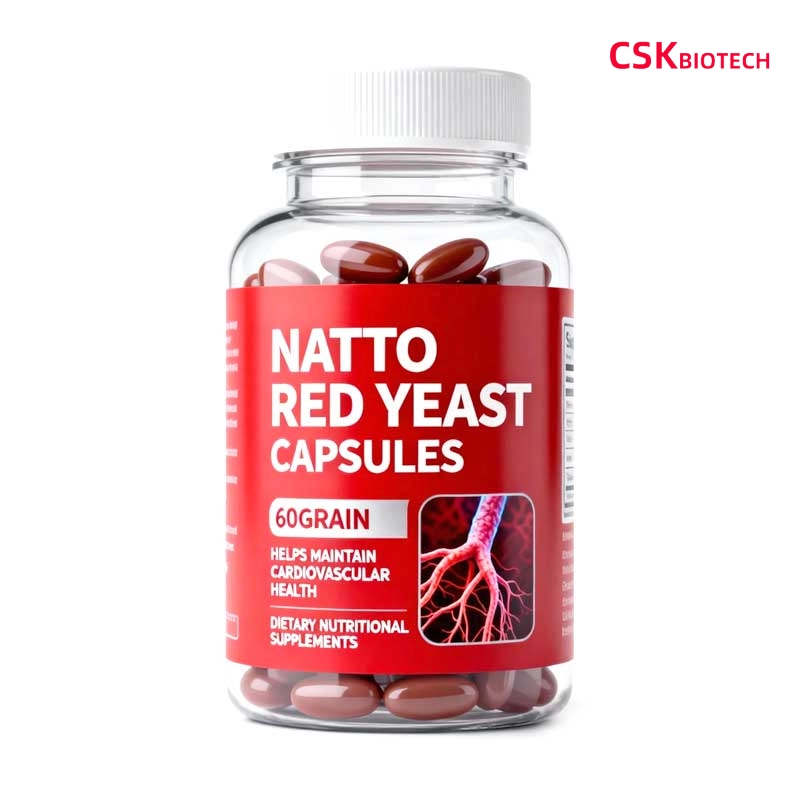
Creatine Gummies Manufacturer for Custom Sports Nutrition Supplements
CSK Biotech manufactures creatine gummies with customizable creatine monohydrate dosage, flavors, textures, colors, bottle packaging, pouch packaging, and private label solutions. Designed for sports nutrition, fitness, and active lifestyle brands, our OEM/ODM service helps you develop market-ready creatine gummy supplements with reliable production and quality control.
Request a Quote for Dietary Supplement Contract Manufacturing
If you need CDMO services for health foods, nutritional supplements, or cosmetics, our team of experts is ready to provide you with customized solutions and quotes.


Contact


cskmanufacture
CSK Biotech Dietary Supplements
Guangzhou Changshengkang Biotechnology Co.,Ltd