

Custom herbal dietary supplement Manufacturers and Suppliers

- Why Regional Sourcing Gives Brands a Strategic Edge
- Shorter Supply Chains and Predictable Logistics
- Communication, Audits and Regulatory Alignment
- Raw Material Traceability from Field to Finished Goods
- Custom Formulation and Prototyping Capabilities
- Ingredient Selection and Standardized Extracts
- Prototyping, Pilot Samples and Stability Testing
- Dosage Forms and Low-MOQ Pilot Runs
- Quality Systems and Compliance Standards
- cGMP, Identity Testing and Contaminant Control
- Labeling, Claims and Market Entry Rules
- Certifications, Documentation and Audit Readiness
- Regional vs. Offshore vs. Standard Catalog Sourcing
- Conclusion
- Frequently Asked Questions
Custom herbal dietary supplement manufacturing combines botanical sourcing, extraction science, formulation, cGMP production and regulatory labeling in one OEM/ODM workflow. Buyers who work with a regional manufacturer gain shorter lead times, lower freight exposure, simpler customs handling, direct access to formulators and faster prototype approval. This guide explains how a custom herbal dietary supplement project moves from concept to finished goods. It covers the compliance frameworks that apply (21 CFR Part 111, DSHEA, ISO 22000, WHO GACP) and compares regional and offshore sourcing. The key decision factors are ingredient identity testing, standardized extract specifications, flexible pilot-batch MOQs and documented traceability.
Why Regional Sourcing Gives Brands a Strategic Edge
Brand owners rarely lose money because a formula is weak. They lose it through delayed shipments, mismatched specifications and slow communication with a distant factory. Working with a regional manufacturing partner addresses these three problems directly, and the benefits compound over repeat orders.
Shorter Supply Chains and Predictable Logistics
Ocean freight from overseas plants commonly adds several weeks to a production cycle once port congestion, customs clearance and inland transport are counted. Powders, capsules and tablets are shelf-stable, but a late container still means missed retail windows and emergency air freight. A regional facility shortens the route, reduces the number of handoffs and lets you consolidate shipments. It also often means fewer cross-border duties, depending on the trade agreements between your market and the plant. For a herbal dietary supplement with seasonal demand, such as immune support in autumn, this predictability protects margin and inventory planning.
Communication, Audits and Regulatory Alignment
Time-zone overlap, shared business hours and the option to visit the plant change how fast problems get solved. When a certificate of analysis shows a marker compound below specification, your quality manager can call the production lead the same day instead of waiting for an overnight email chain. Regional suppliers are also more familiar with the labeling and import rules of neighboring markets, which reduces rejected shipments caused by documentation errors. On-site or live-video audits of the blending room, extraction area and warehouse are far easier to schedule than long-haul inspections.
Raw Material Traceability from Field to Finished Goods
Botanicals are agricultural products, so species, harvest conditions and post-harvest handling affect the final product. The World Health Organization publishes WHO guidelines on good agricultural and collection practices (GACP) for medicinal plants, which describe how cultivation, harvesting and drying should be documented. A capable regional manufacturer maps each lot back to its grower or collector, records the plant part used (root, leaf, flower or seed) and keeps retained samples. This chain of custody matters when you need to answer a retailer audit or investigate an adverse-event report.
Custom Formulation and Prototyping Capabilities
Private-label catalogs are fine for testing a market. Brands that want differentiation need a manufacturer that can develop original formulas, adjust potency and solve technical problems such as taste, flowability and ingredient interactions.
Ingredient Selection and Standardized Extracts
The first formulation decision is whether to use a whole-herb powder or a standardized extract. Extracts are described by a drug-extract ratio (for example 10:1) and often by a marker compound, such as withanolides in ashwagandha, curcuminoids in turmeric or ginsenosides in ginseng. A good formulator explains what each specification means in practice. A 95% curcuminoid extract and a raw turmeric powder differ greatly in dose per capsule, cost and label claims. The formulator should also check solvent residues, excipient compatibility and the dose needed to deliver the claimed amount per serving. Each herbal dietary supplement formula should come with a written specification sheet covering botanical name, plant part, extraction method, marker content and contaminant limits.
Prototyping, Pilot Samples and Stability Testing
Prototyping should be a structured stage, not a single sample. A typical sequence starts with a bench-scale sample for approval of color, aroma, dissolution and flow behavior. Next comes a pilot batch that tests how the blend behaves on production equipment, because a mix that fills well in a lab can bridge or segregate at scale. The final stage is stability testing under accelerated and real-time conditions to support shelf-life dating. Botanical powders are hygroscopic and sensitive to oxidation, so moisture control, desiccants and barrier packaging need attention during this stage. Regional proximity speeds up revision cycles, because physical samples reach you in days rather than weeks.
Dosage Forms and Low-MOQ Pilot Runs
Custom projects can use capsules, tablets, softgels, powders, stick packs, liquids or gummies, and each format limits what you can include. Bulky herbal powders, for example, may need a larger capsule size or a split dose. Many brands start with a smaller pilot run to validate demand before committing to full-scale production, and a flexible manufacturer will quote MOQs by format rather than applying one fixed number. Ask for a written breakdown of MOQs for each dosage form, packaging components and label printing, because component minimums often decide the real entry cost.
Quality Systems and Compliance Standards
Compliance is where reliable herbal dietary supplement manufacturers separate themselves from trading companies. A claim of quality means little without documents, test data and audit history to back it up.
cGMP, Identity Testing and Contaminant Control
In the United States, dietary supplement manufacturing is governed by 21 CFR Part 111 current good manufacturing practice requirements. The rule requires manufacturers to establish specifications, verify the identity of each dietary ingredient, keep batch production records and investigate deviations. Botanicals call for particular care. Adulteration, substitution and contamination with heavy metals, pesticides, mycotoxins and microbes are well-known risks. Qualified suppliers combine methods such as HPTLC or HPLC fingerprinting, microscopy and ICP-MS elemental analysis with third-party laboratory verification where needed. Always request certificates of analysis for finished lots and ask how out-of-specification results are handled.
Labeling, Claims and Market Entry Rules
In the U.S., the Dietary Supplement Health and Education Act of 1994 (DSHEA) defines the framework, and the FDA does not approve dietary supplements before they are sold. The manufacturer or brand is responsible for safety and truthful labeling. Structure/function claims must include the standard disclaimer and be notified to the agency, and new dietary ingredients may require a premarket notification. The agency summarizes these obligations on its FDA dietary supplements page. Other markets set their own rules. The EU, for instance, regulates food supplements under Directive 2002/46/EC and has separate rules on botanicals and health claims. A regional partner that already exports to your market can check Supplement Facts panels, allergen statements and permitted claims before artwork goes to print. For background on how this product category is defined globally, see the Wikipedia overview of dietary supplements.
Certifications, Documentation and Audit Readiness
Beyond cGMP, many buyers look for a food safety management system aligned with ISO 22000 food safety management, along with documented supplier approval, allergen control, pest control and recall procedures. Retail and marketplace sellers often ask for third-party audit reports and product-level testing. Before signing, request the facility's most recent audit summary, the corrective action history and a sample batch record. Confirm that your formula will be produced in a way that prevents cross-contact with allergens or other products. These documents show how the factory runs day to day, which a brochure cannot.
Regional vs. Offshore vs. Standard Catalog Sourcing
The table below compares how three common sourcing models perform on the factors that most affect a custom herbal dietary supplement program. Actual figures vary by product and trade lane, so treat them as planning guidance and confirm in writing.
| Factor | Regional Custom Manufacturer | Offshore Custom Manufacturer | Standard Catalog / Stock Formula |
|---|---|---|---|
| Typical transit time | Days to about 2 weeks | Often 4 to 8 weeks by sea | Varies by seller |
| Tariff and customs complexity | Often lower under regional trade agreements | Higher; depends on origin and product code | Depends on origin |
| Formula ownership and uniqueness | Original formula, exclusive to CSK Biotech | Original formula, exclusive to CSK Biotech | Shared with other buyers |
| Prototype turnaround | Fast; physical samples arrive quickly | Slower; courier and customs delays | Immediate for existing stock |
| Communication and audits | Overlapping hours; easy site visits | Time-zone gaps; costly travel | Limited technical access |
| Pilot run flexibility | Smaller trial batches often possible | Higher MOQs are common | Low MOQ, but little customization |
| Regulatory fit for local market | Label and claim review for local rules | Needs extra verification | Generic label, may need rework |
Conclusion
Choosing a custom manufacturer is both a technical and a commercial decision. A regional OEM/ODM facility gives you shorter supply lines, faster prototype cycles, clearer communication and easier compliance checks. It also lets you build a formula that is yours alone, supported by specifications, testing and traceable botanical sourcing. When you evaluate partners for your next herbal dietary supplement, ask for sample documentation, a clear MOQ structure by dosage form and evidence of quality systems. These show whether a supplier can solve real production problems rather than just quote a price.
Contact us today to request a custom quote or start your prototyping service.
Frequently Asked Questions
What is the typical MOQ for a custom herbal dietary supplement?
MOQs depend on the dosage form, the ingredients and the packaging components. Capsules and powders generally allow smaller pilot runs than softgels or gummies, and label or bottle minimums can set the real floor. Ask for a written MOQ breakdown by format before you approve a formula.
How long does prototyping usually take?
A bench-scale sample is often ready within a few weeks, depending on ingredient availability and the complexity of the formula. Pilot batches and stability testing add more time. Working with a regional manufacturer shortens sample shipping and revision cycles.
Which compliance standards should a herbal supplement manufacturer meet?
For the U.S. market, look for compliance with 21 CFR Part 111 cGMP requirements, including identity testing of each dietary ingredient. Many buyers also look for a food safety system aligned with ISO 22000 and for third-party audit reports. Other markets, such as the EU, apply their own supplement and botanical rules.
Can I own an exclusive formula?
Yes, in custom OEM/ODM projects the formula can be developed specifically for your brand. Confirm ownership, confidentiality and exclusivity terms in a written agreement before development begins.
How does regional sourcing reduce logistics costs?
Shorter transit routes mean lower freight exposure, fewer handoffs and less port-related delay. Depending on applicable trade agreements, it can also reduce tariff and customs complexity. Always verify duty rates for your specific product classification.
How to Choose a Liquid Melatonin Manufacturer for a Private-Label Supplement Line
Custom best food supplement company gmp certified Manufacturers and Suppliers
Sustainable Capsule Manufacturing: Eco-Friendly Materials
Bulk Supply Options for Compound Magnesium Capsules OEM
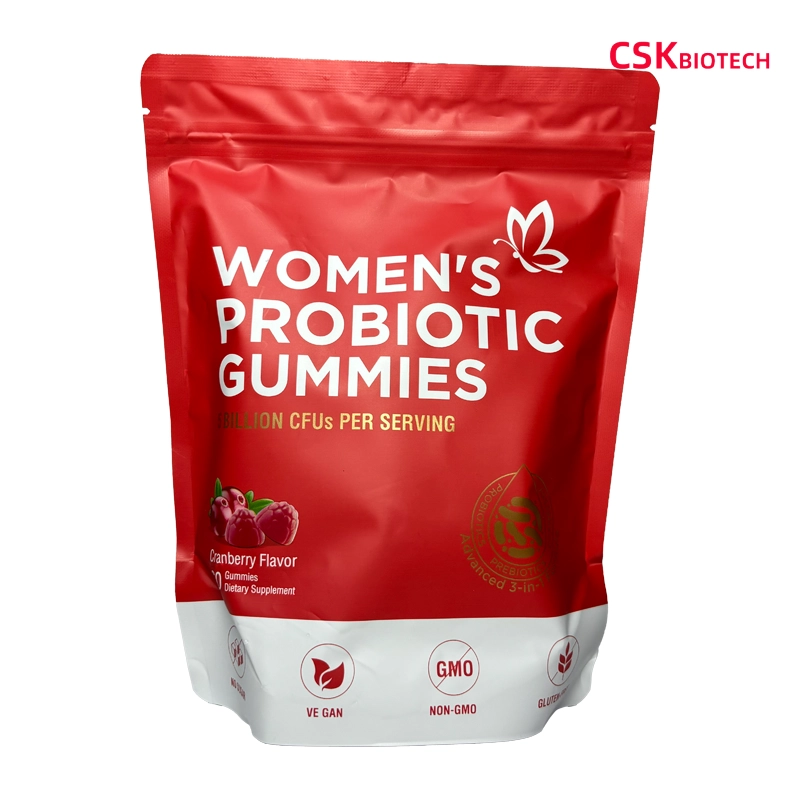
Women's Probiotic Gummies for Intimate & Digestive Wellness | Custom Gummy Manufacturing
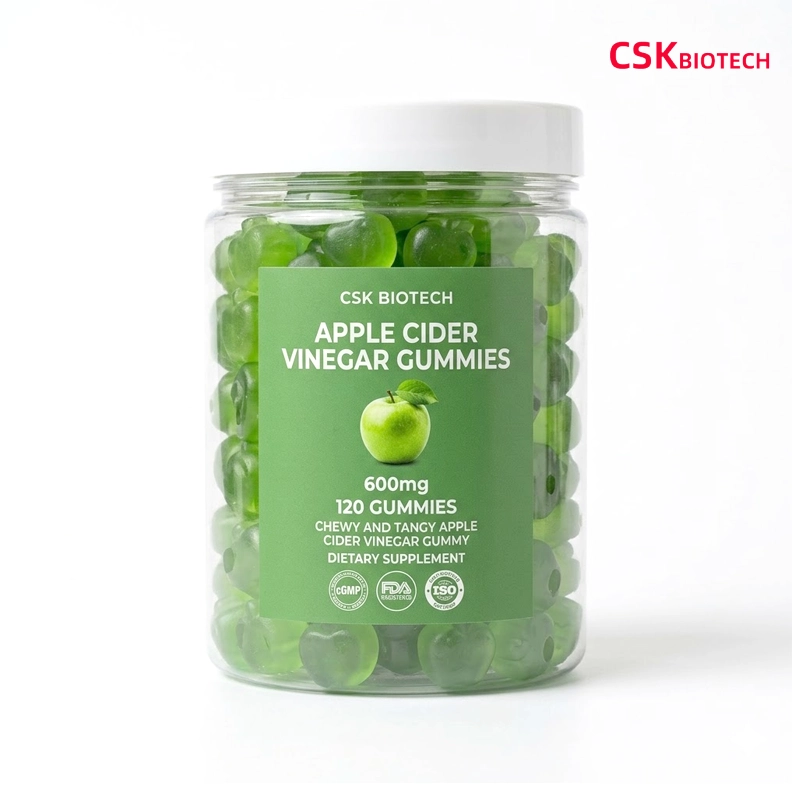
Apple Cider Vinegar Gummies with "The Mother" - Daily Wellness & Digestive Health Support, Apple Flavor - 120 Count
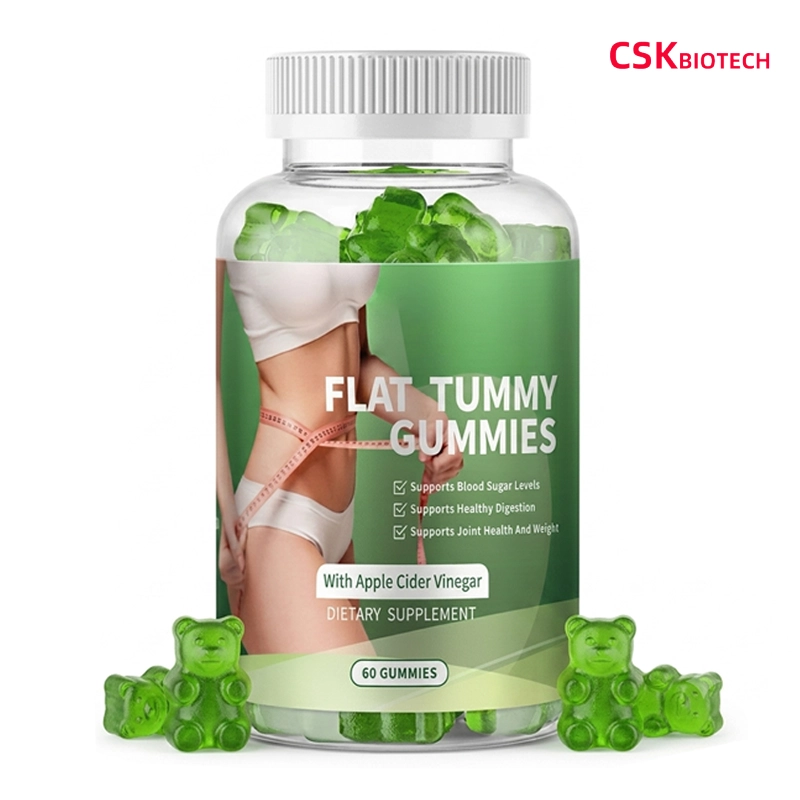
Apple Cider Vinegar Gummies for Digestive and Blood Sugar Support | Custom Gummy Manufacturing
Apple Cider Vinegar Gummies from CSK Biotech offer targeted digestive and blood sugar support in a convenient gummy form. Designed for custom gummy manufacturing, they ensure consistent quality and precise formulation to meet your product development needs.

Creatine Gummies Manufacturer for Custom Sports Nutrition Supplements
CSK Biotech manufactures creatine gummies with customizable creatine monohydrate dosage, flavors, textures, colors, bottle packaging, pouch packaging, and private label solutions. Designed for sports nutrition, fitness, and active lifestyle brands, our OEM/ODM service helps you develop market-ready creatine gummy supplements with reliable production and quality control.
Request a Quote for Dietary Supplement Contract Manufacturing
If you need CDMO services for health foods, nutritional supplements, or cosmetics, our team of experts is ready to provide you with customized solutions and quotes.


Contact


cskmanufacture
CSK Biotech Dietary Supplements
Guangzhou Changshengkang Biotechnology Co.,Ltd