
Custom contract manufacturing for gummy supplements Manufacturers and Suppliers

- Why gummy supplements are a strategic product choice
- Consumer demand and product differentiation
- Formulation constraints that affect manufacturing choices
- Supply-chain and cost drivers
- Formulation, process, and production: practical considerations
- Core steps in gummy supplement manufacturing
- Key formulation variables
- Equipment and line considerations
- Quality, regulatory compliance, and testing
- Regulatory frameworks and best practices
- Quality systems and certifications
- Analytical and stability testing
- Choosing a contract manufacturing partner: commercial and technical checklist
- Service models explained (ODM, CDM, OEM)
- Operational and technical due diligence checklist
- How CSK Biotech supports gummy supplement brands
- Practical timelines, costs, and go-to-market considerations
- Typical development and launch timeline
- Cost drivers and MOQ guidance
- Packaging, labeling, and claims support
- Common questions and practical answers
- How long does a gummy formulation take to stabilize?
- Can all vitamins and actives be made into gummies?
- What certifications should I require from a CDMO?
- Conclusion
- References
Contract manufacturing for gummy supplements requires precise formulation, robust quality systems, and flexible production lines to meet global regulatory and market requirements. This guide is optimized for industry —manufacturers, brand owners, and suppliers seeking a trusted CDMO partner to develop, scale, and launch gummy vitamins and functional gummies with predictable timelines, validated stability, and compliant documentation.
Why gummy supplements are a strategic product choice
Consumer demand and product differentiation
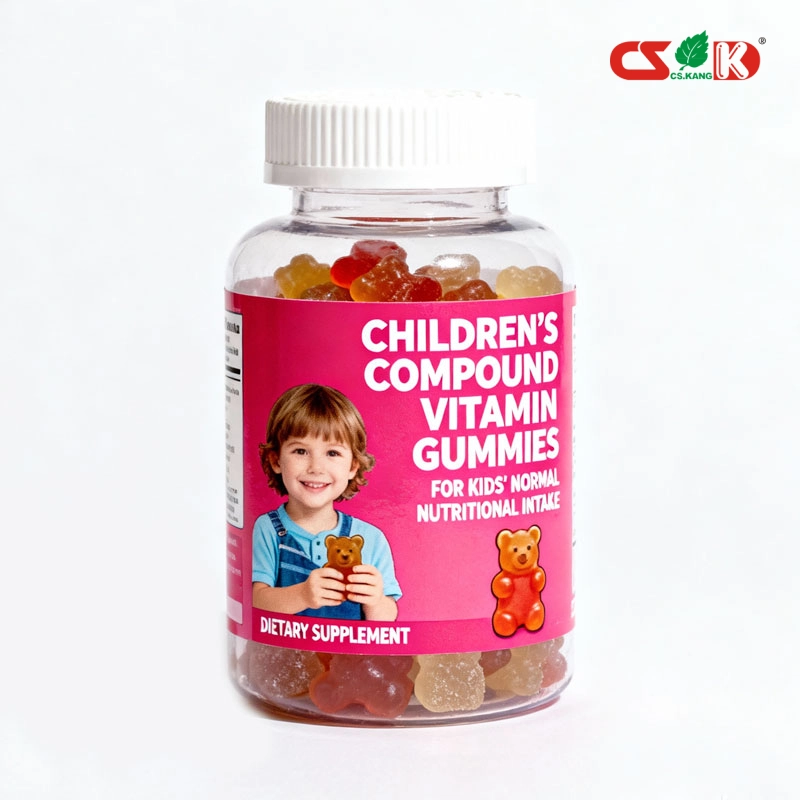
Gummy supplements continue to attract a broad demographic because they offer better palatability and ease of dosing compared with traditional tablets or capsules. For many brands, gummies enable differentiation through flavor, texture, targeted blends (e.g., multivitamin + probiotic), and lifestyle claims (vegan, sugar-free).
Formulation constraints that affect manufacturing choices
Gummy formulation choices—gelatin vs. pectin, type and concentration of sweeteners, active ingredient stability, and use of acidulants—directly influence the manufacturing process, equipment selection, and shelf life. Understanding these constraints early helps select the right contract manufacturer and avoids costly reformulation later.
Supply-chain and cost drivers
Key cost drivers include raw material sourcing (pectin, gelatin, flavors, high-potency actives), packaging format (blister, bottle, flow-wrapping), minimum order quantities (MOQs), and regulatory testing. A reliable CDMO can optimize sourcing, reduce lead times, and consolidate suppliers—lowering total landed cost while maintaining quality.
Formulation, process, and production: practical considerations
Core steps in gummy supplement manufacturing
The gummy manufacturing process typically follows: formula development and stability assessment; pilot batch production (texture and dosing verification); tooling and production-scale set-up; filling and cutting or molding; de-dusting/coating; packaging and labeling. Each step must be validated and documented under GMP practices.
Key formulation variables
Important variables include:
- Gelling agent: gelatin (animal-derived) for classic chew or pectin/carrageenan for vegan options.
- Active compatibility: some vitamins (e.g., vitamin C) are acidic and can destabilize other actives; chelated minerals can affect texture.
- Shelf-life enhancers: humectants like glycerin can improve softness and reduce crystallization; anti-oxidants improve active stability.
Equipment and line considerations
Gummy production requires specialized kettles, depositing lines (mold or starch-based systems), drying tunnels, and coating/dusting equipment. Scalable capacity depends on line speed and shift scheduling. For example, CSK Biotech operates seven advanced production lines capable of supporting high-volume gummies while maintaining batch traceability and GMP documentation.
Quality, regulatory compliance, and testing
Regulatory frameworks and best practices
Dietary supplements are regulated differently by region. In the United States, dietary supplements are regulated under the FDA’s dietary supplement framework; manufacturers must follow Current Good Manufacturing Practice (cGMP) requirements for dietary supplements. Refer to FDA guidance for dietary supplements for details: FDA — Dietary Supplements. International customers may require compliance with Codex, HACCP, or national food safety authorities. The Codex Alimentarius and HACCP principles provide internationally accepted food safety frameworks: Codex Alimentarius.
Quality systems and certifications
A contract manufacturer should maintain documented quality systems including raw material specifications, supplier qualification, in-process controls, finished product testing, and stability programs. Certifications such as ISO (e.g., ISO 9001) and HACCP, as well as facility-level registration with regulatory authorities, demonstrate commitment to quality. See ISO official resources: ISO.
Analytical and stability testing
Analytical testing includes potency assay (HPLC/UV for vitamins and botanicals), microbial testing, heavy metals, and residual solvents where applicable. Stability testing under ICH or region-specific protocols verifies shelf life and storage conditions. A CDMO should provide stability study design, testing, and reporting as part of the development package.
Choosing a contract manufacturing partner: commercial and technical checklist
Service models explained (ODM, CDM, OEM)
Understanding cooperation models helps align expectations. Below is a concise comparison:
| Service Model | Best for | Customization | Typical Lead Time |
|---|---|---|---|
| ODM | Brands wanting market-ready formulations and private label options | High (pre-developed concepts) | Short to moderate |
| CDM (Contract Development & Manufacturing) | Brands needing bespoke formulation and development support | Very High (R&D-driven) | Moderate to long |
| OEM | Brands with finished formulas needing precision manufacturing | Moderate (formula-driven) | Short (production-focused) |
Operational and technical due diligence checklist
When evaluating a CDMO for gummy supplements, verify:
- GMP-compliant facility and third-party certifications.
- Dedicated gummy equipment and capacity availability.
- R&D capabilities for stability and sensory optimization.
- Analytical lab access and accredited testing methods.
- Traceability, batch release processes, and regulatory documentation support.
How CSK Biotech supports gummy supplement brands
Founded in 2008, CSK Biotech is a high-tech CDMO focused on dietary supplements, health foods, and cosmetics. Key points:
- GMP-certified 2,000 m² factory with seven advanced production lines.
- Annual capacity exceeding 4.5 billion softgels and 1.5 billion tablets; gummy production lines support scalable volumes and private label production.
- End-to-end services: concept development, formulation R&D, pilot testing, stability verification, production, regulatory registration, and marketing support.
- Three cooperation models: ODM (market-oriented), CDM (custom design), and OEM (formula-based manufacturing) to suit brand needs.
- Certifications and compliance include GMPC, FDA registration, HACCP, and ISO-aligned systems.
For more on CSK Biotech’s services and capabilities, visit CSK Biotech or contact steve@cskbiotech.com to discuss your project.
Practical timelines, costs, and go-to-market considerations
Typical development and launch timeline
Timelines vary by project scope. A rough phased timeline might be:
- Concept & feasibility: 2–4 weeks
- R&D & pilot: 6–12 weeks (depending on stability and taste optimization)
- Stability and regulatory prep: 3–6 months for accelerated stability data; longer for full real-time studies
- Production and packaging: 4–8 weeks depending on capacity and packaging complexity
Cost drivers and MOQ guidance
Major cost drivers include active ingredient price, type of gelling agent, packaging complexity, and testing requirements. MOQs differ by CDMO and service model; ODM options often have lower MOQs for standard SKUs, while fully custom CDM projects typically require larger initial runs to cover development and validation costs.
Packaging, labeling, and claims support
Packaging selection affects shelf life and perceived value. Common formats: jars/bottles with desiccants, blister packs for single-dose convenience, and child-resistant packaging when needed. Claims (e.g., supports immune health) must be substantiated with evidence and comply with regional labeling rules—CDMOs often help prepare technical dossiers and claims substantiation.
Common questions and practical answers
How long does a gummy formulation take to stabilize?
Accelerated stability testing can yield initial data in 1–3 months, but most brands rely on a 6–12 month real-time dataset before making definitive shelf-life claims. The exact timeline depends on the actives, pH, and packaging.
Can all vitamins and actives be made into gummies?
Many vitamins and botanical actives can be formulated into gummies, but not all are ideal due to taste, interaction with gelling agents, or heat sensitivity. High-potency minerals (e.g., iron) and certain herbals may require microencapsulation or alternative delivery formats.
What certifications should I require from a CDMO?
Insist on GMP compliance, documented quality systems, and relevant food safety certifications (HACCP, ISO where applicable). For exports, check country-specific requirements and any registration needed by regulatory authorities. Useful references: FDA dietary supplements guidance (FDA) and Codex/HACCP principles (Codex).
Conclusion
Contract manufacturing for gummy supplements demands a CDMO that combines formulation expertise, validated production capability, and robust regulatory and quality systems. Selecting a partner with proven gummy experience—capable of ODM, CDM, and OEM collaborations—reduces time-to-market and mitigates risk. CSK Biotech’s GMP-certified facilities, R&D capabilities, and full-service CDMO offering provide scalable, compliant solutions for brands and suppliers seeking reliable gummy manufacturing partners.
Contact CSK Biotech at steve@cskbiotech.com to discuss your gummy supplement project and receive a tailored development and manufacturing proposal.
References
- U.S. Food & Drug Administration — Dietary Supplements: https://www.fda.gov/food/dietary-supplements
- Codex Alimentarius / FAO-WHO: https://www.fao.org/fao-who-codexalimentarius/home/en/
- International Organization for Standardization (ISO): https://www.iso.org
- Council for Responsible Nutrition (CRN): https://www.crnusa.org/
Unlocking Success: Your Guide to Tablet Contract Manufacturing for Nutritional Supplements
Top 10 capsule supplement Manufacturers and Supplier Brands
Top 10 Nutritional Supplements Manufacturers and Supplier Brands
Custom OEM supplement manufacturers Manufacturers and Suppliers
文章
How long does production usually take?
Production timelines vary depending on:
-
· Dosage form
-
· Formula complexity
-
· Order quantity
-
· Packaging requirements
Generally, production takes several weeks after formula confirmation and raw material preparation.
Are your manufacturing facilities GMP certified?
Yes. CSK Biotech operates under GMP (Good Manufacturing Practices) standards. Our production facilities follow strict quality · · · management systems to ensure:
-
· Product safety
-
· Batch consistency
-
· Full traceability of raw materials and finished products
Who is CSK Biotech?
CSK Biotech is a professional biotechnology company specializing in OEM/ODM contract manufacturing of dietary supplements. We provide customized production services for softgel capsules, hard capsules, tablets, powders, gummies, and liquid supplements, supporting global brands from formulation to finished products.
How does the cooperation process work?
Our standard cooperation process includes:
-
1.Product consultation and requirement confirmation
-
2.Formula development or review
-
3.Sample production (if required)
-
4.Order confirmation and mass production
-
5.Quality inspection and packaging
-
6.Delivery
This structured process ensures efficiency and transparency.
Does CSK Biotech provide OEM and ODM services?
Yes. CSK Biotech provides both OEM (Original Equipment Manufacturing) and ODM (Original Design Manufacturing) services.
-
OEM: Manufacturing based on your existing formula and specifications
-
ODM: Full product development including formulation, dosage form design, and production
Our R&D team works closely with clients to turn concepts into market-ready products.
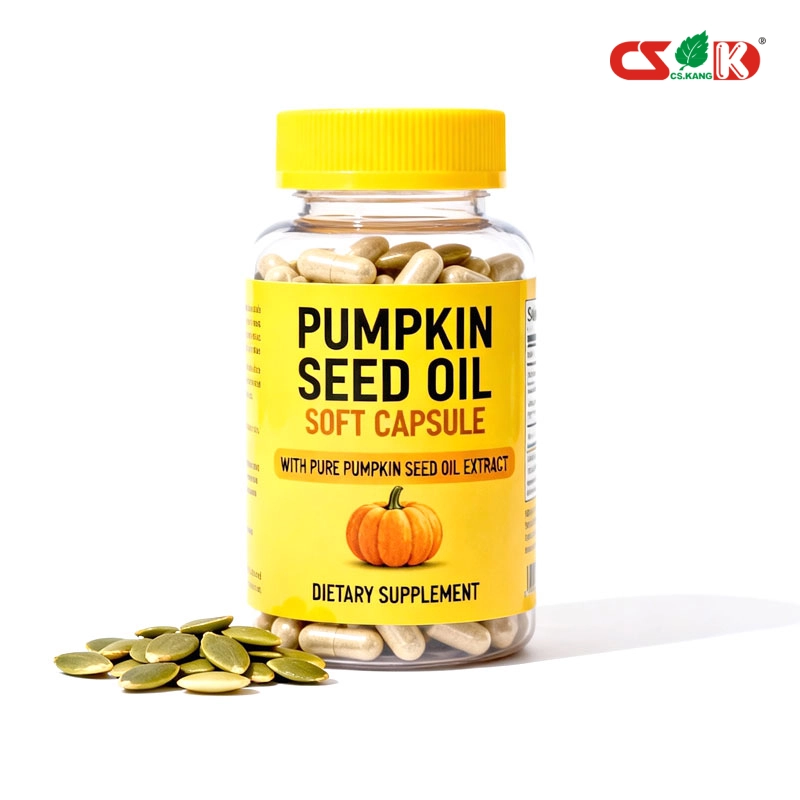
Cold-Pressed Pumpkin Seed Oil Capsules: Rich in Zinc, Phytosterols & Fatty Acids
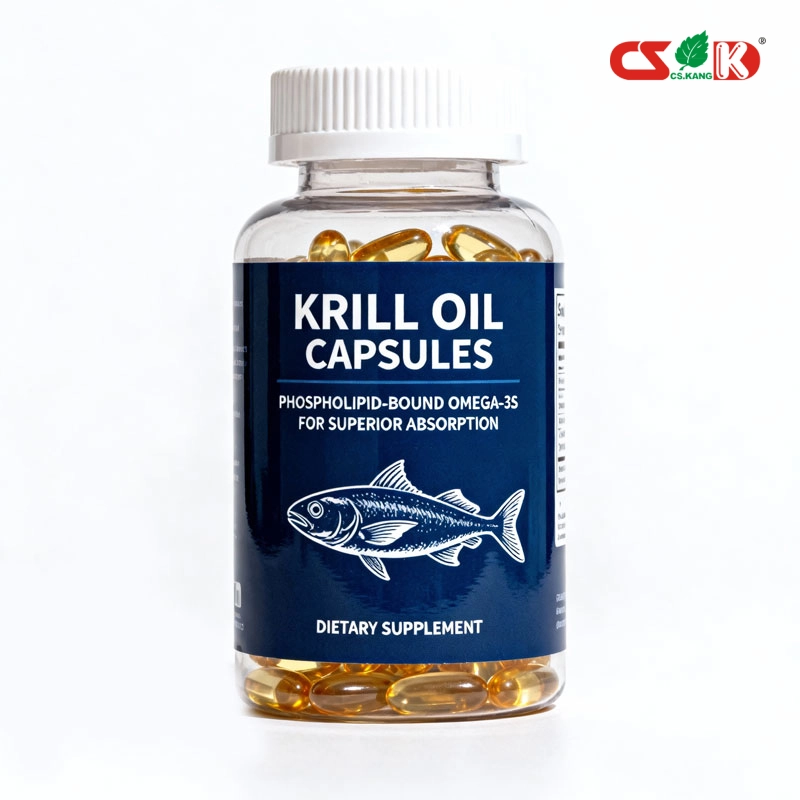
Supports Heart & Brain Health: Krill Oil Rich in EPA & DHA
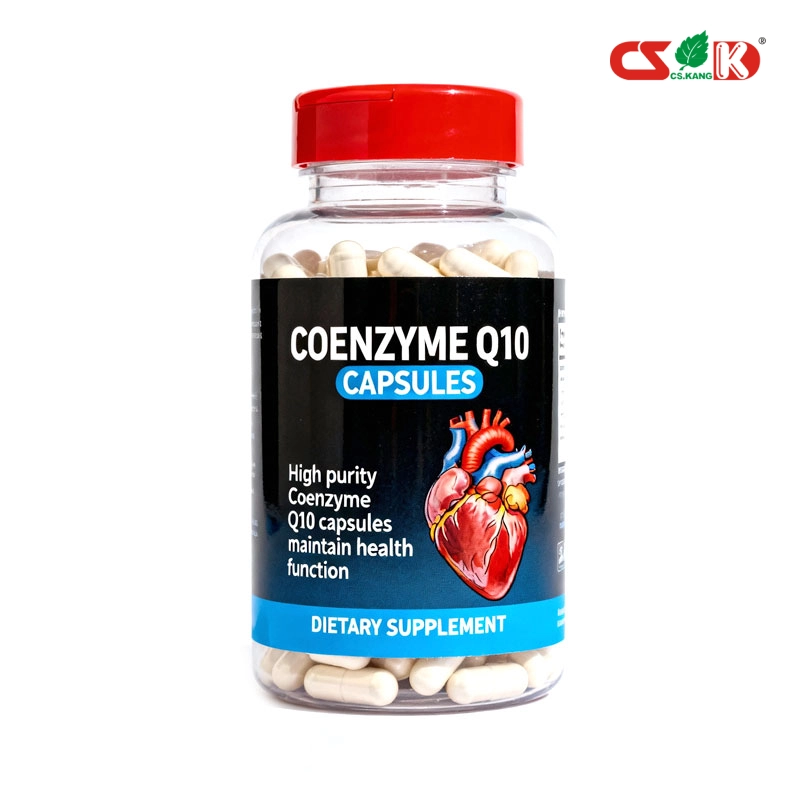
High purity Coenzyme Q10 capsules maintain heart health function

manufactoryinchina
CSK Biotech Dietary Supplements