

How to Choose a Liquid Melatonin Manufacturer for a Private-Label Supplement Line

- What Private-Label Brands Should Know Before Sourcing Liquid Melatonin
- Why the liquid format behaves differently from gummies and tablets
- Regulatory and dosing realities you cannot ignore
- Write your product brief before you contact suppliers
- Technical and Quality Criteria I Use to Vet a Liquid Melatonin Manufacturer
- cGMP compliance and verifiable testing
- Formulation, preservation, and stability capability
- Packaging, filling accuracy, and dosing devices
- Commercial Factors, Red Flags, and Questions That Reveal the Truth
- MOQs, lead times, and scaling
- Red flags I have learned to spot
- Questions that separate real manufacturers from resellers
- How We Support Private-Label Sleep and Wellness Lines
- Liquid supplement contract manufacturing built around your brief
- Building a multi-format sleep range under one roof
- How I would suggest you start
- Frequently Asked Questions
To choose a liquid melatonin manufacturer for a private-label line, I check five things in order: documented cGMP compliance under 21 CFR Part 111, third-party assay testing that proves the melatonin content matches the label, real stability data for the liquid format (preservatives, pH, light protection), accurate dosing and filling packaging, and realistic MOQs with transparent communication. Liquid melatonin is harder to manufacture consistently than a capsule or tablet, so a supplier that handles it well usually has strong systems across the rest of its operation. Verify every claim with documents, not sales promises, and confirm that the manufacturer can also supply gummies, capsules, tablets, softgels, or powders so your sleep range can grow without changing partners.
What Private-Label Brands Should Know Before Sourcing Liquid Melatonin
Why the liquid format behaves differently from gummies and tablets
In my 15 years working with supplement brands, I have seen more sourcing mistakes with liquid melatonin than with almost any other sleep format. A water-based liquid is a living environment for microbes if the preservative system is wrong. It is also sensitive to light, temperature, and pH, and its dose depends on how the consumer measures it. A tablet delivers a fixed unit. A liquid delivers a concentration, and the customer controls the volume with a dropper, cup, or spray pump.
That means you are not just buying a formula. You are buying a process: mixing order, dissolution of melatonin (which has limited water solubility and is often pre-dissolved in a co-solvent), filtration, filling accuracy, and closure integrity. When I evaluate a factory for liquid melatonin, I want to see this process documented, not described verbally.
Regulatory and dosing realities you cannot ignore
Melatonin is a hormone your body produces naturally, as the Wikipedia overview of melatonin explains. Its regulatory status varies widely. In the United States it is sold as a dietary supplement, while in the UK and parts of Europe it is restricted or prescription-only at certain doses. Before you pick a manufacturer, decide which markets you will sell into, because that determines the permitted dose, labeling, and claims.
The National Center for Complementary and Integrative Health notes that melatonin is generally considered safe for short-term use by adults, but that product quality and labeling vary. That variability is exactly why manufacturer selection matters. A 2023 analysis published in JAMA on melatonin gummy content found that most products tested contained meaningfully different amounts of melatonin than their labels stated. That study looked at gummies, not liquids, but I treat it as a warning for the whole category: if you do not verify the dose, nobody else will.
Write your product brief before you contact suppliers
I always tell new clients to create a one-page brief first. Include the target dose per serving (many liquid products use low doses, so the label must state mg per mL and mg per serving clearly), flavor direction, sweetener type, alcohol-free or not, target age group, pack size, and your shelf-life goal. When you send a clear brief, a good manufacturer will respond with questions about it. A weak one will simply send a price. That difference tells you a lot.
Technical and Quality Criteria I Use to Vet a Liquid Melatonin Manufacturer
cGMP compliance and verifiable testing
The baseline in the US is the FDA's current good manufacturing practice rule for dietary supplements, published as 21 CFR Part 111. Ask for the facility's most recent third-party GMP audit report, not just a certificate image. Then ask what happens to each batch of liquid melatonin: raw material identity testing, an assay for melatonin content by HPLC or an equivalent validated method, microbial limits (total plate count, yeast and mold, and specified pathogens), and heavy metals screening where relevant.
I also ask for a sample certificate of analysis from a previous liquid batch with the client name redacted. If the result shows a melatonin assay close to 100% of the label claim and the manufacturer can explain its acceptance range, I know their lab discipline is real. If the certificate only shows appearance and pH, I move on.
Formulation, preservation, and stability capability
This is where liquid melatonin projects succeed or fail. Ask the manufacturer how they will preserve the product, what pH range they target, how they manage melatonin degradation from light and heat, and whether they run accelerated and real-time stability studies. A credible team will propose a stability protocol, usually pulling samples at set intervals and testing potency, pH, appearance, and microbial counts, before it promises a 24-month shelf life.
I also check whether they have in-house formulators who can adjust taste. Melatonin has a naturally bitter profile, and a liquid format exposes it more than a gummy coating does. If the supplier cannot demonstrate taste masking on a prior project, plan for extra development rounds.
Packaging, filling accuracy, and dosing devices
Amber glass or opaque PET bottles protect against light. Droppers, calibrated cups, and sprays each have tolerances, and the dose per squirt or per dropper fill should be validated, not assumed. I ask for fill-volume records, torque specifications for closures, and whether tamper-evident seals are standard. If you are selling liquid melatonin to adults who take it at bedtime in dim light, a clear dosing device and a readable label matter more than most brands expect.
Here is the comparison I use when screening suppliers:
| Evaluation Area | What a Strong Manufacturer Shows | Red Flag |
|---|---|---|
| GMP compliance | Recent third-party audit report aligned with 21 CFR Part 111 | Only a logo or certificate image, no audit detail |
| Potency testing | Batch-level melatonin assay (HPLC or equivalent) with defined acceptance range | Testing limited to appearance and pH |
| Microbial control | Preservative challenge testing and batch microbial limits | No preservative efficacy data |
| Stability | Accelerated and real-time stability protocol before shelf-life claim | Shelf life promised without data |
| Packaging | Light-protective bottles, validated dosing device, fill-volume records | Dosing device not validated |
| Traceability | Lot tracking from raw material to finished bottle | Unclear supplier and lot records |
| Format flexibility | Can also produce gummies, capsules, tablets, softgels, powders | Single-format workshop only |
Commercial Factors, Red Flags, and Questions That Reveal the Truth
MOQs, lead times, and scaling
Liquid lines typically carry higher minimum order quantities than capsules because of tank sizes, line changeovers, and filling setup. I advise brands to ask for the MOQ for a first run and the MOQ for repeat runs, since they are often different. Ask about lead times for raw materials, bottles, labels, and cartons separately. In my experience, packaging components, not the liquid itself, cause most delays. A good partner will offer a clear timeline from approved formula to finished goods and will warn you early if a component is on backorder.
Red flags I have learned to spot
Over the years, a few patterns have reliably predicted trouble. The first is a supplier who quotes a price before asking your target dose and markets. The second is a refusal to share testing documentation, or a claim that all testing is proprietary. The third is a stock formula pushed as the only option with no room for stability or taste adjustments. The fourth is vague answers about who actually makes the product, because some companies are trading intermediaries, not factories. Ask directly whether the facility that will fill your liquid melatonin bottles is the one you will audit.
Questions that separate real manufacturers from resellers
I recommend asking these in your first call: Who performs the melatonin assay, and is it in-house or an outside lab? How do you handle an out-of-specification batch? Can I see your change-control process for raw material suppliers? How do you retain samples? Will you support a third-party verification, such as testing by an independent lab or a USP or NSF program? The answers should be specific and quick. Hesitation is informative.
How We Support Private-Label Sleep and Wellness Lines
Liquid supplement contract manufacturing built around your brief
Everything above is the framework I apply when I advise clients, and it is also the standard I hold our own team to. Our liquid supplement contract manufacturing service starts with your brief, then moves through formulation, taste development, stability planning, validated filling, and packaging coordination. For liquid melatonin projects, we focus on dose accuracy, preservative suitability, and light protection from the first sample, so there are fewer surprises at scale. I encourage every prospective client to request documentation and to audit us the same way they would audit anyone else.
Building a multi-format sleep range under one roof
Many brands begin with liquid melatonin and then discover that their customers also want a gummy for travel, a capsule for a precise dose, or a powder stick for a nighttime blend. Because we also offer gummy supplement manufacture, capsule supplement manufacturing, tablet supplements manufacture, supplement manufacturing softgels, and powder supplement manufacturing, you can expand your range without rebuilding your supply chain. Keeping one partner means consistent quality documentation, simpler regulatory files, and a more unified brand experience across formats.
How I would suggest you start
Send us your target markets, dose, and format preferences. We will review feasibility, propose a development and testing plan, and be honest about trade-offs, such as whether a liquid, gummy, or capsule fits your price point and shelf-life goal. The best private-label relationships I have seen begin with a candid conversation about risk, not a rushed purchase order. A manufacturer that welcomes tough questions is almost always the one you want to build a long-term line with.
If you are ready to build a liquid melatonin product that you can verify, scale, and stand behind, contact our team today to discuss your formula or browse our full range of contract manufacturing services.
Frequently Asked Questions
What should I look for first in a liquid melatonin manufacturer?
Start with documented cGMP compliance under 21 CFR Part 111, supported by a recent third-party audit report. Then confirm they run a batch-level melatonin potency assay, preservative efficacy testing, and stability studies for liquids. Documents matter more than sales claims.
How do I verify that liquid melatonin contains the dose on the label?
Ask for certificates of analysis showing a validated melatonin assay (such as HPLC) for each batch, and consider independent third-party testing of your finished product. A 2023 JAMA study found many melatonin gummies deviated significantly from label claims, so verification is essential across all formats.
Is liquid melatonin harder to manufacture than gummies or capsules?
In many ways, yes. Liquids need a reliable preservative system, pH control, light protection, taste masking, and validated dosing devices. Because the consumer measures the dose, accuracy depends on both formulation and packaging design, which makes process control more demanding.
What are typical MOQs for private-label liquid melatonin?
MOQs vary by manufacturer and depend on tank size, bottle type, and line setup. Liquid runs often require higher minimums than capsules. Ask for both the first-run MOQ and the repeat-run MOQ, and request separate lead times for packaging components.
Can I sell liquid melatonin in every country?
No. Melatonin regulation differs by market. It is sold as a dietary supplement in the United States, but it is restricted or prescription-only at certain doses in the UK and parts of Europe. Confirm permitted doses, labeling, and claims for each target market before finalizing the formula.
Can one manufacturer produce my liquid melatonin and other sleep formats?
Yes, if you choose a contract manufacturer with multi-format capability. We offer liquid supplement contract manufacturing along with gummy, capsule, tablet, softgel, and powder production, so you can expand your sleep line with consistent documentation and quality systems.
Certifications and Testing for Sports Supplement Manufacturers
Sustainable Capsule Manufacturing: Eco-Friendly Materials
Top 10 capsule supplement Manufacturers and Supplier Brands
Sourcing Garcinia Cambogia Extract: HCA Percentage & Purity
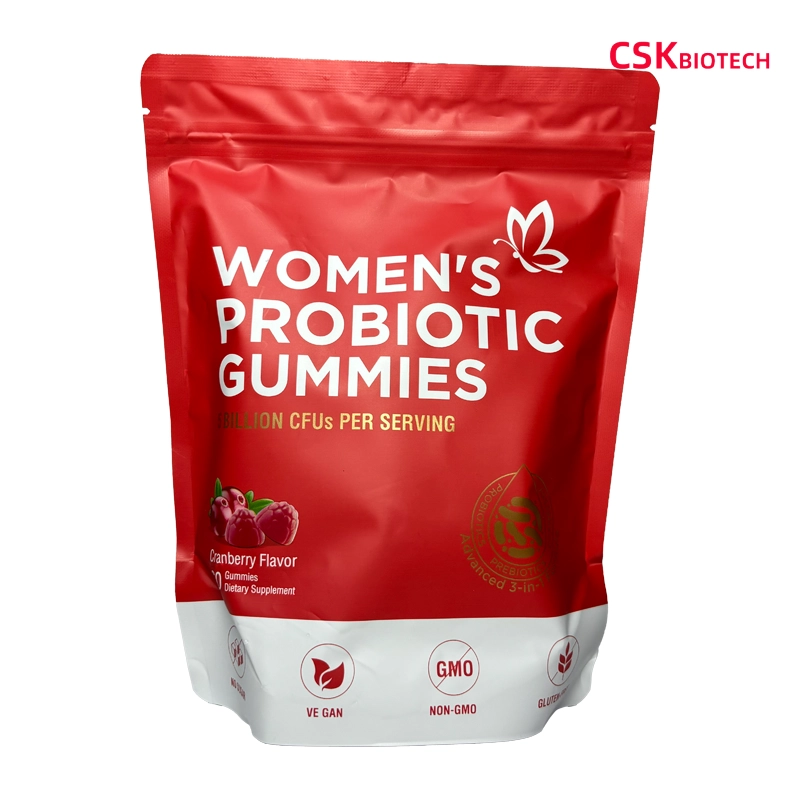
Women's Probiotic Gummies for Intimate & Digestive Wellness | Custom Gummy Manufacturing
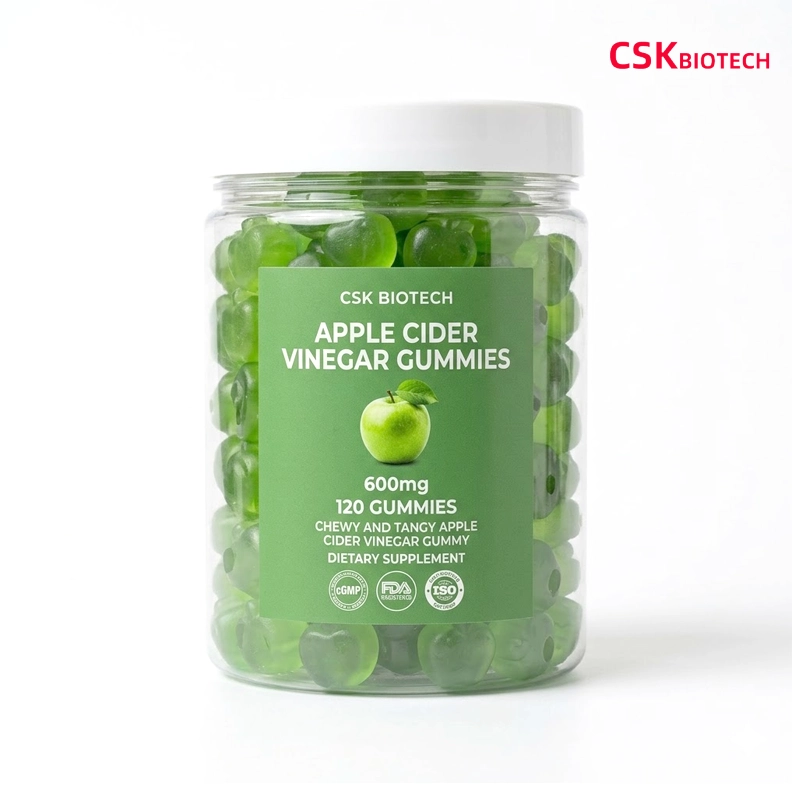
Apple Cider Vinegar Gummies with "The Mother" - Daily Wellness & Digestive Health Support, Apple Flavor - 120 Count
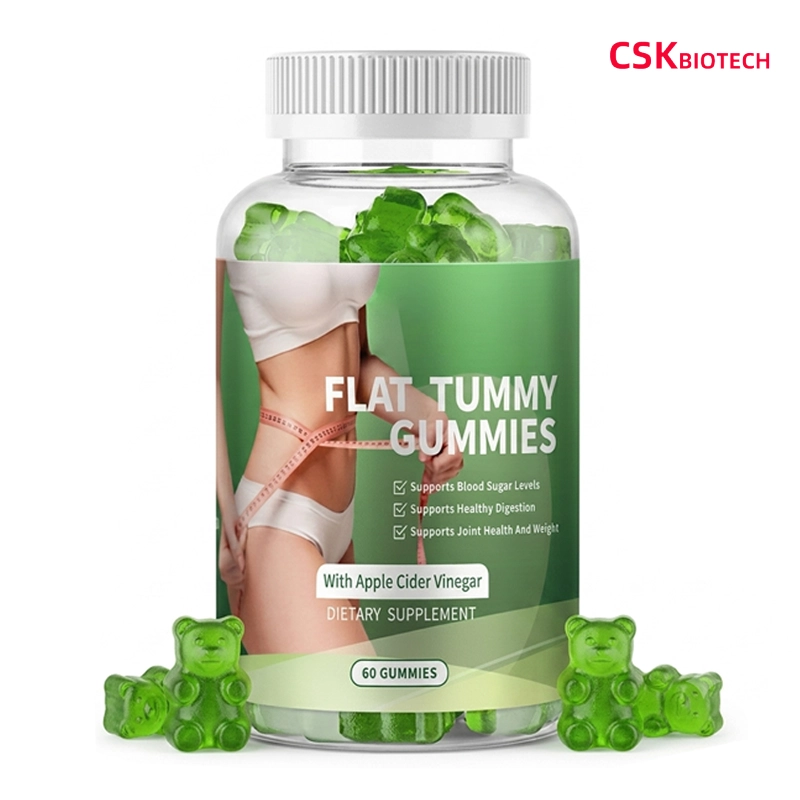
Apple Cider Vinegar Gummies for Digestive and Blood Sugar Support | Custom Gummy Manufacturing
Apple Cider Vinegar Gummies from CSK Biotech offer targeted digestive and blood sugar support in a convenient gummy form. Designed for custom gummy manufacturing, they ensure consistent quality and precise formulation to meet your product development needs.
Creatine Gummies Manufacturer for Custom Sports Nutrition Supplements
CSK Biotech manufactures creatine gummies with customizable creatine monohydrate dosage, flavors, textures, colors, bottle packaging, pouch packaging, and private label solutions. Designed for sports nutrition, fitness, and active lifestyle brands, our OEM/ODM service helps you develop market-ready creatine gummy supplements with reliable production and quality control.
Request a Quote for Dietary Supplement Contract Manufacturing
If you need CDMO services for health foods, nutritional supplements, or cosmetics, our team of experts is ready to provide you with customized solutions and quotes.


Contact


cskmanufacture
CSK Biotech Dietary Supplements
Guangzhou Changshengkang Biotechnology Co.,Ltd